

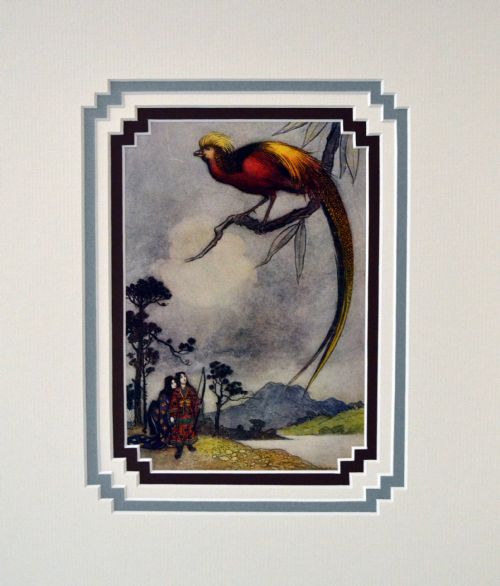
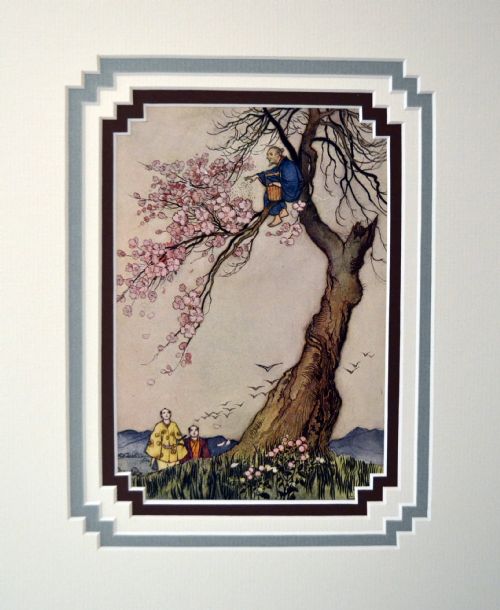


Framed Japanese Print
These framed japanese print examples bring centuries of woodblock tradition and delicate illustration straight to your wall.
Framed Japanese Print
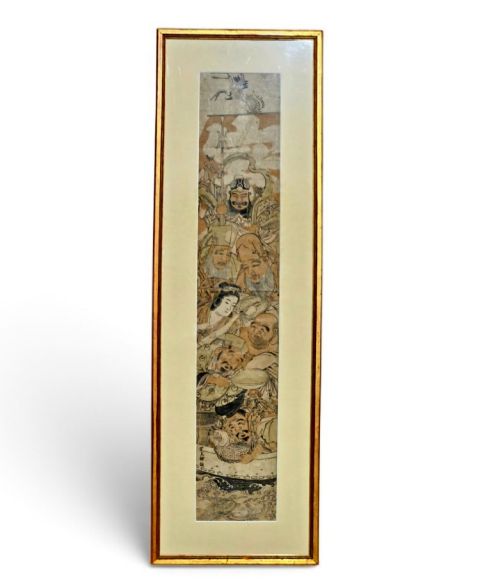
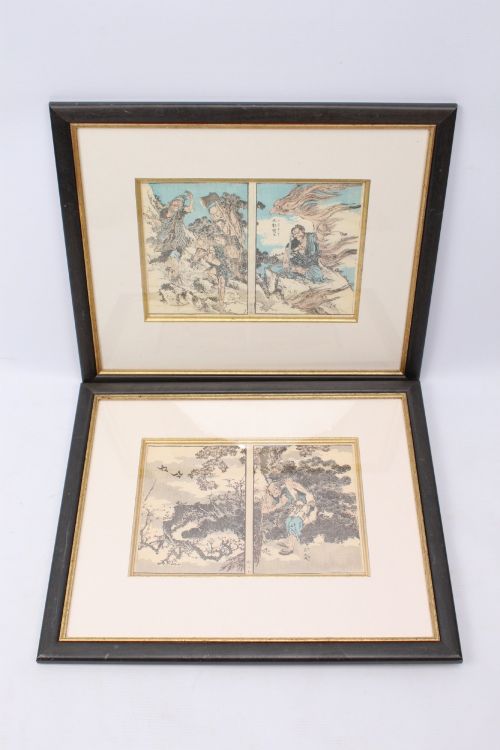
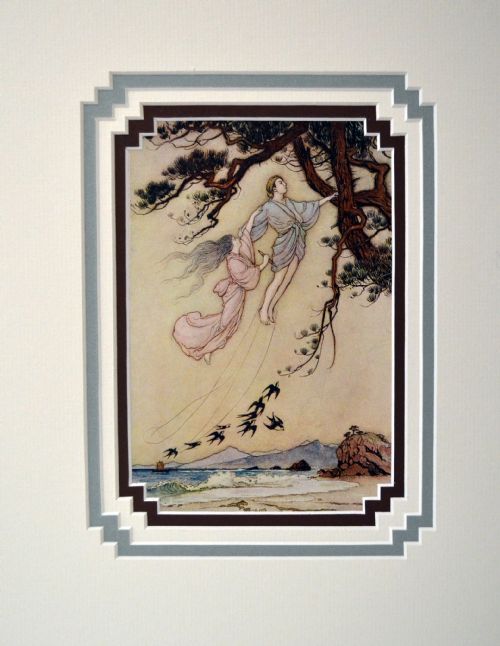
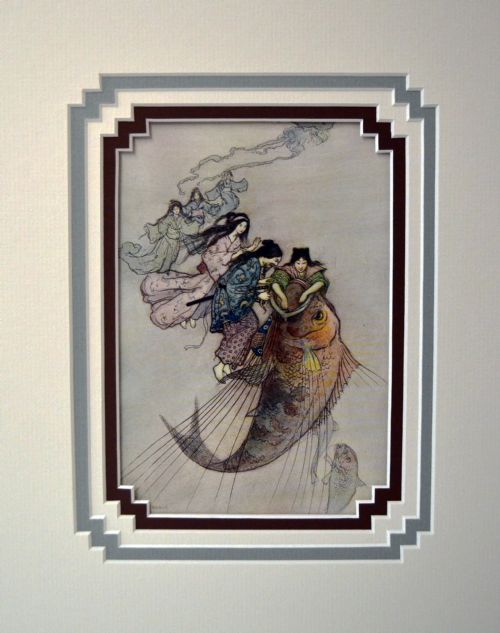
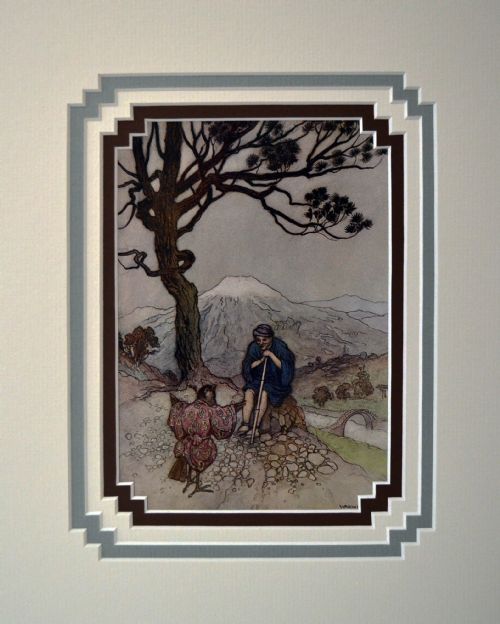
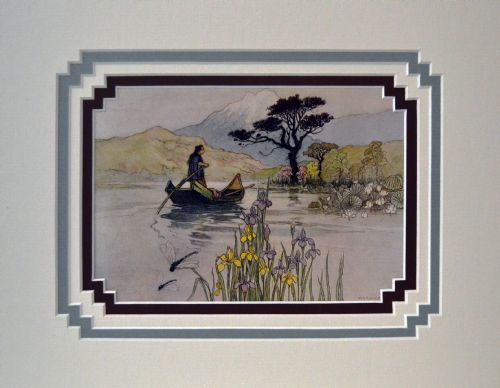
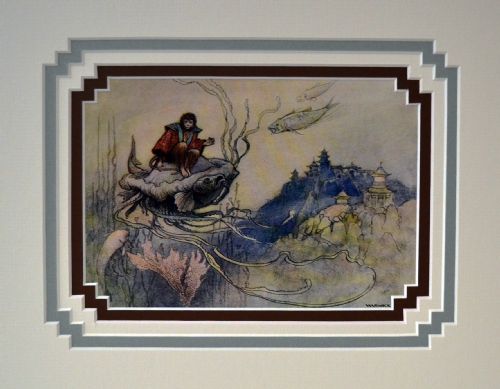
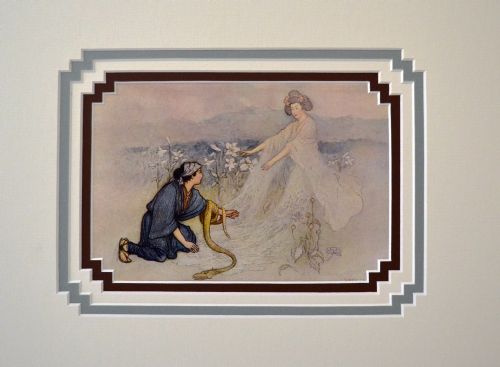
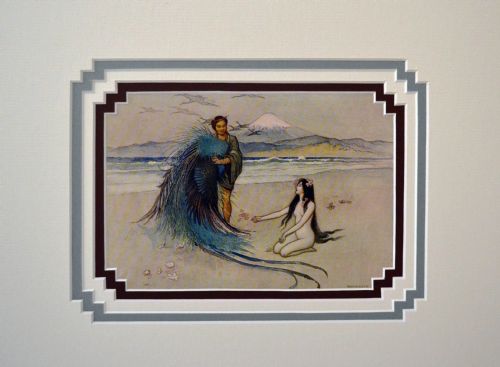
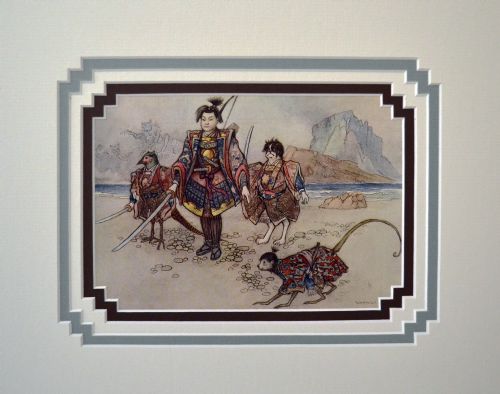
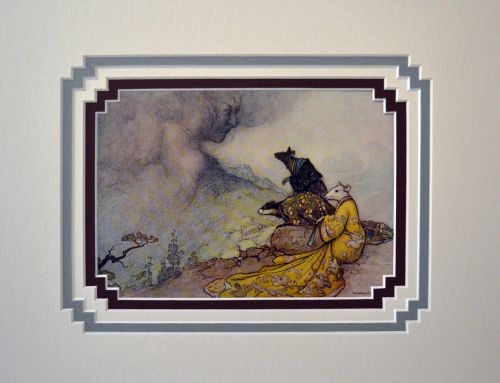
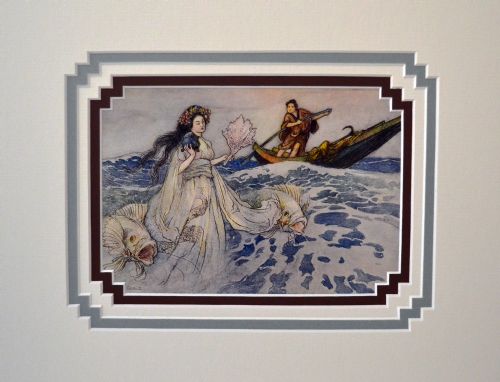
A framed japanese print gathers works ranging from traditional Edo period woodblock creations to early twentieth century book illustrations. You will frequently encounter nineteenth century woodblock sheets alongside Edwardian publications set behind glass.
The selection encompasses works by notable masters depicting subjects from classical figures to bird studies and fairy tales. These pieces arrive ready to hang, set within wooden frames complete with card mounts or silk brocade.
Originating across distinct historical eras, these framed japanese print selections unite traditional oriental techniques with Western framing traditions. Each object preserves ink on paper or card, protected behind glass panels.
Materials and construction
Traditional production relies upon ink applied to paper sheets or card supports, often created through woodblock cutting and printing methods. Artisans utilised carved blocks of wood to transfer pigment onto delicate paper surfaces.
Presentation relies on structural elements including wood frames, glass glazing, and cardboard mountboard or silk brocade surrounds. These protective housings safeguard the delicate paper prints from environmental damage while providing a finished display format.
Framed Japanese Print Retail Price Guide 2026
Typical asking prices for framed japanese print among the pieces listed under this phrase on Sellingantiques today, from the lower quarter to the upper quarter. They describe what is for sale here now, not the wider market.
Listings feature works created across multiple eras, including the eighteenth century, Victorian period, and nineteen hundred and ten.
Factors determining quality
Quality separates through the clarity of the ink impression and the preservation of the paper support over time. Early woodblock prints demonstrate distinct carving precision, whereas later book illustrations rely on fine line reproduction.
The surrounding materials also indicate the standard of presentation, noting rosewood frames and silk brocade mounts against standard wood and card. Original framing and distinct period mounting materials elevate the presentation of the artwork.
Hokusai·Katsukawa Shunshō·Warwick Goble·Kitagawa Utamaro·Kunisada·Koson Ohara·Kono Bairei
The Framed Japanese Print Glossary
- Woodblock print
- An image produced by carving a design into a wooden block, applying ink, and pressing it onto paper. This technique forms the foundation of traditional printmaking seen across multiple centuries.
- Ukiyo-e
- A genre of Japanese art translating to pictures of the floating world, depicting scenes of everyday life and nature. These works frequently appear within nineteenth and eighteenth century examples.
- Mountboard
- A heavy paperboard material placed around the artwork to separate the print from the glass. It provides structural support and protects the paper surface.
- Edo Period
- A historical division of Japan spanning from sixteen hundred and three to eighteen hundred and sixty-eight. Works originating from this era represent traditional craftsmanship.
- Silk brocade
- A decorative woven fabric utilised for mounting and framing high quality prints. This material adds texture and a traditional aesthetic to the presentation.
Framed Japanese Print: Frequently Asked Questions
How do I hang a framed japanese print?
These framed japanese print items require standard picture hooks suited to the weight of the wood frame and glass. Ensure placement avoids direct sunlight to protect the ink and paper from fading.
Position the artwork at eye level to best appreciate the fine details of the woodblock lines and mounting fabrics.
What periods do these prints cover?
The available selection spans from the eighteenth century through the Victorian and Edwardian eras up to nineteen hundred and ten. Each period displays distinct stylistic traits ranging from classical Edo subjects to early twentieth century illustration.
Examining the paper type and framing materials helps determine the approximate historical origin of each piece.
Are these prints original works?
The listings include original woodblock prints, vintage book illustrations, and period watercolours created by recognised artists and publishers. Each piece represents the printing technology and artistic style of its specific production era.
Checking the descriptive details confirms whether an item is a historic woodblock impression or an early edition plate.
How should I care for my framed print?
Maintain the condition of the artwork by keeping it away from excessive moisture and fluctuating temperatures. The glass glazing protects the paper surface from dust and direct contact.
Clean the wood frame and glass gently using dry microfibre cloths without applying liquid cleaners directly to the surface.