




Framed Intaglios
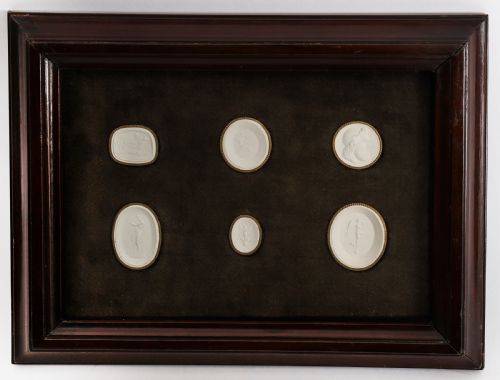
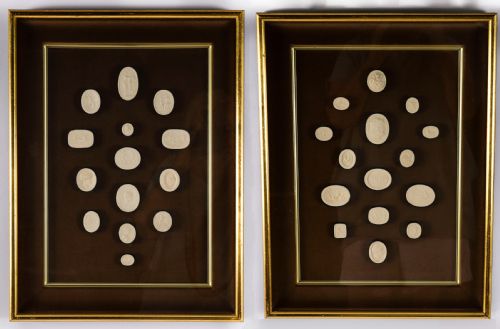
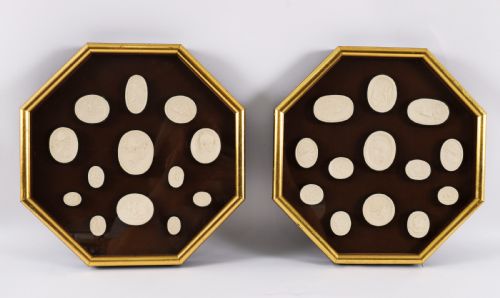
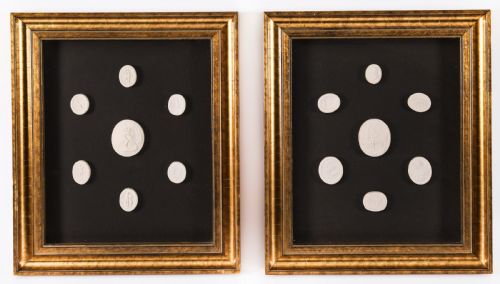
Framed intaglios capture the classical sculpture of the Grand Tour in miniature plaster and glass panels designed for study and display.
Framed Intaglios
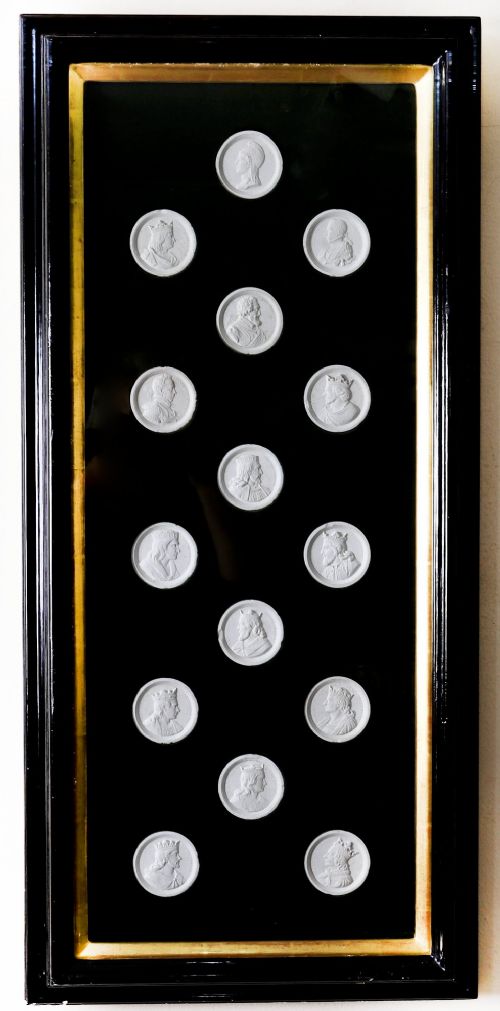
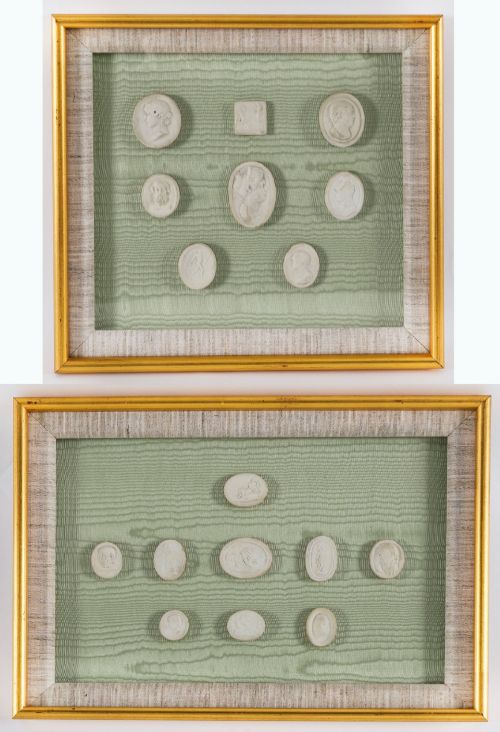
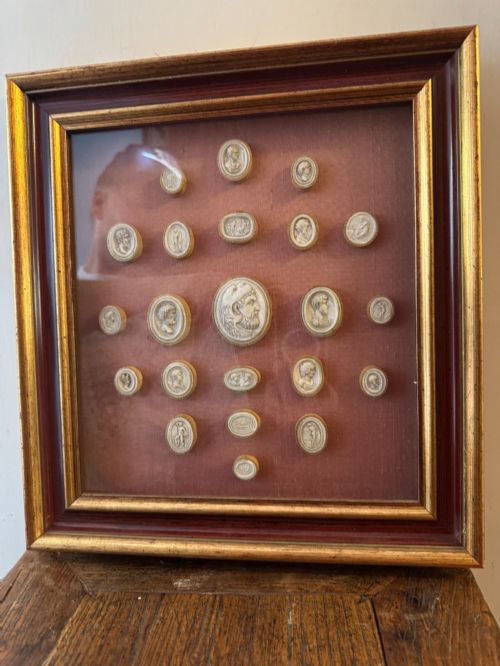
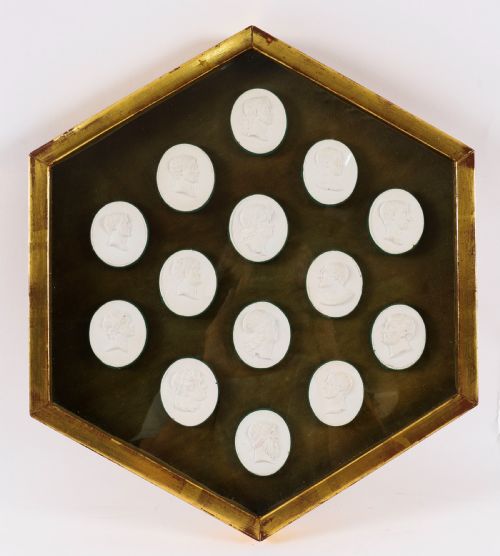
Framed intaglios gather classical cameo and medallion impressions into wall-hung collections reflecting eighteenth and nineteenth century travels across Europe. These pieces present multiple relief casts arranged systematically within wood or giltwood frames, often backed in velvet, fabric, or paper.
The objects derive from the Grand Tour tradition where travellers collected plaster casts of antique gems and sculptures. Most examples on this page date from the nineteenth century, ranging from pairs to large sets containing dozens of individual impressions.
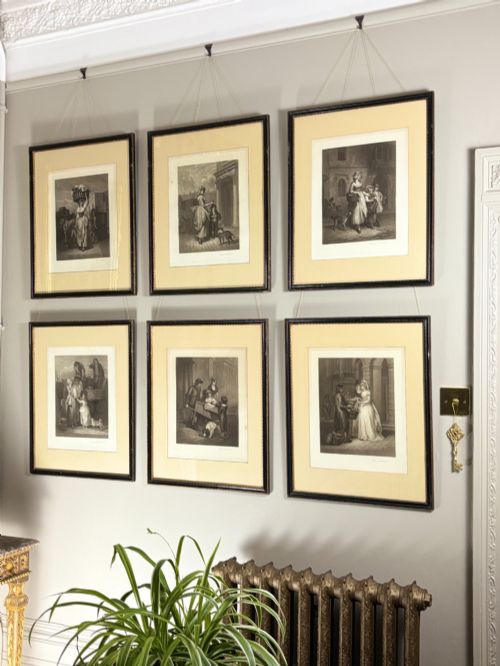
Alongside plaster and glass relief panels, related wall art appears within the selection including mezzotint prints and etchings. These supplementary framed works share the neoclassical and Georgian aesthetic of the intaglio collections.
Materials and construction
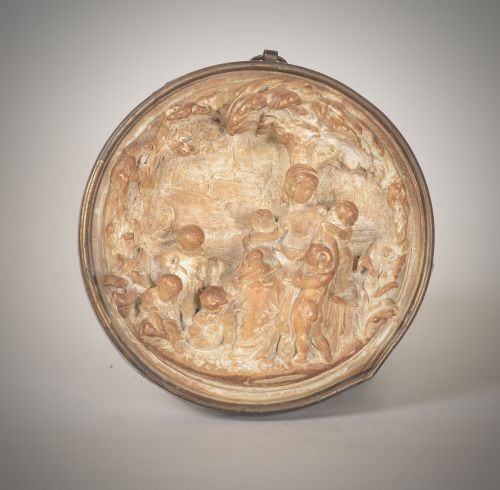
Makers cast the intaglios and cameos using plaster or gypsum poured into moulds taken from classical antiquities. These white or tinted reliefs are then mounted neatly against backgrounds of velvet, fabric, or paper to highlight the crisp details of each profile.
Enclosing these collections required substantial timber work, utilising wood, gilt wood, and giltwood frames. Box frames protect the delicate three-dimensional casts while displaying the arranged groupings behind glass.
Framed Intaglios Retail Price Guide 2026
Typical asking prices for framed intaglios among the pieces listed under this phrase on Sellingantiques today, from the lower quarter to the upper quarter. They describe what is for sale here now, not the wider market.
Listings feature 19th Century, Edwardian, 18th Century, 1920, and Victorian periods, alongside materials such as plaster, glass, velvet, and giltwood.
Distinguishing quality in collections
Quality rests in the sharpness of the plaster impressions and the precision of their arrangement within the frame. Finer sets display deep, legible relief work where every classical motif remains crisp and distinct.
The framing elevates the piece, distinguishing standard mountings from substantial giltwood or box frames executed with care. The harmony between the backing material, such as rich velvet, and the individual medallions dictates the overall visual impact.
Giovanni Liberotti·James Watson·Francis Cotes·George Morland·W Ward·F Petitjean
The Framed Intaglios Glossary
- Intaglio
- A design carved into a material so that the impression sits below the surface, or a cast taken from such a carving. These plaster and glass versions reproduce ancient engraved gems.
- Grand Tour
- An extensive journey through Europe undertaken by upper-class young men during the eighteenth and nineteenth centuries to study classical art. Travellers brought home collections of plaster casts and antiquities.
- Mezzotint
- A printmaking process of the intaglio family that achieves tonal gradation through roughening the copper plate. It allows for rich dark backgrounds and smooth transitions of light.
Framed Intaglios: Frequently Asked Questions
What are framed intaglios?
Framed intaglios are historical collections of plaster or glass casts reproducing ancient carved gems and classical sculptures. They are arranged systematically and mounted inside protective wall frames.
These pieces served as portable museums for collectors during the nineteenth century. They allowed scholars and travellers to study classical mythology and sculpture at home.
How were these collections used?
Travellers assembled these plaster medallions during their European journeys as educational and decorative souvenirs. Once home, they hung the panels on walls as miniature galleries of classical art.
The sets offered a way to display refined taste and knowledge of antiquity. They functioned as conversation pieces for drawing rooms and libraries.
How do I live with them?
Hang framed intaglios away from direct sunlight to protect the plaster casts and velvet backgrounds from fading. Their neutral tones and classical subjects suit both traditional studies and contemporary interiors.
Keep the glass clean and ensure the hanging wire is secure, as box frames containing multiple plaster casts carry some weight. Pair them with other neoclassical or Georgian works to create a cohesive display wall.
How do I tell periods apart?
Nineteenth-century examples often feature extensive sets of Grand Tour plaster casts mounted on velvet or paper within giltwood frames. Eighteenth-century pieces frequently connect to fine art prints like mezzotints by named engravers.
Examine the framing technique, backing materials, and paper ageing to help determine the era. Stylistic shifts between Georgian neoclassical severity and later Victorian or Edwardian presentation also guide dating.