

Framed Historical Print
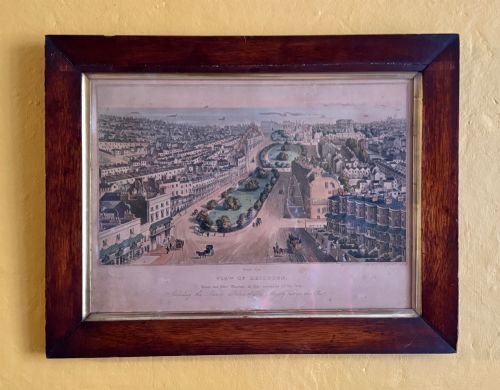
When you search for a framed historical print, you encounter centuries of portraiture, cartography, and allegorical scenes preserved behind glass in period surrounds.
Framed Historical Print
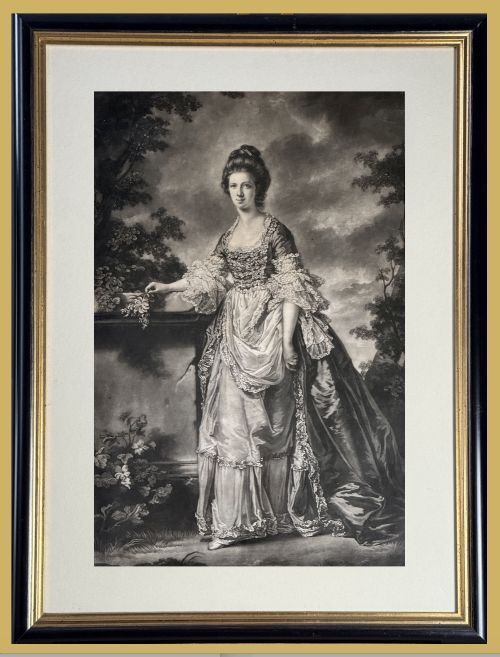
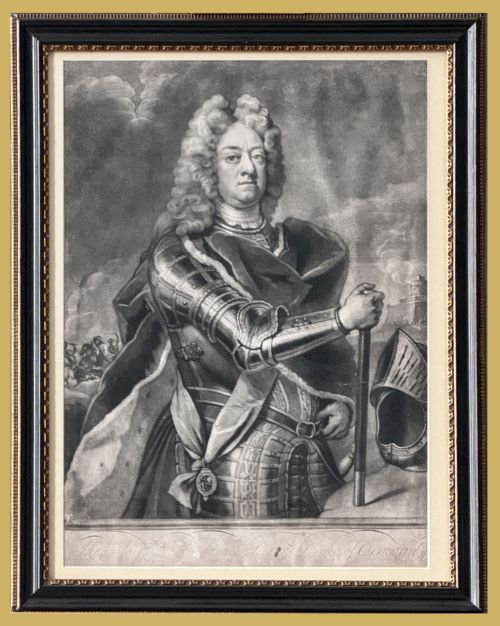
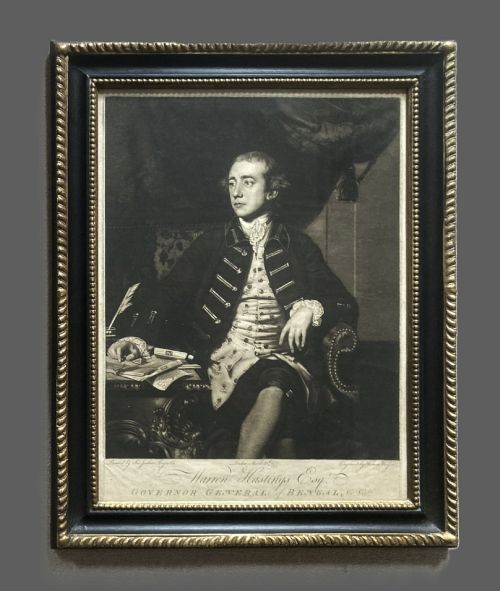
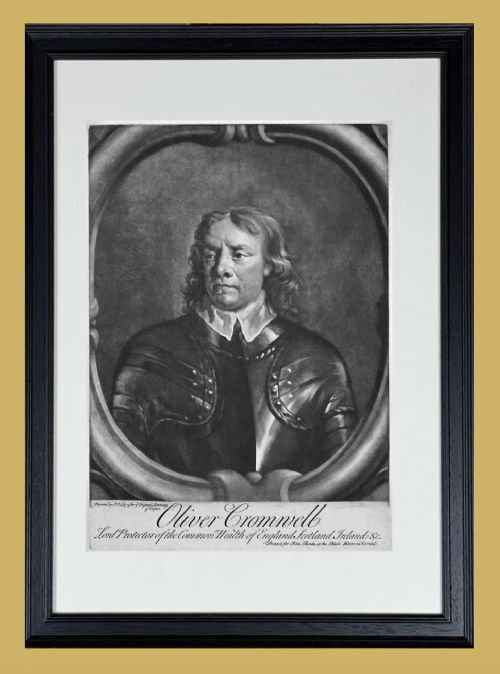
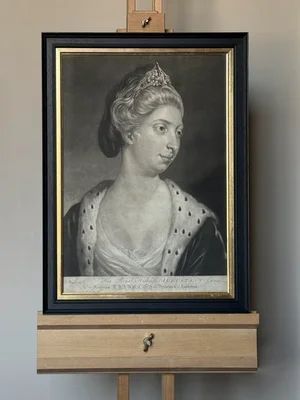
A framed historical print brings centuries of graphic art, cartography, and portraiture into domestic spaces, capturing subjects from 17th-century monarchs to 18th-century anatomical studies. Buyers searching this phrase most frequently encounter 17th- and 18th-century mezzotints, line engravings, and hand-coloured maps originating from British, French, and Dutch presses.
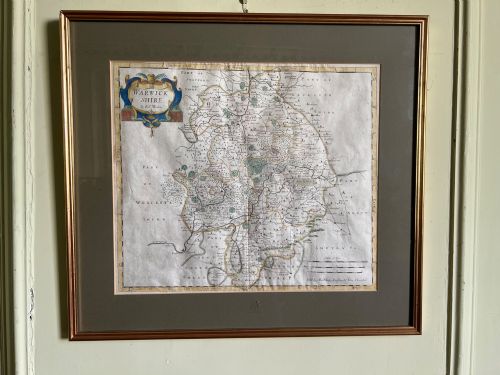
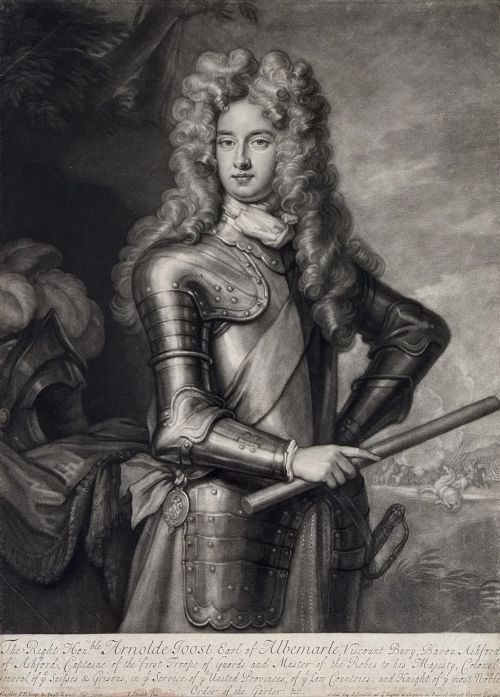
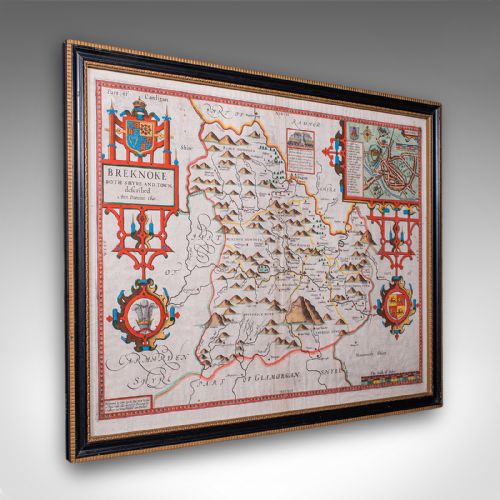
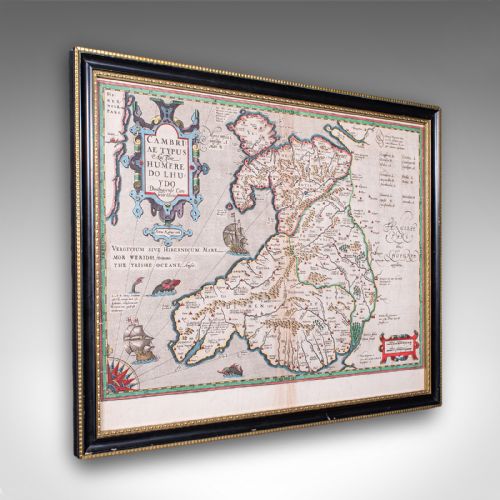
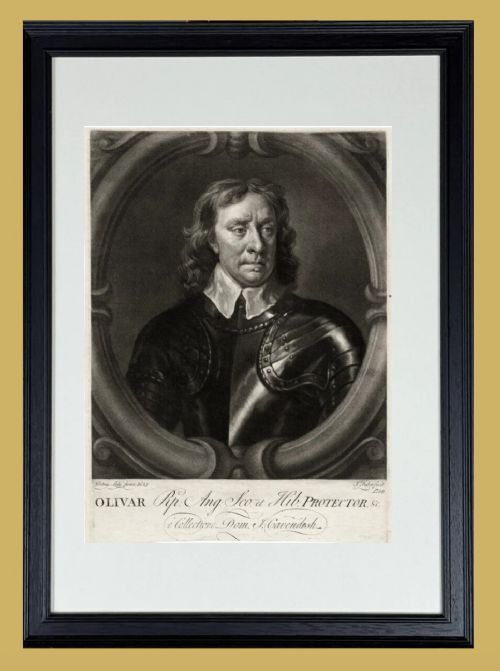
The assortment relies heavily on portraiture after major painters such as Sir Peter Lely, Sir Joshua Reynolds, and Sir Godfrey Kneller, translated into print by master engravers like John Smith and Jacobus Houbraken. Alongside these sit early county maps by cartographers like Blaeu and Ogilby, as well as architectural and medical subjects preserved in original frames.
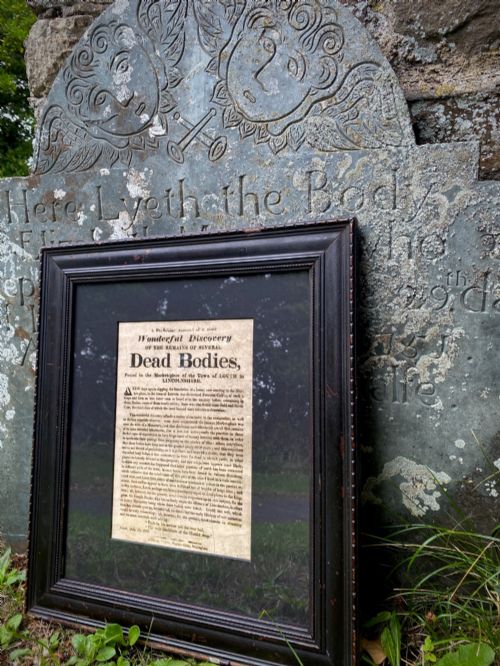
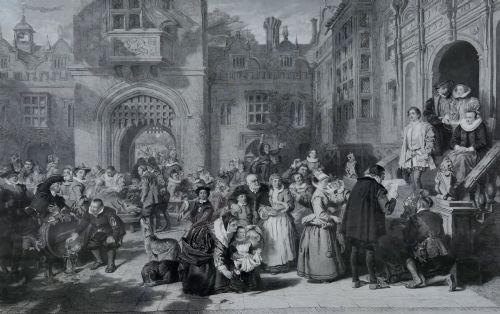
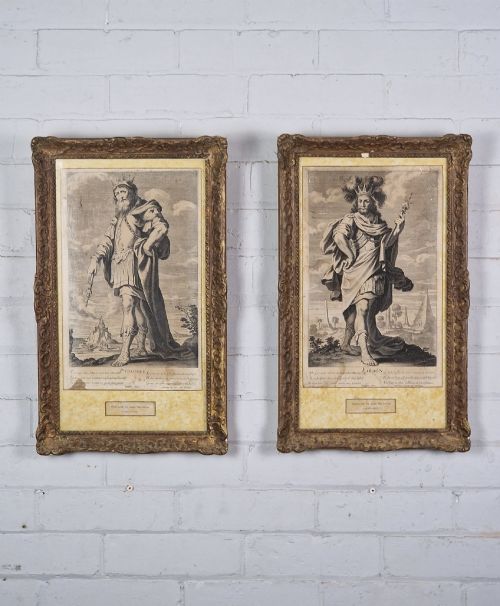
Pieces span periods from the 17th century through the Georgian and Victorian eras up to Edwardian maritime scenes and early 20th-century academic nudes. The framing often matches the era of the work, utilising giltwood, Hogarth profiles, and simple timber mouldings to complete the piece.
Materials and technique
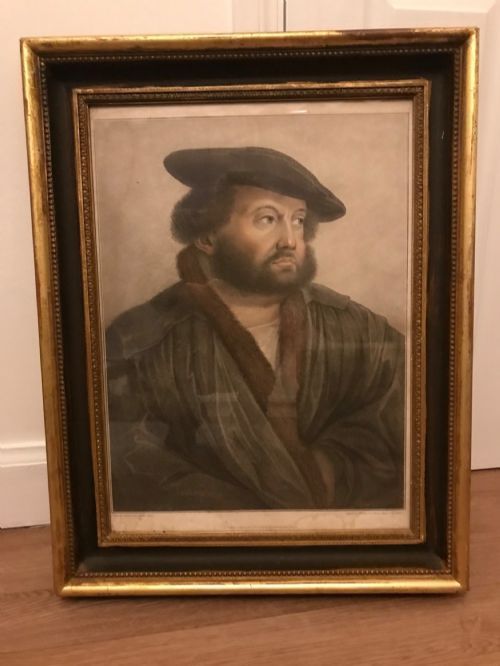
Makers utilised heavy rag paper to receive impression ink, often applying hand-colouring in watercolour or wash after the initial printing process was complete. Mezzotint and stipple engraving required meticulous preparation of copper plates, where the surface was roughened to hold ink for rich tonal gradations or dotted with fine points to render soft flesh tones.
Frames combined traditional joinery in wood, such as giltwood, gesso, and dark timber Hogarth profiles, protecting the fragile paper sheets behind clear window glass. Gold leaf was frequently applied to ornate mouldings, providing a reflective border that contrasted with the dark monochrome inks of the printed sheets.
Framed Historical Print Retail Price Guide 2026
Typical asking prices for framed historical print among the pieces listed under this phrase on Sellingantiques today, from the lower quarter to the upper quarter. They describe what is for sale here now, not the wider market.
Even anatomical skeletons found their way onto 18th-century copper plates, proving that historical walls welcomed everything from dukes to spinal columns.
Factors determining quality
The distinction between tiers of work rests on the clarity of the impression and the fidelity of the printing plate's execution by master hands like Francesco Bartolozzi or John Simon. Early impressions taken before the copper plate wore down exhibit sharp contrast and fine detail, whereas later strikes lose the delicate linework characteristic of prime examples.
The survival of original framing, such as period Hogarth or giltwood surrounds, elevates the integrity of an item, particularly when the glass and backing boards remain undisturbed. The depth of the ink and the preservation of the paper substrate without excessive foxing or trimming further define the upper tier of surviving examples.
John Simon·Francesco Bartolozzi·John Smith·Jacobus Houbraken·Sir Peter Lely
The Framed Historical Print Glossary
- Mezzotint
- A printmaking process where the copper plate is roughened uniformly to produce rich dark tones and subtle gradients. This technique was widely utilised for dramatic portraiture during the 17th and 18th centuries.
- Engraving
- A method of cutting design lines directly into a metal plate using a sharp tool called a burin. The resulting incisions hold ink to produce sharp, precise lines on paper.
- Stipple engraving
- A technique that builds an image using a dense pattern of dots rather than continuous lines to achieve soft tonal effects. It was frequently employed for classical and portrait subjects in the late 18th century.
- Cartography
- The science and practice of drawing maps, represented here by antique county and regional maps produced by Dutch and English mapmakers. These sheets often feature decorative cartouches and contemporary hand-colouring.
- Hogarth frame
- A narrow, ogee-profile timber frame finished with dark paint or gilding, popular for framing 18th-century prints. The distinct curved moulding complements the proportions of works on paper.
Framed Historical Print: Frequently Asked Questions
What is a mezzotint portrait?
A mezzotint is an intaglio printmaking method where the engraver works from dark to light by smoothing a roughened copper plate. This technique allows for velvety backgrounds and nuanced shading, making it the preferred medium for 17th- and 18th-century portraits.
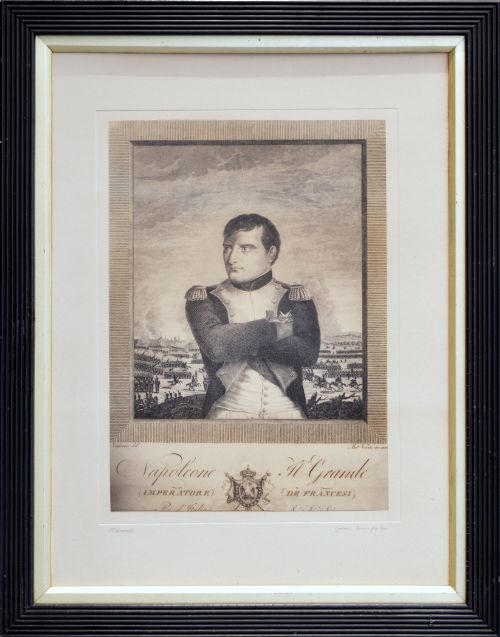
These prints capture the likenesses of monarchs, military commanders, and nobility after paintings by masters like Sir Godfrey Kneller and Sir Joshua Reynolds. They offer a distinct tactile depth unlike standard line engravings.
How should I hang antique prints?
Antique prints on paper require protection from direct sunlight to prevent the ink and any hand-colouring from fading. Hanging them on interior walls away from moisture sources ensures the paper substrate and wooden frames remain stable.
Using picture rails or secure wall anchors supports the weight of glazed wooden frames, particularly those featuring heavy giltwood or original timber mouldings. Regular inspection of the backing paper helps monitor environmental conditions.
Are these frames original?
Many listings specify original framing, such as Hogarth profiles or period giltwood surrounds dating from the 17th or 18th century. These enclosures were constructed specifically to house the paper sheet and protect the delicate surface from dust and handling.
Original frames exhibit appropriate wear and timber shrinkage consistent with their age. They contribute significantly to the historical context and overall integrity of the artwork.
How do I identify the period?
Dating relies on stylistic clues within the engraving, sitter attire, typography in the margins, and the construction methods of the frame. Biographical dates of the subjects and the active years of the engravers or publishers provide a reliable baseline for age.
Paper characteristics, watermark evidence, and the style of the plate mark further assist in confirming whether an item originates from the 17th, 18th, or 19th century. Comparative study with documented editions narrows the production window.