



Framed Floral Prints
Framed floral prints bring the quiet colour of botanical studies and still life arrangements directly onto the wall.
Framed Floral Prints
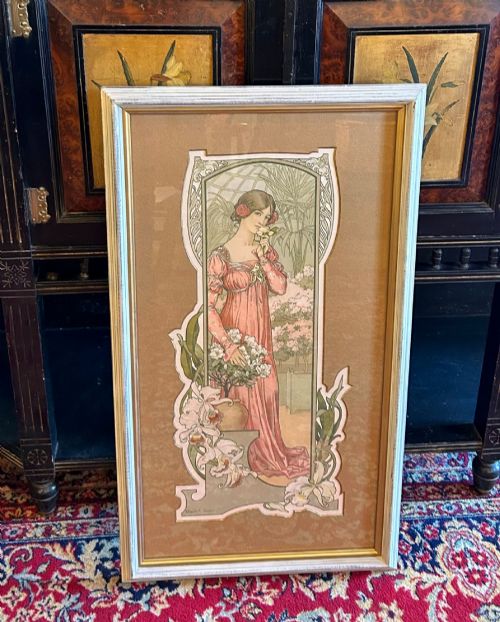
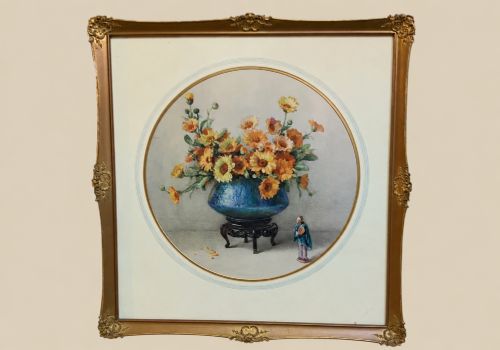
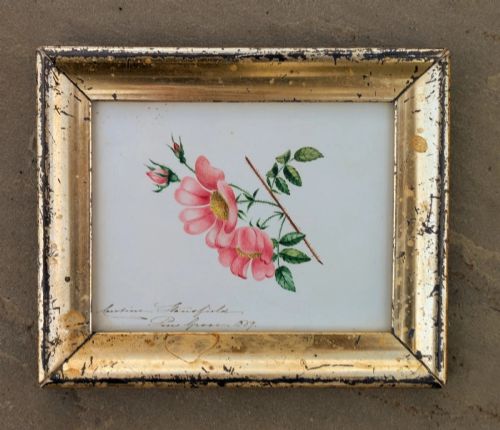
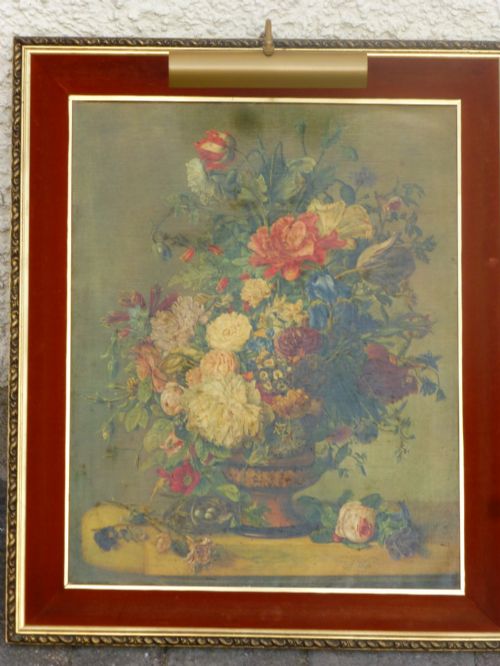
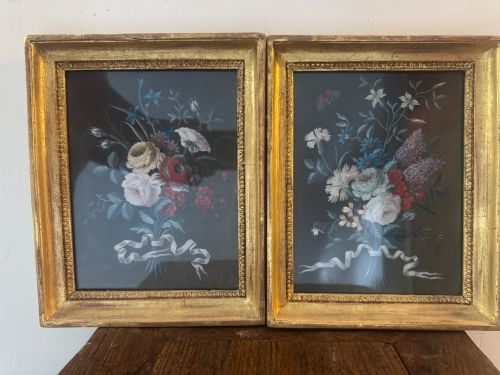
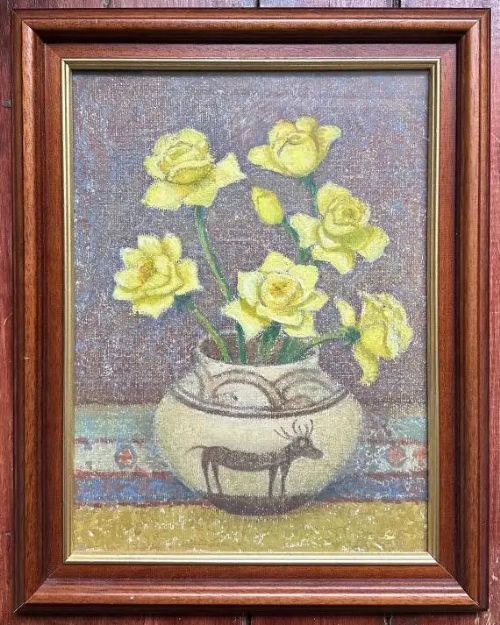
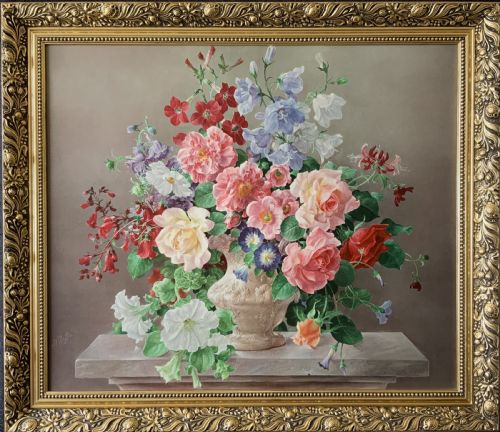
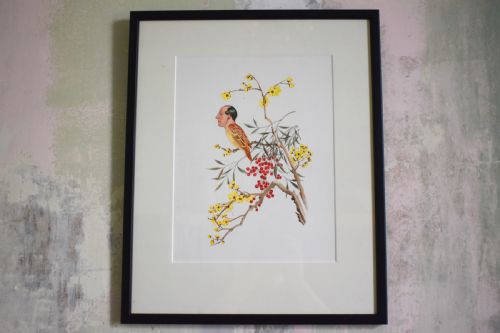
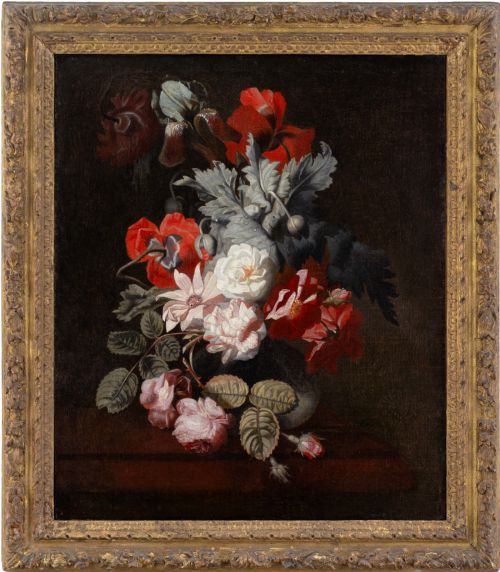
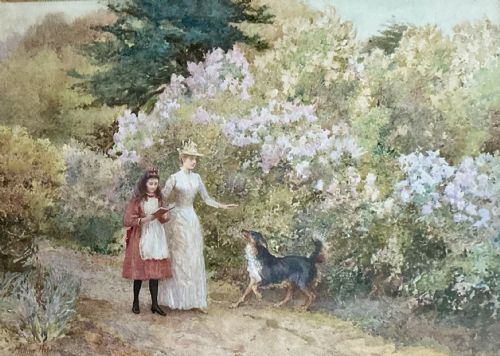
When you search for framed floral prints, you encounter a varied selection of wall art spanning multiple centuries, from 18th-century botanical engravings to 20th-century watercolours and oleographs. These pieces capture blooms, stems and garden scenes preserved behind glass within wooden or carved frames.
You meet Victorian botanical watercolours and mid-century prints most frequently on this page, often showing single flower species or composed still life vases. The formats range from intimate individual studies to sets of matched engravings and paintings designed for symmetrical display.
The origins stretch across English, Dutch and continental traditions, reflecting shifting tastes in natural history illustration and domestic interior decoration. Each piece combines pictorial representation with a protective housing that defines its presence as a finished wall piece.
Materials and methods
Makers utilised paper, canvas and wood panel as surfaces for watercolours, gouache, oils and lithographic inks. Hand-coloured engravings combined printed line work with delicate washes of pigment applied by brush.
Glazing with glass protected fragile watercolours and paper engravings from dust and atmospheric moisture while allowing clear visibility of the fine brushstrokes and plate marks. Frames fashioned from pine, mahogany and gilt wood provided structural support and visual definition.
Gold leaf and carved details enhanced the surrounds of finer works, whilst simpler wooden mouldings framed everyday botanical studies and decorative prints.
Several floral studies manage to include small insects sharing the blossom space, proving bugs have photobombed masterpieces for centuries.
Distinctions in quality
The precision of the botanical rendering and the sensitivity of the hand-colouring separate standard decorative prints from works by accomplished botanical artists and established painters. Fine brushwork in watercolours and gouache reveals anatomical accuracy in petals and leaves.
The integrity of the paper and the retention of original pigment vibrancy dictate the visual strength of older pieces, where fading alters the intended tonal balance. Associated frames that retain their original gilding or period timber finish contribute significantly to historical and aesthetic cohesion.
Elisabeth Sonrel·Anton Weiss·Harold Clayton·Simon Pietersz Verelst·Pancrace Bessa·John Curtis·Georg Wolfgang Knorr·Jane Utley·M K Rhodes·Lilian Stannard·Amy Reeve Fowkes·Helen Cordelia Angell·Wiliam Stephen Coleman·Owen Bowen·George Dionysius Ehert
The Framed Floral Prints Glossary
- Lithograph
- A print produced by drawing on limestone or metal plate with a greasy substance, allowing ink to adhere only to the drawn areas. This technique enabled the faithful reproduction of detailed botanical illustrations in multiple colours.
- Gouache
- An opaque water-based paint containing pigment mixed with water and a binding agent such as gum, often featuring in floral still life studies for its dense, matte finish.
- Oleograph
- A textured print produced by chromolithography on canvas to imitate the appearance and brush texture of an oil painting.
- Engraving
- An intaglio printmaking process where an artist cuts lines directly into a metal plate with a burin, producing sharp, precise botanical details when pressed onto paper.
Framed Floral Prints: Frequently Asked Questions
How do I date a floral print?
Dating relies on examining the paper type, printing technique, and framing methods characteristic of specific decades. Stylistic clues within the floral arrangement and artist signatures further anchor the piece in a particular period.
Engravings often bear publication dates in the margin, while watercolours display signatures and mounting styles typical of nineteenth or early twentieth-century conventions.
Where should I hang these artworks?
These pieces suit living rooms, studies, and hallways where gentle lighting enhances delicate watercolours and detailed engravings. Grouping sets together creates a balanced focal point on a wall.
Direct sunlight should be avoided to prevent fading on older paper and watercolour pigments.
What is the difference between an engraving and a watercolour?
An engraving is a printed reproduction created from an etched metal plate, sometimes finished with hand-applied colour washes. A watercolour is a unique painting executed directly onto paper by the artist.
Watercolours display individual brush texture, whereas engravings show fine printed lines and plate impressions.
How are these framed artworks constructed?
The assembly typically includes the primary artwork on paper or canvas, protected by glass and secured within a timber or gilt wood frame. A backing board holds the composition stable.
Many period pieces retain their original frames, which show age-appropriate wear and traditional construction methods.