



Framed Figure Study Painting
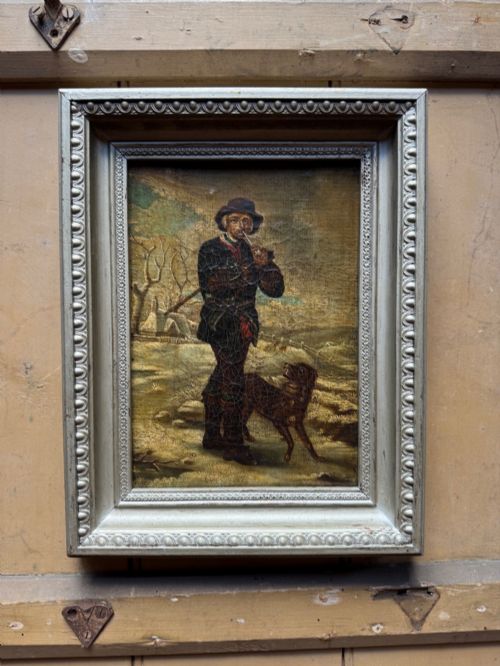
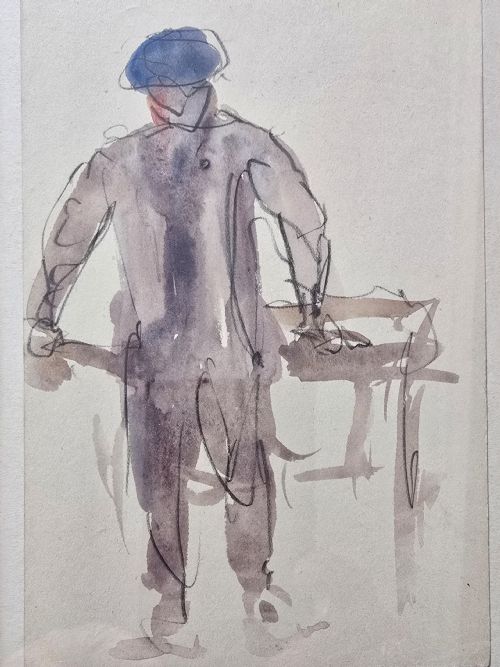
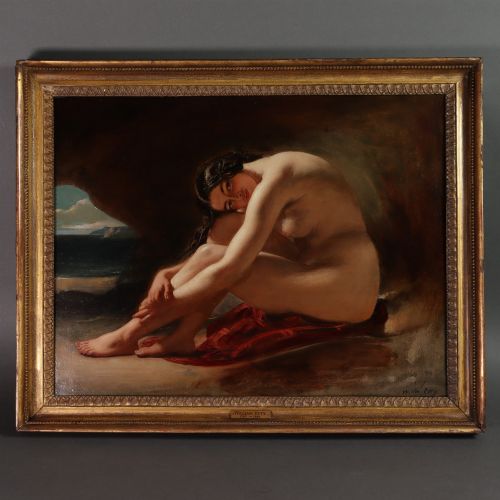
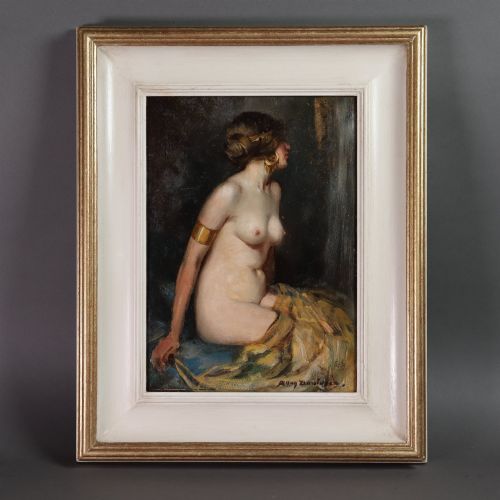
When you search for a framed figure study painting, you are looking at works that record the human form through oil, watercolour, and pastel from the eighteenth century onwards.
Framed Figure Study Painting
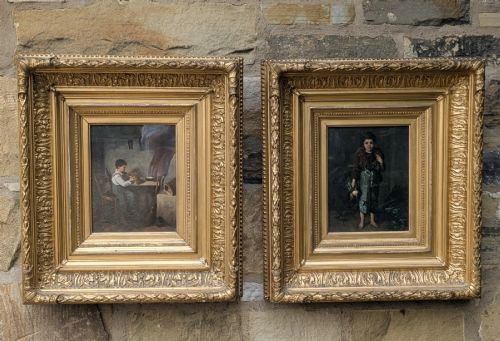
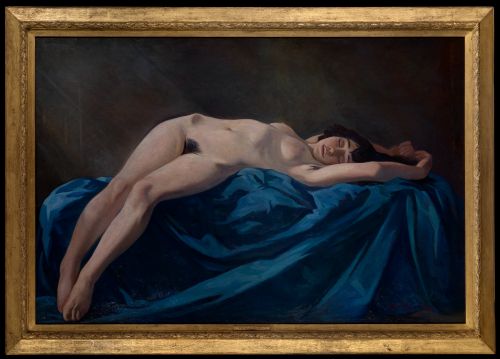
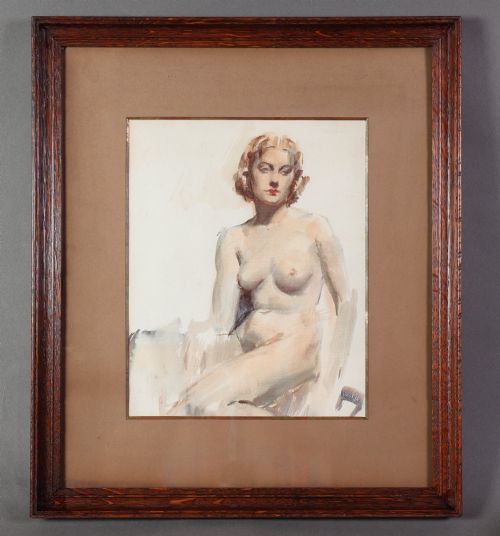
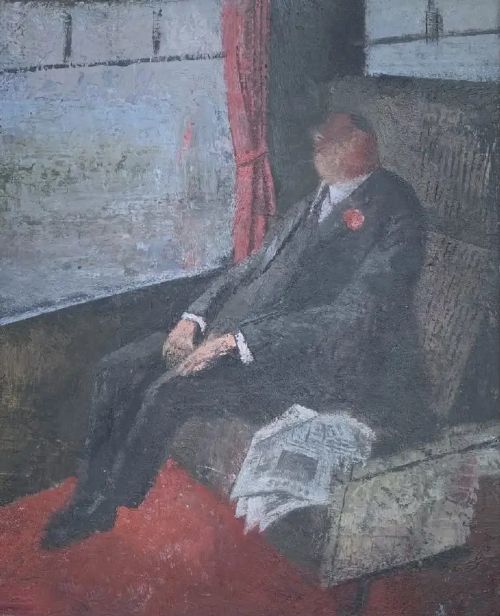
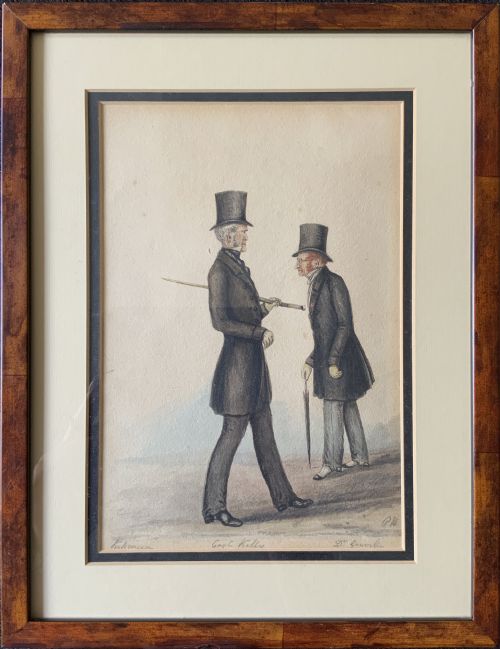
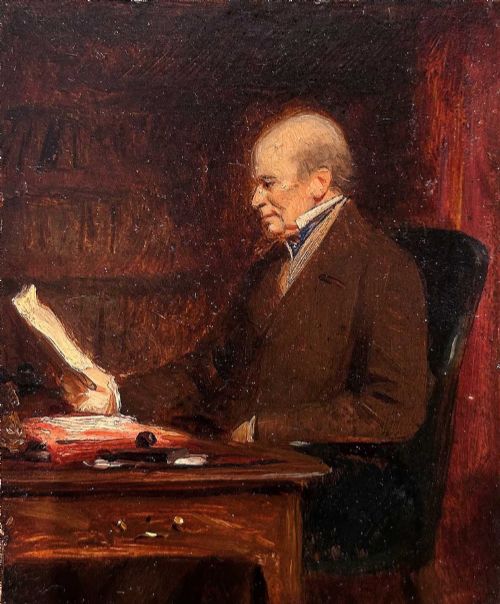
A framed figure study painting captures the human form, ranging from detailed academic sketches to finished portraits and nudes. When browsing this selection, you will encounter works spanning the eighteenth, nineteenth, and twentieth centuries.
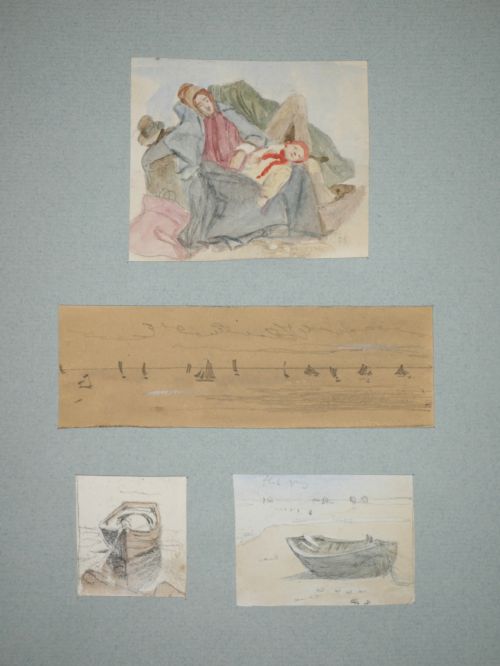
The objects take many forms, including oil paintings on canvas or panel, watercolours on paper, and pastel drawings. Many pieces originate from British and European schools, reflecting academic training or individual studio practice.
These works function as both preparatory exercises for larger compositions and as finished pieces in their own right. They offer direct insight into an artist's method of recording anatomy, posture, and expression.
Materials and Techniques
Artists executed these works on varied supports, utilising canvas, wood panels, paper, and board. Oil paint and watercolour dominate the selection, often complemented by ink, pastel, and pencil for preparatory lines.
Techniques range from rapid en grisaille sketches to layered oil applications and translucent watercolour washes. The framing typically incorporates wood and glass to protect fragile works on paper or canvas surfaces.
Listings feature works spanning from the eighteenth century through the mid-twentieth century, utilising oil, watercolour, and pastel on paper, canvas, and wood.
Assessing Quality and Execution
Quality rests in the sureness of the draftsmanship and the artist's ability to render volume, light, and anatomical proportion. Confident brushwork or fluid line work distinguishes masterly studies from stiffer, academic exercises.
The condition of the medium and the preservation of the original support influence the overall integrity of the piece. Works that retain their pigment vibrancy and show minimal surface degradation command greater regard.
James Smetham·Stephen Pearce·Alexandre Louis Martin·William Etty·Allan Douglas Davidson·James Clark·William Edward Frost·Bartolomeo Schedoni·Robert Richard Scanlan·Peter Paul Rubens·William Henry Hunt·Francis William Topham·Raymond Arthur Roadnight·Kershaw Schofield·Yetta Kane·Frank Dobson·Dame Laura Knight·Markey Robinson
The Framed Figure Study Painting Glossary
- Figure study
- An artwork created specifically to practice or depict the human body, often focusing on a single pose or specific anatomical feature.
- En grisaille
- A painting executed entirely in shades of grey or neutral monochrome, frequently used as a preparatory method or for decorative effect.
- Watercolour
- A painting method where fine pigment is suspended in a water-based solution, typically applied to paper supports.
- Academic
- Art produced under the influence of European academies of art, following strict rules of composition, drawing, and classical proportion.
Framed Figure Study Painting: Frequently Asked Questions
What is a figure study?
A figure study is an artwork focusing on the human body, created to examine anatomy, posture, and lighting.
These pieces range from quick compositional drafts to detailed portraits and nudes.
How do I date an antique painting?
Dating relies on stylistic evidence, artist signatures, framing methods, and the physical material of the support.
Examining the canvas weave, paper type, and pigments often helps narrow down the period of creation.
Are these works original art?
The selection consists of original hand-painted works, watercolours, and sketches rather than mass-produced prints.
Each piece bears the direct touch of the artist through brushstrokes, ink lines, or pigment applications.
How should I care for works on paper?
Works on paper require protection from direct sunlight to prevent fading of watercolours and pastels.
Keeping them behind glass in stable indoor environments helps preserve the delicate support materials.