

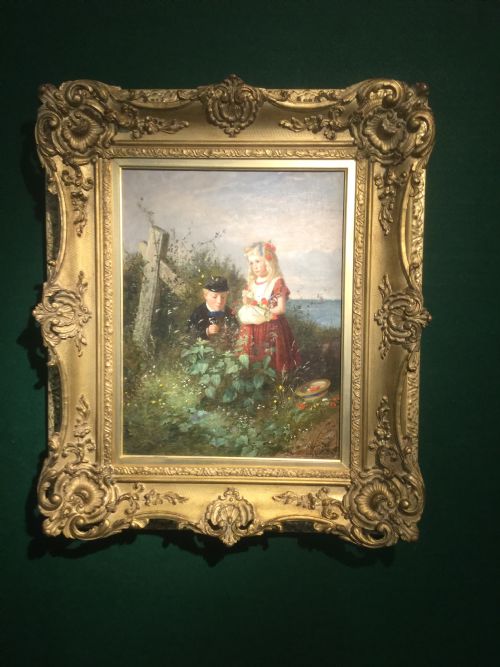


Framed Figural Painting
A framed figural painting brings human presence and narrative depth to a room through portraits, genre scenes, and watercolours set in period wood and gilt frames.
Framed Figural Painting
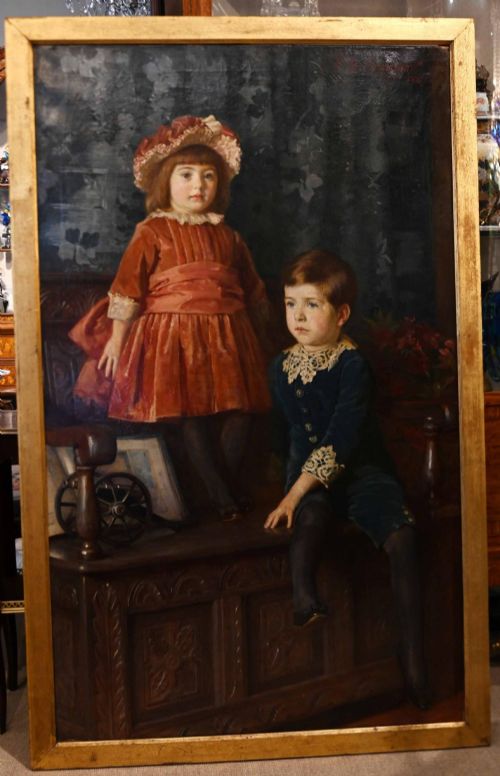
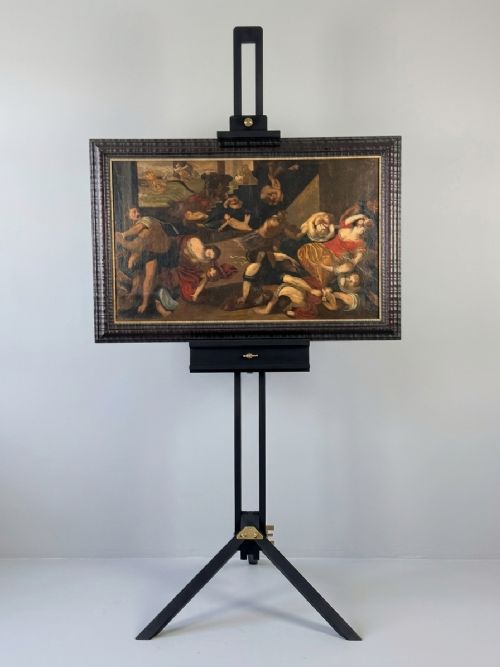
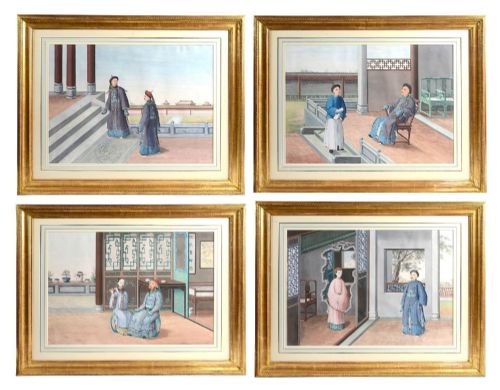
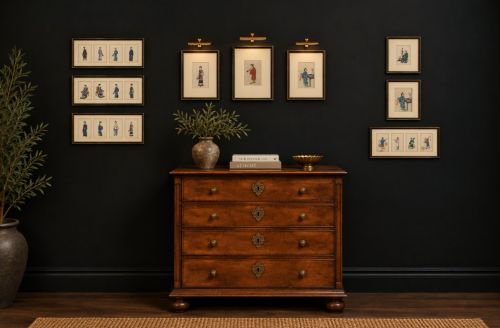
A framed figural painting encompasses works depicting people, from Victorian genre scenes and portraits to Chinese pith paper paintings and watercolours. You will frequently encounter nineteenth-century portraits and watercolours housed in wood or gilt wood frames.
The selection spans periods from the seventeenth century through to the twentieth century, including Regency, Victorian, and later British and European works. Chinese export art and Japanese watercolours also feature among the offerings.
Subjects range from individual portraits and figures in interiors to narrative compositions such as genre paintings of gentlemen outside a house or fisherwomen by the coast. These artworks combine historical portraiture and narrative genre studies within traditional framing.
Materials and construction
Paintings are executed in oil on canvas, oil on panel, and watercolour on paper, alongside specialised mediums like pith paper and reverse painting on glass. Supports include traditional canvas stretched over wood frames, heavy paper, and delicate plant-derived pith.
Frames are constructed from wood and finished with gilt, providing structural housing and decorative borders that complement the artwork within. The combination of oil paint, watercolour, and glass protects the pictorial surface while defining the visual boundary of the piece.
Framed Figural Painting Retail Price Guide 2026
Typical asking prices for framed figural painting among the pieces listed under this phrase on Sellingantiques today, from the lower quarter to the upper quarter. They describe what is for sale here now, not the wider market.
The selection includes British and European schools alongside Chinese export pith paintings and Japanese watercolours.
Distinctions in quality
The integrity of the accompanying frame and the harmony between the artwork and its mounting also influence the standing of the piece. Intricate gilt wood framing that is contemporary to the painting elevates the presentation compared to later or replaced surrounds.
FS Beaumont·Charles Hunt·Philip Richard Morris·John Robert Dicksee·Vincenzo Irolli·James Hardy Junior·Phyllis Morgans·Noel Quintavalle·Madeline Hughes·John R Houston·Charles Edward Wilson·Walter Dendy Sadler·Joseph Emmanuel Weiser·Muriel Metcalfe·Geisler Munchen
The Framed Figural Painting Glossary
- Genre painting
- A representation of scenes from everyday life, typically depicting ordinary people engaged in common activities. These works capture social interactions and domestic moments rather than formal portraits.
- Pith paper painting
- An artwork created on a delicate, spongy substance derived from the pith of the Tetrapanax papyrifer plant. These delicate Chinese export paintings often feature vibrant pigments applied to the fibrous surface.
- Reverse painting on glass
- A technique where the image is painted directly onto the back of a glass panel so that the finished composition is viewed through the transparent front. This method imparts a glossy surface and distinct sheen.
- Gilt wood
- Wood that has been coated with a thin layer of gold leaf or gold paint for decorative effect. It is commonly utilised for ornate period picture frames.
- Watercolour
- A paint consisting of colourants suspended in a water-soluble vehicle, typically applied to paper supports. It yields transparent washes and delicate tonal gradations.
Framed Figural Painting: Frequently Asked Questions
What subjects appear in these paintings?
These works depict human subjects, including individual portraits, dancers, children, and domestic workers. Narrative genre scenes show daily life and social interactions in various settings.
Other examples focus on regional figures, such as Dutch fisherwomen, Scottish inn visitors, and subjects from Chinese and Japanese traditions.
How do I identify the period of a painting?
Dating relies on stylistic clues, artist signatures, clothing styles, and framing materials. Victorian works often display specific narrative or genre characteristics typical of the nineteenth century.
Earlier pieces from the seventeenth and eighteenth centuries show distinct handling of canvas and pigment, while later twentieth-century works reflect modernist influences.
Are the frames original to the art?
Many pieces retain their period wood or gilt wood frames, which help date the artwork. Gilt frames from the Victorian era often match the production period of the canvas or watercolour.
Some works may have been reframed later in their history to suit changing interior decoration tastes.
How should I display a watercolour painting?
Watercolours on paper require protection from direct sunlight to prevent fading of delicate pigments. Framing behind glass with acid-free mounts preserves the paper and prevents environmental damage.
Placement should be in a room with stable humidity away from direct heat sources.