

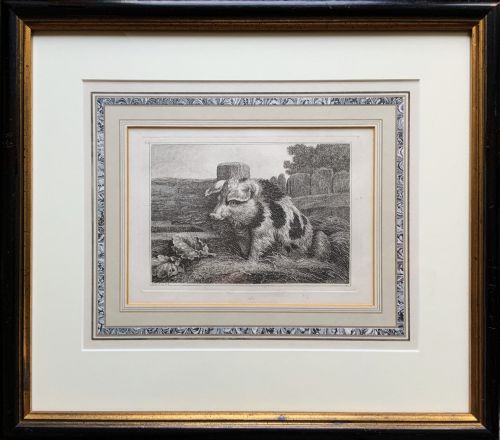
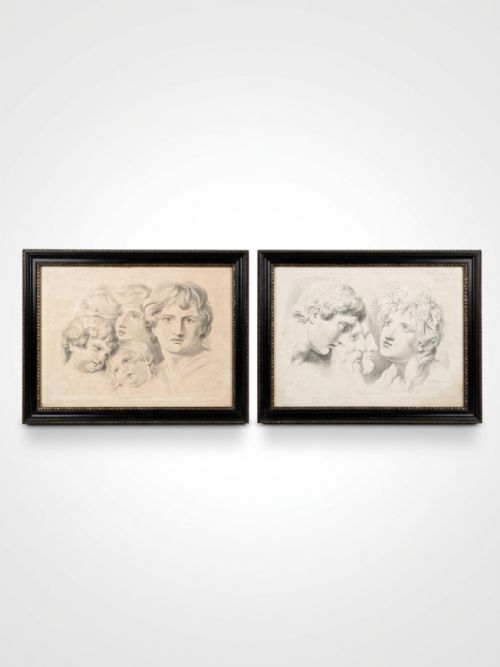
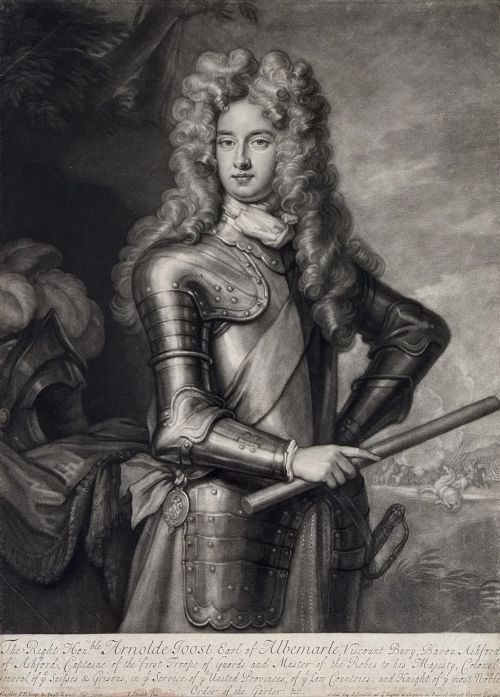
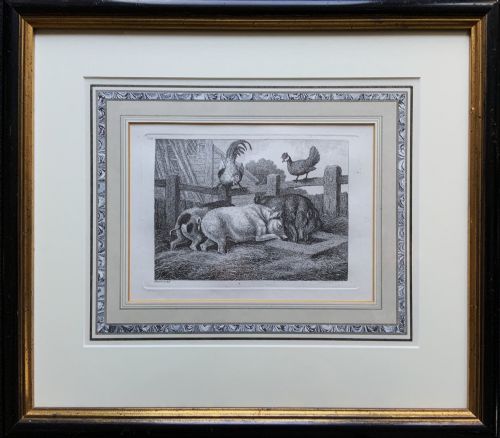
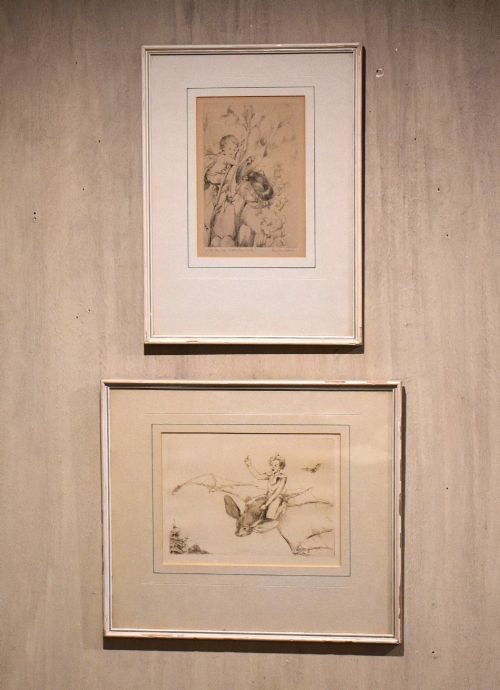
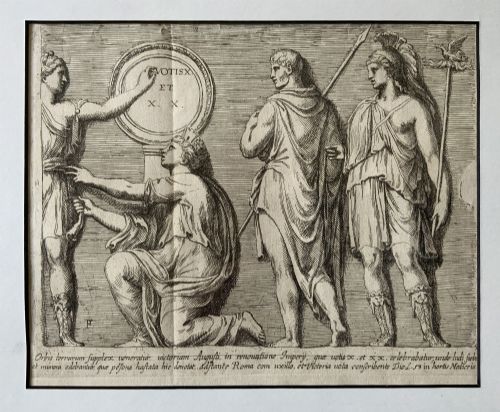
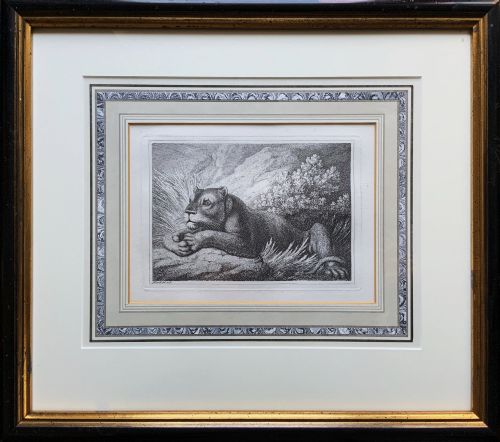
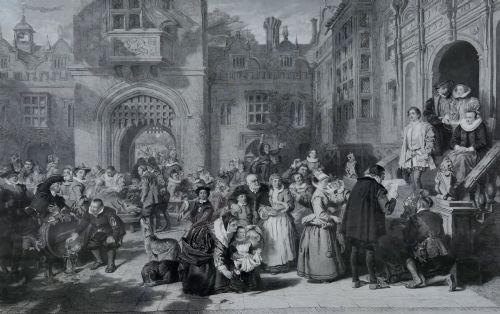

Framed Etching Print
When you choose a framed etching print, you acquire centuries of ink on paper preserved beneath glass within timber.
Framed Etching Print
A framed etching print brings centuries-old ink work into domestic spaces, uniting paper imagery with period framing.
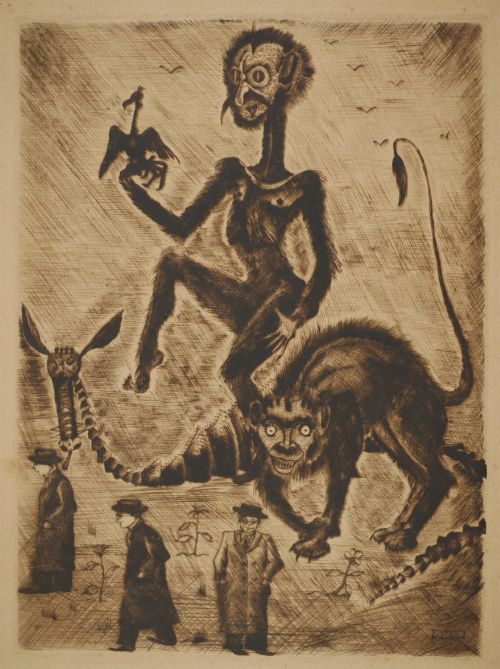
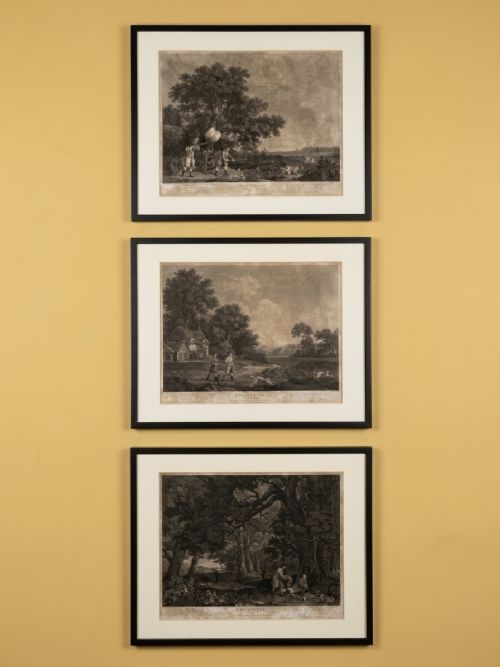
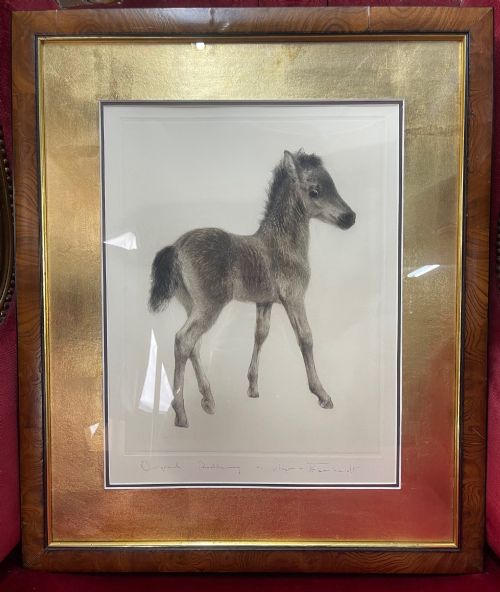
The selection ranges from seventeenth-century Baroque plates and eighteenth-century portraits to early twentieth-century drypoints and animal studies.
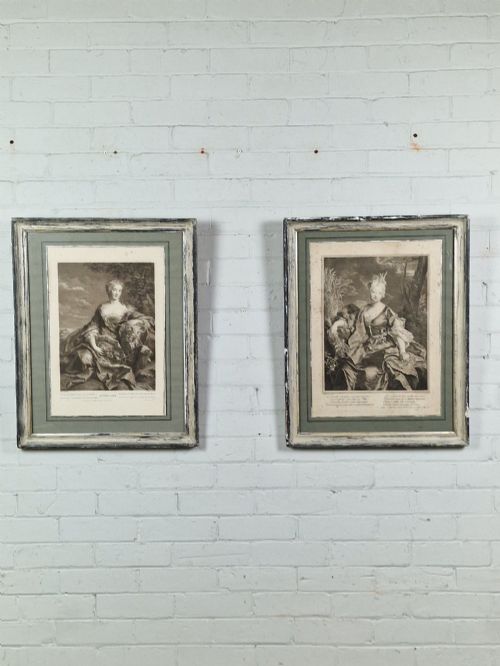
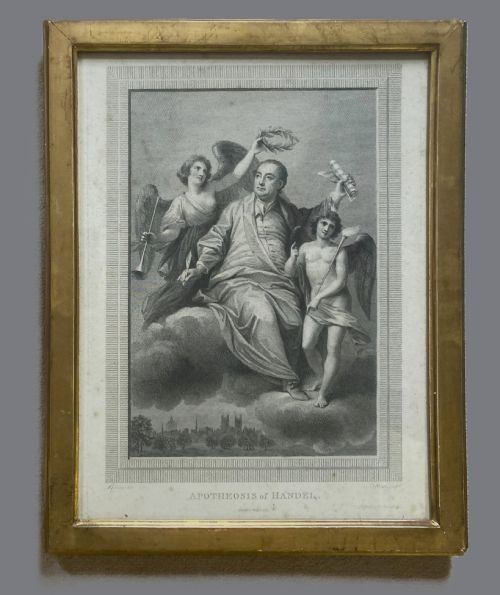
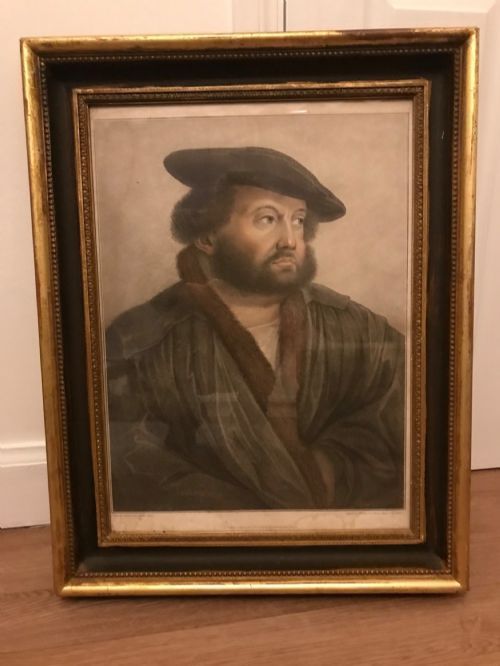
Buyers encounter works housed in original Hogarth mouldings, oak surrounds, and gilded wooden frames that complement the tonal depth of the prints.
Materials and Technique
Makers inked etched metal plates and pressed them onto paper or vellum, occasionally applying watercolour by hand to the finished impressions.
Framing utilises glass to protect the delicate paper surface, held within wooden mouldings such as oak and gilt wood.
Framed Etching Print Retail Price Guide 2026
Typical asking prices for framed etching print among the pieces listed under this phrase on Sellingantiques today, from the lower quarter to the upper quarter. They describe what is for sale here now, not the wider market.
Listings span from the seventeenth century through to the early twentieth century, incorporating paper, ink, glass, oak, and gilt wood.
Assessing Quality
Quality rests upon the crispness of the ink impression transferred from the plate and the preservation of the paper beneath the glass.
The relationship between the print and its period housing elevates the piece, particularly when retaining an original Hogarth or carved wooden frame.
Marjorie L Davies·John Smith·Sir Godfrey Kneller·Samuel Howitt·François Perrier·William Woollett·George Stubbs·Kurt Lorein Victor Peiser·Edward Fisher·Sir Joshua Reynolds·Francesco Bartolozzi·James Heath·Biaggio Rebecca·Kurt Meyer Eberhardt·Robert W Macbeth·Herbert Dicksee·John Faber Jr·Johannes Lingelbach·Étienne Baudet·Louis Icart·Le Brun·Ridinger·William Hogarth
The Framed Etching Print Glossary
- Etching
- A printmaking method where acid bites lines into a metal plate to hold ink. Artists ink the recessed grooves before running the plate through a press onto paper.
- Drypoint
- A sharp needle scratched directly into copper or zinc without acid. This technique raises a burr of metal that yields soft, velvety lines when printed.
- Mezzotint
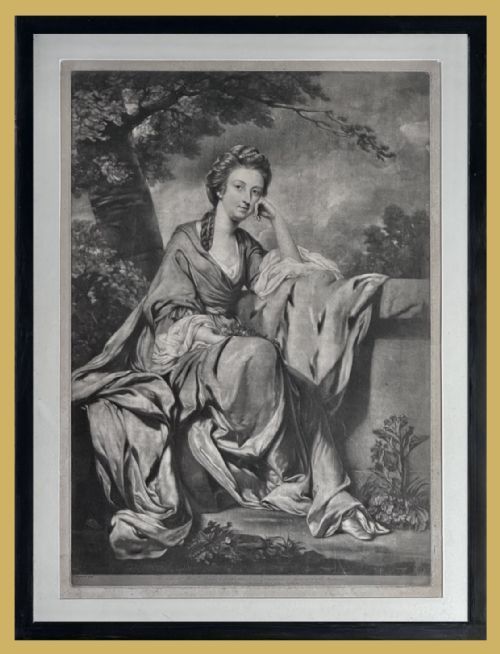
- A tone-producing print process where the plate is roughened entirely to print solid black, then scraped back for lighter areas. This creates rich gradations of shade.
- Stipple engraving
- A method using dots rather than continuous lines to build form and tone. It frequently reproduces chalk drawings and delicate portraits.
- Artists proof
- An early impression pulled before the main edition is printed, often kept by the creator. These carry particular significance for collectors.
Framed Etching Print: Frequently Asked Questions
How do I care for framed prints?
Keep works away from direct sunlight to prevent the ink and paper from fading over time. Maintain stable room temperatures to protect both the paper and the wooden framing.
Ensure that hanging locations remain free from dampness, which can cause foxing spots on the paper surface.
What framing styles do I find here?
Pieces often retain period surrounds, including dark wooden Hogarth mouldings and heavy oak frames. Gilt wood and simple carved edgings also appear frequently across the collection.
The glass protects the fragile paper sheet while allowing the detailed ink lines and plate marks to remain clearly visible.
How do I distinguish different print techniques?
Etchings display fine, acid-bitten lines with sharp edges, whereas mezzotints present rich, velvety expanses of tone without harsh lines. Drypoints reveal a distinct blurred richness caused by metal burrs displaced during scratching.
Examining the paper through the glass with a magnifying glass often reveals plate marks pressed into the sheet borders.