
Framed Engraving Art
Framed engraving art encompasses centuries of historic printed plates and portraits preserved behind glass in period surrounds.
Framed Engraving Art
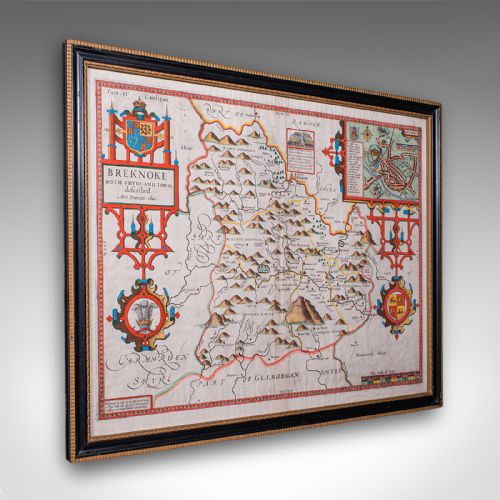
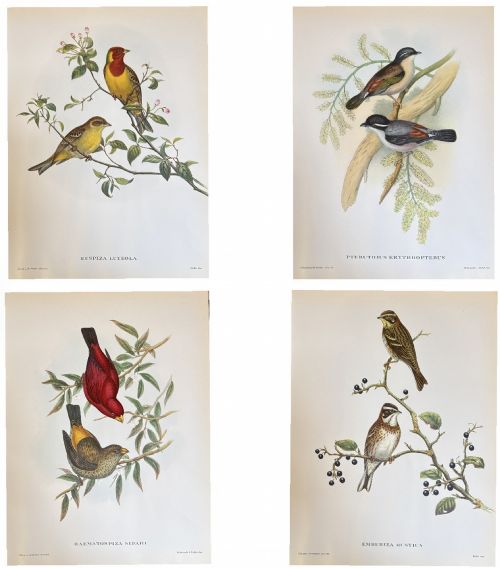
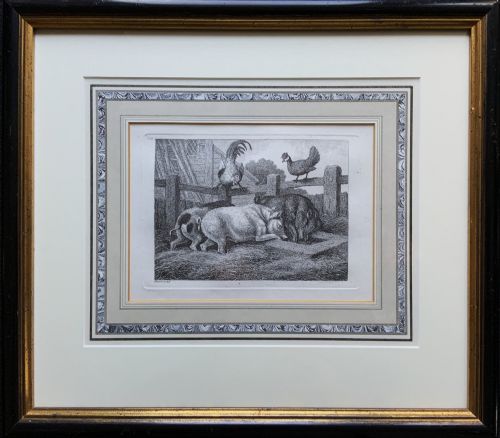
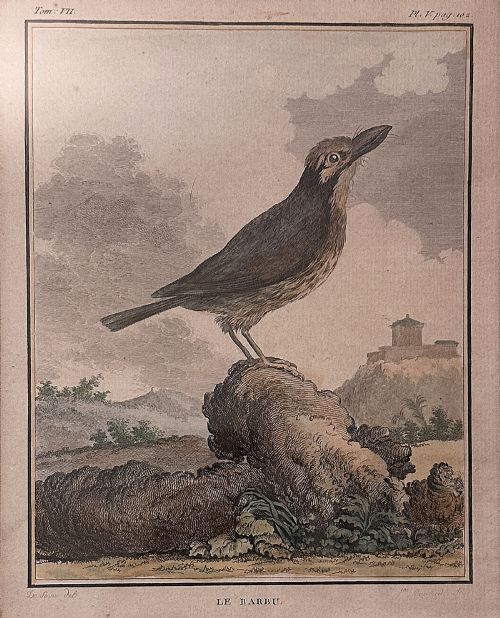
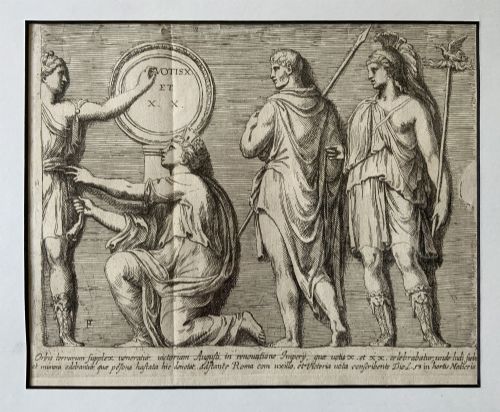
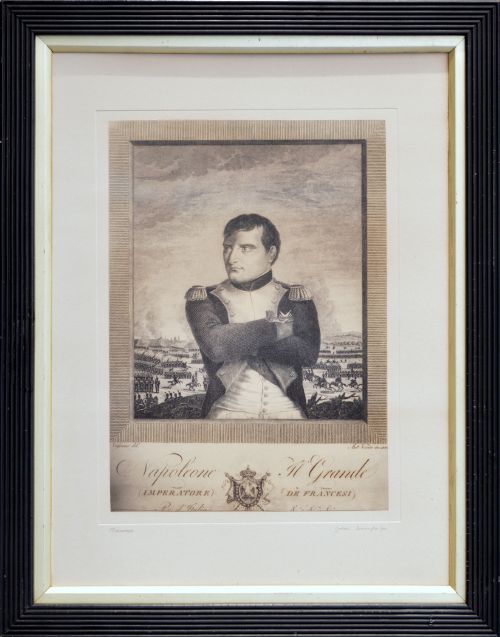
When searching for framed engraving art, collectors encounter historic printed paper works originating predominantly from the seventeenth, eighteenth and nineteenth centuries. These pieces encompass portraiture, topographical views, anatomical studies, bird specimens and classical allegories produced across British, French and continental European workshops.
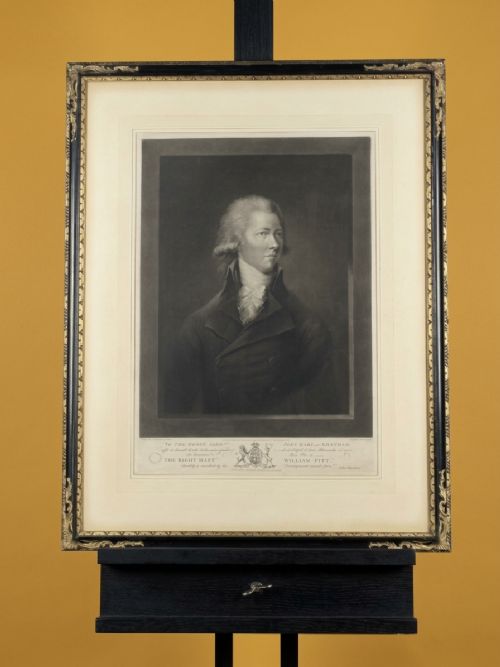
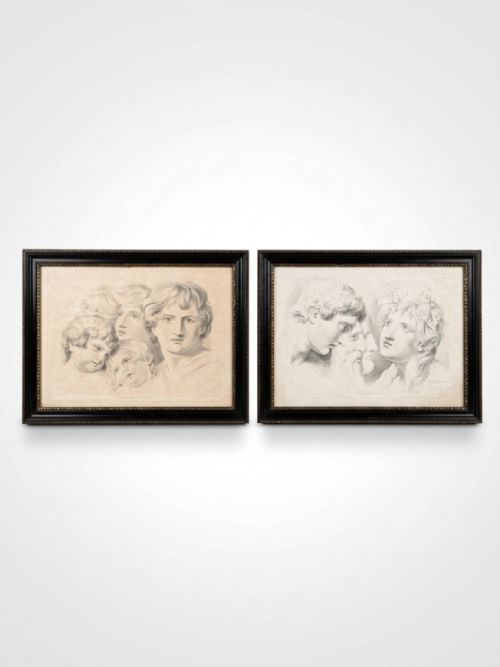
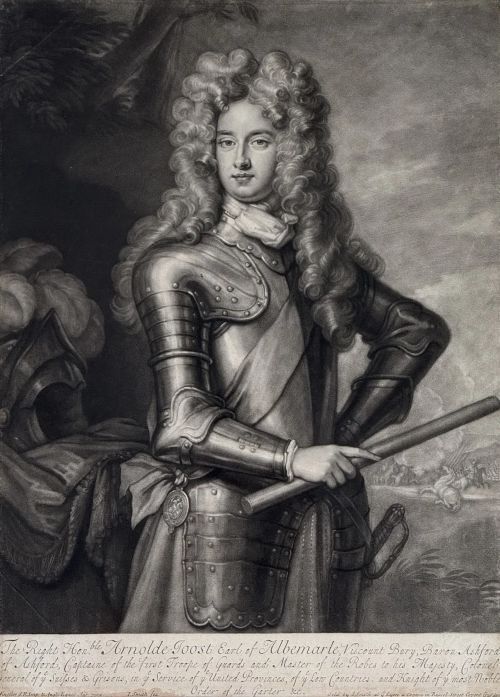
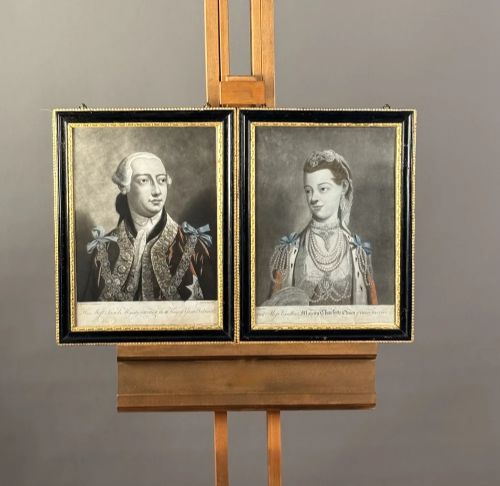
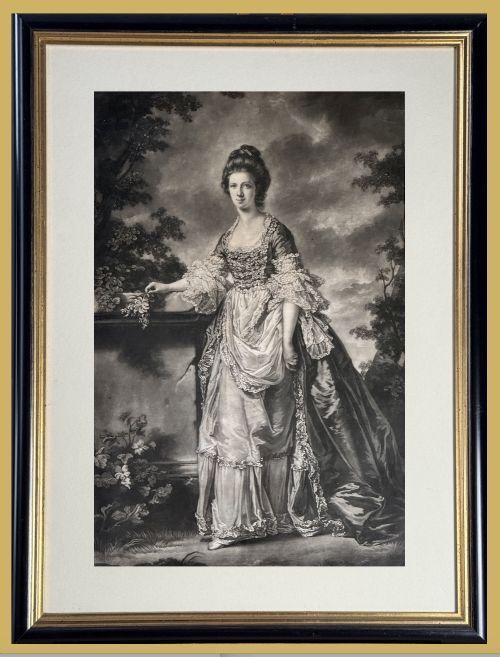
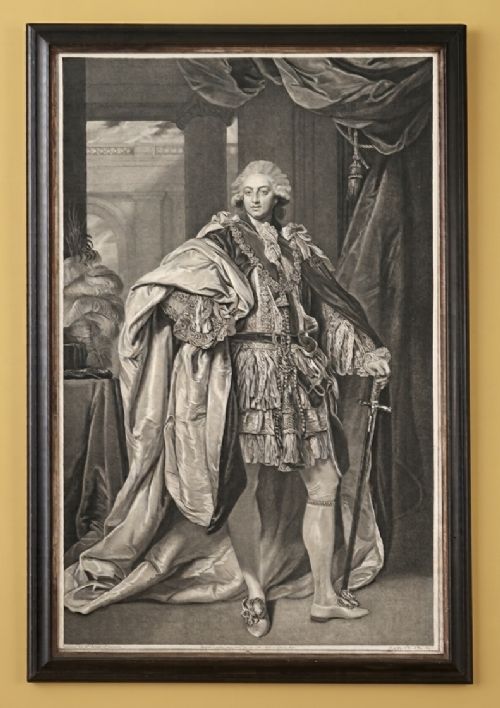
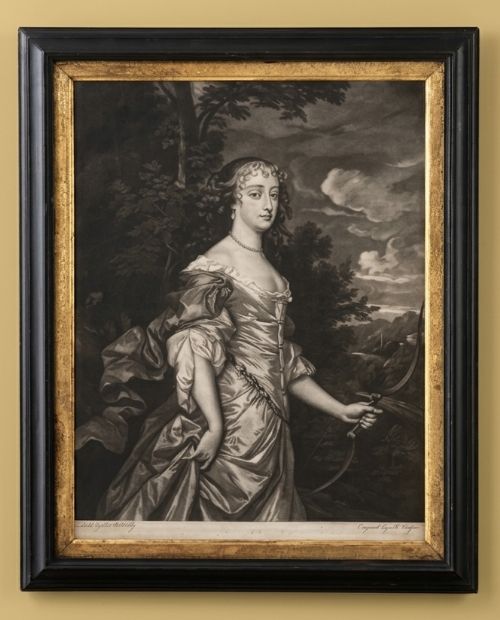
The version most commonly met on this page is the eighteenth-century mezzotint portrait, frequently after painters such as Sir Joshua Reynolds or Sir Godfrey Kneller. Alongside these portrait plates, buyers find nineteenth-century lithographs, early twentieth-century architectural plates and decorative pairs of French engravings.
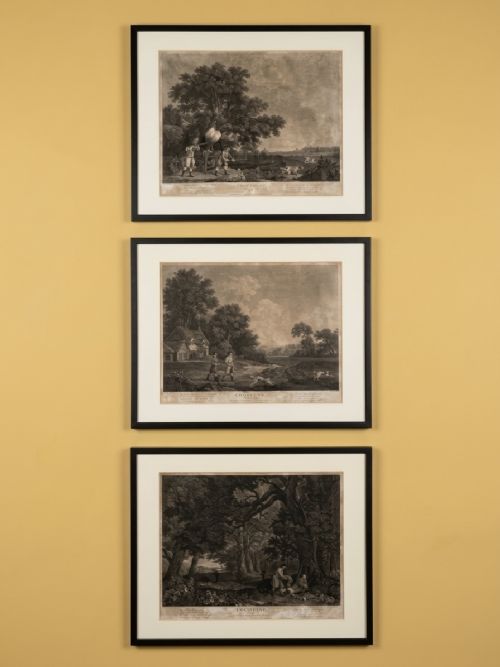
Beyond standard paper sheets, rarer examples utilise alternate supports including silk. Wall formats range from single framed prints to matched sets of six depicting exotic birds or royal subjects.
Materials and Techniques
Makers produced these works by carving lines or tones into copper plates using burins, etching acids or rocker tools for mezzotints, then applying dark ink onto dampened paper under heavy press pressure. Many historical examples received subsequent hand colouring using watercolour washes applied directly to the printed surface.
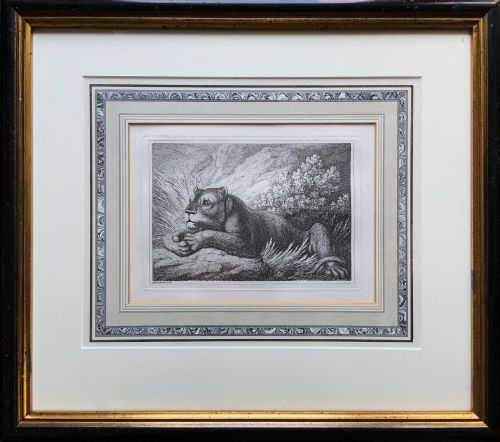
Surrounds relied on traditional joinery using timber frames, occasionally finished with gold leaf, gilt wood or gilt layers. Protection came from fitted glass panes held against the paper or silk within the frame rebate.
An eighteenth-century anatomist's skeleton engraving shares space on the wall with playful portraits of pigeons and polo matches.
Variations in Quality
The integrity of the original framing contributes significantly to the piece, particularly where period giltwood or Hogarth moulding surrounds remain undisturbed. Hand colouring applied contemporaneously adds desirability compared to later amateur tinting.
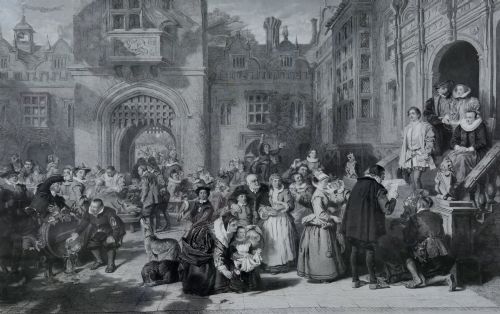
John Simon·Edward Fisher·Kurt Lorein Victor Peiser·John Boydell·James Watson·Francesco Bartolozzi·Jean Mariette·John Smith·Fletcher·Joseph Sympson·John Bowles·Valentine Green·Jiohan Elis Haid·W Dickinson·Andrew Bell·John Faber Snr·Purcell·James McArdell·Thomas Frye·Richard Purcell·James Heath·Biaggio Rebecca·Thomas Watson·Kurt Meyer-Eberhardt·William Powell Frith
The Framed Engraving Art Glossary
- Mezzotint
- A printmaking method where the copper plate is roughened uniformly to hold ink for rich dark areas, then scraped to produce highlights. This technique allows for subtle gradations of tone, particularly valued in portraiture.
- Stipple engraving
- A method of creating images on metal plates using dots rather than continuous lines to build form and tone. It creates a soft, chalk-like effect popular in late eighteenth-century portrait plates.
- Drypoint
- An intaglio printmaking process where an artist scratches directly into a metal plate with a sharp needle, raising a burr that holds ink. This produces velvety lines characteristic of early twentieth-century prints.
- Giltwood
- Wood carved and coated with gold leaf or metallic powder to create a bright decorative surface. It frequently frames eighteenth-century and nineteenth-century portraits and views.
- Lithography
- A planographic printing process based on the chemical repulsion of oil and water on a limestone slab or metal plate. It enabled detailed nineteenth-century illustrative plates and sports scenes.
Framed Engraving Art: Frequently Asked Questions
How should I hang framed engraving art safely?
Hang these works away from direct sunlight to prevent fading of the ink and paper over time. Ensure the wall fixings match the weight of the timber and glass surround.
Use sturdy picture wire attached securely to the frame structure rather than the backing board. Keep the room humidity stable to protect both the historic paper and the wooden frame.
What is the difference between an engraving and a mezzotint?
An engraving uses a sharp metal tool called a burin to cut clean lines directly into a copper plate. This produces precise, linear images suited to architectural plates and scientific diagrams.
A mezzotint works in reverse by roughening the entire plate first and scraping away areas for light. This creates smooth, shadowy tones that made it the preferred medium for dramatic portraits.
Can I remove prints from their original frames?
Removing historical prints from their original frames risks damaging the paper, the backing materials and the antique timber moulding. Many older pieces rely on historic mountings and sealing papers that preserve their context.
Leave the assembly intact whenever possible to maintain the historical integrity of the piece. If conservation work is required, consult a professional paper conservator rather than opening the frame at home.
How do I identify the period of a framed print?
Check the paper type, plate marks, and any engraved lettering along the bottom margin which often records the publisher, artist, and publication date. Hand-laid paper with visible chain lines typically indicates work produced before the nineteenth century.
The style of the frame, the framing techniques, and the typography of any sitter inscriptions provide additional clues to the era of production.