
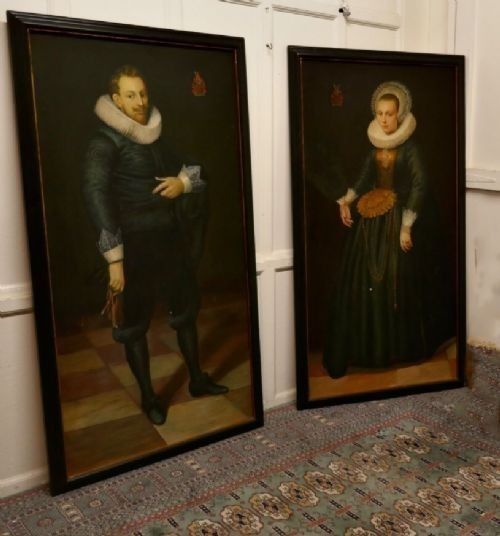
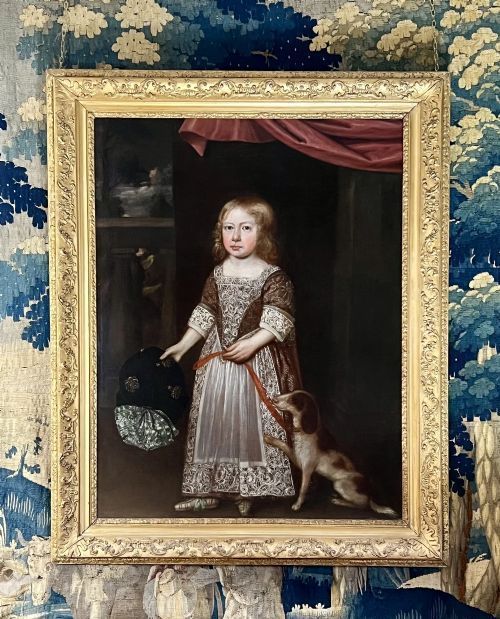
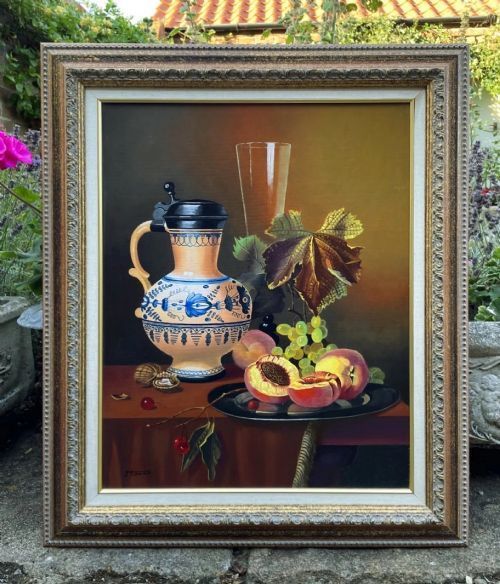
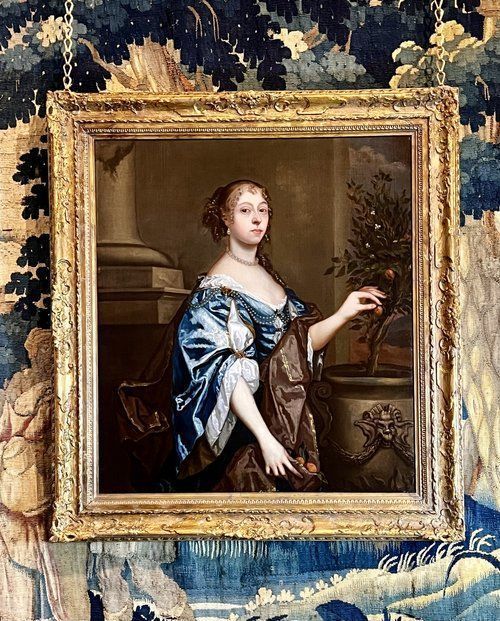
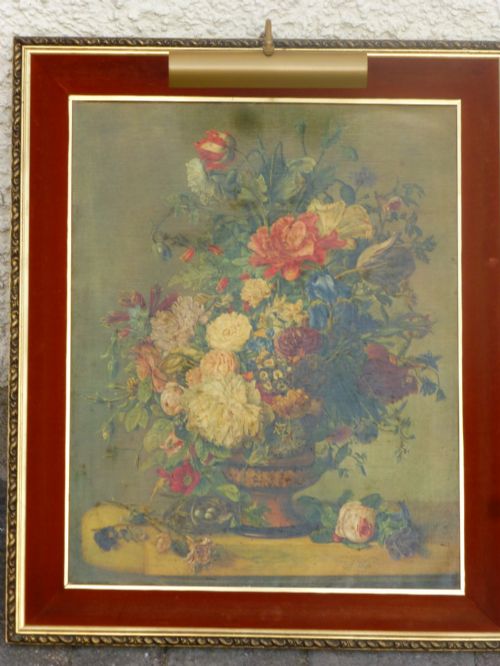
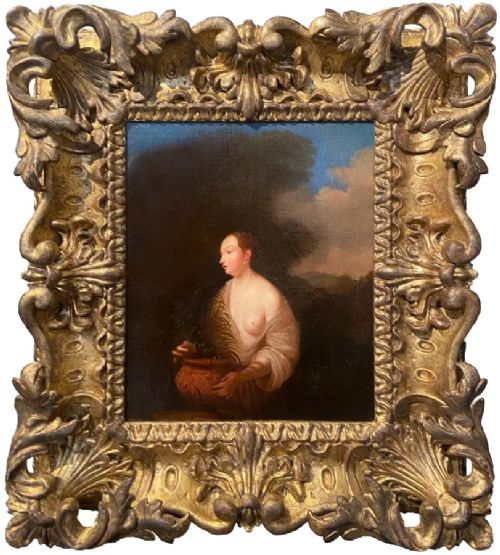
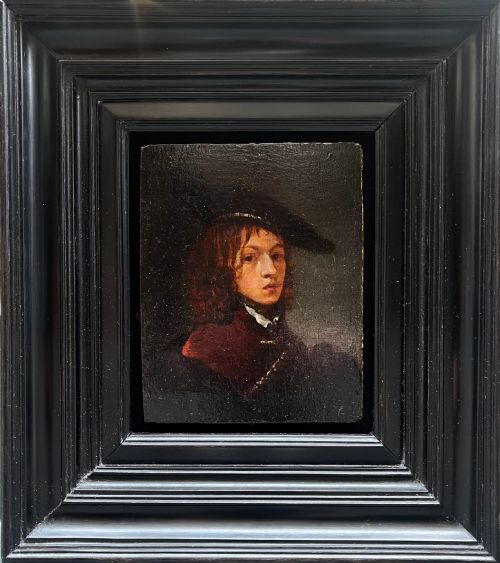
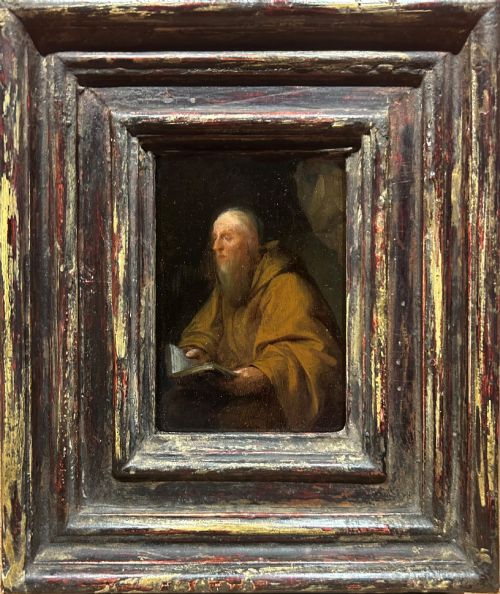



Framed Dutch Master Portrait
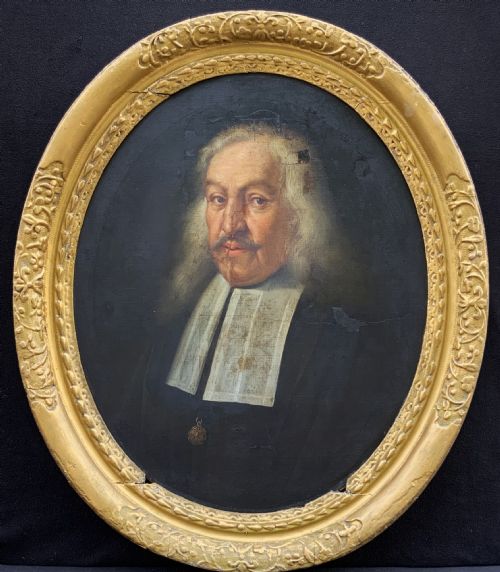
When you select a framed dutch master portrait, you bring home centuries of low-lit oil paint and heavy wood frames capturing aristocratic gravity.
Framed Dutch Master Portrait
A framed dutch master portrait places historical figures, nobles, and ordinary citizens within your space, drawing from the artistic traditions of the seventeenth century and subsequent revival periods. These works emerge primarily as oil paintings on canvas or panel, alongside period engravings and later interpretations.
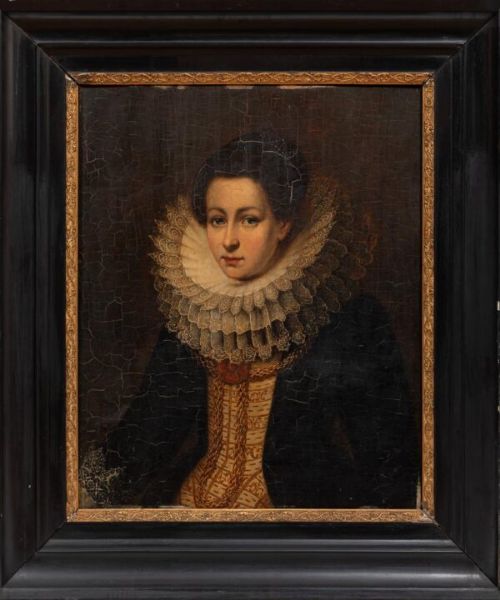
The selections available range from seventeenth-century originals and circle pieces to nineteenth-century copies and twentieth-century oleographs created in the Dutch Golden Age style. Subjects wear ruffled collars, heavy silks, or work clothes, framed in giltwood or dark moulded wood.
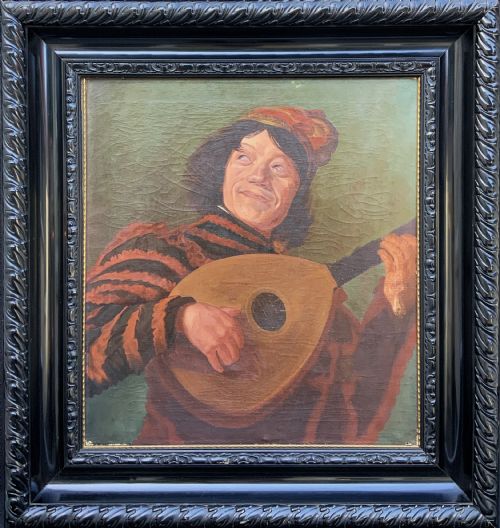
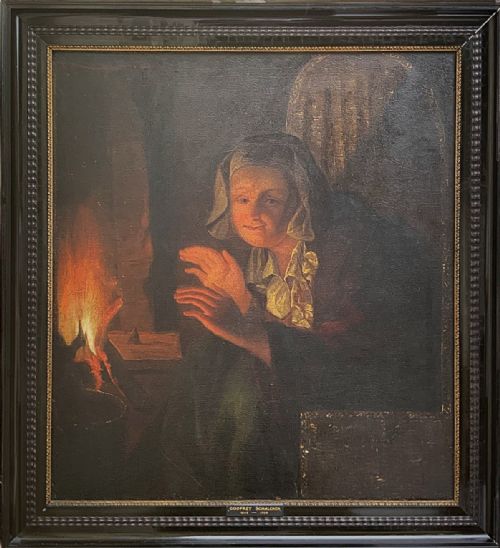
Buyers encounter everything from formal aristocratic likenesses to tavern scenes and intimate character studies. Each piece carries the distinct dark backgrounds and dramatic lighting characteristic of the Northern European school.
Materials and methods
Painters of these works utilised oil paint on stretched canvas, wood panels, or vinyl canvas, building depth through successive layers of glaze. Pigments were worked into rich, dark tones to create the signature chiaroscuro effect found across the genre.
Frames are constructed from wood and embellished with gold leaf, gilt, or giltwood mouldings that complement the deep palette of the central canvas. Engravings on paper utilise fine line work, capturing detail through inked plates pressed onto sheets.
Listings feature works spanning from the seventeenth century through to 1960, executed in oil, engraving, and drawing.
Distinctions in execution
The skill of the brushwork defines the upper tier, where facial expressions, fabric textures like satin and lace, and the fall of light demonstrate mastery of anatomy and atmosphere. Studio pieces and later nineteenth-century copies vary in the looseness and confidence of their execution.
Original seventeenth-century surfaces hold age-related craquelure and depth that later reproductions or mid-century oleographs lack. The quality of the framing, from heavy carved giltwood to simpler period mouldings, further distinguishes individual pieces.
Pieter Borsseler·Nicolaes Maes·Cornelis Van Der Voort·David Teniers The Younger·Frans Hals
The Framed Dutch Master Portrait Glossary
- Chiaroscuro
- The use of strong contrasts between light and dark to give a sense of volume to figures and subjects. This technique forms the foundation of Dutch Golden Age painting.
- Giltwood
- Wood that has been coated with gold leaf or a gold-coloured metallic finish. It frames many of the finer oil paintings from this tradition.
- Ruff
- A pleated starched collar worn by nobility and prosperous citizens during the late sixteenth and seventeenth centuries. Intricate examples signal high social status in portraits.
- Oleograph
- A mechanical print textured to imitate an oil painting on canvas. These appear in later interpretations of master works.
- Circle of
- A designation indicating the work was produced by an artist closely associated with a master, sharing their exact studio style and methods.
Framed Dutch Master Portrait: Frequently Asked Questions
Are these works painted on wood or canvas?
Surviving supports include both stretched canvas and solid wood panels, depending on the specific period and workshop practices of the artist.
Seventeenth-century originals frequently utilise wooden panels or heavy canvas, while later nineteenth-century interpretations and twentieth-century pieces lean towards standard canvas or alternative supports.
How do I identify a seventeenth-century original?
Originals display period pigments, natural craquelure across the oil surface, and canvas preparation consistent with historical workshops rather than modern mechanical weaves.
Attributions often point toward the circle of a known master, supported by framing materials and historical documentation where available.
What is the difference between an original and a later copy?
Period copies and later nineteenth-century studies were painted by artists learning the techniques of masters like Rembrandt or Frans Hals.
While they share the visual subject matter, brushwork confidence, material ageing, and pigment composition separate contemporary studio output from historical reproductions.
How should I hang a heavy giltwood frame?
These pieces require secure wall anchors capable of supporting the substantial weight of dense wood and plaster gilt frames.
Positioning them away from direct sunlight protects the oil layers and gold leaf from environmental degradation over time.