
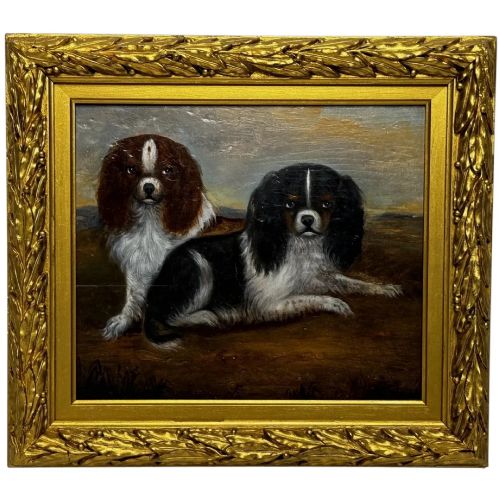
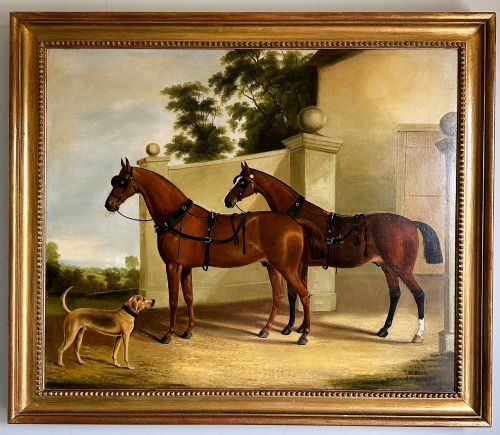
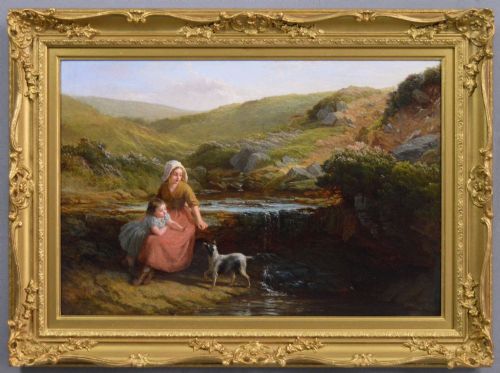
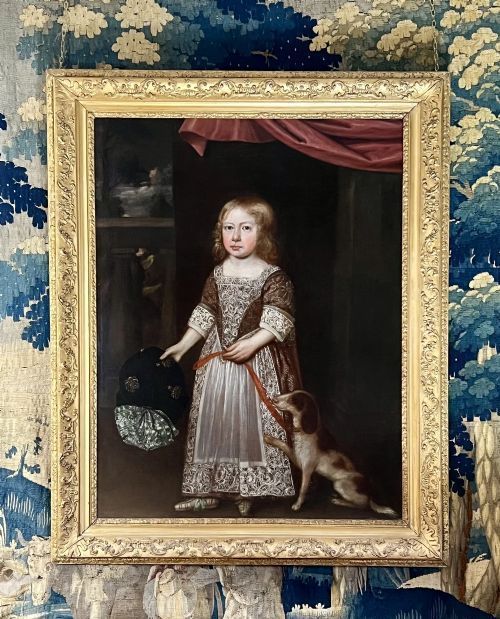

Framed Dog Painting
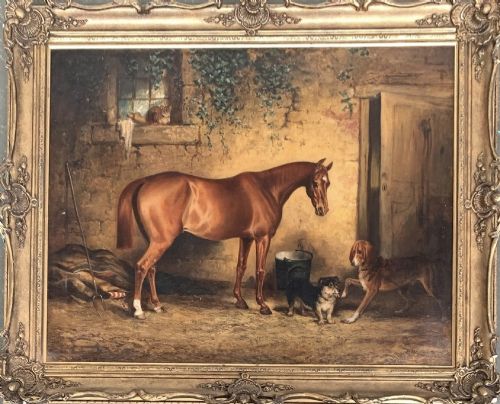
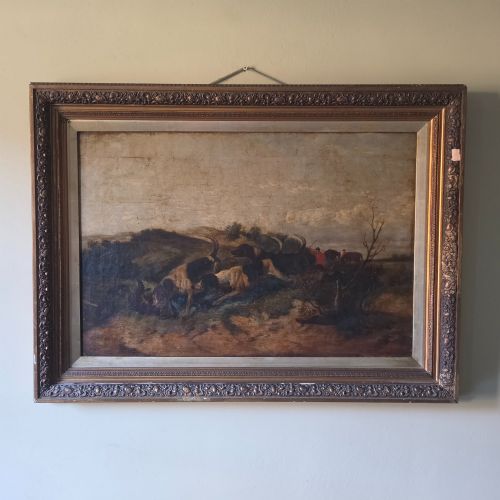
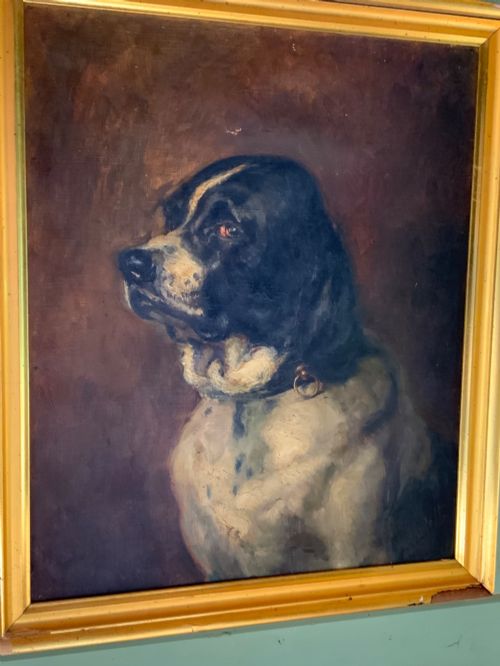
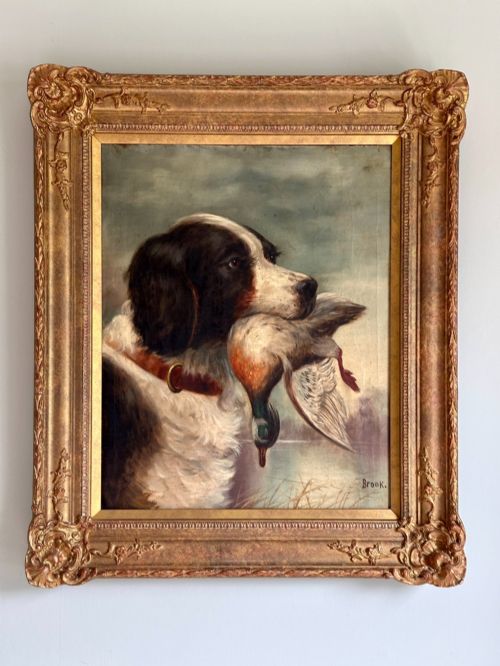
When you want a framed dog painting, you are looking at oil on canvas, board, and pastel works spanning the nineteenth and twentieth centuries.
Framed Dog Painting
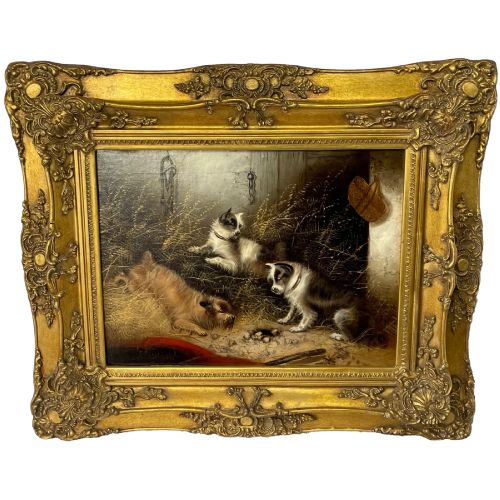
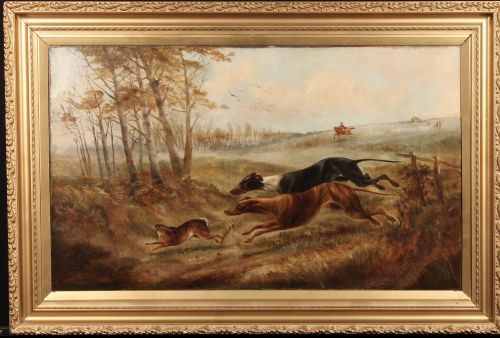
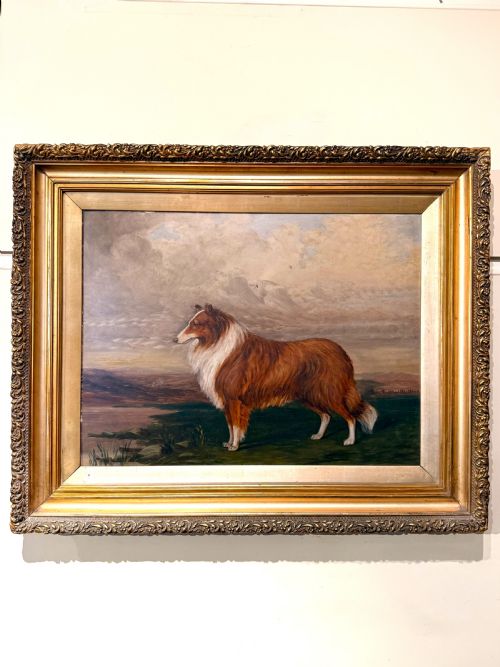
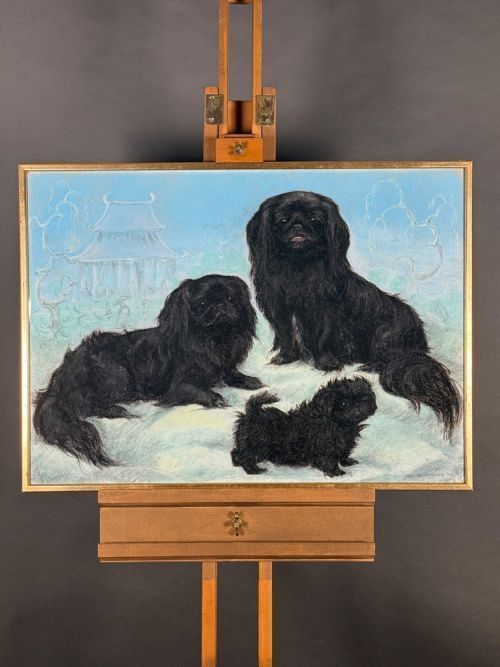
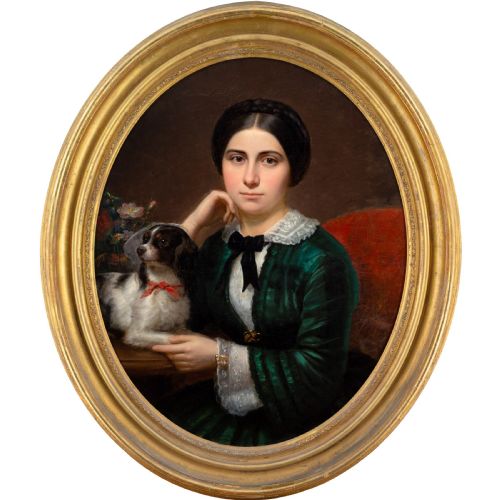
A framed dog painting captures canine subjects in various settings, ranging from formal sporting portraits of hounds and gun dogs to intimate depictions of terriers, spaniels, and working breeds. These works appear primarily as nineteenth-century oil paintings on canvas or board, alongside later twentieth-century pastels and watercolours.
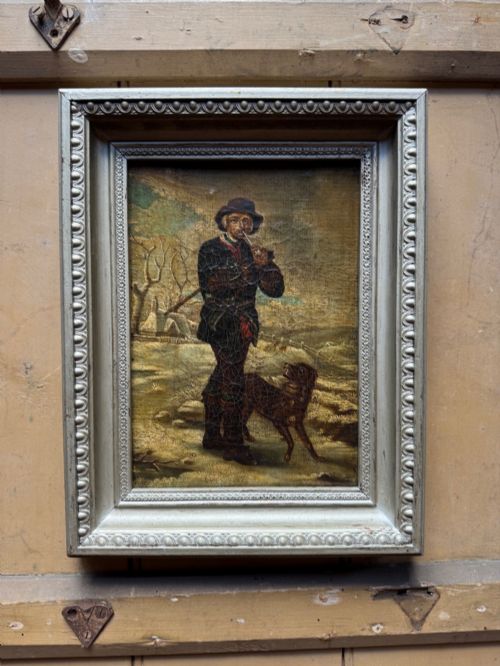
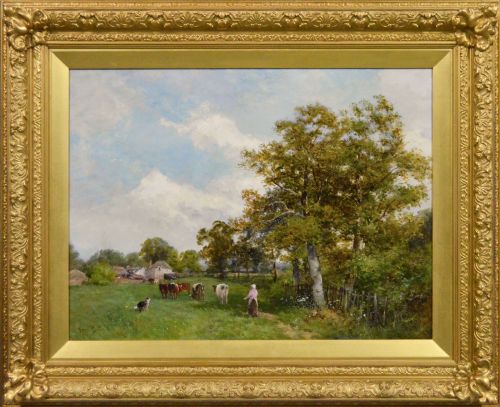
The subjects reflect the changing status of animals in the home and the field, encompassing Victorian sporting art, folk art, and detailed individual portraits. Most examples on this page date from the Victorian period through to the mid-twentieth century, housed in period wood or gilt frames.
How They Were Made
Artists painted primarily with oil on canvas or prepared wood panels, building up layers of pigment to render the texture of fur, expression, and background landscape. Works on paper utilise pastel, watercolour, or charcoal, protected behind glass within traditional frames.
Frames themselves consist of wood, often finished with gold leaf or giltwood to complement the artwork. The construction combines traditional stretcher frames for canvases and sturdy backing boards for works on paper and board.
Listings include oil on canvas, board, watercolour, and pastel spanning the seventeenth to the twentieth century.
What Varies in Quality
Quality rests upon the artist's ability to capture anatomical accuracy, posture, and individual canine character rather than a generic representation. Superior pieces demonstrate confident brushwork, particularly in rendering the sheen of a coat or the alert expression of a working hound.
The harmony between the artwork and its original frame influences the overall standing of the piece. Well-preserved surfaces free from heavy restoration retain the intended luminosity of the nineteenth-century palette.
Henry Barraud·George Armfield·Valentine T Garland·David Bates·Martin Theodore Ward·John Sargent Noble·Sir Edwin Henry Landseer·C R Breytle·Claude Cardon·Frans Snyders·John Emms·John Frederick Herring Senior·LM Webb·Arthur Wardle·William Barraud·Samuel Raven·Michael Lyne
The Framed Dog Painting Glossary
- Canvas
- A heavy woven fabric stretched across a wooden frame to serve as a support for oil painting. It provides a textured surface that interacts with the applied paint layers.
- Giltwood
- Wood carved and coated with a thin layer of gold leaf or metallic powder. This finish is commonly found on traditional frames enclosing nineteenth-century portraits.
- Sporting Art
- A genre depicting field sports, horses, and hounds in rural landscapes. It documents the working relationship between humans, animals, and the countryside.
- Pastel
- A medium consisting of powdered pigment bound into stick form for drawing. Works created in this material require protection behind glass to prevent smudging.
Framed Dog Painting: Frequently Asked Questions
What periods do these dog paintings cover?
The selection spans from the seventeenth century through the Georgian and Victorian eras into the mid-twentieth century. Nineteenth-century works form the largest portion of available pieces.
Later examples include mid-century pastels and watercolours from the nineteen-sixties, reflecting enduring interest in canine portraiture.
How do I identify a sporting dog portrait?
Sporting portraits typically feature working breeds such as pointers, setters, spaniels, and hounds depicted in open fields or covert settings. These compositions often include equipment like game bags or guns.
Artists working in this tradition focused on the specific physical traits required for hunting and field sports.
Are these paintings supplied with their frames?
Most works remain in their period frames, which frequently include giltwood or carved wood constructions appropriate to their date of creation. These frames help date the artwork and protect the edges of the canvas or board.
Works on paper are similarly presented under glass with traditional surrounds to prevent environmental damage.
What is the difference between oil and pastel dog art?
Oil paintings utilise suspended pigments on canvas or board, offering a durable surface that captures deep tones and glossy textures in animal coats. Pastels apply dry pigment directly to paper, resulting in a soft, matte finish.
Pastel and watercolour works are consistently mounted behind glass to protect the fragile pigment layers from disturbance.