
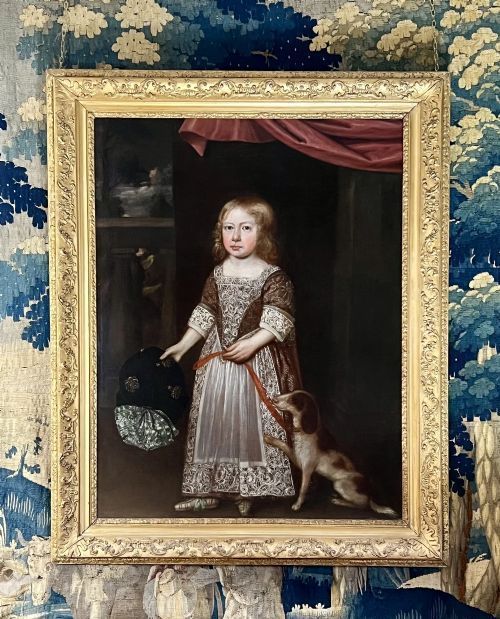
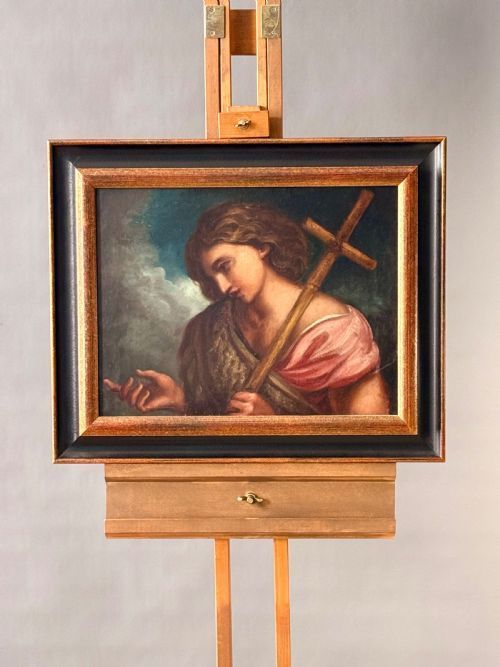
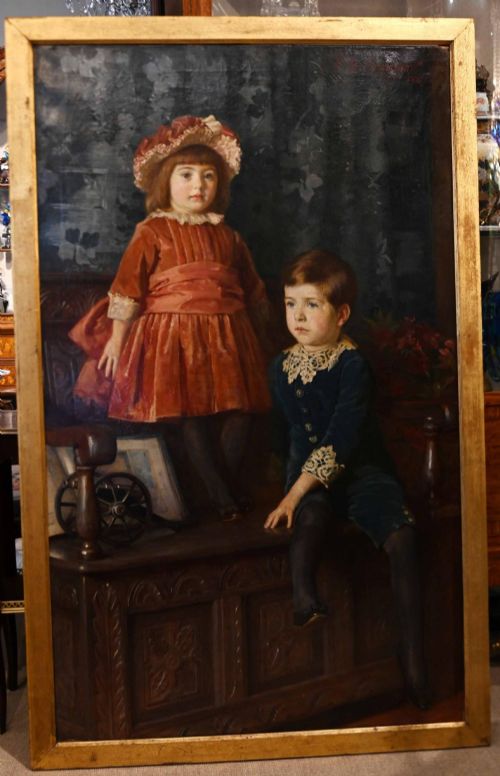
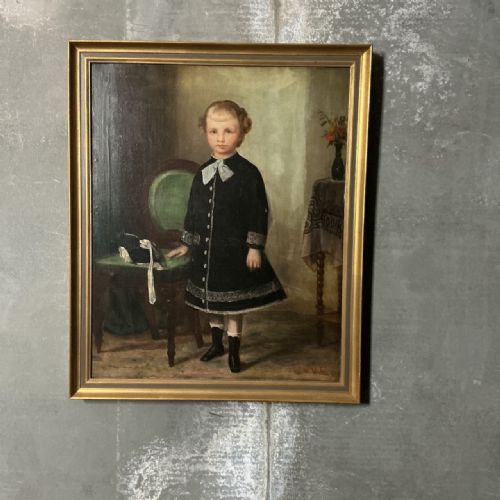
Framed Dark Portrait Art
Framed dark portrait art brings brooding centuries of human character, nobility and mystery into modern interiors through historic canvas and wood.
Framed Dark Portrait Art
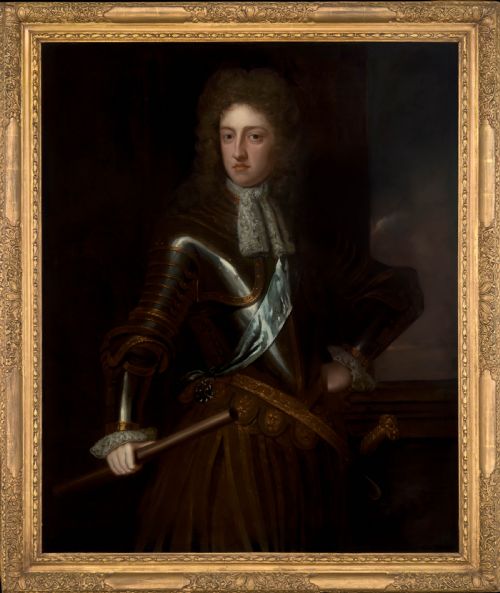
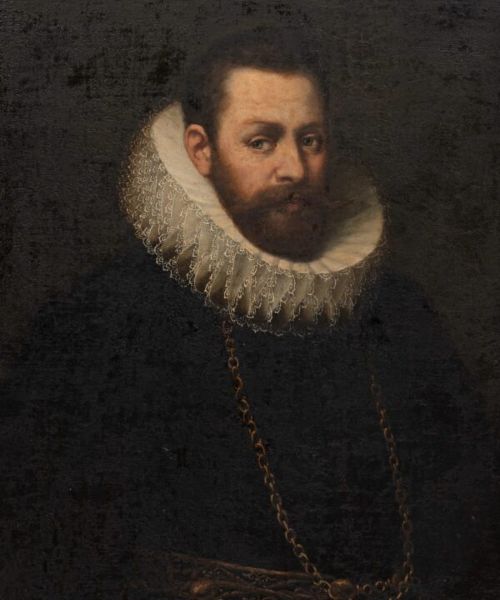
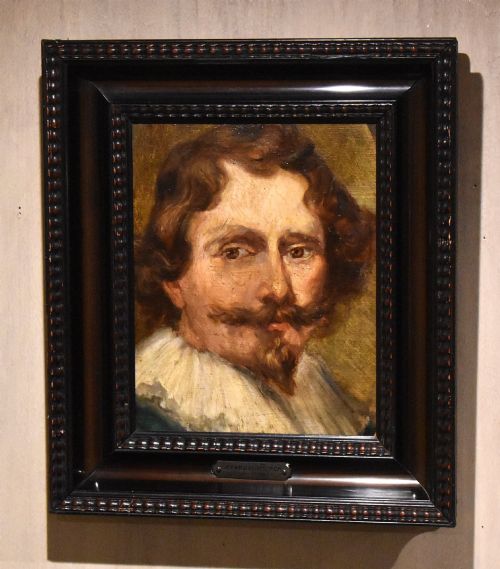
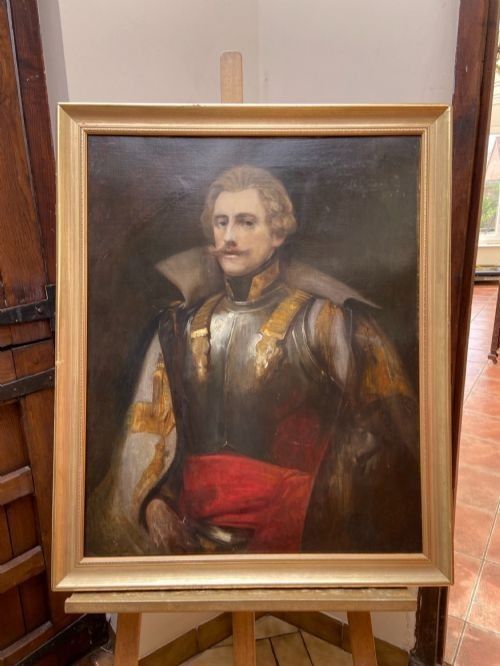
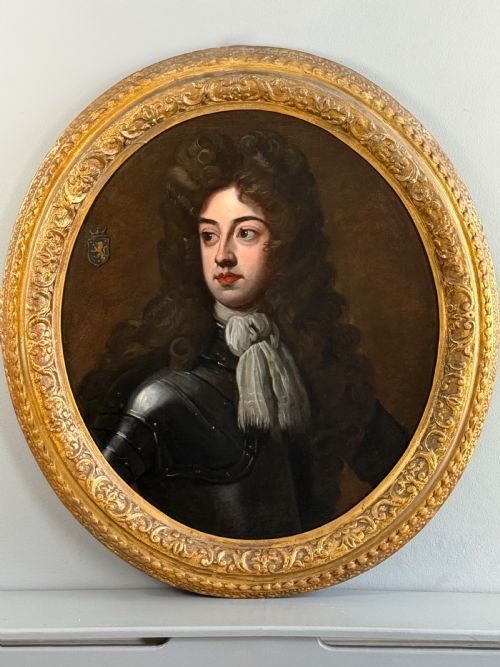
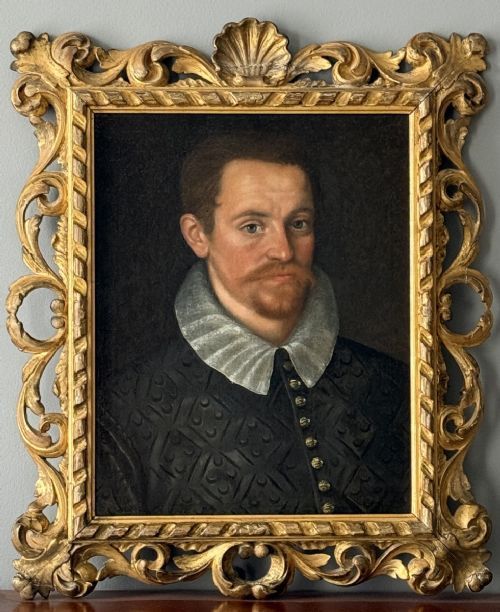
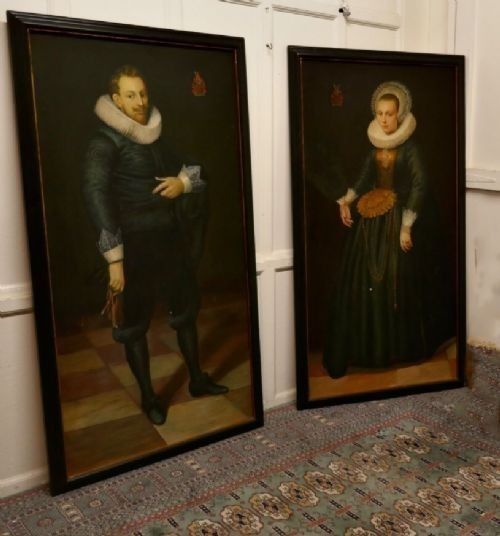
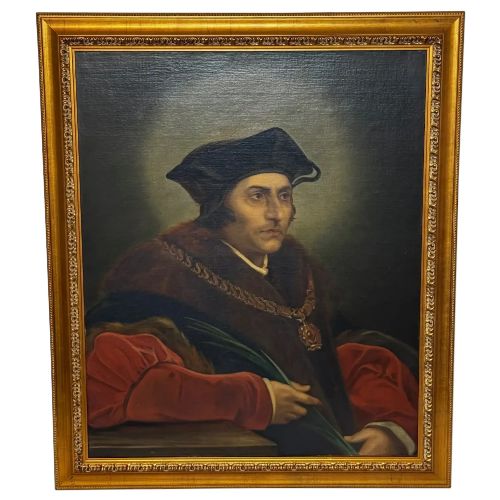
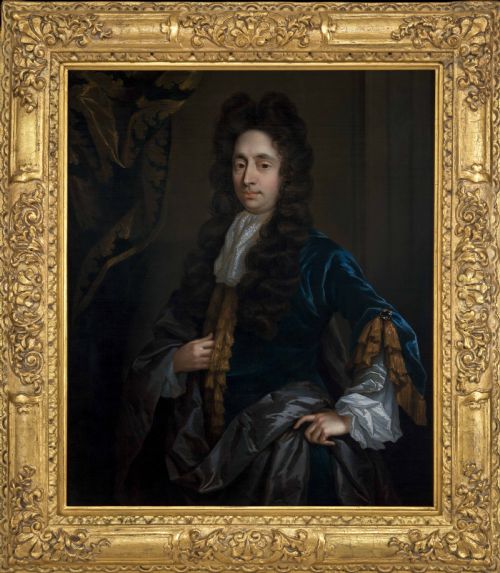
When buyers search for framed dark portrait art, they encounter historic likenesses ranging from seventeenth-century nobility to nineteenth-century military officers and gentlemen. These works record identifiable sitters, such as royalty and judges, alongside anonymous subjects captured by regional schools across Britain and continental Europe.
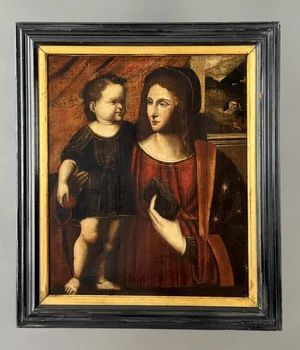
The selections on this page span the seventeenth, eighteenth, and nineteenth centuries, with occasional twentieth-century interpretations after earlier masters. Most examples use traditional oil paint on canvas, secured within period frames that complement the deep, moody palettes of the subjects.
Materials and construction
The foundational support for these works is typically woven canvas or panel, prepared with gesso grounds before artists applied layers of rich oil paint. This medium allowed painters to build deep chiaroscuro contrasts, where figures emerge from shadowy backgrounds through careful glazing.
Surrounding these canvases are period wooden frames, often finished in giltwood or dark stains, designed to protect the fragile surface and provide a weighty architectural border. Glass is sometimes utilised on works executed on paper or delicate prints to shield the pigment from environmental damage.
Listings span from the seventeenth century through the twentieth century, utilising oil paint, canvas, wood, and giltwood.
Evaluating quality and execution
Quality in these works rests upon the anatomical precision of the drawing, the handling of light across fabric and flesh, and the psychological depth captured in the sitter's expression. Master works demonstrate confident brushwork and subtle tonal gradation in the shadows, whereas simpler pieces rely on stiffer, more formulaic outlines.
The survival of the original wooden frame and the stability of the canvas ground also influence the standing of a piece. Retaining an untouched surface without heavy modern overpainting preserves the integrity of the original maker's vision.
Charles Jervas·Sir Anthony van Dyck·John Hayls·Sir Godfrey Kneller·Sir Peter Lely·Sir William Beechey
The Framed Dark Portrait Art Glossary
- Oil on Canvas
- A traditional painting medium where pigments bound in drying oils are applied to stretched fabric. This method allows for smooth blending and deep, luminous dark tones.
- Chiaroscuro
- An artistic technique using strong contrasts between light and dark to give subjects a three-dimensional volume. It defines the dramatic atmosphere characteristic of these dark portraits.
- Giltwood
- Wood carved and covered with a thin layer of gold leaf or gold paint. Frames finished in this manner provide a brilliant contrast to dark oil paintings.
- Mezzotint
- A printmaking process of the intaglio family where the image is scraped and burnished upon a roughened copper plate. It enables rich tonal gradations and dark, velvety backgrounds.
- School
- A group of artists working in a similar style or region during a shared period, often used when an exact individual maker remains unknown.
Framed Dark Portrait Art: Frequently Asked Questions
What is framed dark portrait art?
These pieces are historic painted or printed likenesses of individuals, distinguished by moody, low-key lighting palettes and enclosed in protective wooden surrounds.
They capture the likenesses of nobility, military officers, and everyday sitters from past centuries, rendered primarily in oils.
How should I hang these portraits?
These works suit rooms with neutral or deeply coloured walls, where the dark backgrounds of the paintings can recede and the illuminated faces draw the eye.
Position them at eye level in spaces with controlled lighting to protect the oil pigments and avoid direct glare on the varnish.
How can I tell periods apart?
Seventeenth-century works often feature elaborate lace collars and rigid formal postures, illuminated by stark directional light against near-black backgrounds.
Later nineteenth-century examples display looser brushwork, more relaxed clothing styles, and softer tonal transitions within the canvas.
Are these works original?
Many listings feature original period paintings created during the lifetime of the sitter or within the designated historic century.
Others include later interpretations after master painters, executed in historical styles using traditional oil and canvas materials.