


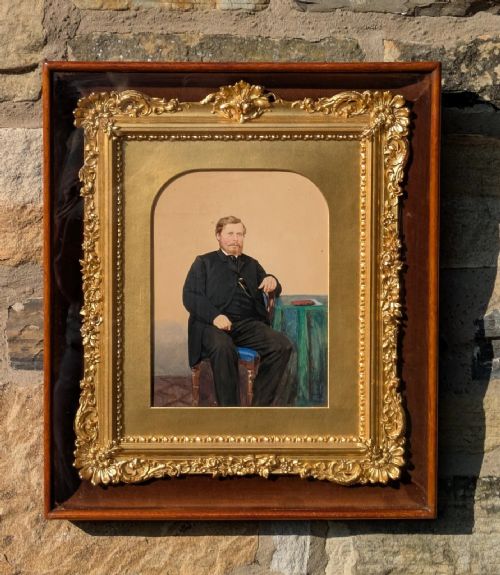


Framed Dark Academia Art
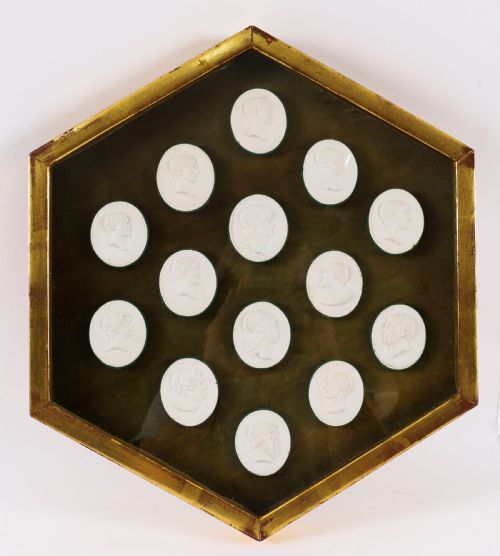
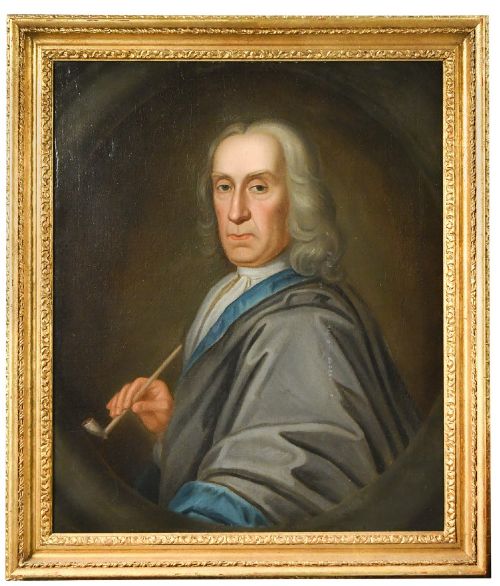
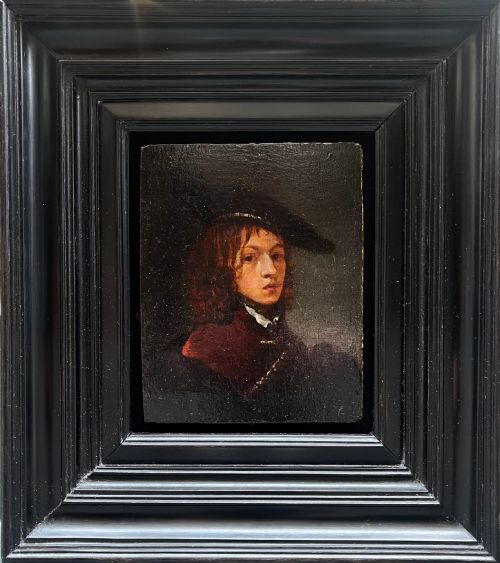
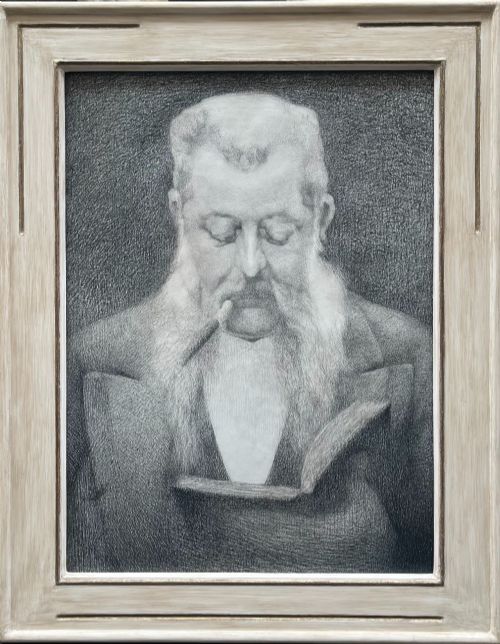
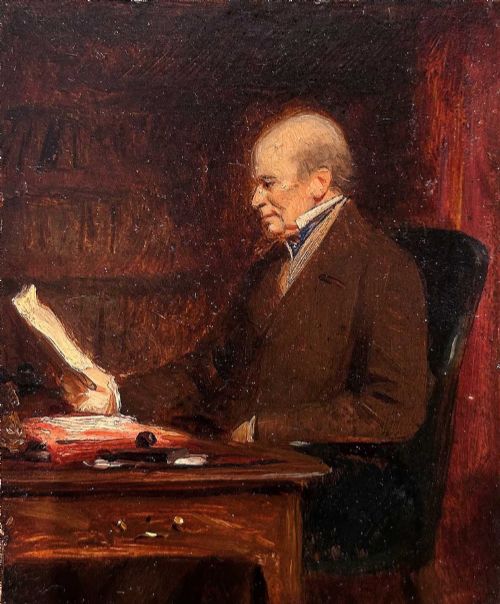
Framed dark academia art gathers moody portraits, solemn still lifes, and anatomical engravings spanning the seventeenth to the twentieth centuries to anchor a studious interior.
Framed Dark Academia Art
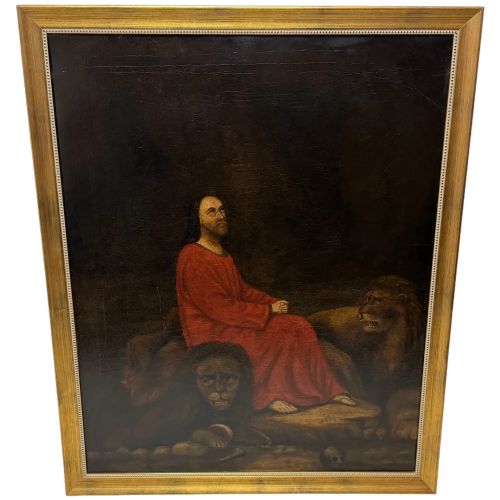
Framed dark academia art centres on serious portraiture, religious narratives, and classical studies originating from seventeenth-century Dutch workshops through to early twentieth-century schools. Buyers seek these pieces to create atmospheric, scholarly interiors dominated by sombre historical subjects and melancholic tones.
The selections most frequently met on this page include nineteenth-century oil portraits of gentlemen in heavy frames, eighteenth-century botanical and anatomical engravings, and shadowy still lifes. These works lean heavily into Victorian, Baroque, and Georgian styles to deliver a weighty visual presence on the wall.
Materials and construction methods
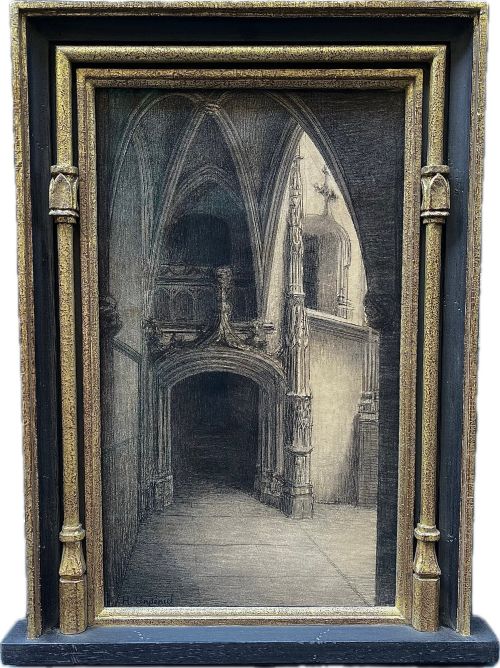
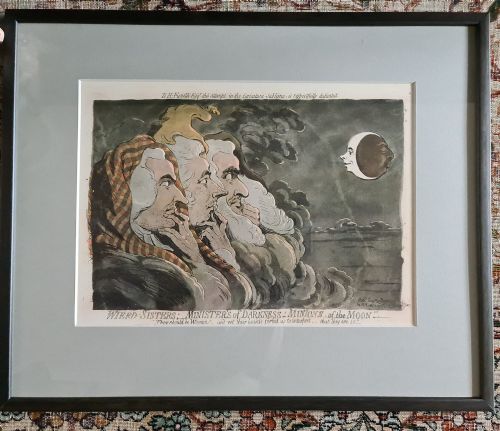
Pieces rely heavily on oil paint applied to canvas, wood panels, or copper plates, often paired with deep wood frames finished in gold leaf or dark varnish. Engravings and ink drawings utilise paper grounds protected beneath glass, frequently accompanied by velvet mounts or deep shadow boxes.
Framing plays a critical role in defining the aesthetic, with period gilt moulding and heavy timber enclosures securing fragile mediums like watercolours and oil on board. The combination of coarse canvas textures, aged varnish layers, and dark wooden borders establishes the characteristic mood.
A nineteenth-century oil painting of a curious monkey joins the solemn gentlemen and scholars on the wall.
Distinctions in quality
Quality rests upon the skill of the brushwork in oil paintings and the crispness of the impression in printed engravings. Superior examples demonstrate confident anatomical rendering, subtle tonal gradation in shadows, and original framing that complements the period of the artwork.
Lesser pieces often show flat, uninspired application of pigment or replacement frames that lack historical harmony with the canvas. The depth of the sitter's characterisation and the integrity of the ground material separate ordinary decorative items from accomplished school pieces.
Stephen Pearce·Henri Charles Angéniol·Niels Wiwel·Herbert Butler·James Archer·John Scougall·Lemuel Francis Abbott
The Framed Dark Academia Art Glossary
- Intaglios
- Small engraved or carved gems and seals prized during the Grand Tour. These miniature reliefs showcase classical motifs popular in scholarly collections.
- Vanitas
- A symbolic genre of still life painting containing items like skulls, candles, or fading flowers. These objects remind the viewer of the transience of life.
- Engraving
- A printmaking technique where an image is incised into a metal plate using a burin. The resulting lines hold ink to produce fine, highly detailed works on paper.
- Ruff
- A prominent pleated collar worn during the sixteenth and seventeenth centuries. Its appearance helps date early portraits of gentlemen.
- Gothic Revival
- An architectural and artistic style reviving medieval forms during the eighteenth and nineteenth centuries. It brings pointed arches and solemn ecclesiastical themes to decorative arts.
Framed Dark Academia Art: Frequently Asked Questions
How do I style dark academia art at home?
Hang these moody oil paintings and engravings against dark or saturated wall colours to enhance their solemn atmosphere. Group varied frame sizes together to create a dense, scholarly salon display.
Combine the artworks with antique leather-bound books, wooden furniture, and brass lighting to complete the studious interior aesthetic.
What periods do these artworks cover?
The selection spans from the seventeenth century through to the mid-twentieth century, capturing shifts in European portraiture and printmaking. Seventeenth-century Dutch and Scottish school pieces sit alongside Georgian portraits and Victorian narratives.
Later items include early twentieth-century still lifes, silhouettes, and anatomical drawings that maintain the same serious, historic tone.
Are these pieces original works?
The listings feature original oil paintings on canvas and panel, hand-drawn ink illustrations, and period engravings from the eighteenth and nineteenth centuries. Each piece originates from the historical period stated in its description.
Signatures, inscriptions, and characteristic ageing of the materials help verify the authenticity of individual portraits and studies.
How do I care for antique canvas and paper art?
Keep oil paintings away from direct sunlight and sudden temperature shifts to prevent the canvas from cracking and the varnish from yellowing. Dust frames gently with a dry, soft cloth.
Works on paper and engravings require protection behind glass in stable indoor environments to avoid moisture damage and fading.