




Framed Copper Artwork
These framed copper artwork pieces combine metalwork and historic imagery, offering a distinctive wall display for traditional interiors.
Framed Copper Artwork
Framed copper artwork encompasses a diverse range of wall displays, including enamel plaques, repoussé reliefs, and copperplate engravings. Pieces vary from early seventeenth century oil on copper portraits to twentieth century impressionist paintings and industrial commemorative plaques.
Buyers will most frequently encounter eighteenth and nineteenth century examples on this page, often featuring detailed engraved scenes, hand coloured prints, or vibrant Limoges enamel work. These items span various forms such as wall reliefs, framed prints, and intimate oil paintings.
The integration of copper as a primary medium creates objects that bridge fine art and metalcraft. Whether showcasing neoclassical subjects or mid century floral displays, each piece relies on its original framing to complete the composition.
How framed copper artwork pieces were made
Makers utilised sheet copper as a durable ground for oil paint, enamel, or ink, applying preparatory layers to ensure adhesion. Enamel plaques underwent high temperature firing to fuse powdered glass colours to the metal surface.
Engraved and etched works employed metal plates incised with sharp tools or bitten by acid, which were then inked and pressed onto paper. Relief plaques achieved their dimensional designs through repoussé and chasing techniques directly on the copper.
Surviving pieces are generally housed in wood frames, occasionally featuring gilt or bronzed finishes that complement the metallic tones of the central panel. Glazing is frequently applied to protect delicate paper prints and exposed copper surfaces.
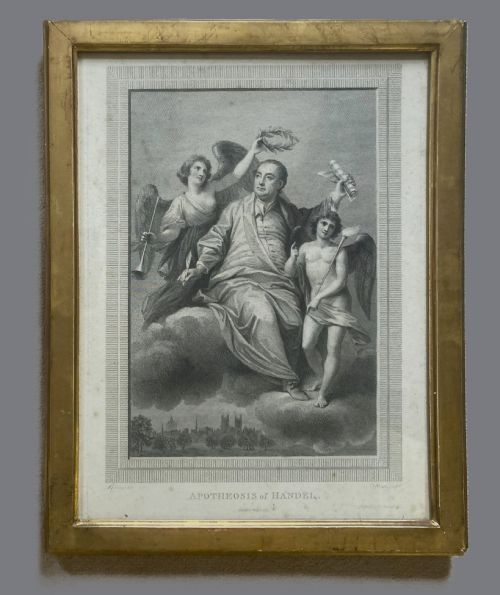
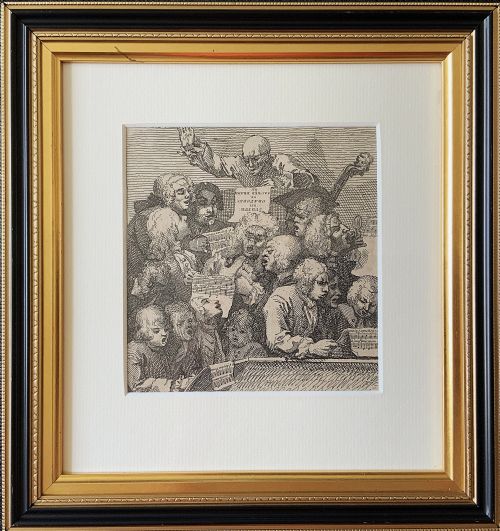
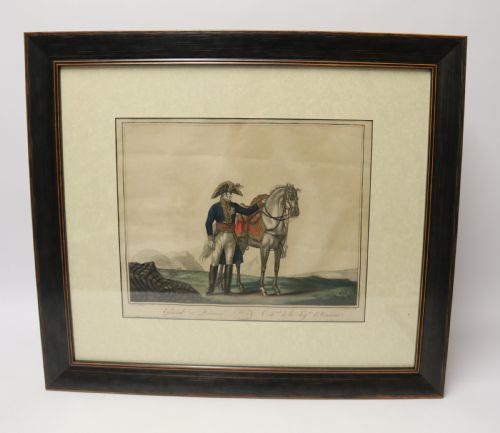
The selection includes British Bulldog etchings, Napoleonic period military prints, and portraits of historical figures like Martin Luther.
What varies in quality in framed copper artwork
The clarity of detail in engraved lines or the precision of repoussé relief work distinguishes superior pieces from simpler utilitarian items. Finer enamels display smooth vitrified surfaces with controlled colour gradations, while lesser examples show irregularities in the glass paste.
The artistic competence of the painting or drawing on copper determines the overall merit of the object. Works executed by named artists or skilled workshops demonstrate superior composition and facial expression compared to anonymous decorative output.
The integrity and period appropriateness of the framing contribute significantly to the piece. Original or contemporary housing enhances the historical context, whereas replacement frames alter the visual presentation of the antique.
James Heath·William Hogarth·Amile Coppieters·Alessandro Mocchetti·John Scougall·Herbert Dicksee·James Basire
The Framed Copper Artwork Glossary
- Engraving
- A printmaking technique where an artist cuts lines directly into a copper plate using a sharp steel tool called a burin. The resulting incisions hold the ink for transfer onto paper under pressure.
- Limoges Enamel
- A painted or fused vitreous enamel plaque produced in the French city of Limoges. These works often depict figures or historical scenes in rich, glossy colours upon a copper base.
- Repoussé
- A metalworking method in which copper sheet is hammered from the reverse side to create a raised design in relief. Details are subsequently refined from the front using chasing tools.
- Drypoint
- An intaglio printmaking process where the artist draws directly onto a metal plate with a sharp needle. This action raises a rough ridge of metal called a burr, which holds ink to produce velvety lines.
- Oil on Copper
- A painting method utilising copper panels as a rigid support instead of canvas or wood. This technique provides a smooth, non absorbent surface that preserves fine brushwork and luminous colour over centuries.
Framed Copper Artwork: Frequently Asked Questions
How do I clean framed copper artwork?
Dust wood frames and glass gently with a dry, soft cloth to prevent particulate buildup. Avoid applying chemical polishes or water directly to the copper or enamel surfaces.
Maintain stable indoor humidity levels to protect historic paper elements and prevent the wood framing from warping. Professional conservation is recommended for any deep cleaning of exposed metal.
Where should I hang these pieces?
Select interior walls away from direct sunlight and excessive moisture to protect delicate enamels, paper prints, and oil paints. Placing them at eye level in studies, libraries, or living rooms allows for close appreciation of the fine detail.
Ensure wall fixings match the weight of the piece, particularly for items set on heavy copper or timber panels. Secure hanging wire or brackets firmly to support the combined weight of the artwork and its frame.
How do I date a copper engraving?
Examine the paper quality, plate marks, and typography used for titles or inscriptions along the lower margin. Handmade laid paper with visible chain lines typically indicates an eighteenth century or earlier origin.
Compare the style of dress and subject matter with known historical periods, such as Georgian neoclassical or Victorian revivals. Signatures or publisher credits often provide definitive production years.
What is an enamel plaque?
An enamel plaque consists of powdered glass fused to a shaped copper sheet through high temperature kiln firing. These pieces often feature miniature portraits or narrative scenes rendered in vibrant mineral colours.
Produced extensively in centres like Limoges, they combine durable metalwork with the luminous qualities of glass. The reverse of the copper plate is frequently counter enameled to prevent warping during firing.