


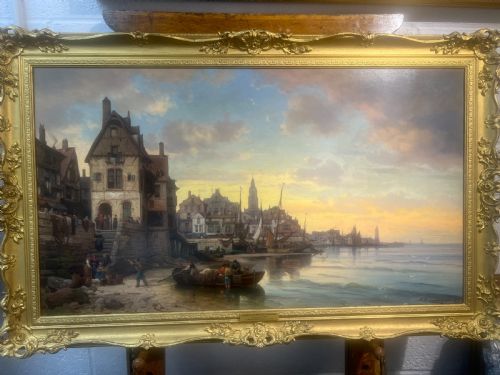
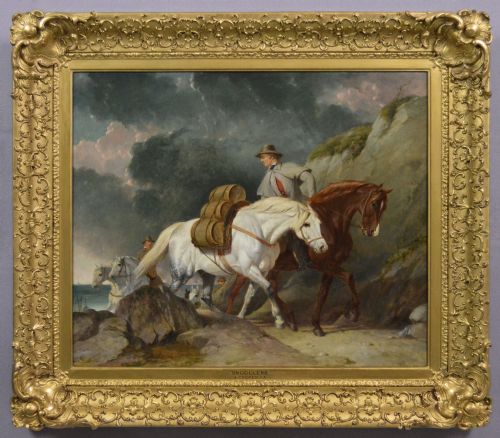
Framed Coastal Scene
A framed coastal scene brings the motion of tides and the colour of shorelines into a room.
Framed Coastal Scene
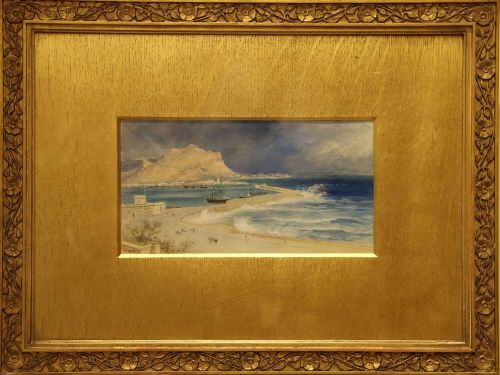
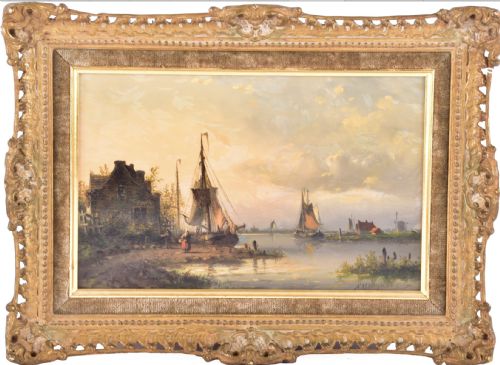
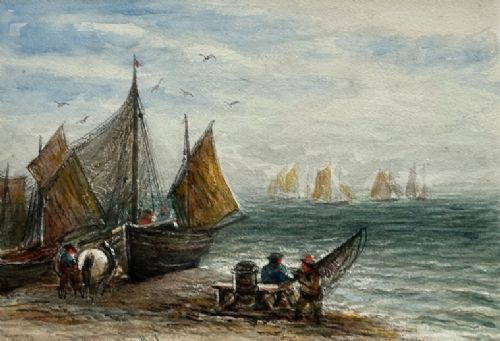
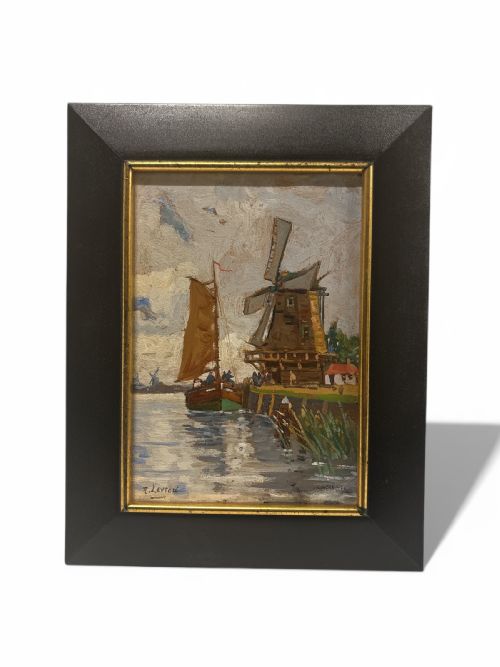
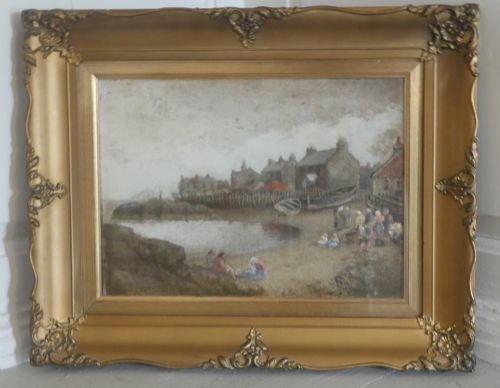
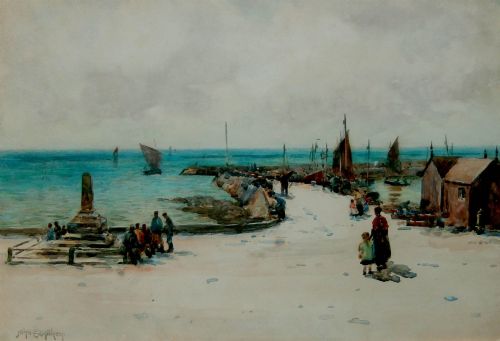
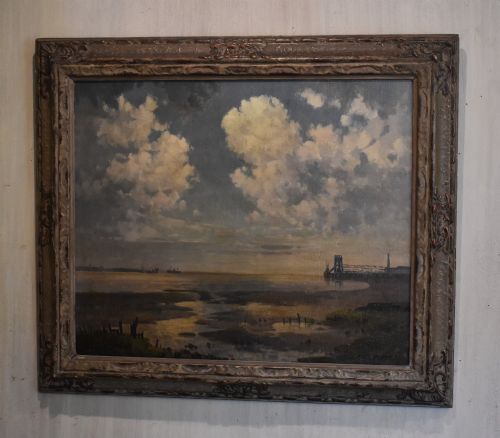
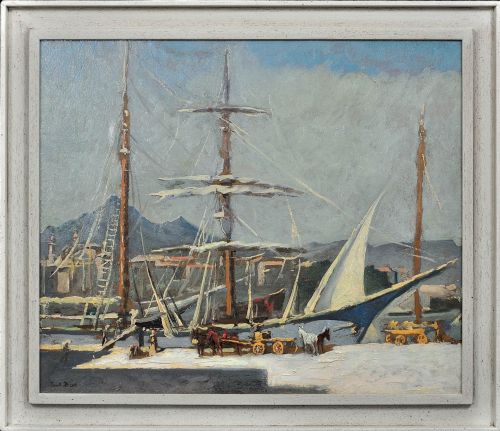
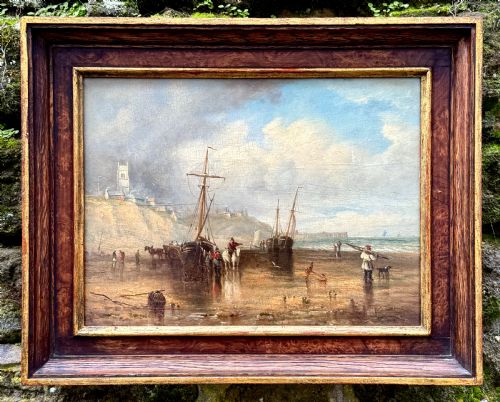
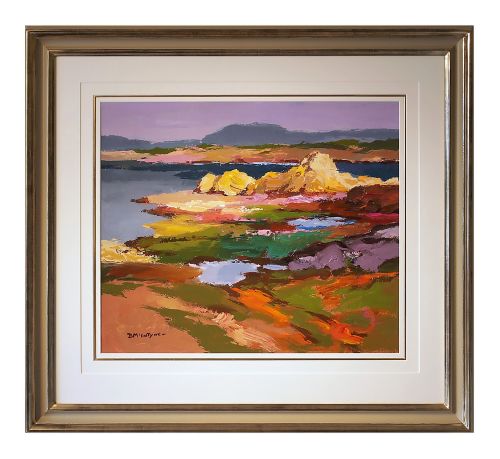
A framed coastal scene captures harbours, fishing boats, and shorelines across a range of periods from the nineteenth century through to the mid-twentieth century. These works appear primarily as oil paintings on canvas or board, alongside detailed watercolours on paper.
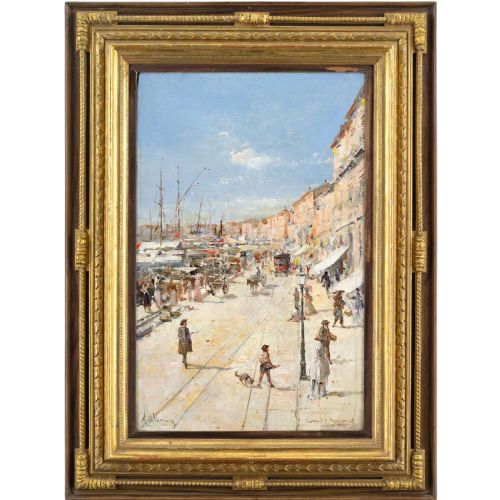
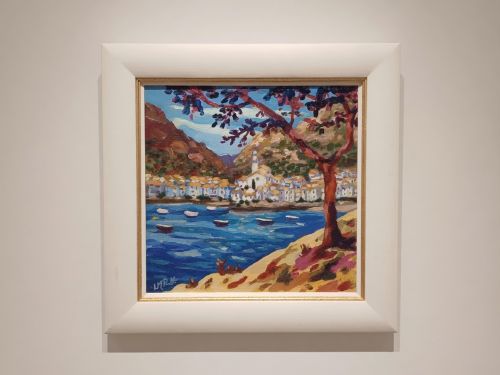
The subjects span British and European coastal life, including Cornish fishing ports, Scottish maritime views, and Mediterranean harbours. Victorian marine art and later impressionist interpretations form the core of the available selection.
How They Were Made
Artists applied oil paint or watercolour to canvas, paper, or wooden panels using traditional brushwork to record light on water and sky. Pigments captured the varied tones of sea and shore, from turbulent northern waters to bright southern ports.
The resulting artworks sit within protective wooden frames, frequently finished in gilt wood or paired with glass to preserve works on paper.
Listings feature works spanning the nineteenth century, Victorian period, and twentieth century up to 1960.
What Varies in Quality
Quality rests in the handling of light, atmosphere, and the convincing movement of water rather than the mere recording of a harbour. Stronger examples demonstrate confident brushwork and precise observation of maritime architecture and vessel rigging.
The integration of the artwork with its housing matters greatly, as period gilt frames suited to the date of the painting elevate the visual weight of the piece.
James Orrock·R Leyton·Edward Mills·John E Aitken·William Banks Fortescue·Augusto Alberici·Lucy Pratt·Clive Browne·Paul Bret·Thomas Creswick·Donald McIntyre·Charles Euphraisie Kuasseg·Abraham Cooper·Joseph Farquharson·Carlo Ferranti·John Holland·Bernard Benedict Hemy·Frank Kelsey·Abraham Hulk I·Retailed Liberty and Co·Paul Delvaux·William Edward Webb·Richard Harry Carter·Gyrth Russell·Raymond Picque
The Framed Coastal Scene Glossary
- Seascape
- A work of art depicting the sea, coastlines, or marine vessels. These compositions focus on maritime activity or the open water.
- Gilt Wood
- Wood carved and coated with a thin layer of gold leaf or metallic paint. This finish creates a reflective border that frames the artwork.
- Watercolour
- A paint consisting of water-soluble pigments applied to paper. It yields translucent washes of colour well suited to atmospheric skies and water.
- Oil on Canvas
- Pigment suspended in drying oil applied to stretched woven fabric. This medium allows for deep layering and rich texture.
Framed Coastal Scene: Frequently Asked Questions
What periods do these paintings cover?
The selection spans the nineteenth century, the Victorian era, and the Edwardian period, extending through the interwar years into the mid-twentieth century.
Earlier nineteenth-century works share space with later modernist and impressionist interpretations from the 1950s and 1960s.
Are these works painted on canvas or paper?
Many examples utilise oil paint on canvas or wooden panels, capturing the heavy textures of maritime scenes and coastal paths.
Other works employ watercolour on paper, often protected beneath glass within traditional frames.
Where do these coastal views originate?
The geographical scope includes British fishing harbours in Cornwall and Scotland, alongside European shores in France, Italy, and Holland.
Artists frequently travelled to notable ports to record local shipping, fish markets, and coastal trades.
How should I hang a framed coastal scene?
These works suit dining spaces, studies, or hallways where natural light can illuminate the pigments in the oil or watercolour.
Ensure the piece is hung away from direct sunlight to protect organic materials and paper from fading over time.