

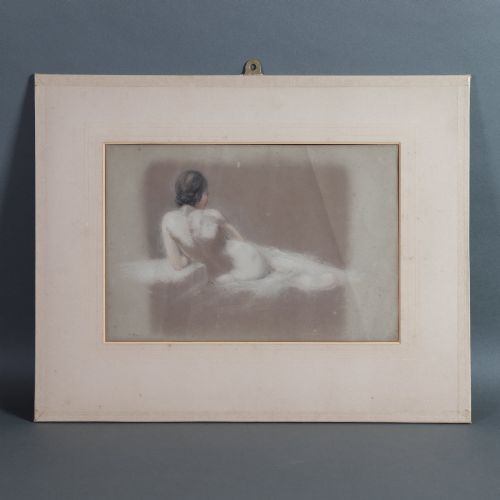
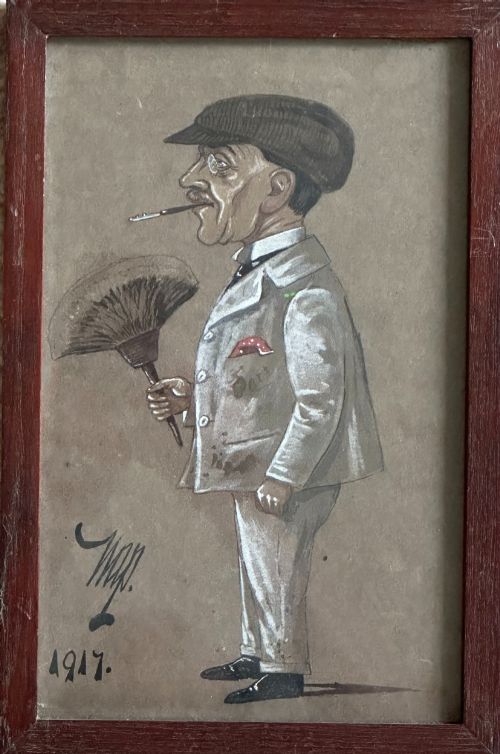
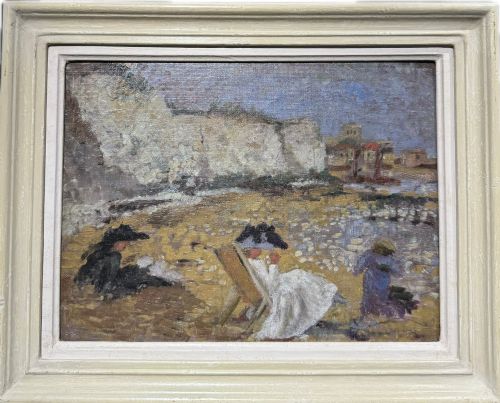
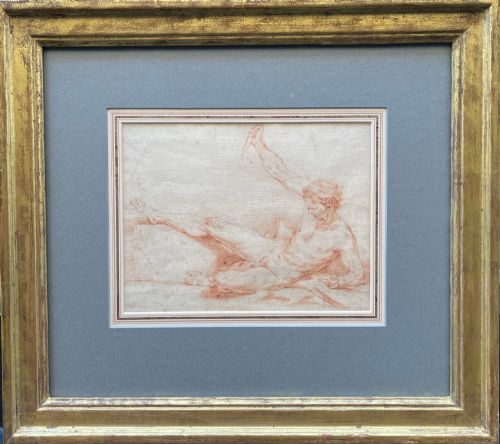
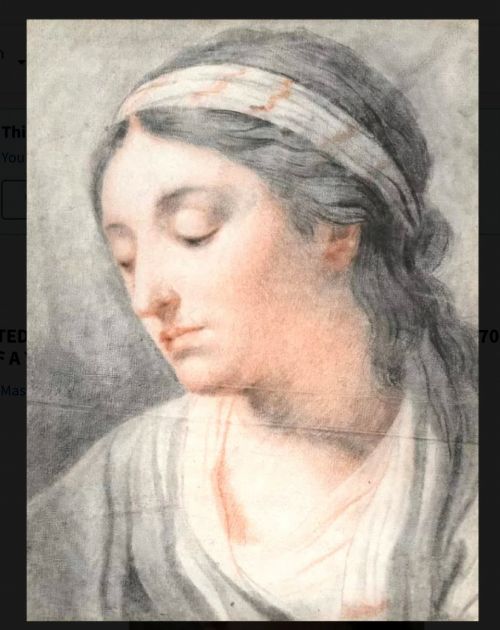


Framed Chalk Artwork
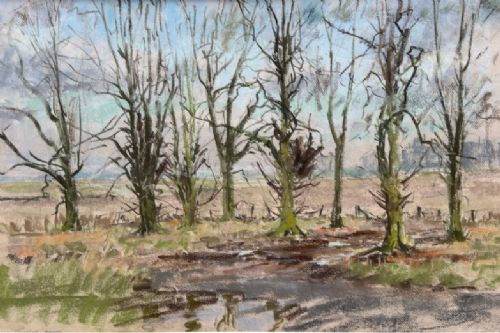
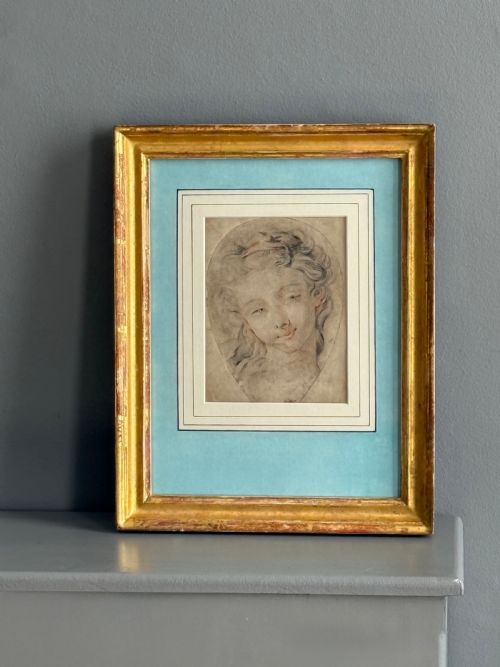
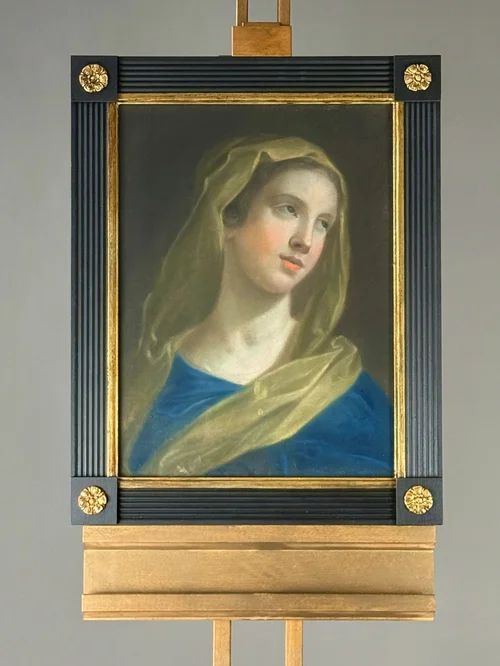
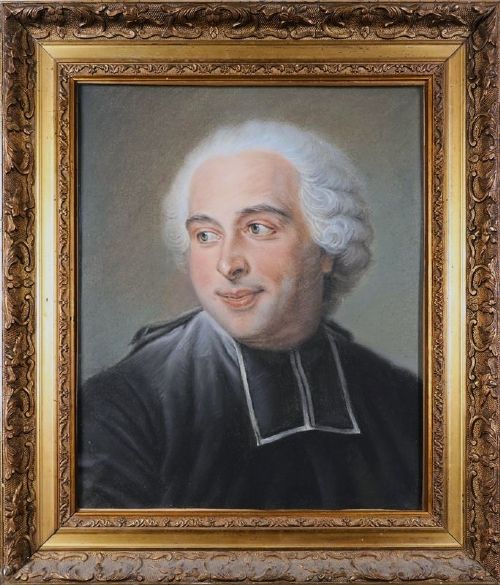
Framed chalk artwork brings tactile intimacy to a room, offering expressive portraiture and figure studies preserved beneath glass.
Framed Chalk Artwork
When you search for framed chalk artwork, you encounter works executed on paper or canvas using soft drawing media, often paired with charcoal, pastel, or graphite. These pieces encompass portrait drawings, life studies, and figural compositions spanning the eighteenth, nineteenth, and early twentieth centuries.
The selections available here range from Georgian plumbago portraits and Victorian pastels in gilded frames to early twentieth-century caricatures and modern British studies. Portrait drawings and nude life studies dominate the selection, reflecting historical academic training and domestic portraiture traditions.
Materials and technique
These works rely on dry drawing media such as chalk, charcoal, pastel, and graphite applied to paper or canvas supports. Artists built up tone and shadow through hatching, blending, and mixed media applications, occasionally combining watercolor or plumbago for finer linear detail.
Framing forms an integral part of the physical object, utilising period surrounds such as walnut and gilded wood. Glazing protects the delicate, friable surface of the chalk or pastel from atmospheric disturbance and physical contact.
Framed Chalk Artwork Retail Price Guide 2026
Typical asking prices for framed chalk artwork among the pieces listed under this phrase on Sellingantiques today, from the lower quarter to the upper quarter. They describe what is for sale here now, not the wider market.
Materials recorded across the inventory include paper, glass, chalk, charcoal, pastel, giltwood, wood, and graphite.
Gradations of quality
Quality rests upon the draughtsmanship and the sureness of the line, distinguishing confident academic studies from stiffer or more tentative amateur efforts. The handling of anatomy, expression, and light reveals the maker's mastery over dry media.
The survival of the surface condition and the integrity of the original or period frame further define the standing of a piece. Works retaining their initial character without heavy restoration or stabilization command greater attention.
Maurice Quentin de la Tour·Benedetto Luti·William Etty·Hyacinthe Colin de Vermont·Ethel Sands·François-André Vincent·John Taylor·Cecil Charles Windsor Aldin·Lucien Gibert·J Bizo·Demetrios Galanis·Michael Lyne·Arthur Todd·Robert Faulkner·Robin Watt·John Macallan Swan·Frank Dobson·George Richmond
The Framed Chalk Artwork Glossary
- Plumbago
- A delicate drawing executed in refined graphite, named after the Latin term for the mineral used before the pencil became common. These works display meticulous fine-line detail, often seen in Georgian portraiture.
- Pastel
- A dry painting medium composed of powdered pigment and a binder, shaped into sticks. It creates luminous, velvety colour surfaces that require protective glass framing.
- Charcoal
- A carbonaceous material burnt from wood, used to achieve deep blacks and broad tonal sweeps in life studies and preparatory sketches. It permits both rapid gestural marks and subtle smudged shading.
- Giltwood
- Timber carved and coated with a thin layer of gold leaf or gilt preparation, commonly used for eighteenth and nineteenth-century picture frames. It adds reflective warmth to the presentation of works on paper.
Framed Chalk Artwork: Frequently Asked Questions
How should I hang framed chalk artwork?
Keep these pieces away from direct sunlight and damp environments to protect the fragile dry media on paper.
Position them at eye level in low-traffic rooms where temperature fluctuations remain minimal.
Are these works original drawings?
The inventory consists of hand-drawn works, preparatory studies, and unique portraits executed directly by the artist.
Printed reproductions are absent from this category of original works on paper.
Why are most pieces glazed?
Glass protects the loose pigment of chalk, pastel, and charcoal from accidental smudging and atmospheric airborne dust.
Removing the glazing risks permanent damage to the friable surface of the drawing beneath.
How do I date an antique drawing?
Dating relies on stylistic markers, costume details, paper watermarks, and the construction methods of the accompanying period frame.
Signatures, inscriptions, and documented provenance further anchor the work within a specific century or decade.