

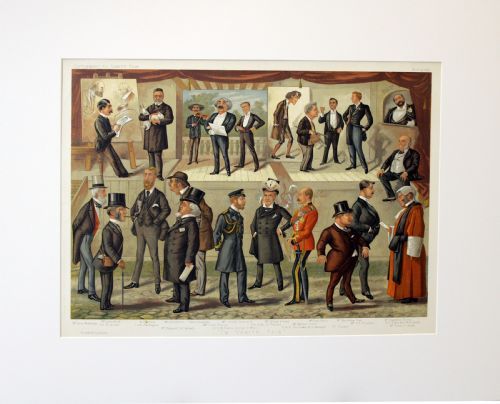


Framed Caricature Artwork
Framed caricature artwork brings sharp wit and satirical edge to your walls through centuries of ink, watercolour, and print.
Framed Caricature Artwork
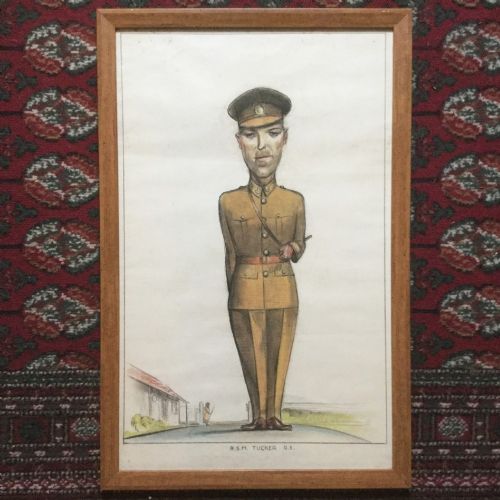
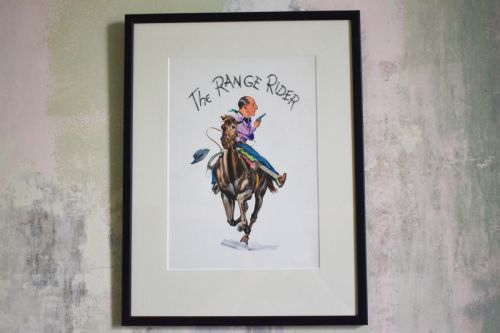
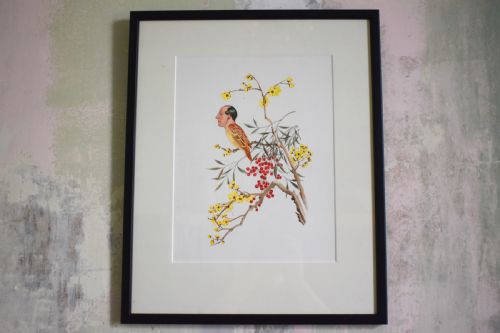
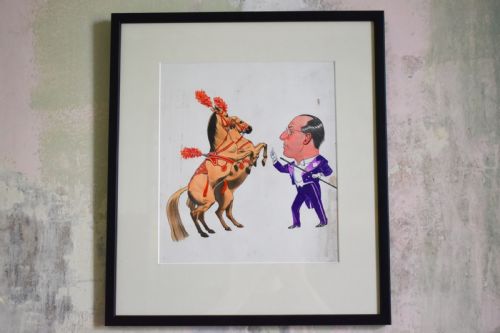
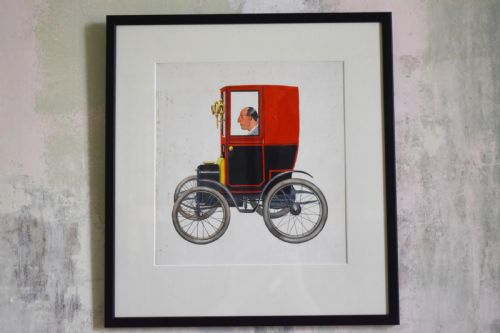
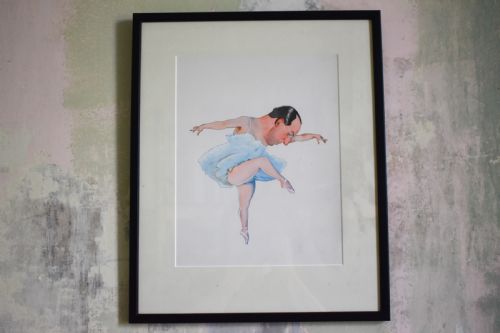
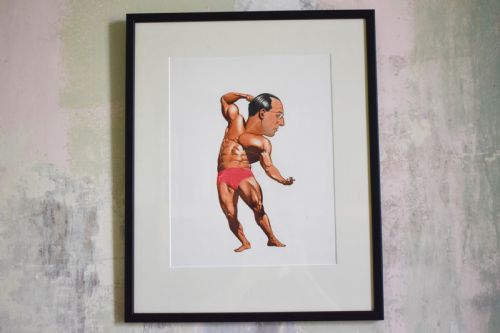
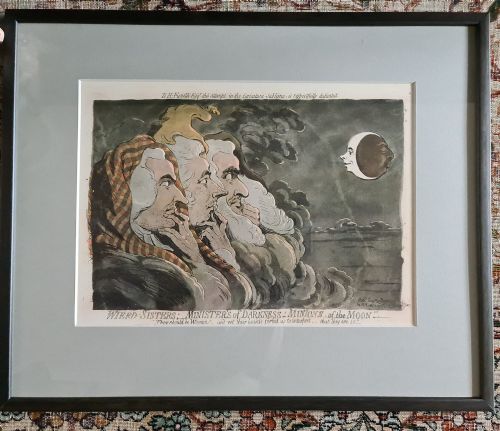
When you search for framed caricature artwork, you encounter satirical portraits, political allegories, and social commentary spanning the eighteenth, nineteenth, and twentieth centuries. These pieces capture public figures, military officers, and everyday characters through humorous exaggeration and keen observation.
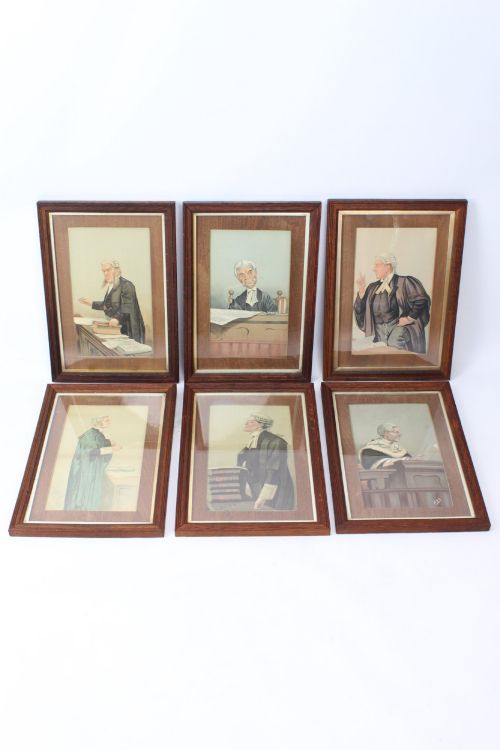
You are most likely to meet Victorian and Edwardian chromolithographs alongside early twentieth-century watercolours and wartime pastel sketches. Sets of Vanity Fair prints featuring legal, sporting, and societal figures appear frequently alongside individual political cartoons.
The selection ranges from late Georgian satirical engravings to mid-century modern cartoon watercolours and wartime illustrations. Each piece arrives ready to hang in its protective wooden frame behind glass.
Materials and Techniques
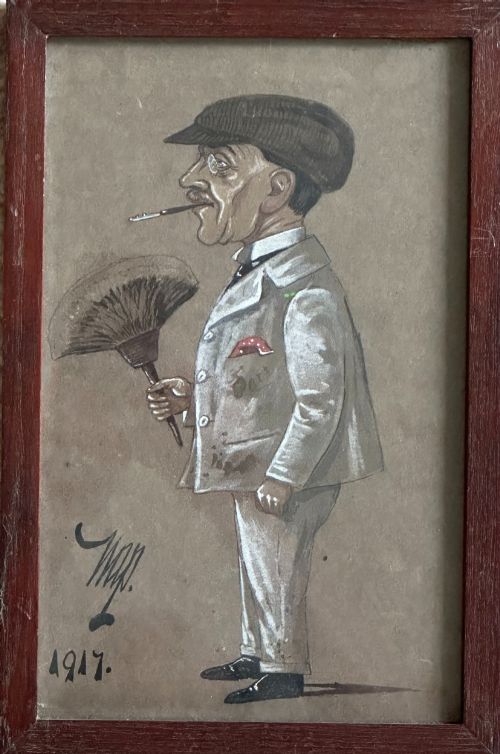
Artists and printmakers utilised paper as the primary support, applying watercolour pigment, ink, gouache, and pastel to build vibrant satirical portraits and scenes. Chromolithography enabled the production of rich, multi-coloured prints that preserved the fine detail of the original illustrations.
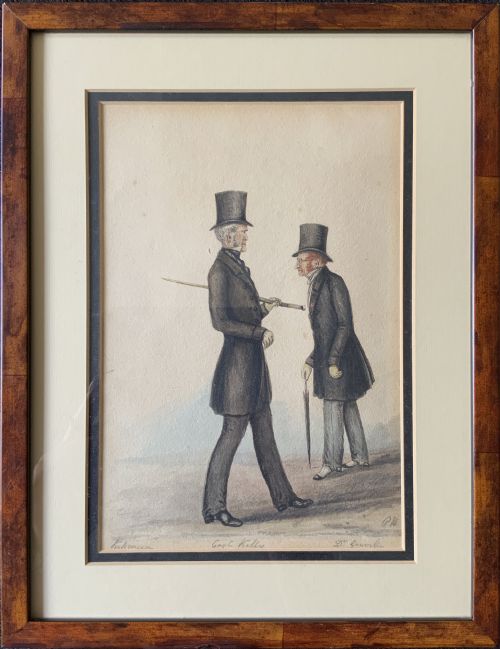
Engravers used stipple techniques on metal plates, creating textured images that workers subsequently hand-coloured with subtle washes. Makers enclosed these works within wooden frames beneath protective glass to safeguard the delicate paper and pigments from atmospheric damage.
Materials documented across the selection include paper, wood, glass, watercolour, ink, gouache, and pastel.
Evaluating Quality
The distinction between tiers rests upon whether a piece is an original hand-painted work or a mass-produced printing, as well as the prominence of the subject matter. Original watercolours and pastel sketches by named artists command greater attention than standard published prints.
Condition plays a vital role, with well-preserved paper retaining its original tone free from heavy fading or foxing. The quality of the framing and the crispness of the hand-colouring or lithographic impression further separate standard examples from exceptional ones.
Gilray·ALBERT GUILLAUME·Snaffles·WILLIAM BUNBURY·Thomas Worth
The Framed Caricature Artwork Glossary
- Chromolithography
- A planographic printing method that uses multiple limestone blocks to build up a vibrant colour image. This technique produced the vivid double-page plates seen in periodicals.
- Stipple engraving
- A printmaking method where the artist builds an image using a dense pattern of dots rather than continuous lines. It creates soft tonal gradations particularly suited to flesh and fabric.
- Gouache
- An opaque water-based paint composed of pigment, water, and a binding agent such as gum arabic. It provides heavier coverage than traditional watercolour, allowing for bright highlights.
- Foxing
- Brown or yellowish age spots that develop on paper due to chemical reactions involving iron impurities in the pulp. It appears commonly in nineteenth-century book illustrations and prints.
- Allegorical print
- An artwork that uses symbolic figures and imagery to convey a hidden political or moral message. Eighteenth and nineteenth-century makers used this genre to comment on contemporary public affairs.
Framed Caricature Artwork: Frequently Asked Questions
What is a Vanity Fair print?
Vanity Fair was a British weekly magazine published from 1868 to 1914 that gained fame for its coloured lithographic caricatures of notable public figures. Artists operating under pseudonyms like Spy drew these satirical portraits.
Collectors often find these prints featuring legal figures, royalty, and military officers bound in sets or mounted singly in wooden frames.
How do I care for framed watercolours?
Watercolour pigments and pastel chalks remain sensitive to direct sunlight and high humidity. Hang your framed artwork away from windows and bright spotlights to prevent fading.
Ensure the glass is clean and check that the wooden frame seals the back properly against dust and moisture ingress.
Are wartime sketches original artworks?
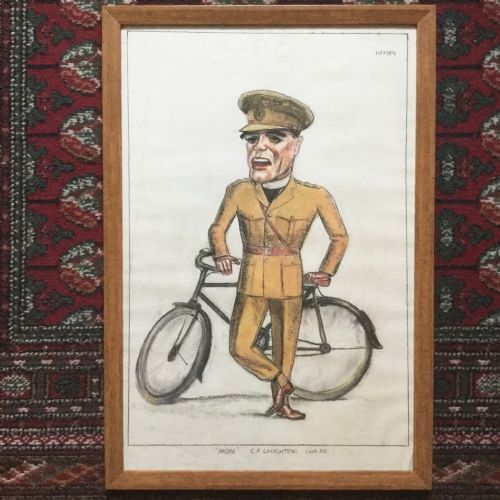
Wartime sketches recorded on this page typically comprise original pastel, ink, and gouache drawings executed by officers or official illustrators. These unique pieces capture real individuals, such as army padres and regiment commanders.
Unlike printed cartoons, each stroke of pigment on these paper supports was applied directly by the artist's hand.
How are political prints dated?
Dating relies on the historical figures depicted, the style of the engraving or lithography, and any printed publication dates or inscriptions on the paper. Georgian and Victorian political prints often reference specific parliamentary acts or monarchical reigns.
Examine the framing and paper quality to confirm whether the piece originates from its stated nineteenth or twentieth-century period.