
Framed British Artwork Landscape
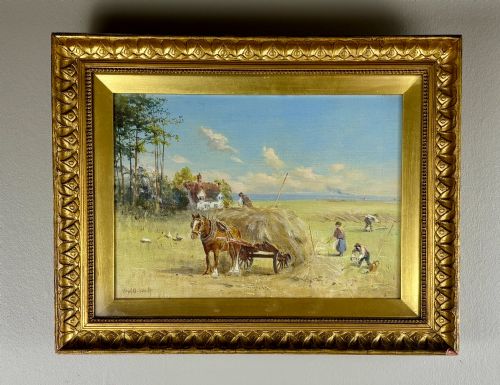
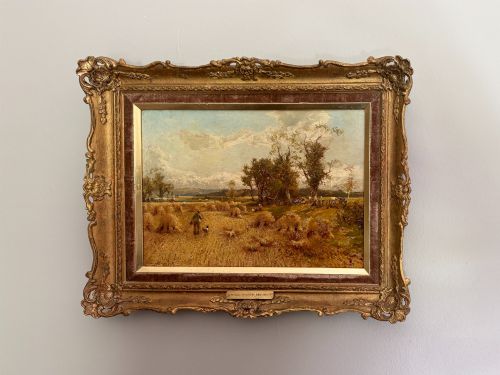
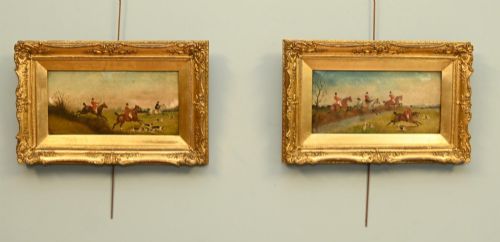
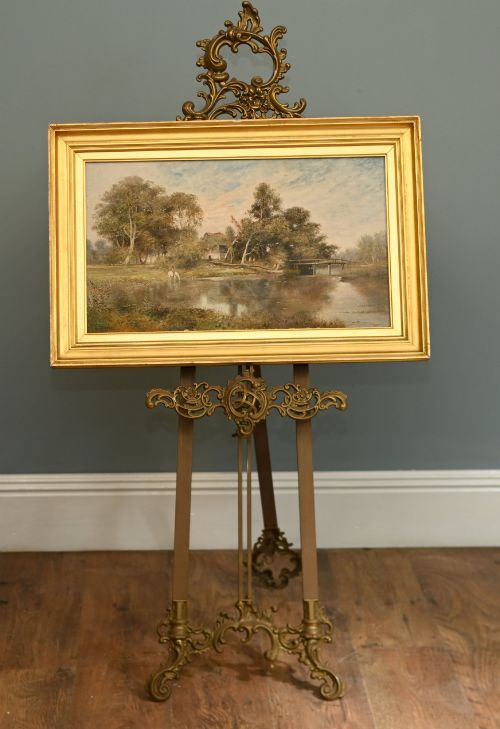
These framed british artwork landscape pieces capture countryside and coastal views across centuries of painterly tradition.
Framed British Artwork Landscape
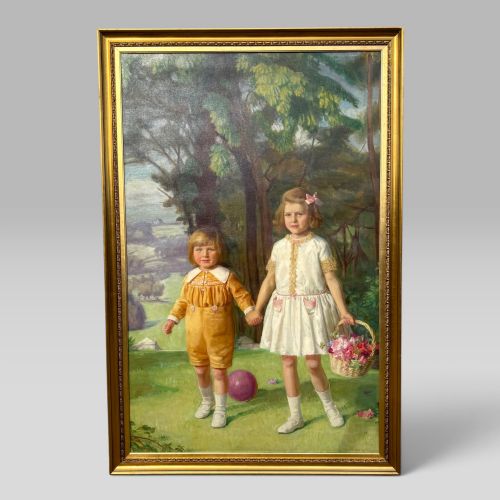
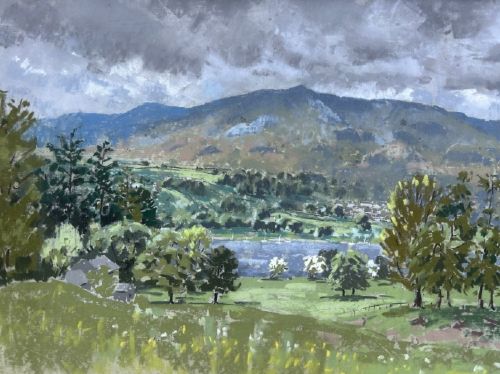
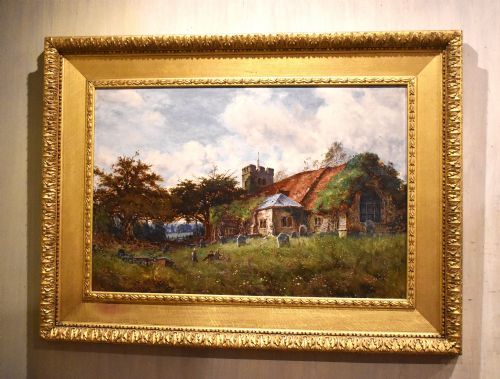
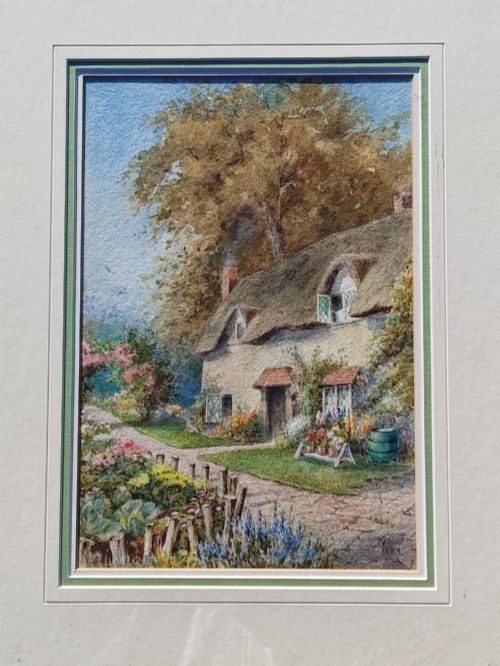
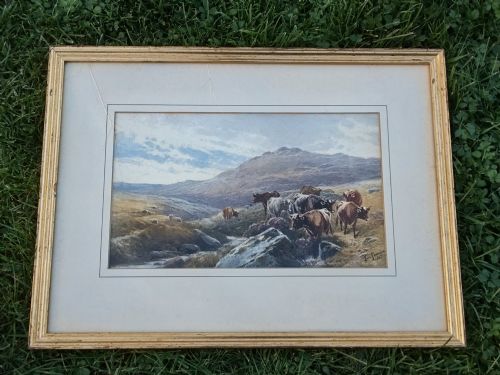
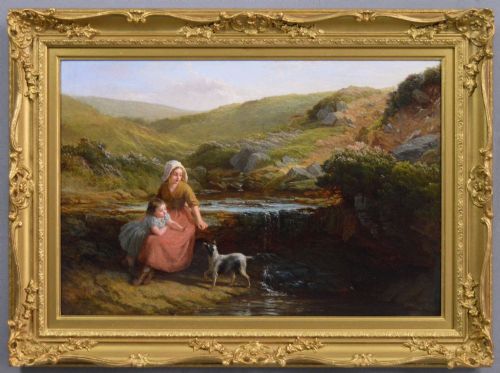
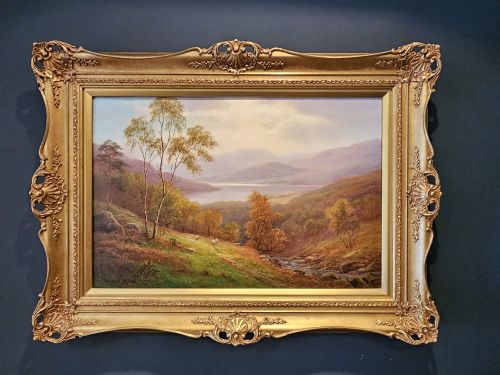
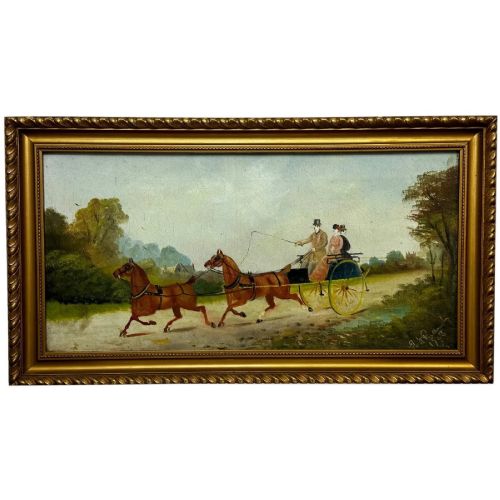
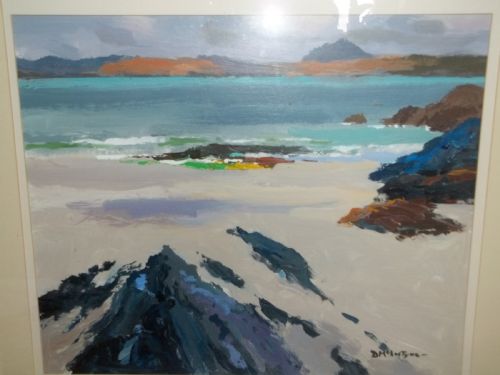
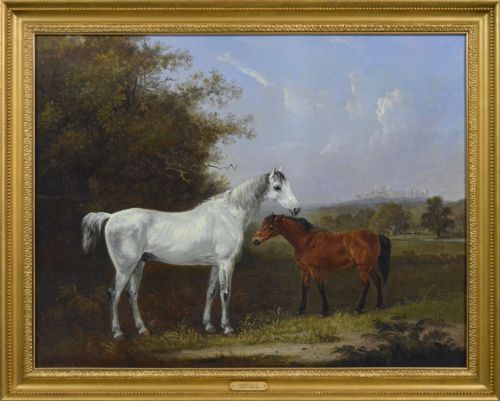
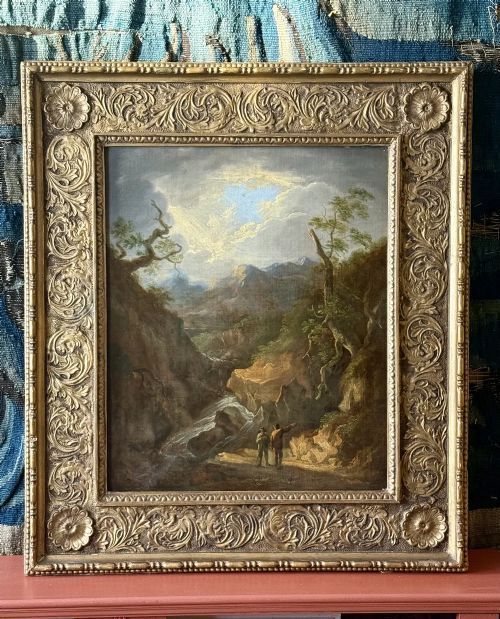
A framed british artwork landscape brings historical countryside and coastal views into an interior space, spanning periods from the nineteenth century through to the modern era. Buyers encounter works executed in oil on canvas, panel, and board alongside delicate watercolours and pencil drawings.
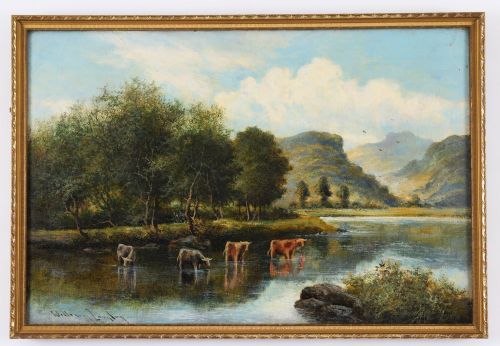
The selection ranges from Victorian pastoral scenes and Edwardian watercolours to mid-twentieth-century impressions. Common motifs include woodland paths, river valleys, livestock grazing, and coastal harbours.
Originating from various British schools, these pieces reflect regional topographies from the Lake District and Wales to Cornwall and the Thames. Original frames in wood and gilt wood frequently accompany the paintings, preserving their period context.
Materials and Technique
Artists relied on oil paint applied to canvas, wood panels, or board to build rich textures and deep tones for pastoral and marine subjects. Watercolours on paper utilised fluid washes to capture atmospheric light in landscapes and coastal scenes.
Pencil and charcoal drawings on paper provided immediate studies executed en plein air or in the studio before finishing larger compositions. Supporting these works, traditional framing utilised wood and gilt wood mouldings to protect and enhance the artwork.
Several landscapes include stubbornly posed livestock that appear to have refused to move while the artist worked.
Evaluating Quality
Quality rests upon the artist's ability to handle light, atmosphere, and composition within the landscape. Finer works display confident brushwork and precise topographical or anatomical detail, whereas lesser pieces rely on formulaic repetition.
The integrity of the original support, the retention of pigment vibrancy, and the harmony of the period frame contribute significantly to the standing of any individual piece.
Richard Sebastian Bond·George Fotherly Hargitt·James Orrock·Henry Percy Huggill·William H Myers·Thomas Ellison·Clifford Hanney·Percy Lancaster·William Howard Hardy·Frederick Marriott·Arthur Wardle·John Horace Hooper·A Mitchell·William Joseph Shayer Senior·John McDougal·Alfred Fontville de Breanski Jr·Sidney A Court·EJ Letheren·Edward Mills·Robert Leslie Howey·Kershaw Schofield·John E Aitken·William Banks Fortescue·Robert Morson Hughes·Thomas Barker of Bath
The Framed British Artwork Landscape Glossary
- Oil on Canvas
- Pigment mixed with drying oil applied to a stretched woven fabric support. This technique allows for rich layering and varied surface textures.
- Watercolour
- A painting method where fine pigment is suspended in a water-based solution on paper. It creates luminous, transparent washes of colour.
- En Plein Air
- The practice of painting outdoors to directly capture natural light and transient atmospheric conditions. Artists utilised this method extensively for coastal and rural views.
- Gilt Wood
- Timber frames treated with a thin layer of gold leaf or metallic gilt finish. These surrounds define the outer boundary of traditional framed artworks.
Framed British Artwork Landscape: Frequently Asked Questions
How do I hang a heavy oil painting safely?
Ensure the wall fixings engage directly with structural studs or masonry rather than just plasterboard. Utilise picture wire and heavy-duty D-rings rated well above the weight of the frame.
Check the stability of the frame corners and the tension of the canvas support before mounting the piece at eye level.
Where should I display watercolour landscapes?
Position watercolours away from direct sunlight to prevent the pigments and paper from fading over time. Maintain a stable room temperature to protect the paper from humidity fluctuations.
Use glass with UV-filtering properties when framing works on paper to provide an additional layer of conservation.
How do I identify the period of a landscape?
Examine the style of the brushwork, the pigments utilised, and the clothing of any figures present in the scene. Victorian works often feature detailed narrative elements, while later nineteenth-century pieces lean towards looser impressionistic brushwork.
The construction methods of the accompanying wood or gilt frame also offer reliable clues to the era of the artwork.
Can I clean an old oil painting surface?
Dust accumulated on the canvas surface should be removed very gently with a soft, dry artist brush. Avoid using any moisture, household cleaners, or solvents on the paint layer.
Consult a professional conservator if the varnish has yellowed or if deeper cleaning is required to restore the original tones.