

Framed Board Painting
When you search for a framed board painting, you are looking at solid panels transformed by pigment into windows upon nineteenth and twentieth-century life.
Framed Board Painting
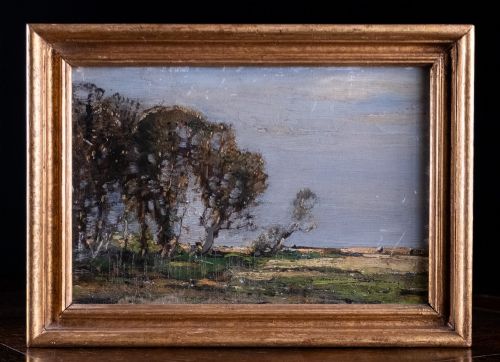
A framed board painting is typically an oil or gouache work executed on a rigid wooden panel or sturdy board rather than flexible canvas. These pieces span from the Georgian and Victorian eras through the Edwardian period and into mid-century modern abstraction.
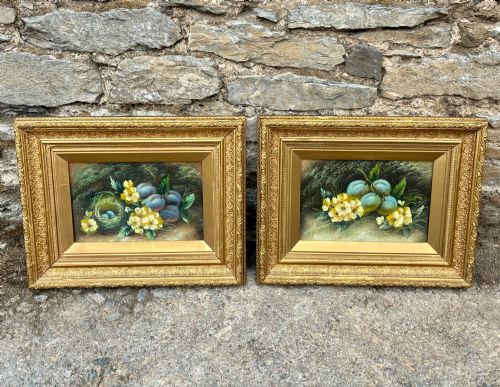
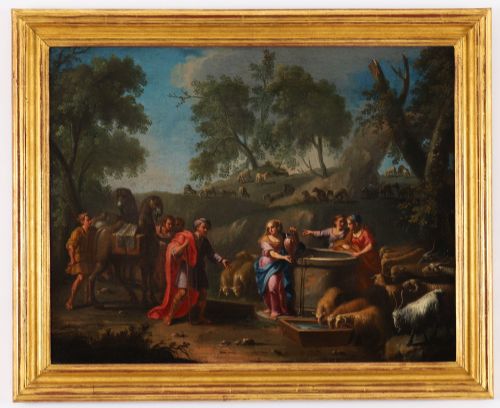
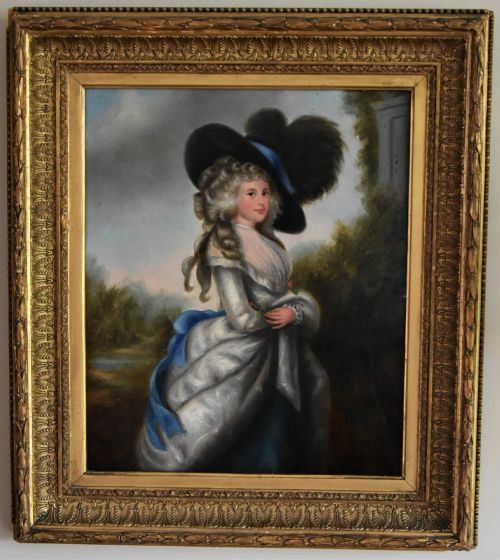
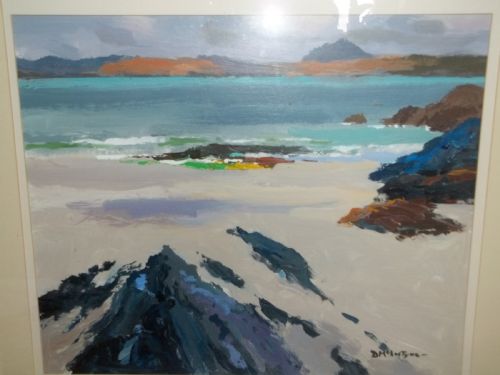
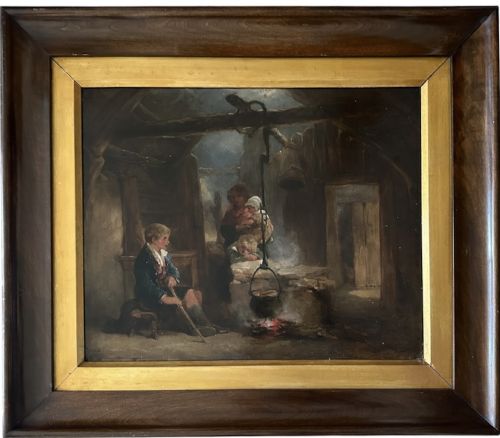
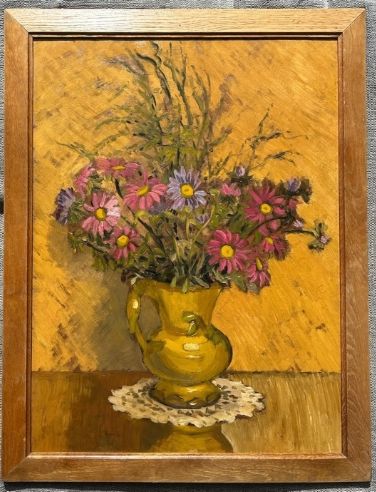
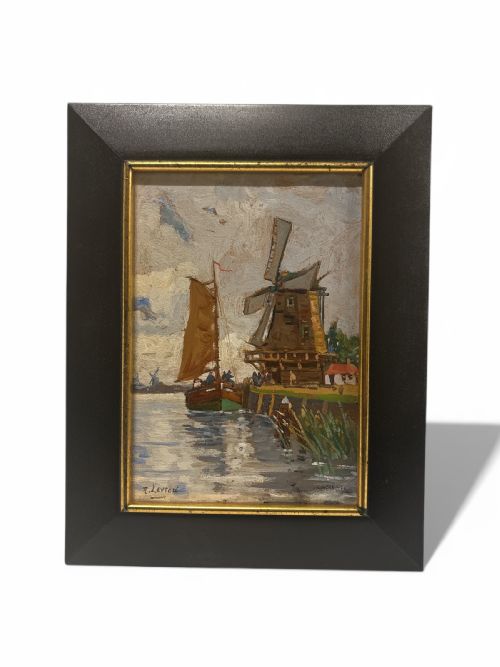
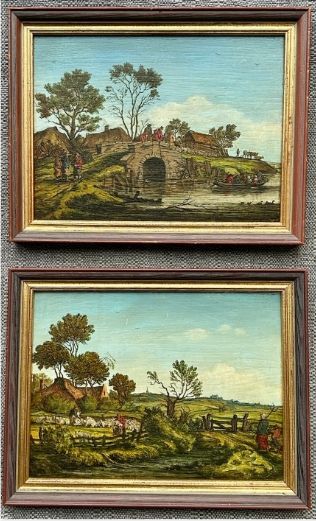
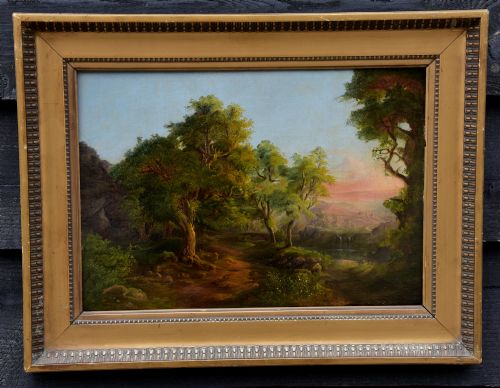
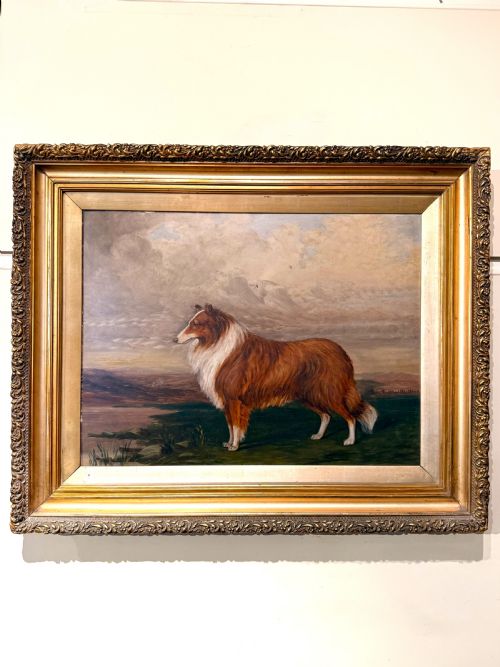
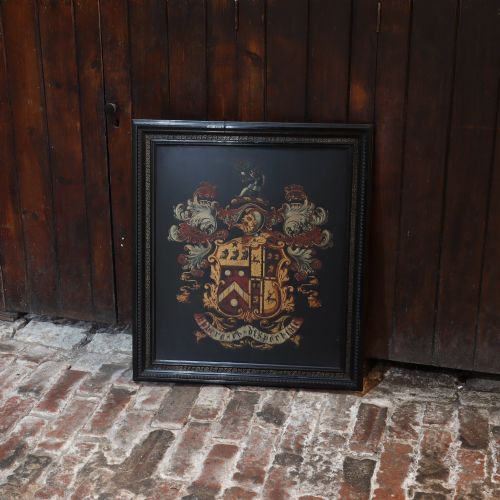
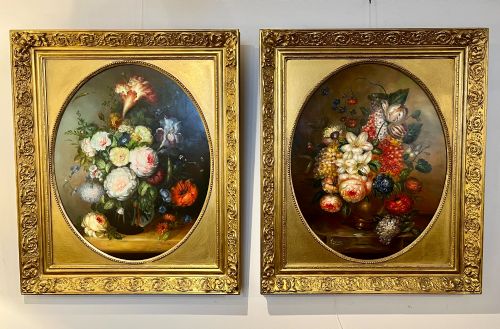
The subjects found within this category range widely across traditional genres, encompassing detailed canine portraits, Dutch-style still lifes, rural landscapes, and coastal seascapes. Portraiture and heraldic panels also appear, often housed within period gilt frames.
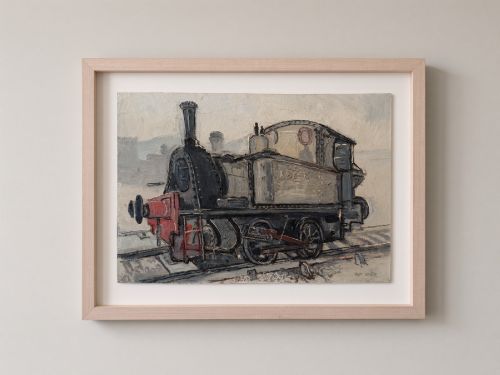
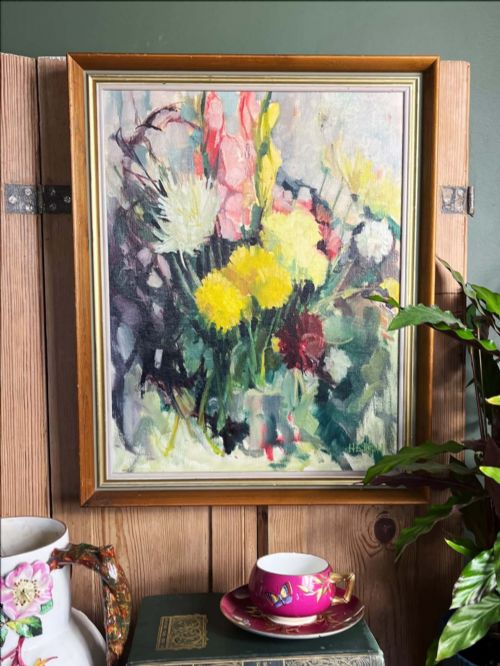
Buyers frequently encounter nineteenth-century rural scenes and mid-century British or European landscape compositions on this page. The integration of the wooden support gives these works a distinct durability and a flat surface that prevents the flexing common in older canvases.
Materials and construction
Artists painted directly onto prepared wood panels, heavy boards, or occasionally canvas laid down onto board to create a rigid foundation. Gesso was commonly applied to prime the wooden surface, ensuring the board accepted the oil paint smoothly and preserved the vibrancy of the pigments over decades.
Gilt frames, often ornamented with moulding, enclosed these panels to protect the edges and complement the tonal balance of the composition. The physical interaction between oil paint and rigid wood panels allowed artists to employ impasto techniques, leaving thick, textured brushstrokes that hardened securely on the support.
The listings on this site feature works spanning the Georgian, Victorian, Edwardian, and mid-century modern periods, executed primarily in oil on wood and board.
Distinguishing the finer examples
The hierarchy of quality in these works rests upon the confidence of the brushwork and the precision with which the artist handles light and spatial depth. Finer examples display a surety of line and tonal harmony that elevate a straightforward landscape or portrait into a compelling historical record.
The condition of the original surface and the sympathetic pairing of the panel with its period frame influence the standing of a piece. Works that retain their unblemished impasto textures and carry legible signatures or documented provenance naturally command greater attention from collectors.
Felix Stone Moscheles·Kershaw Schofield·Charles Houben·Alexander Jamieson·John Moore of Ipswich
The Framed Board Painting Glossary
- Gesso
- A white paint mixture consisting of a binder mixed with chalk, gypsum, or pigment, used to prepare wood panels for painting. This ground layer provides a smooth and stable surface for oil application.
- Impasto
- A technique where paint is laid on an area of the surface in very thick layers, usually thick enough that the brush or painting-knife strokes are visible. When dry, impasto provides texture, making the painted elements appear to stand out from the board.
- Panel
- A flat piece of wood used as a support for a painting instead of canvas. Wooden panels were widely favored by artists for their rigidity and longevity.
- Genre painting
- The pictorial representation in art of scenes or events from everyday life, such as markets, domestic settings, and street scenes. These works offer a window into the social history of their respective periods.
Framed Board Painting: Frequently Asked Questions
What is a framed board painting?
A framed board painting is an artwork executed on a rigid wooden panel or sturdy board and housed within a decorative protective border. These pieces utilise oil or gouache pigments applied directly to prepared surfaces.
The use of wood or board substrates distinguishes these items from standard canvas works, offering a rigid support that has endured across centuries of domestic display.
How do I date these works?
Dating relies on stylistic clues, clothing styles in portraits, framing techniques, and signatures or inscriptions left by the artist. Victorian and Edwardian pieces often feature detailed realism or romantic landscapes, whereas mid-century examples lean towards abstraction.
Examining the reverse of the board frequently reveals old gallery labels, stamps, or handwritten dates that provide a clearer timeline for the creation of the piece.
Where were these paintings displayed?
Historically, these works hung in domestic parlours, country houses, and institutional settings as decorative focal points. Smaller panels were easily portable and suited intimate spaces within period homes.
Pub signs and heraldic panels served commercial or civic functions, marking establishments and displaying lineage before transitioning into decorative collections.
How should I care for a board painting?
Maintaining these works involves keeping them away from direct sunlight and maintaining stable indoor humidity levels to protect the wooden substrate. Sudden environmental changes can cause wood to warp or paint layers to crack.
Dusting the frame and panel gently with a soft, dry cloth is sufficient for routine maintenance without risking the integrity of the painted surface.