



Framed Atmospheric Landscape Painting
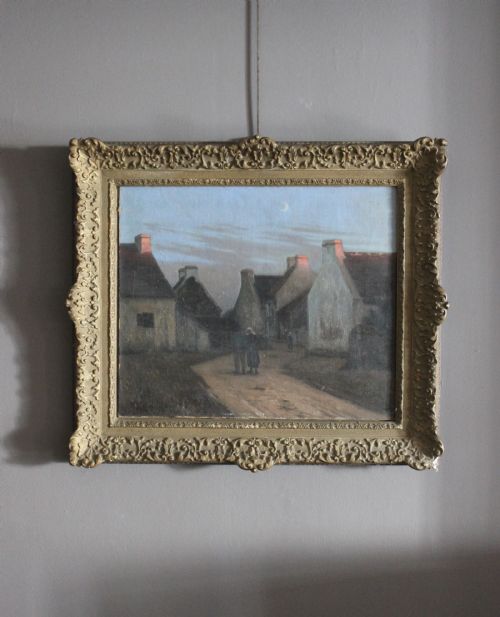
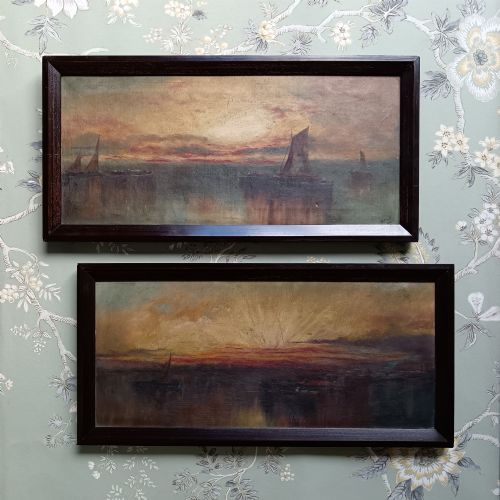
A framed atmospheric landscape painting captures fleeting light and weather, offering a quiet window into past rural or coastal scenes.
Framed Atmospheric Landscape Painting
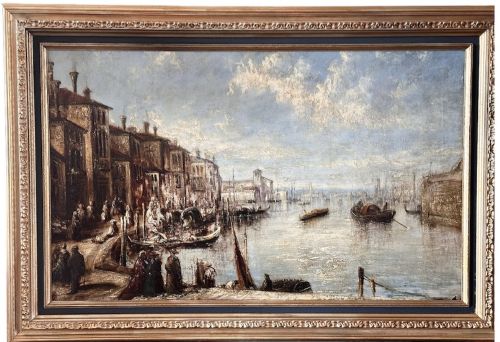
A framed atmospheric landscape painting is a work of art that focuses on mood, weather, and light rather than strict topographical precision. Buyers seeking a framed atmospheric landscape painting will find works originating from the Victorian period through to the mid twentieth century, encompassing British Impressionism, Post-Impressionism, and Edwardian styles. These pieces capture specific scenes such as rivers, stormy skies, and coastal harbours.
The selection includes both oil paintings and watercolours housed in traditional wood frames, often protected behind glass in the case of works on paper. Common subjects range from mountain ranges and marshes to Venetian canals and historic abbeys. The dates span from the nineteenth century up to nineteen sixty, reflecting evolving approaches to capturing natural light.
What varies in quality
The strength of composition and the artist's ability to render light and weather dictate the distinction between standard and superior works. Handling of pigment, particularly in conveying movement in water or turbulent skies, separates casual sketches from accomplished paintings.
The integration between the artwork and its period wood frame also influences the overall cohesion of the piece. Works that retain their original framing and bear clear signatures demonstrate stronger provenance.
Framed Atmospheric Landscape Painting Retail Price Guide 2026
Typical asking prices for framed atmospheric landscape painting among the pieces listed under this phrase on Sellingantiques today, from the lower quarter to the upper quarter. They describe what is for sale here now, not the wider market.
Current listings feature works spanning the nineteenth century through to nineteen sixty, including oil paintings, watercolours, and mixed media landscapes.
Francis Moltino·Charles Leslie·George Weatherill·Gudrun Sibbons·Edward Seago·James Kay
The Framed Atmospheric Landscape Painting Glossary
- Oil on canvas
- A painting technique where oil-based pigments are applied to a woven fabric support stretched over a wooden frame. This method allows for rich blending and textured brushwork.
- Watercolour
- A painting method where water-soluble pigments are applied to paper. It produces translucent washes of colour well suited to capturing soft atmospheric light.
- Impressionism
- An art movement focusing on accurate depiction of light and its changing qualities. Artists often used visible brushstrokes to portray everyday scenes.
- Panel
- A flat piece of wood or other rigid material used as a support for painting instead of canvas. It provides a firm surface for detailed brushwork.
- Provenance
- The chronological history of the ownership of a work of art. Documented origins help confirm authenticity and historical context.
Framed Atmospheric Landscape Painting: Frequently Asked Questions
How do I hang a heavy framed landscape?
Heavy framed oil paintings require robust picture hooks secured directly into wall studs or masonry using appropriate wall anchors. Weight distribution across two fixings helps keep large canvases level.
Ensure the hanging wire or brackets attached to the wooden frame are structurally sound before mounting the artwork at eye level.
Should watercolour landscapes be kept out of direct sunlight?
Watercolour paintings use pigments on paper that remain sensitive to ultraviolet light and fading over time. Hanging them away from direct sun exposure protects the delicate washes.
Glazing with UV-filtering glass provides an extra layer of defence for works on paper.
How do I clean an antique oil painting frame?
Dust wooden frames gently with a soft, dry brush to remove surface particles without disturbing any gilded or painted finish. Avoid using liquid cleaners or household detergents on antique wood.
Professional conservators should handle any deep cleaning or restoration required on fragile frame mouldings.
What is the difference between oil and watercolour landscapes?
Oil paintings utilise thick, opaque pigments on canvas or panel, allowing for textured brushwork and deep colour layering. Watercolours employ translucent washes on paper, offering a lighter visual effect.
Oils generally do not require glass protection, whereas watercolours must remain sealed behind glass to prevent moisture damage.