



Framed Asian Wall Hanging
A framed asian wall hanging brings centuries of textile artistry and detailed craftsmanship straight to your interior.
Framed Asian Wall Hanging
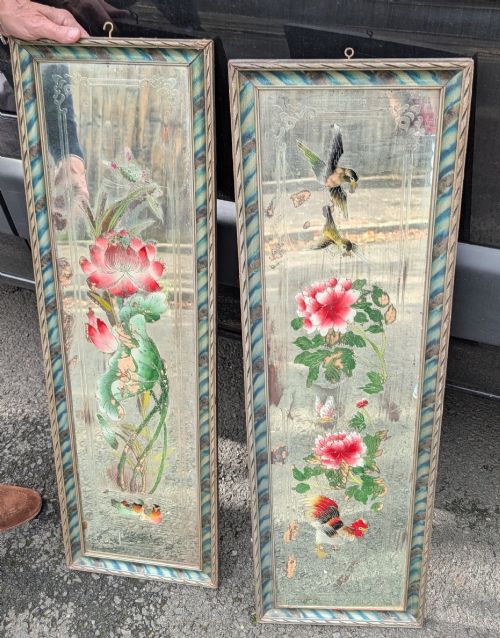
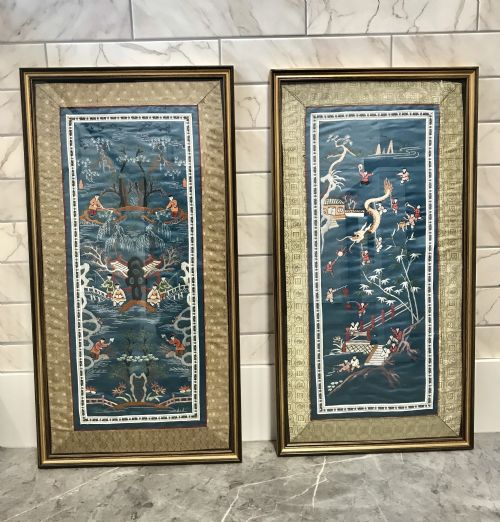
A framed asian wall hanging encompasses diverse textile works, traditional paintings, and mirrors originating from various periods and cultural traditions. When searching for a framed asian wall hanging, you encounter embroidered silk panels, woven tribal fragments, and decorative mirrors housed behind glass.
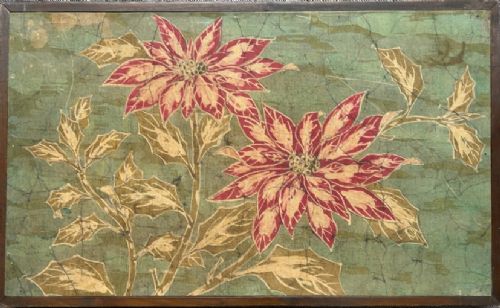
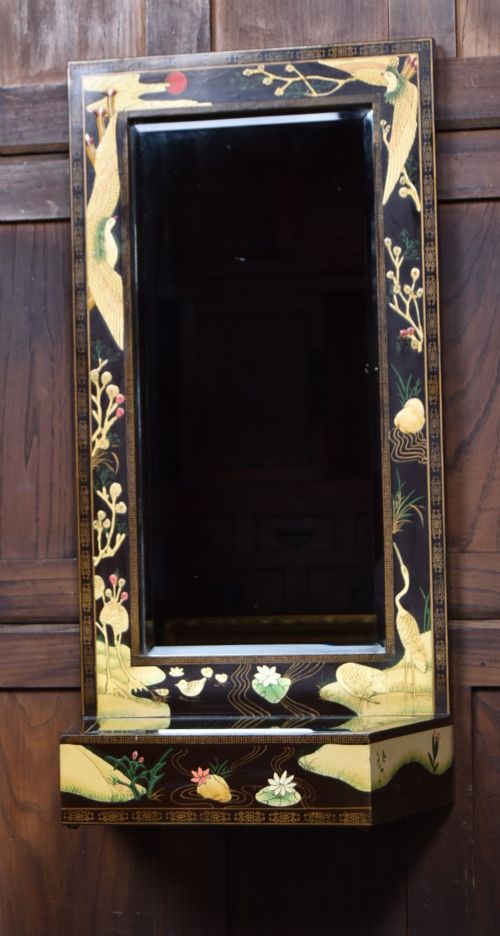
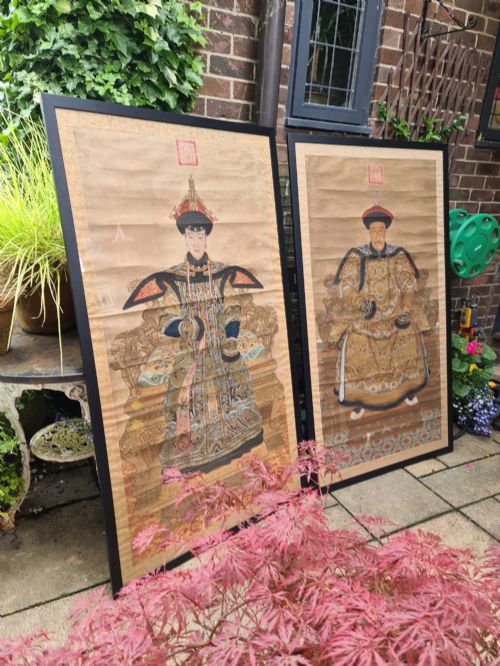
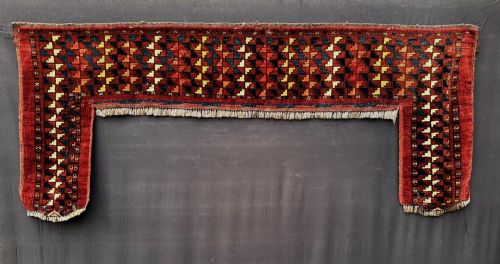
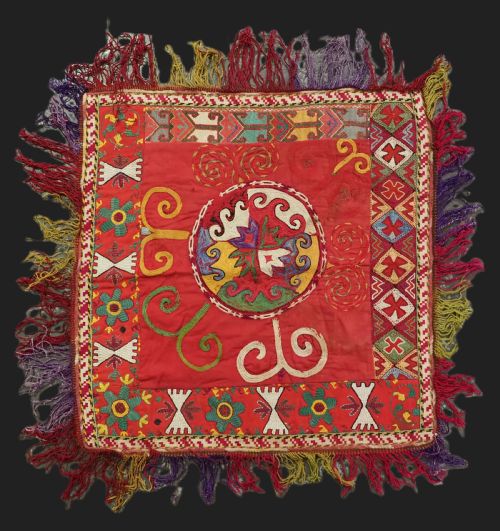
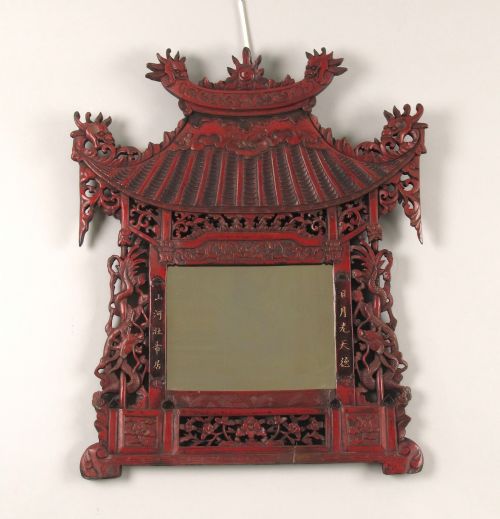
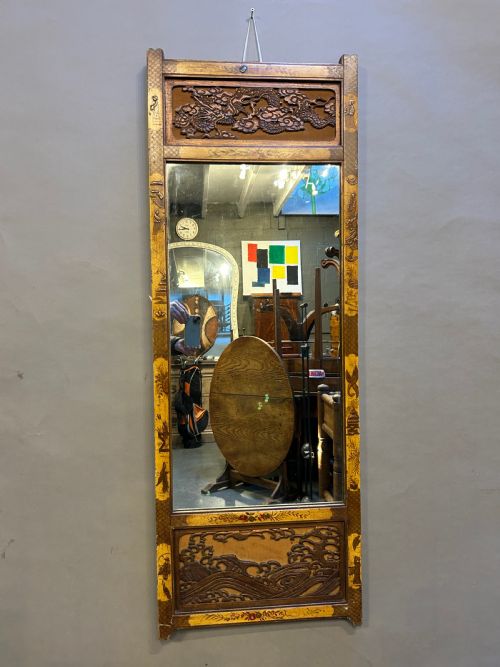
The selections range from nineteenth century Chinese ancestral scrolls and red lacquer pagoda mirrors to mid-twentieth century batik floral panels. Central Asian tribal pieces, including Turkmen and Uzbek embroideries, also appear frequently within these listings.
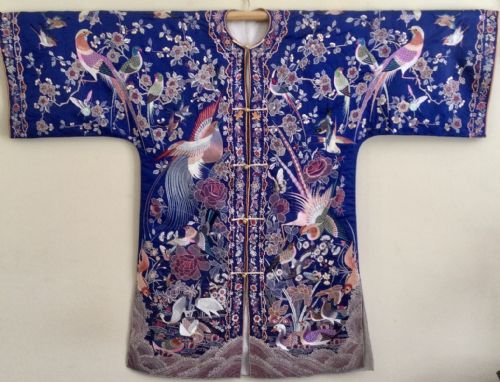
Makers and artisans utilised traditional motifs such as dragons, trees, flowers, and geometric patterns to decorate these textiles and paintings. Each piece reflects the specific regional techniques and stylistic influences of its era, spanning the eighteenth century to the mid-century modern period.
Materials and construction methods
Textile works rely on natural fibres including silk, cotton, wool, linen, and paper mounted securely within wooden frames, often protected beneath glass. Artisans employed meticulous hand-sewing, embroidery, and ikat dyeing techniques to create intricate patterns on panels and garments.
Rigid items incorporate carved wood, glass, and red lacquer, particularly evident in the construction of decorative wall mirrors and pagoda frames. These physical components dictate the structural integrity and aesthetic weight of each hanging.
Tribal textiles frequently showcase heavy embroidery or woven construction using wool and cotton, designed originally for domestic decoration or dowry purposes. The combination of delicate silk threads with robust wooden or lacquer frames ensures long-term preservation of the artwork.
A goose in flight once inspired an anonymous silk artist to capture an entire migration behind glass.
Assessing quality in framed pieces
Quality rests upon the intricacy of the hand-sewn embroidery, the preservation of natural dyes, and the fineness of the silk or cotton fibres. Superior examples display dense, precise needlework and well-defined pictorial compositions without significant fading or structural loss.
The integrity of the supporting frame, whether carved wood, red lacquer, or period moulding, contributes substantially to the overall standard of the object. Original glass and secure mounting further distinguish exceptional historical wall art from standard decorative items.
The Framed Asian Wall Hanging Glossary
- Suzani
- An embroidered tribal textile originating from Central Asia, typically featuring large floral or geometric medallions on a cotton or linen ground. These panels were traditionally made as part of a bride's dowry.
- Ikat
- A dyeing technique where warp or weft threads are tie-dyed before weaving to create characteristic blurred pattern edges. This method produces intricate, colourful designs seen in coats and wall panels.
- Chinoiserie
- A European style reflecting Chinese artistic influences, popular across various historical periods including the Edwardian era. It appears frequently in decorative mirrors and framed wall art.
- Gapylyk
- A traditional Turkmen tent hanging or doorway cover often woven with rich tribal motifs. Collectors prize these textiles for their authentic regional designs and historical significance.
- Pagoda
- A tiered tower structure with multiple eaves, frequently depicted in Chinese art and utilised as a decorative motif in red lacquer wall mirrors. This architectural form defines specific nineteenth-century pieces.
Framed Asian Wall Hanging: Frequently Asked Questions
How do I hang a heavy framed textile?
Ensure your wall fixings match the weight of the wooden frame and glass panel, utilising appropriate wall plugs and screws.
Consult a professional framer if the hanging lacks secure D-rings or wire to support the piece safely.
Are these textiles protected behind glass?
Many framed silk panels and embroideries are housed beneath glass to shield delicate organic fibres from dust and atmospheric damage.
Unframed textiles or mounted embroideries may remain exposed, requiring careful placement away from direct sunlight.
How do I date a Chinese scroll?
Dating relies on material analysis, mounting style, artistic conventions, and documented historical periods such as the nineteenth century.
Examining the pigments, silk quality, and framing hardware helps distinguish older ancestral scrolls from later reproductions.