

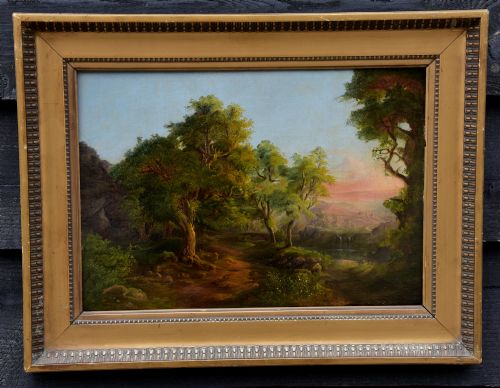
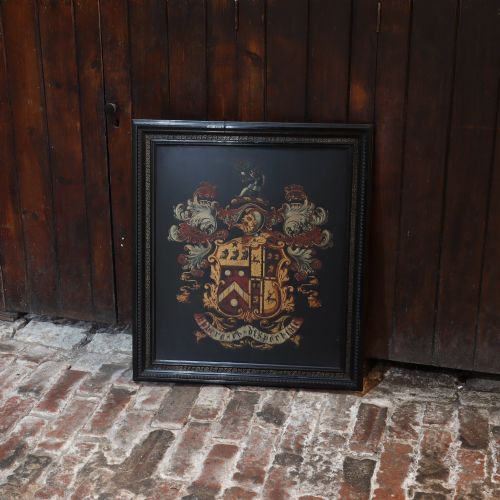
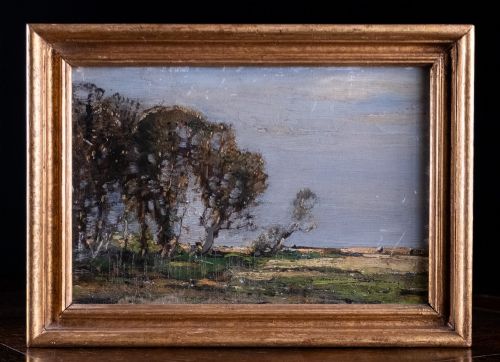
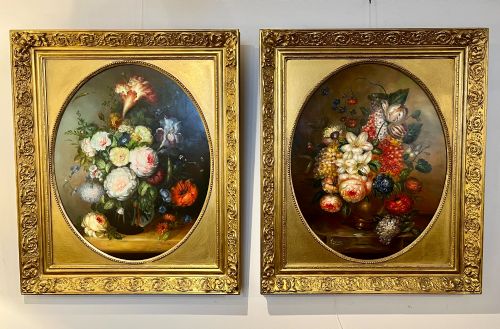
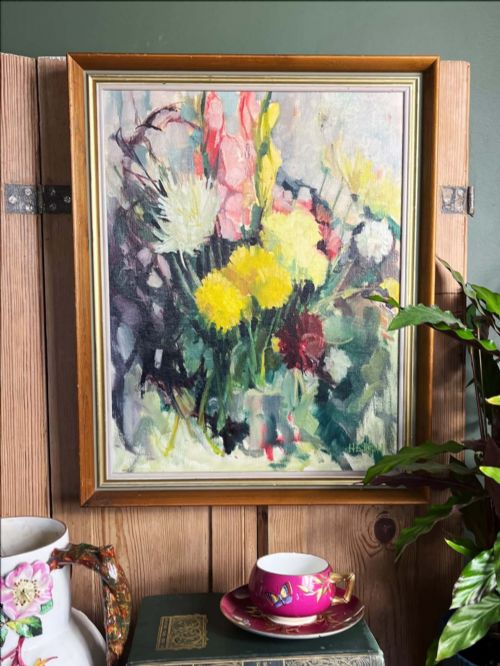

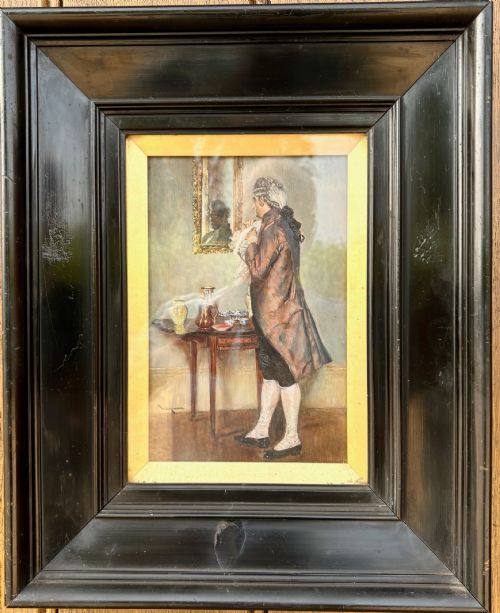
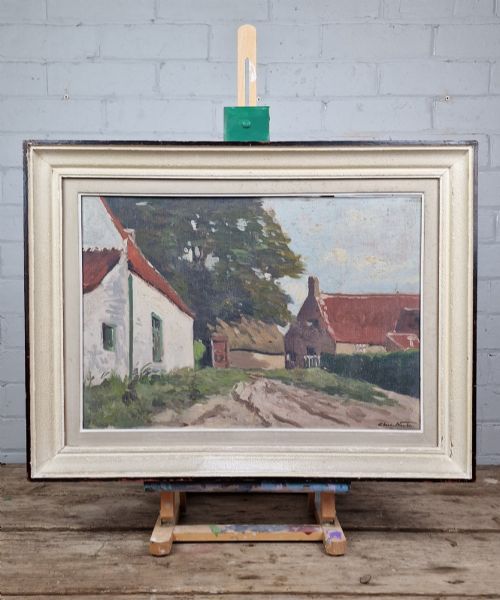
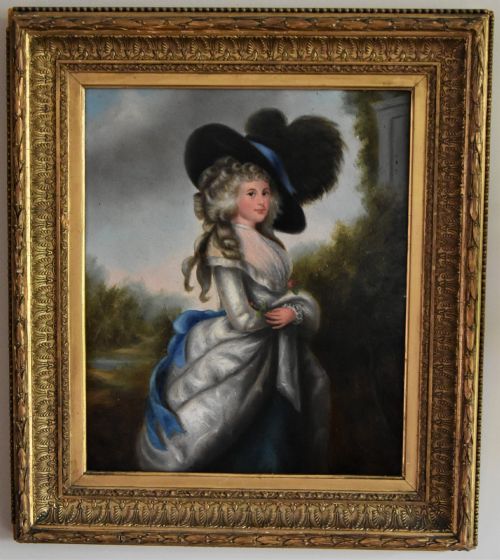
Framed Artwork on Board
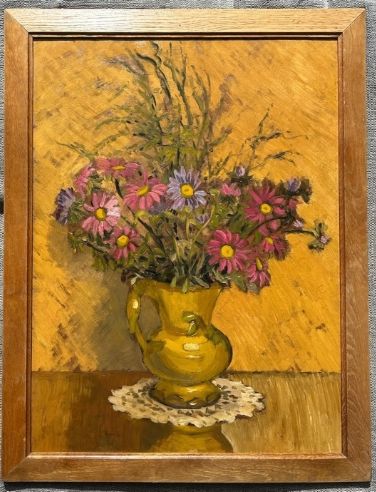
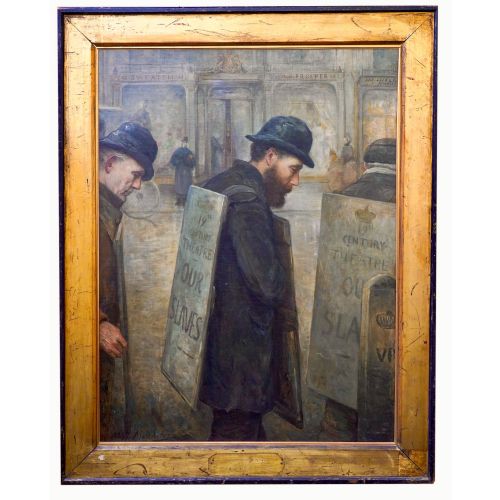
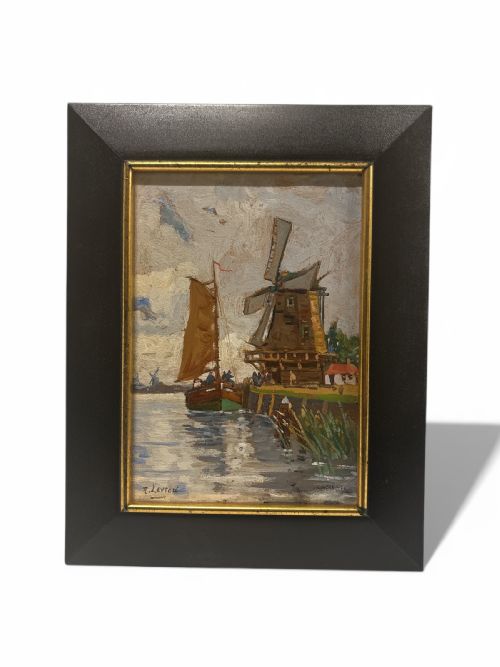
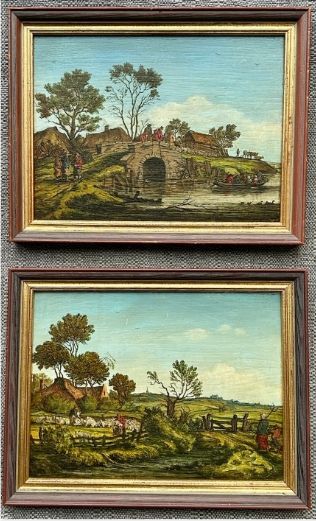
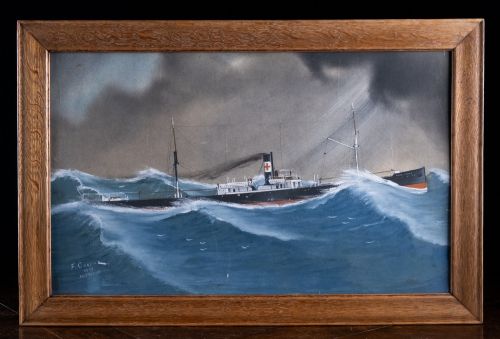
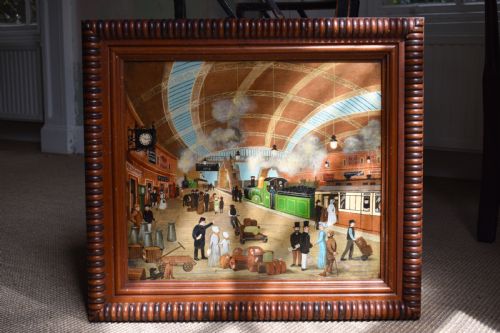
Framed artwork on board comprises solid support panels painted in oil or gouache, bringing rich texture and lasting durability to interior spaces.
Framed Artwork on Board
When you search for framed artwork on board, you encounter rigid support panels carrying pigment rather than flexible woven fabric. These surfaces range from simple wooden boards and wood panels to thick compressed material, offering a stable ground for painters.
The selections span the nineteenth century up through mid-century modern movements. Victorian portraiture, Edwardian landscapes, and mid-century impressionist scenes dominate the physical offerings.
Most examples come already housed in period frames, often finished with gilt or gesso ornament. These mountings complete the visual presentation and protect the perimeter of the painted panel.
How these pieces were constructed
Artists applied oil paint or gouache directly onto wooden panels, heavy card, or prepared board surfaces. Pigments often sit thickly on the rigid ground, sometimes building up substantial impasto texture that catches the light.
Makers enclosed the finished panels within wooden frames, occasionally embellishing the mouldings with moulded gesso and gold leaf. These surrounds provided mechanical protection to the edges of the flat support.
Several Victorian panels preserve stray cat hairs embedded firmly within the dried oil paint, offering a permanent greeting from the studio floor.
What distinguishes quality in these panels
Brushwork confidence and control over pigment density separate accomplished composition from amateur execution. Superior pieces display assured handling of light, tone, and perspective across the rigid ground.
The relationship between the painted surface and its housing dictates visual success. Original gilt or gesso frames that complement the exact period and palette of the artwork elevate the entire object.
Felix Stone Moscheles·Kershaw Schofield·Charles Houben·Alexander Jamieson·Donald McIntyre
The Framed Artwork on Board Glossary
- Board
- A rigid flat support made from wood, card, or composite material used instead of stretched canvas. Painters favoured its stability and resistance to sagging.
- Gesso
- A plaster mixture applied to wood panels or frame mouldings to prepare a smooth surface for painting or gilding. It accepts and holds intricate relief details.
- Impasto
- Paint applied thickly to a surface, standing out in relief from the plane. This technique gives a tangible, three-dimensional quality to brushstrokes.
- Gilt
- A thin layer of gold or gold-like material applied to wood or gesso frame surfaces. It provides a reflective, decorative border that enhances the artwork.
Framed Artwork on Board: Frequently Asked Questions
Why did artists paint on board instead of canvas?
Rigid panels offered a solid, unyielding surface that required no tension adjustment and resisted punctures or tears. Painters often preferred them for outdoor sketching and smaller detailed compositions.
Boards also provided an immediate, smooth tooth that accepted fine brushwork or heavy impasto without the bounce associated with woven textiles.
How do I know if the frame is original?
Original frames generally show matching age indicators, such as shrinkage cracks in the gesso, oxidised gilding, and appropriate backboards or fixings that align with the painting's period. The dimensions of the rebate should fit the panel snugly.
Secondary indicators include framer stamps or labels adhered to the reverse wood or paper backing tape, connecting the mount directly to the era of creation.
How should I clean a painted board?
Surface dust should be removed gently with a very soft, dry brush, taking care around areas of thick impasto or flaking pigment. Moisture and domestic cleaning agents must be avoided entirely.
Professional conservators should handle any deeper grime or discoloured varnish layers to prevent permanent damage to the underlying oil paint.
Can I hang these works in direct sunlight?
Ultraviolet light degrades organic pigments and accelerates the yellowing of old varnish layers over time. Wall placements should avoid prolonged daily exposure to direct rays.
Stable room temperatures and moderate humidity also prevent the wooden panels and frames from warping or splitting along their grain.