


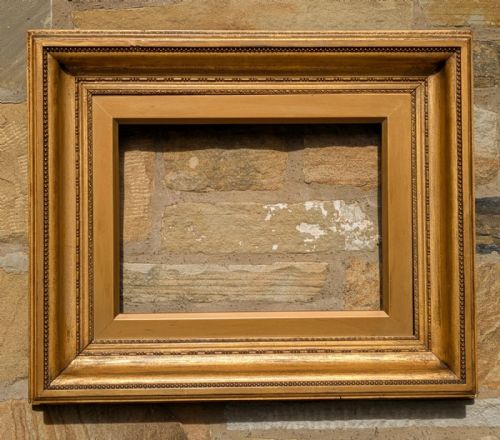


Framed Profile Picture
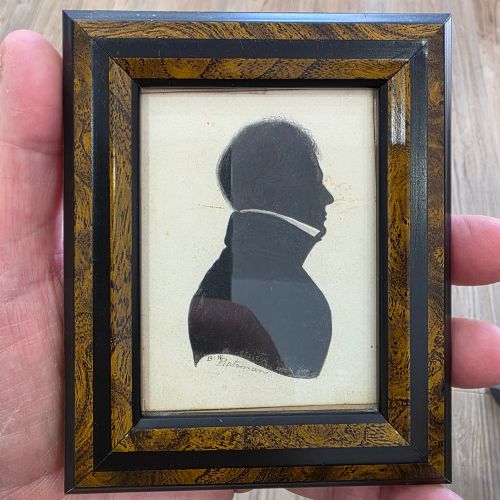
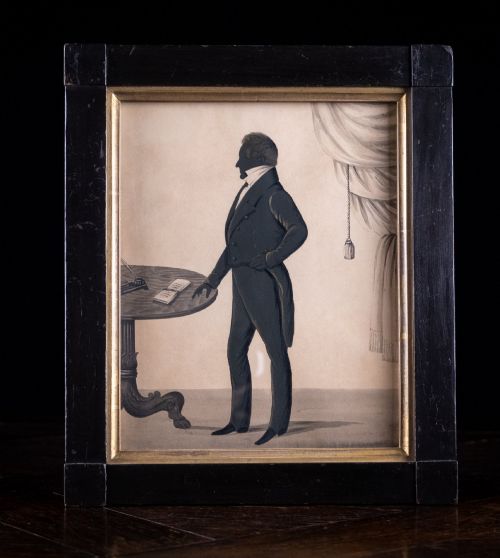
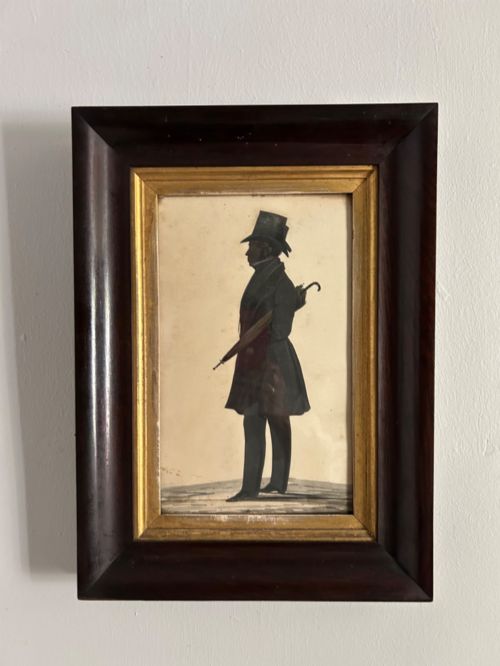
A framed antique profile picture captures the sharp likeness of an ancestor through cut paper, ink, or reverse painting.
Framed Profile Picture
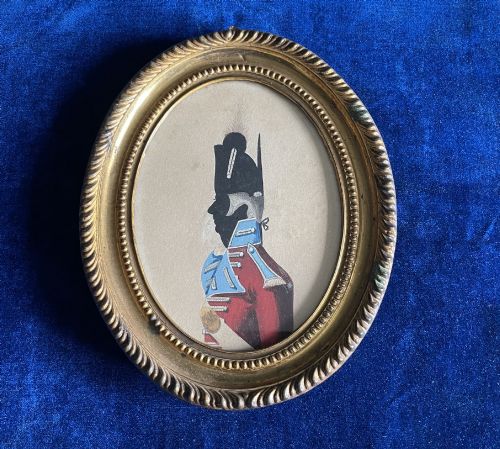
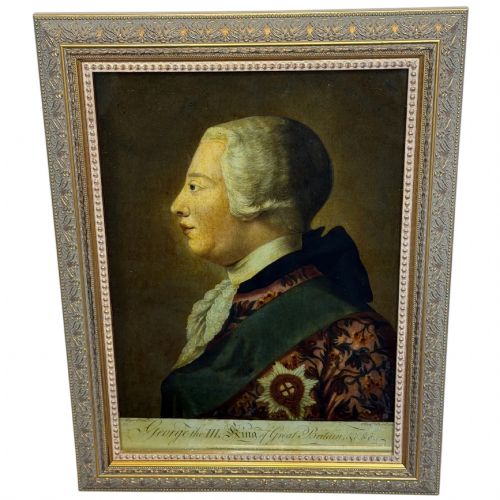
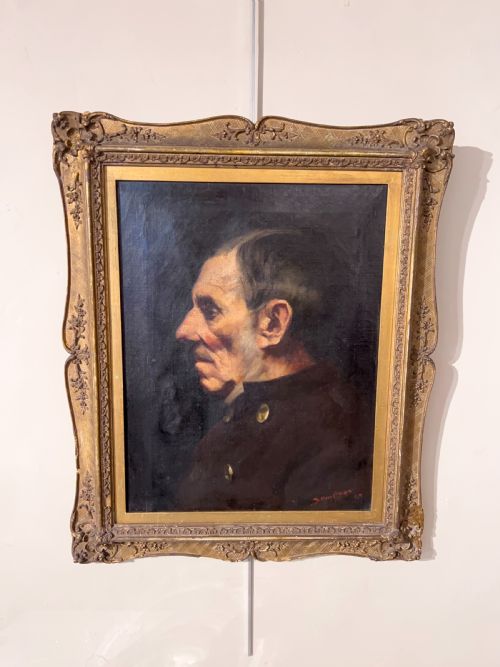
A framed antique profile picture offers a direct window into past centuries through distinct likenesses of gentlemen, ladies, and children. When searching for a framed antique profile picture, buyers frequently encounter delicate paper silhouettes alongside reverse painted mezzotints and pastel drawings.
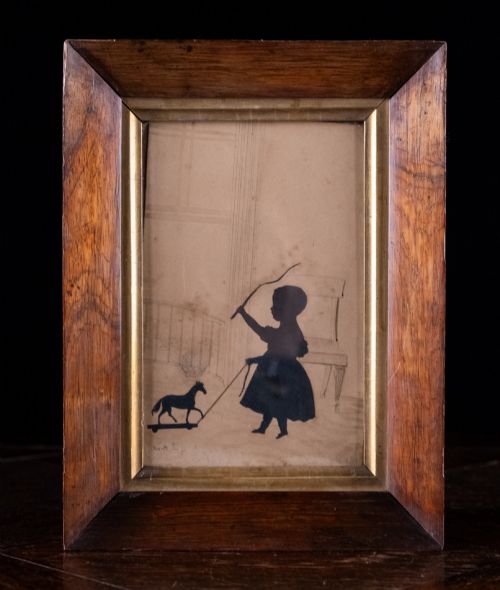
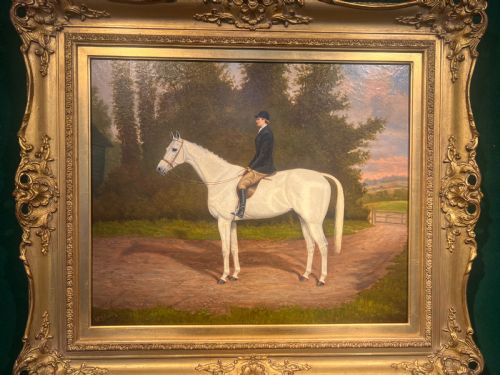
The pieces on this page span the eighteenth and nineteenth centuries, taking the form of wall art, portrait miniatures, and silhouette portraits. Common subjects include single figures, family conversation pieces, and children accompanied by animals.
Origins stretch from Georgian and Regency eras through the Victorian period, reflecting evolving tastes in domestic portraiture. Collectors find everything from simple cut paper items to elaborate conversation pieces depicting multiple figures.
Materials and technique
Makers utilised paper, card, and glass as the primary surfaces for capturing profiles in ink, charcoal, and oil paint. Silhouette artists often cut freehand or painted directly onto glass with fine detail.
Giltwood, brass, rosewood, and maple form the protective enclosures surrounding these artworks. Heavy Victorian frames and carved Florentine surrounds house the paper, canvas, and glass panels securely.
Children, horses, dogs, and Hansel and Gretel regularly share frame space with stern gentlemen and elegant ladies.
Distinctions in quality
The skill of the hand defines the highest tier, where delicate scissor work or confident brushstrokes render convincing likenesses without hesitation. Lesser examples rely on crude outlines that miss the specific anatomy of the sitter.
Material preservation separates superior pieces from the rest, maintaining crisp paper edges, clear ink contrast, and stable glass without clouding. Original frames matching the period enhance the integrity of the whole object.
Signed works and identified sitters elevate the standing of a profile portrait significantly. Documentation linking a piece to a known gallery or artist provides historical weight absent in anonymous works.
Bateman·Augustin Edouart·Hubard Gallery·Richard Purcell·Bertram Priestman RA·Royal Victoria Gallery·J. Deacon·George Atkinson·John Miers
The Framed Profile Picture Glossary
- Silhouette
- A solid black profile portrait, typically cut from paper or painted on card or glass. This form relies entirely on outline and shadow to define the sitter.
- Reverse painting
- An artwork created by applying pigment directly to the back of a glass sheet so the image is viewed through the front. This technique protects the paint from atmospheric damage.
- Conversation piece
- An informal group portrait showing family members or associates interacting in a domestic setting. These complex silhouettes often incorporate animals and household objects.
- Mezzotint
- A printmaking process of the intaglio family where tonal gradations are achieved by roughening the copper plate. It allows for subtle transitions of light and dark.
- Portrait miniature
- A small, highly detailed painting or drawing created for personal viewing. These intimate works utilise watercolour or oil on card, ivory, or vellum.
Framed Profile Picture: Frequently Asked Questions
How do I date a silhouette?
Dating relies on costume details such as hairstyles, cravats, and dresses depicted in the profile. Hair ribbons, high collars, and bonnets shift noticeably between the Georgian and Victorian eras.
Framing materials and backing papers also provide vital clues to the age of the piece. Early examples often utilise specific rosewood or papier-mâché surrounds with brass trade labels.
Where should I hang these?
These intimate portraits suit narrow wall spaces, hallways, or gallery walls grouped alongside other small works. Their restrained palette allows them to complement both traditional and modern interiors.
Keep them away from direct sunlight to prevent the fading of delicate paper, ink, and watercolour pigments. Stable indoor humidity protects both the antique frames and the paper supports.
How are glass silhouettes made?
Artists painted the profile directly onto the reverse side of a glass panel, sometimes adding gold leaf highlights. Viewing the work through the glass creates a rich depth.
This technique protects the delicate pigments from dust and physical contact over the centuries. Many of these pieces retain their original convex glass and backing boards.