


Framed Farm Painting
A framed antique farm painting brings the textures of rural life indoors, depicting livestock, harvests and homesteads through brushwork that captures a vanished countryside.
Framed Farm Painting
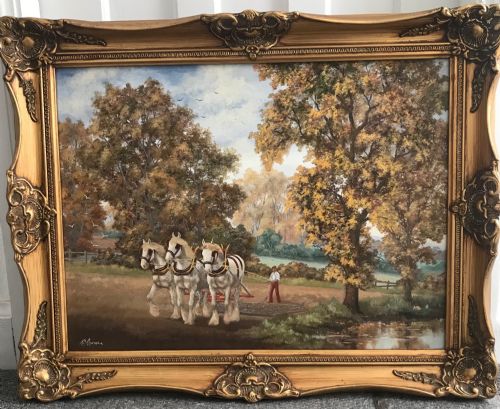
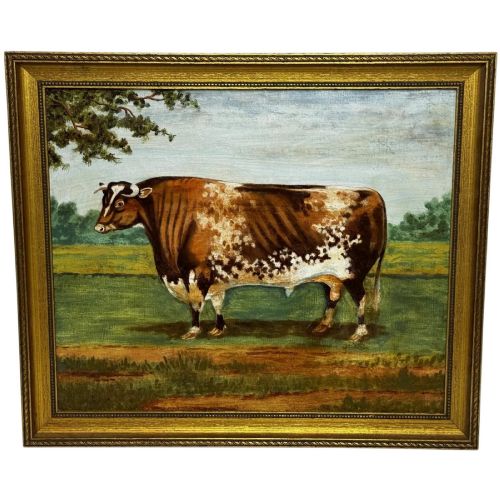
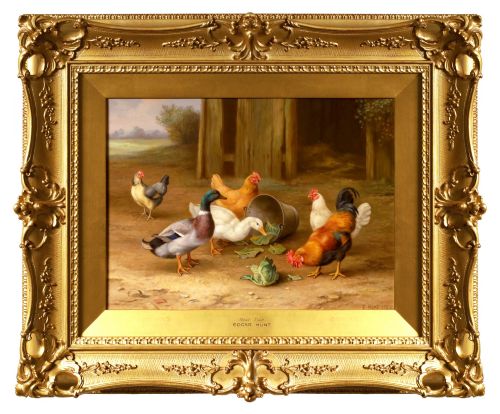
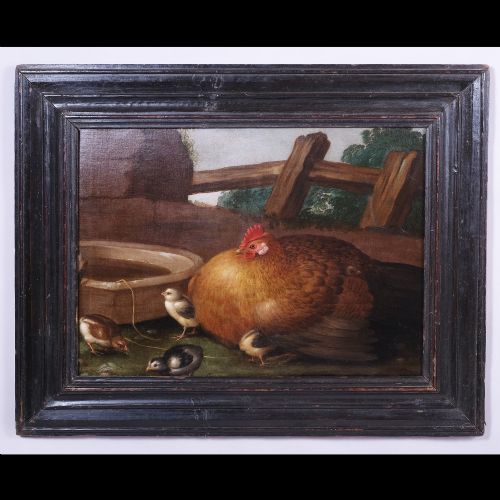
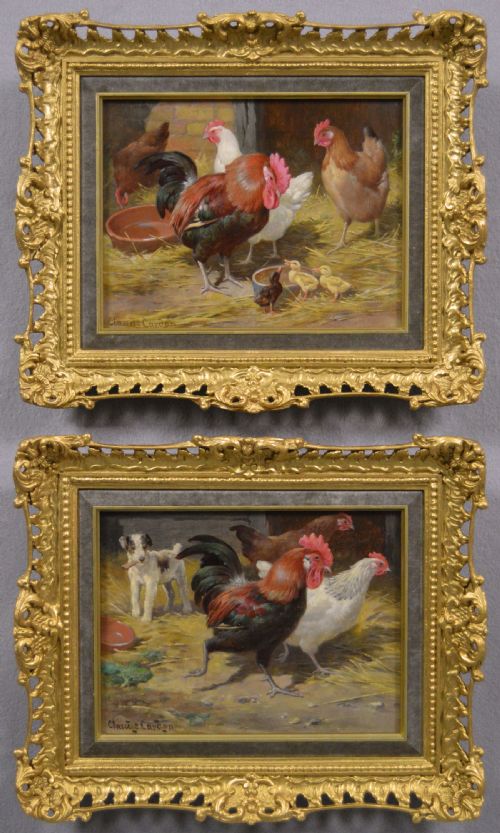
A framed antique farm painting centres on the daily realities of 19th-century and early 20th-century agriculture, portraying horses, cattle, poultry and farmhands within pastoral landscapes. The most common examples encountered on this page date from the Victorian period through to the Edwardian era, reflecting a time of intense artistic interest in rural life.
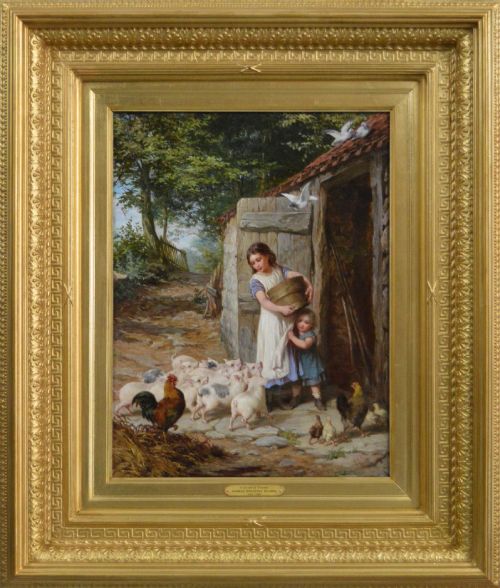
The compositions range from intimate studies of chickens and pigs in a farmyard to sweeping watercolours of harvest scenes and working plough teams. British and European schools dominate the selections, offering both detailed realist depictions and looser impressionistic treatments of rural subjects.
Materials and construction
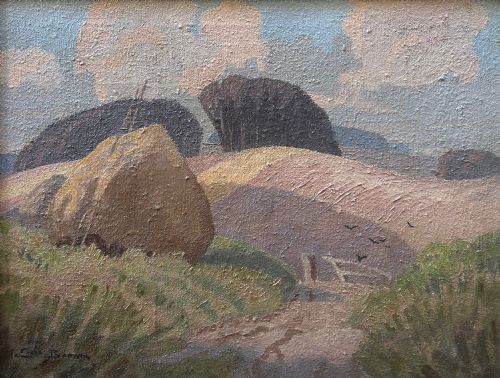
Oil on canvas and oil on board form the foundation of most works, applied with brushes that build up texture in animal coats and landscape foliage. Watercolours on paper appear frequently alongside these oils, utilising transparent washes to capture natural light.
Many works retain period frames constructed from wood and finished with gold leaf or giltwood, serving to protect the edges of the canvas and complement the tones of the painted scene.
Object types cover both framed oil paintings and watercolours executed in British and European schools.
Distinctions in quality
Quality rests in the anatomical accuracy of the animals and the handling of light across the landscape. The strongest works demonstrate a studied understanding of livestock posture and movement, whereas lesser examples rely on formulaic repetition.
The integration of the painted surface with its frame also marks the grade of a piece, as original period framing preserves the intended visual boundary of the artwork.
George Augustus Holmes·Edgar Hunt·Claude Cardon·John Frederick Herring Jnr·Thomas Sidney Cooper
The Framed Farm Painting Glossary
- Oil on Canvas
- Pigment mixed with drying oil applied to a stretched woven fabric support. This medium allowed artists to achieve rich colour depth and durable surface textures.
- Watercolour
- Pigment ground in a water-soluble binder applied to paper. It relies on the white of the paper to show through translucent washes.
- Giltwood
- Wood carved and coated with gold leaf or a metallic substitute. It provided traditional picture frames with a bright, reflective border.
- British School
- A designation for paintings executed by artists working within Britain. It groups together works sharing regional stylistic traits rather than a single academy.
Framed Farm Painting: Frequently Asked Questions
What subjects appear in these paintings?
The canvases and watercolours depict working farmyards, horses at the trough, prize livestock, and harvest laborers. Domestic animals such as pigs, ducks, and chickens frequently share the foreground with cattle and sheep.
Scenes range from quiet pastoral interiors to wide landscapes featuring hay carts and plough teams across British and European countryside settings.
How do I date a farm painting?
Dating relies on stylistic clues, framing, and recorded artist active dates spanning the 19th and early 20th centuries. Victorian and Edwardian works often display specific costume details or agricultural equipment tied to those decades.
Signatures, inscriptions on the reverse, and the construction methods of the wooden stretcher or frame provide further chronological markers.
Where were these rural scenes painted?
Artists worked across British rural counties, as well as in French and Belgian farming regions. Locations such as Normandy or specific farms frequently inspired the topographical settings.
Many painters spent time observing livestock directly in farmyards and pastures to capture realistic postures before finishing the works in their studios.
How should I hang an antique painting?
These artworks require placement away from direct sunlight and excessive moisture to protect the canvas, paint layers, and giltwood frames. Stable indoor humidity prevents warping in both the wooden panels and stretchers.
Secure picture hooks rated for the weight of the framed piece ensure safe display on interior walls.