

Framed Dress
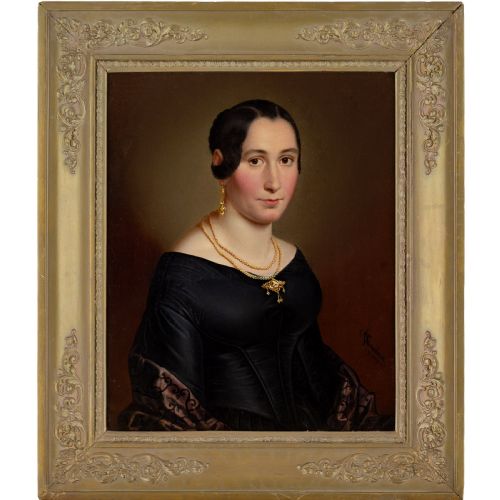
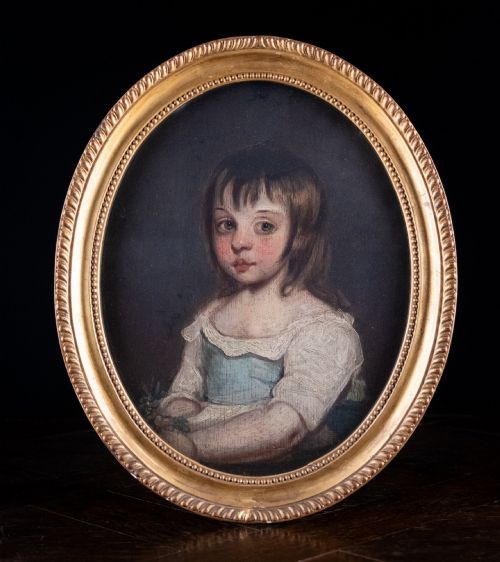
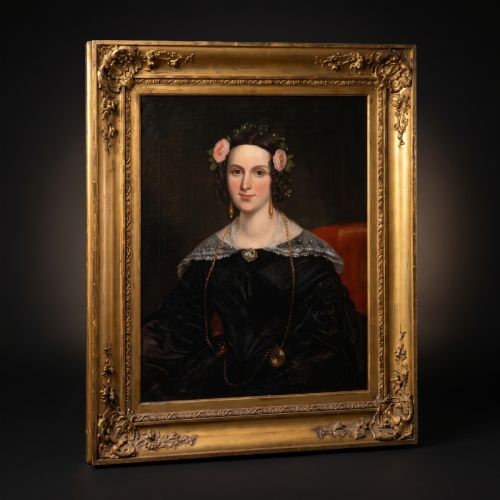
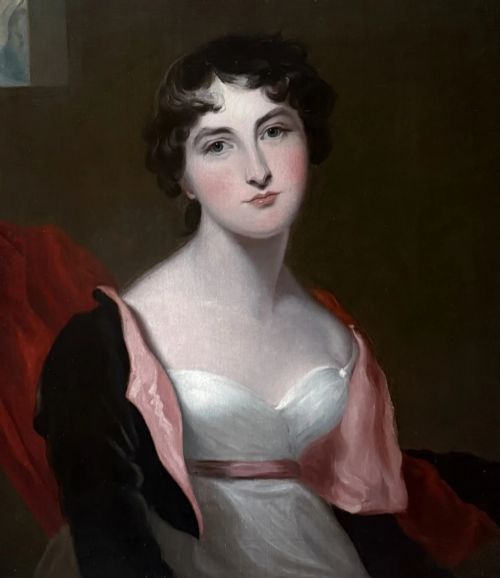
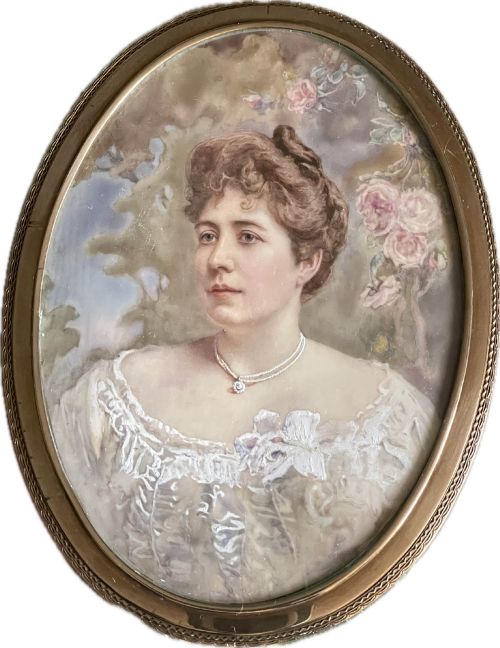
Framed antique dress compositions appear chiefly as oil on canvas portraits depicting figures in period costume.
Framed Dress
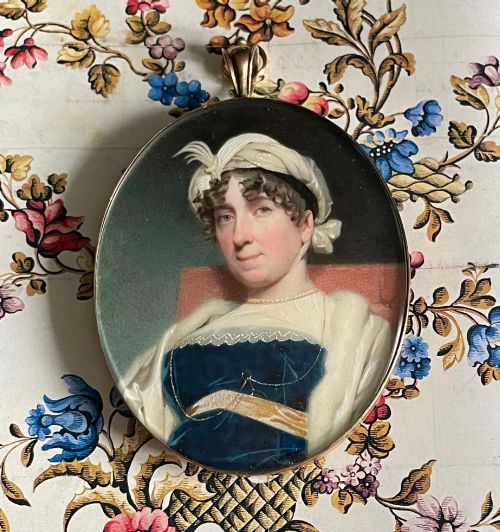
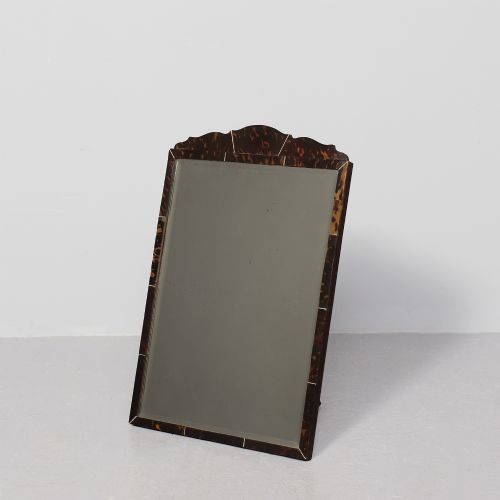
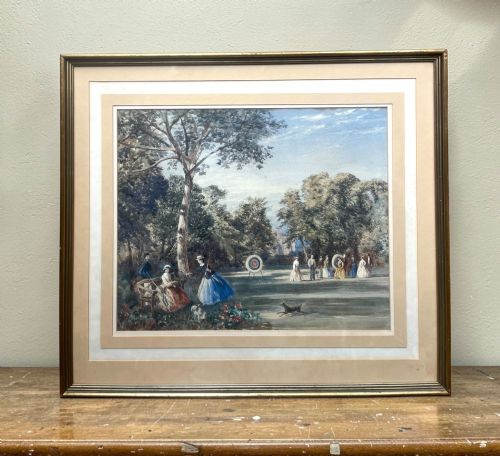
A framed antique dress search directs attention towards historical oil paintings, pastels, and watercolours capturing subjects in detailed historical attire alongside functional dressing table mirrors.
The selection encountered most frequently spans the seventeenth, eighteenth, and nineteenth centuries, featuring portraits of nobility and country figures in elaborate garments.
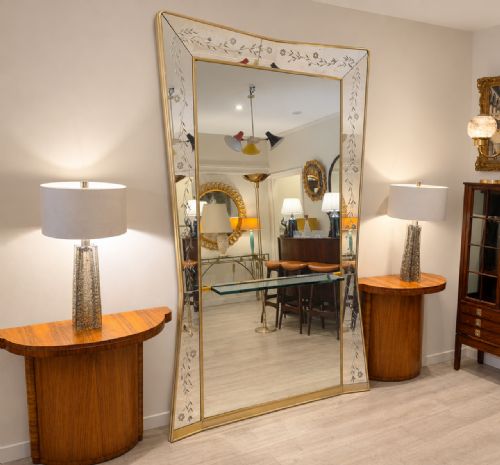
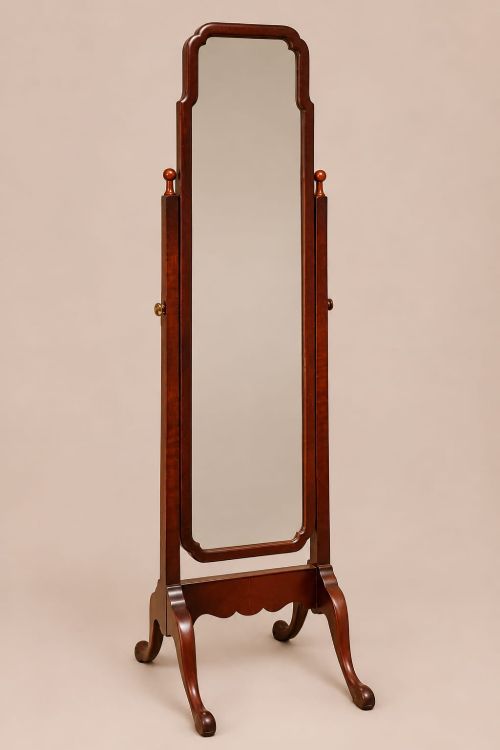
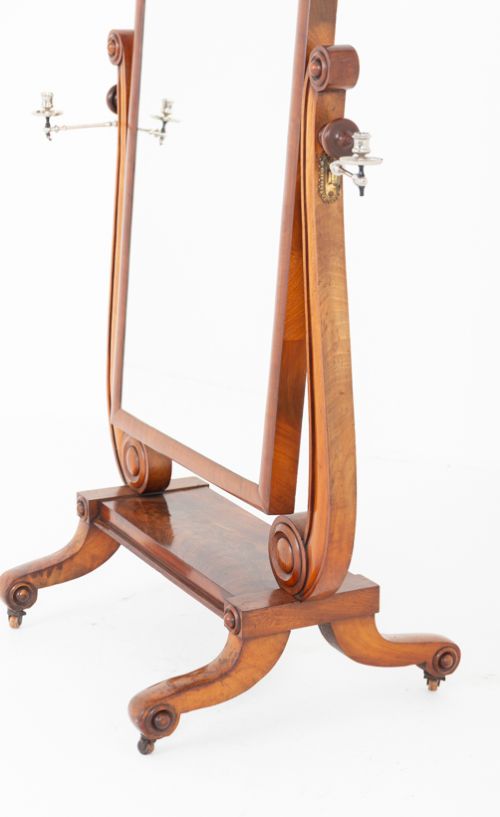
Alongside canvas art, the category includes mahogany and walnut cheval and swing mirrors designed for dressing rooms, often finished with giltwood frames.
What varies in quality
Cabinetmaking standards reveal themselves in the choice of timber figurations, such as Cuban mahogany or figured walnut, and the crispness of hand-carved gesso details on mirror frames.
Framed Dress Retail Price Guide 2026
Typical asking prices for framed dress among the pieces listed under this phrase on Sellingantiques today, from the lower quarter to the upper quarter. They describe what is for sale here now, not the wider market.
Several noble subjects pose proudly alongside unexpected companions, including an orange tree, a bowl of fruit, and a small domestic dog.
Sir Godfrey Kneller·Sir Martin Archer Shee·Georges de La Tour·George Willison·Joshua Reynolds·Jeremiah Davison·Pieter Borsseler·Sir Peter Lely·Benedetto Luti·Charles D'Agar·P & MA Nicholson·Richard Cosway·Louis Charles Verwee
The Framed Dress Glossary
- Cheval mirror
- A large freestanding dressing mirror suspended on a vertical frame allowing it to swing. This form became popular for full-length viewing in nineteenth-century dressing rooms.
- Giltwood
- Timber carved and coated with a thin layer of gold leaf or gesso and gold paint. It provides a reflective, ornate surface suited to formal interior mirrors.
- Gesso
- A plaster-like mixture applied to wood surfaces as a base for gilding or painting. It permits intricate relief moulding before gold leaf is laid down.
- Swing mirror
- A tabletop glass mounted on side pivots between two upright supports. This allows the user to adjust the angle during grooming.
Framed Dress: Frequently Asked Questions
What periods do these framed portraits come from?
The works span multiple centuries, with significant examples originating from the seventeenth, eighteenth, and nineteenth periods.
Creators from these eras captured subjects ranging from sixteenth-century nobility to Regency and Victorian figures.
How were dressing mirrors used historically?
Dressing mirrors sat upon tables or stood independently on floors to assist with grooming, hairstyling, and adjusting garments.
Adjustable pivots allowed users to tilt the glass plate for optimal viewing angles in bedrooms and dressing rooms.
What materials are common in the frames?
Frames and mirror structures frequently utilise solid woods such as mahogany, walnut, oak, and kingwood.
Giltwood and moulded gesso finishes also appear frequently, adding ornamental decorative borders to both paintings and mirrors.
How do you distinguish between painting styles?
Earlier seventeenth-century works often employ panel supports and formal portrait conventions, whereas eighteenth-century canvases show looser brushwork and softer lighting.
Nineteenth-century pieces tend toward more naturalistic representations of clothing and expressions.