
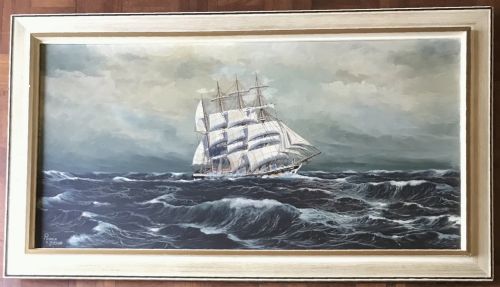
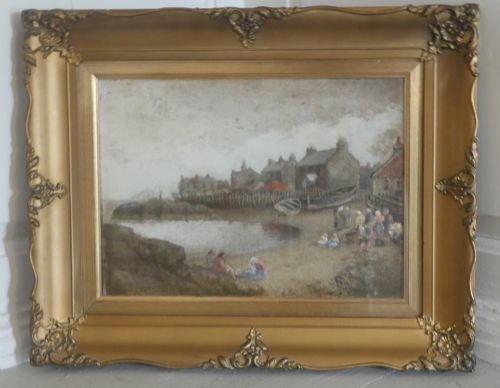
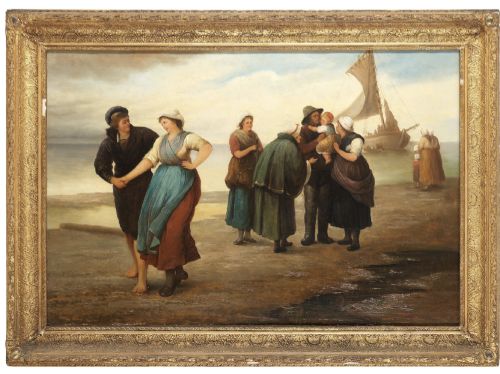
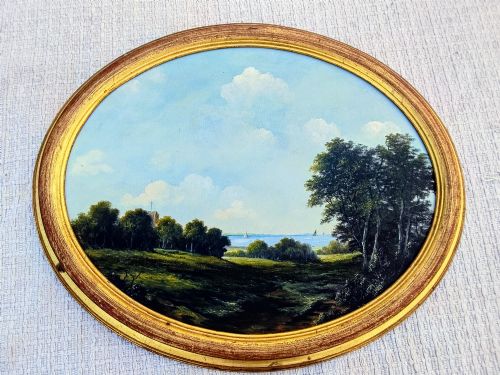

Framed Coastal Picture
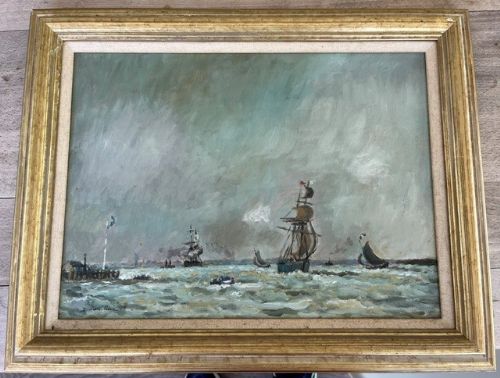
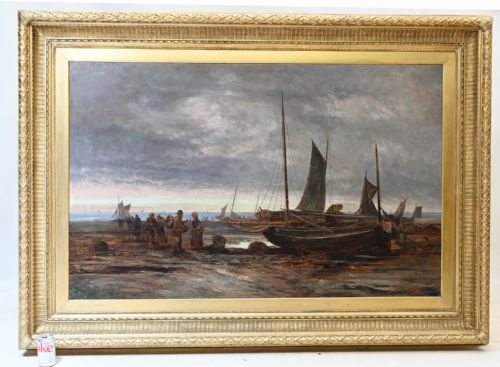
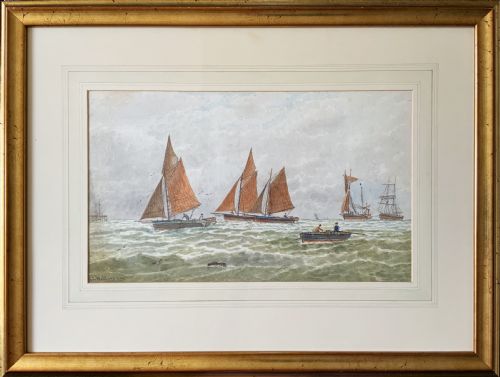
A framed antique coastal picture brings the salt air and the movement of the sea directly into a room.
Framed Coastal Picture
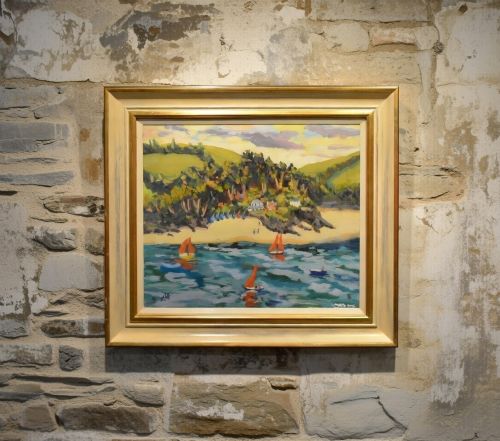
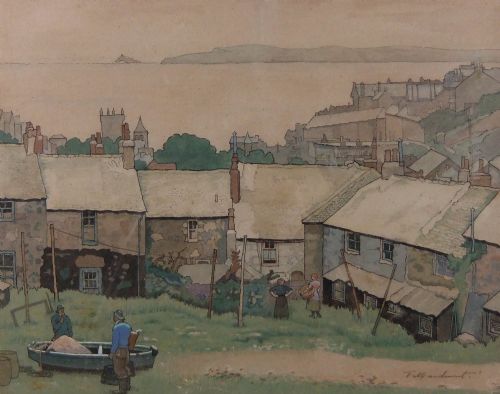
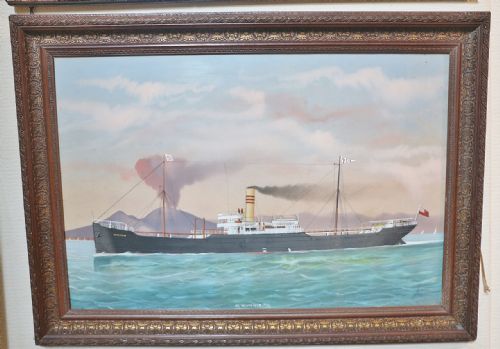
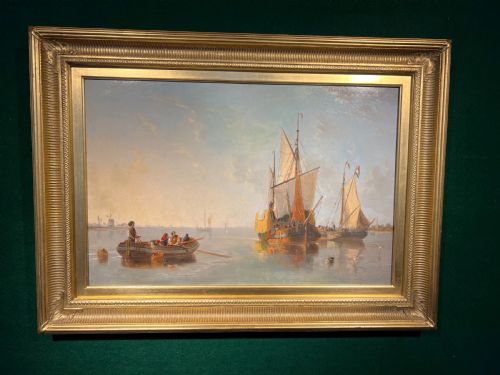
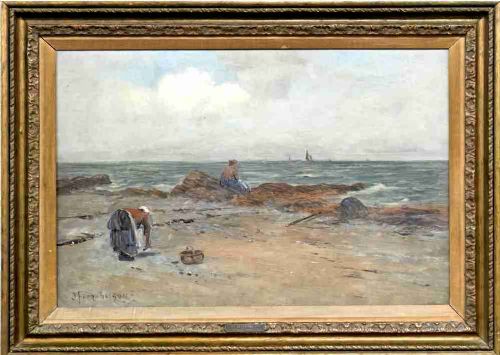
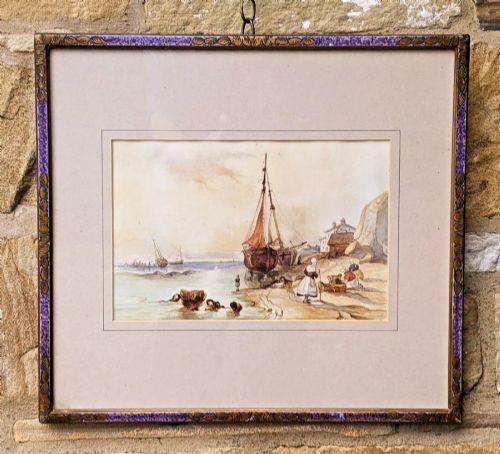
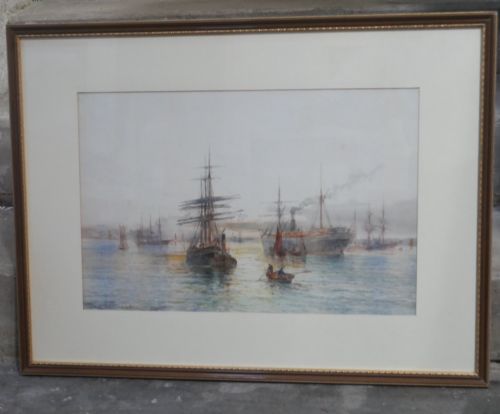
When a buyer searches for a framed antique coastal picture, they encounter works capturing harbours, cliffs, and open waters from the nineteenth and early twentieth centuries. These pieces record maritime life, shipping routes, and coastal villages through the eyes of artists working in oil and watercolour.
The most common examples on this page date from the Victorian and Edwardian eras, often framed in period gilt wood that complements the maritime subject matter. Subjects range from bustling Yorkshire ports and Scottish castles to tranquil French seascapes and dramatic shipboard views.
Makers and painters represented include established regional artists and academic figures who specialised in marine art and landscape. The works vary from intimate watercolours on paper to large canvas oil paintings designed to anchor a room.
How they were made
Artists painted these coastal scenes using oil on canvas, oil on board, or watercolour on paper, housed within protective glass and timber frames. The frames themselves frequently feature moulded gilt wood, adding weight and architectural presence to the artwork.
Pigments were applied with brushwork that could capture both the glassy stillness of a low tide and the turbulent spray of the open sea. Canvas supports were stretched over wooden frames, while watercolours relied on heavy paper mounted securely behind glass.
Listings feature works spanning the nineteenth and twentieth centuries, including Victorian and Edwardian pieces executed in oil and watercolour.
What varies in quality
Quality rests in the precision of the brushwork and the artist's ability to convey light, atmosphere, and movement across the water. Finer works capture the specific quality of coastal air and the accurate rigging of vessels, whereas simpler pieces rely on formulaic compositions.
The integrity of the original frame also influences the piece, with period gilt wood mouldings enhancing the overall preservation and visual weight of the artwork. Depth of colour and the stability of the paint or paper surface distinguish superior examples from ordinary decorative pieces.
John Wilson Carmichael·Joseph Farquharson·George Stanfield Walters·Charles Napier Hemy·William Lee Hankey·Eugene Joseph Verboeckhoven
The Framed Coastal Picture Glossary
- Watercolour
- A painting method in which the paints are made of pigments suspended in a water-based solution. These works are typically executed on paper and require framing under glass to prevent moisture damage.
- Gilt wood
- Wood that has been coated with a thin layer of gold leaf or gilt paint. Period frames utilise this technique to provide a reflective, ornate border around the canvas or paper.
- Seascape
- A work of art that depicts the sea, coastal views, ships, or marine life. This genre forms the core of the paintings found within this category.
- Marine Art
- Artistic representation of the sea and maritime subjects, encompassing naval battles, shipping, and coastal landscapes. It demands a thorough understanding of weather, tides, and vessel construction.
- British Impressionism
- A painting style developed in the late nineteenth and early twentieth centuries focusing on light and loose brushstrokes. Artists applied these principles to capture transient effects on coastal waters.
Framed Coastal Picture: Frequently Asked Questions
How do I clean a framed oil painting?
Dust the surface gently with a soft, dry brush and avoid applying any liquid cleaners directly to the canvas. Professional conservation is recommended for deeper cleaning.
Keep the painting away from direct sunlight and sudden temperature changes to protect the paint and the wooden frame.
Are watercolours sensitive to light?
Watercolour pigments on paper are vulnerable to fading when exposed to direct, strong sunlight over long periods. Hanging them away from bright windows preserves the original colour intensity.
Using conservation-grade glass can also help filter harmful ultraviolet rays.
How do I identify the period of a frame?
Period frames often feature hand-carved wooden composition ornaments, specific corner construction methods, and aged patination on the gilt surface. Makers' stamps or labels on the reverse provide further clues to the date.
Comparing the style of the moulding to established furniture and framing eras confirms the timeline.
Where should I hang a coastal picture?
These works suit rooms with neutral wall colours that allow the tones of the sea and sky to stand out. Ensure the wall is structurally sound to support heavier framed oil paintings.
Avoid damp areas like bathrooms, as moisture damages both the paper in watercolours and the canvas supports in oil paintings.