
Framed Animal Painting
A framed animal painting captures the character of livestock, hounds, and pets across centuries of domestic and sporting life.
Framed Animal Painting
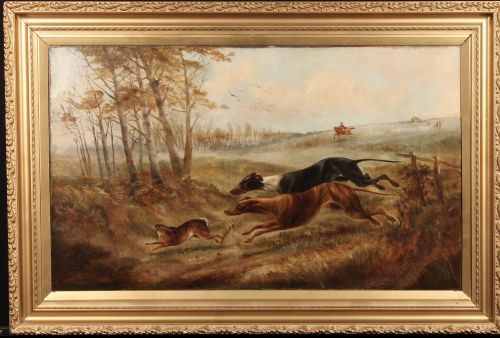
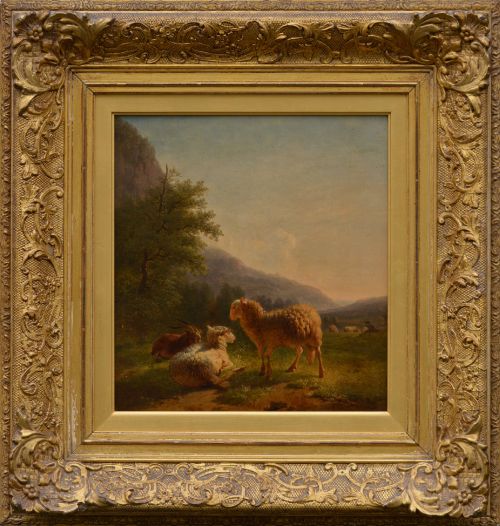
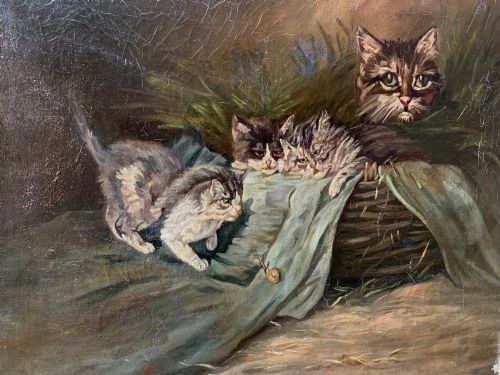
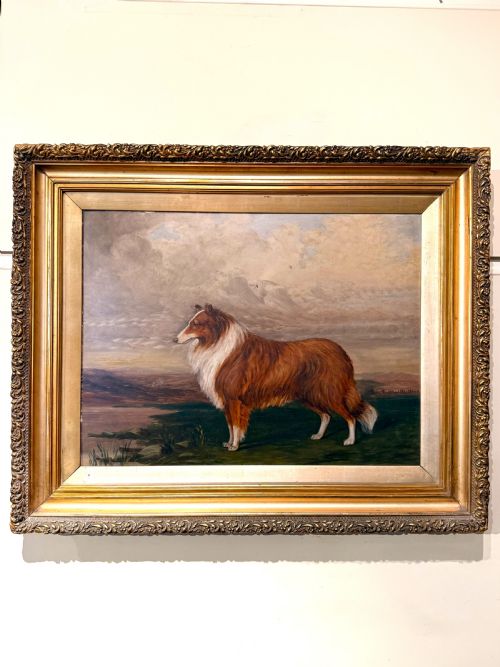
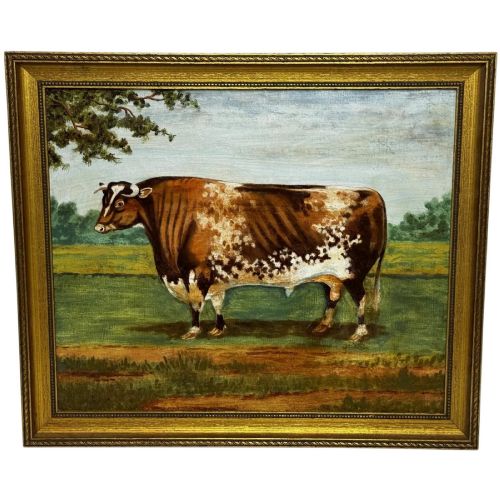
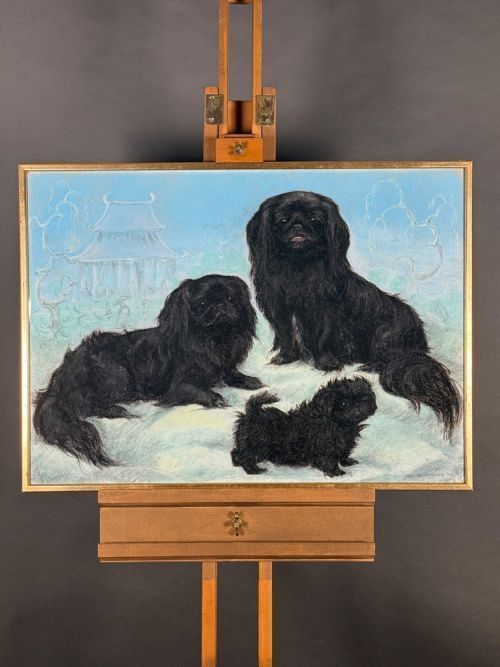
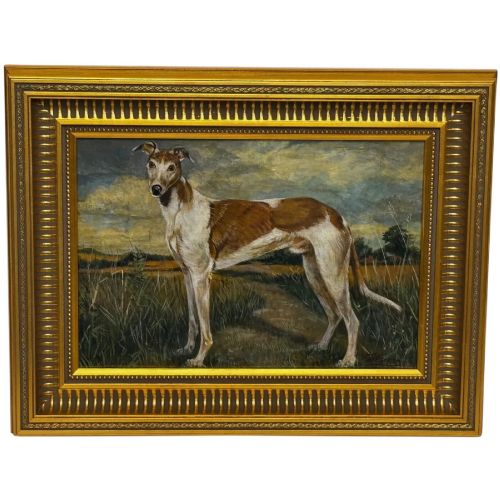
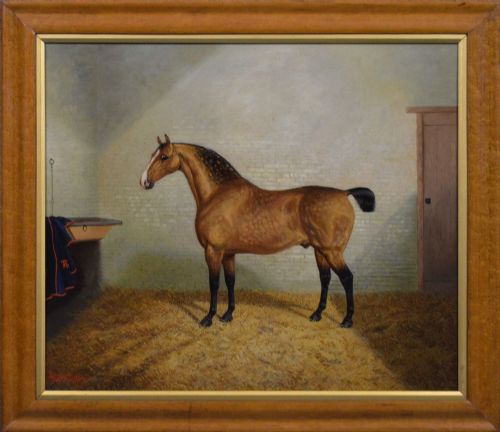
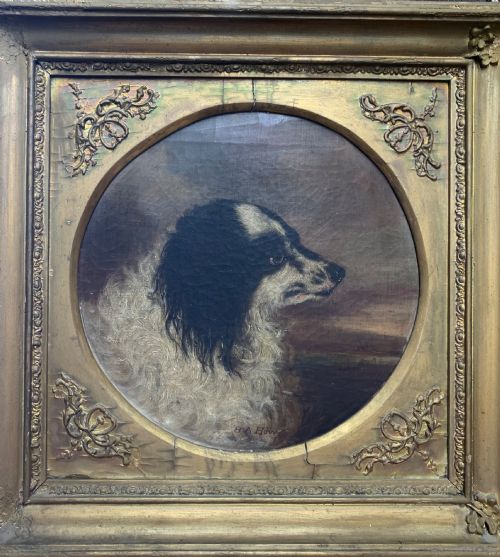
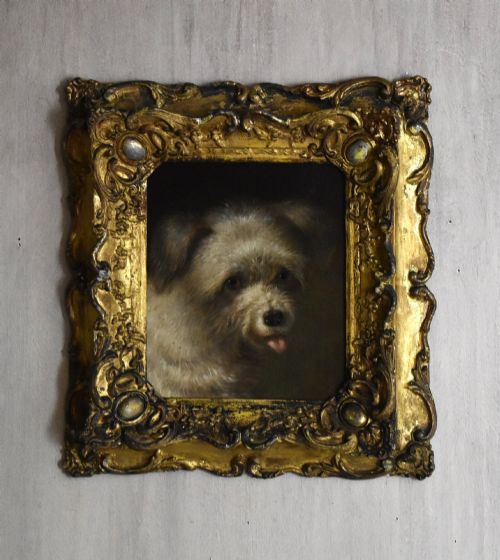
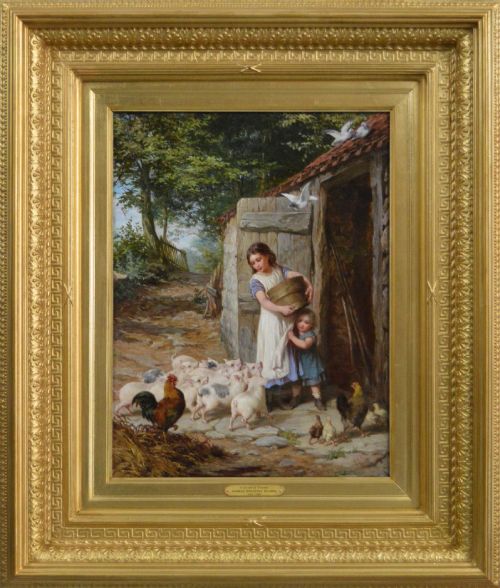
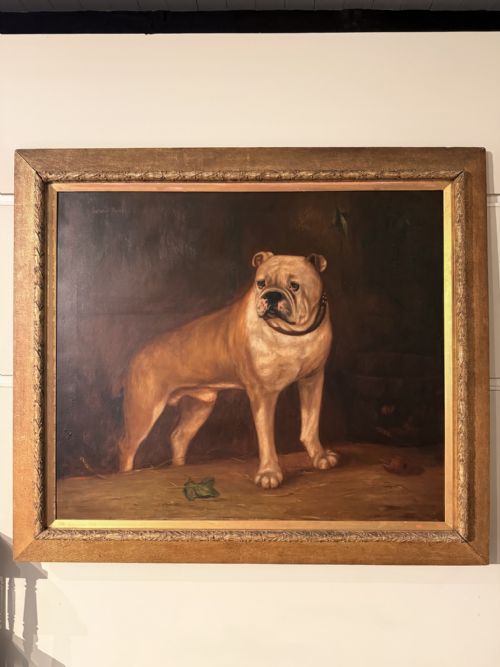
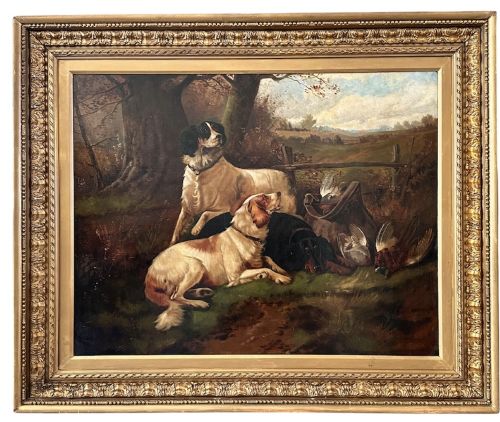
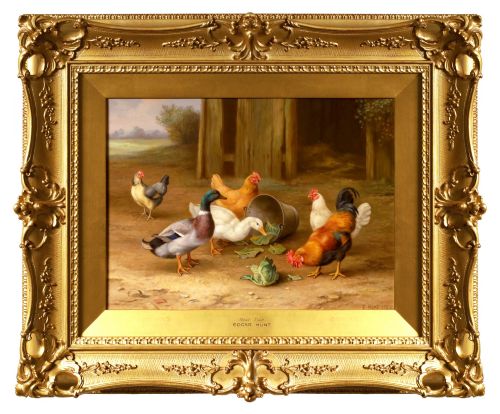
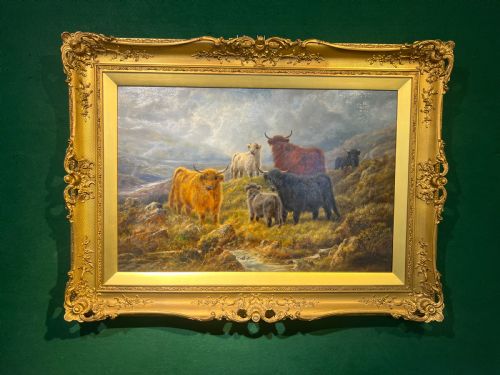
A framed animal painting brings domestic, agricultural, and sporting subjects onto the wall in oil, pastel, or watercolour. These works range from intimate studies of spaniels and kittens to large canvases of prize bulls, highland cattle, and hunt packs in open landscapes.
The pieces on this page span the Georgian, Victorian, and mid-twentieth-century periods, recording how artists from British, French, and other schools observed creatures. You will encounter straightforward horse and dog portraits alongside narrative scenes of farmyard animals and working animals in natural settings.
Many examples arrive in period enclosures such as giltwood frames or moulded gesso surrounds that match the era of the canvas. The focus rests squarely on the creature depicted, whether that is a single terrier under glass or a grand equine portrait bearing historical provenance.
Materials and technique
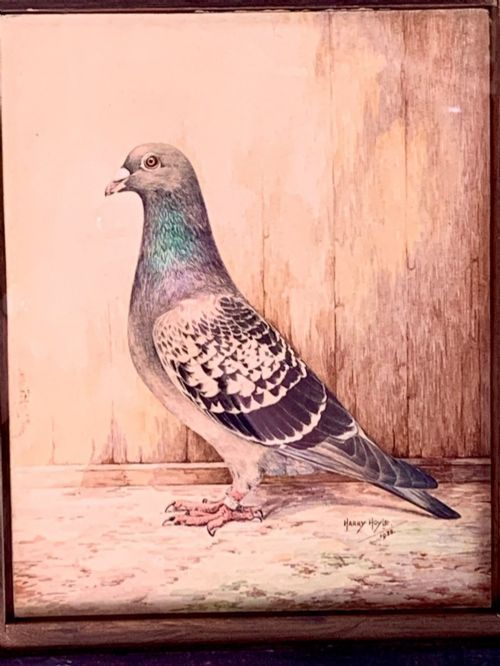
Pigment was typically applied as oil paint on stretched canvas or wooden board, building up rich textures for coats, feathers, and stable interiors. Some works utilise watercolour and pastel on paper, preserved securely under glass to protect the delicate dry media.
Support structures frequently involve wooden stretchers housed within heavy gilt wood frames, sometimes embellished with ornate gesso moulding. These surrounds complement the weight of the paint layers and provide structural rigidity to the artwork.
The selection spans creations from the seventeenth century through the Georgian and Victorian eras into the nineteen-sixties.
Quality and execution
Quality rests on the draughtsmanship in the anatomy of the animal and the control of light across fur, hide, or plumage. A superior hand captures movement, bone structure, and the individual expression of the subject rather than relying on generic formulas.
The preservation of the paint surface and the originality of the matching frame influence the standing of a piece. Works retaining their early stretcher boards and untouched painted surfaces display greater integrity than those subject to heavy overpainting.
Eugène Verboeckhoven·Albert Clark·Martin Theodore Ward·George Augustus Holmes·John Sargent Noble·Edgar Hunt·Robert Watson·Sir Edwin Henry Landseer·Henry Barraud·Carl Whitfield·Fred Fitzpatrick·William Watson Jnr·Alfred Arthur Brunel de Neuville·David Orr Kerr·Henry Schouten·Frans Snyders·John Emms·LM Webb·Margaret Maitland Howard·Henry Robinson Hall·Arthur Wardle
The Framed Animal Painting Glossary
- Giltwood
- Wood carved and coated with a thin layer of gold leaf or metallic powder. It is commonly found on traditional frames from the nineteenth century.
- Gesso
- A plaster mixture applied to wood or canvas to create a smooth surface for painting or to build up relief moulding on frames. It provides a solid base for decorative gilding.
- Sporting art
- Genre of painting dedicated to equestrian subjects, hunting hounds, shooting scenes, and prize livestock. These works document rural traditions and prized animals.
- Canvas
- Heavy woven fabric stretched tightly across a wooden frame to act as the primary support for oil painting. It allows for flexible application of thick pigment.
- Board
- A rigid flat panel made of wood or compressed material used as an alternative to fabric supports for smaller oil paintings.
Framed Animal Painting: Frequently Asked Questions
What subjects appear most often in these paintings?
Canvases frequently depict dogs such as spaniels, terriers, and hounds, alongside horses in stables or pastures. Agricultural animals like shorthorn bulls, highland cattle, and sheep also feature prominently.
Other works record domestic pets like kittens or unusual subjects including weasels, flamingos, and snow leopards. These compositions reflect the changing tastes of commissioners and artists across different decades.
How can I date an animal painting?
Dating relies on the style of the brushwork, the clothing or tack visible in the picture, and the framing materials. Victorian works often show meticulous realism, while twentieth-century pieces can display looser handling.
Inscriptions on the reverse of the canvas, artist signatures, and framing techniques offer further chronological clues. Examining the type of stretcher wood also helps narrow down the period.
Are these works created exclusively in oil paint?
Oil on canvas and oil on board form the majority of the works, offering deep colour and durability. Artists also utilised pastel and watercolour on paper for lighter animal studies.
Works on paper require protection behind glass to prevent environmental damage to the delicate pigment. Each medium alters the texture and finish of the finished portrait.
How should I care for a framed animal painting?
Keep the artwork away from direct sunlight and damp conditions to protect the pigments and wooden framing. Dust the surface gently with a soft, dry brush without applying liquid cleaners.
Ensure that the hanging environment maintains a stable temperature to prevent the canvas or wooden board from warping. Period frames benefit from minimal handling to preserve their original gilding.