
Framed Animal Artwork
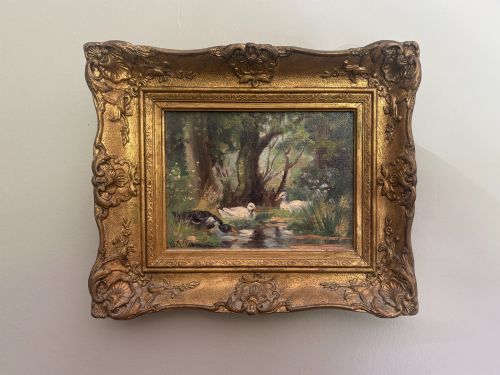
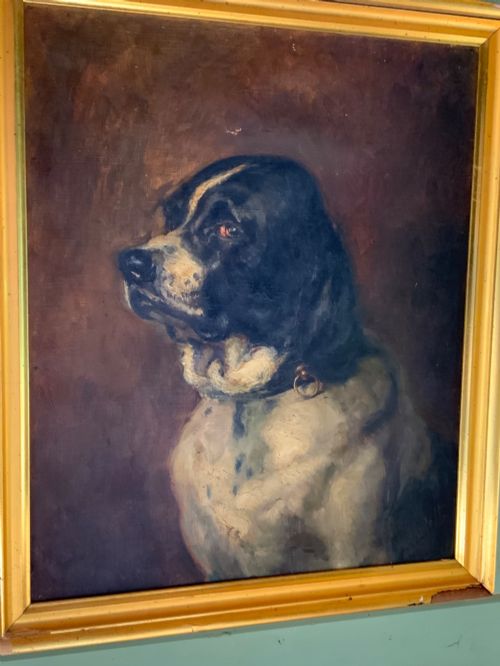
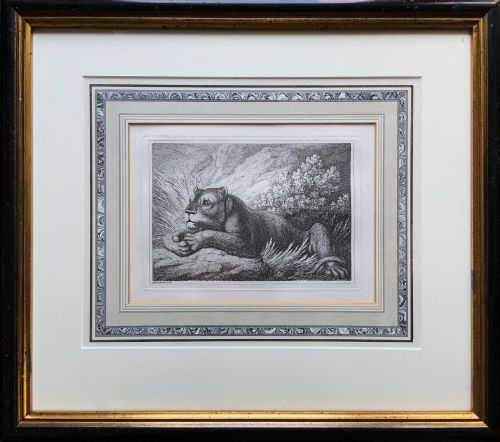
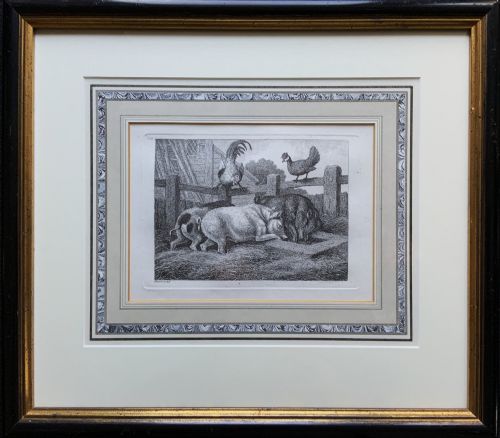
Framed animal artwork brings together centuries of fine depiction, capturing domestic companions, farm stock, and wild creatures in oil, watercolour, and etching.
Framed Animal Artwork
Framed animal artwork encompasses portraits and studies of creatures, ranging from prized livestock and sporting dogs to exotic big cats and domestic pets. These pieces record human relationships with animals across generations, often reflecting the specific aesthetic priorities of their era.
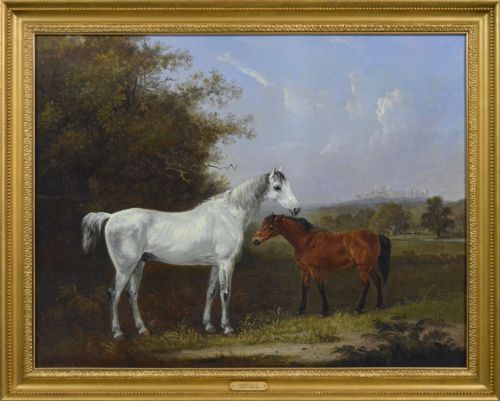
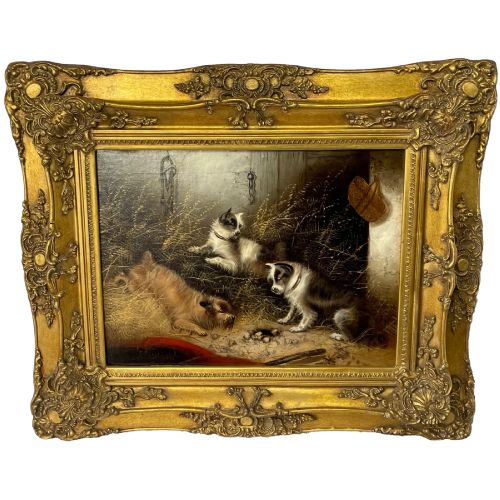
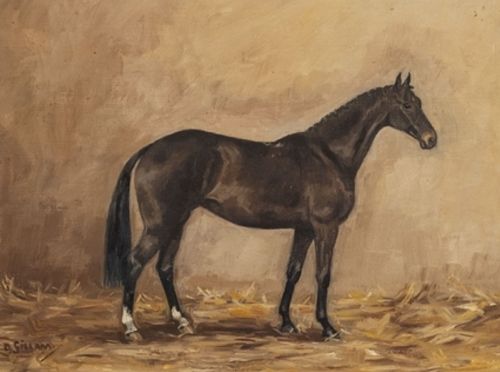
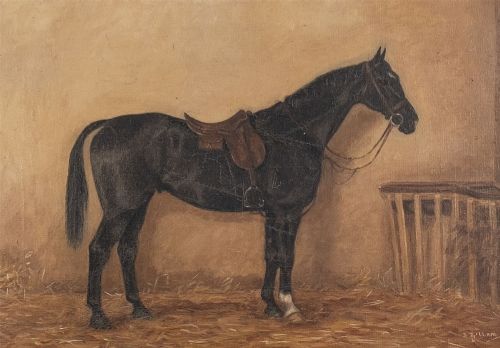
The versions most frequently met on this page belong to the nineteenth and early twentieth centuries, spanning Victorian realism, Edwardian sporting art, and later modernist interpretations. Common subjects include cattle, horses, dogs, and felines rendered in oil, gouache, pencil, and print formats.
Materials and technique
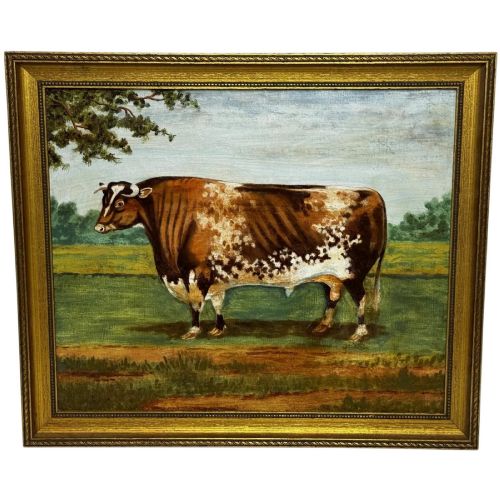
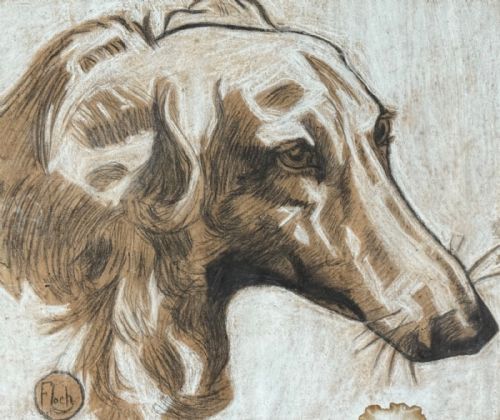
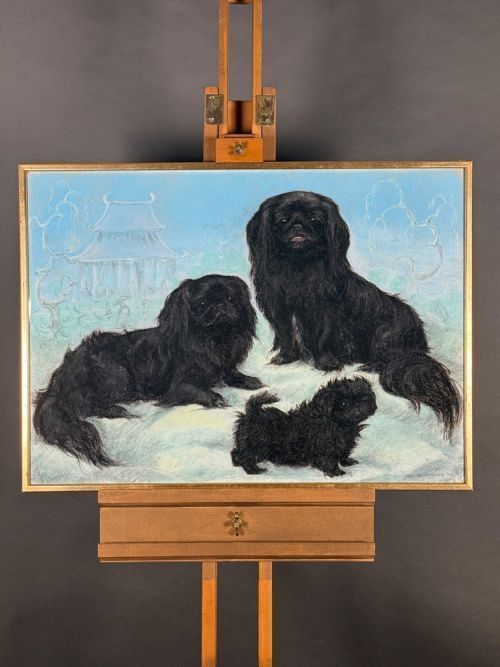
Artists relied primarily on oil on canvas and oil on board to build rich textures and deep tones, particularly in traditional equine and livestock portraits. Watercolour, gouache, and pencil on paper were equally common for lighter, more immediate studies and detailed drawings.
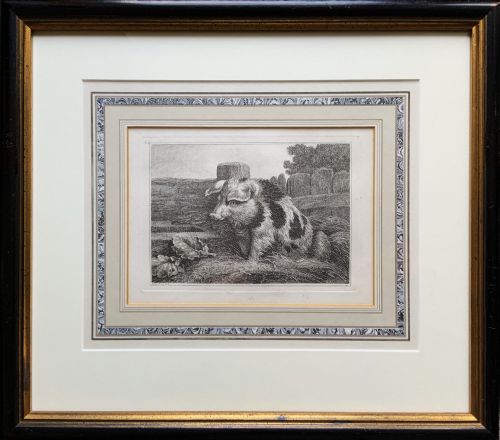
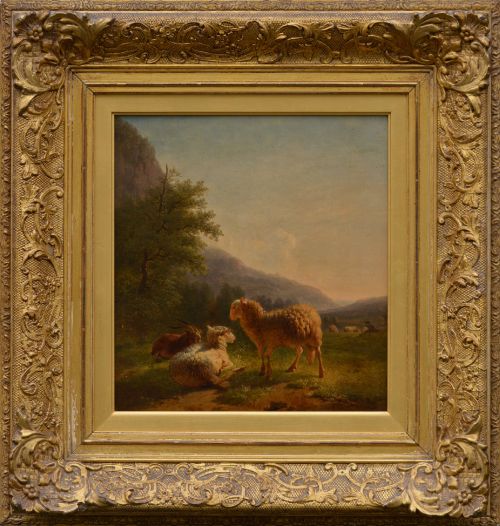
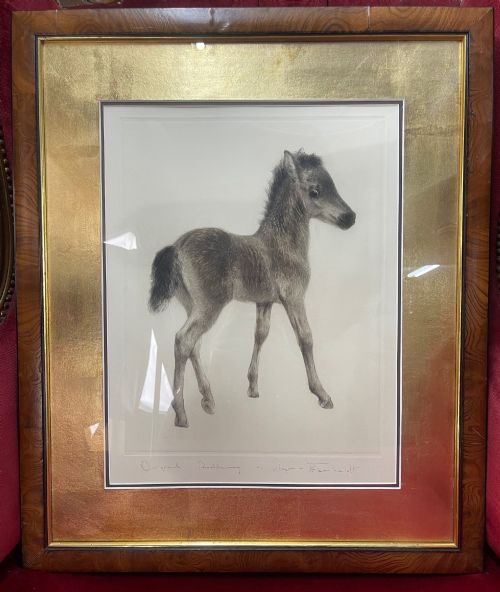
Printmaking techniques such as original drypoints and etchings on paper and vellum allowed artists to produce limited editions with fine, delicate lines. Giltwood and plain wooden frames complete these works, serving to protect the surface and define the visual boundary of the piece.
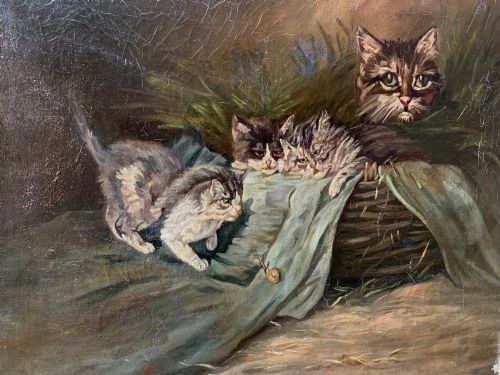
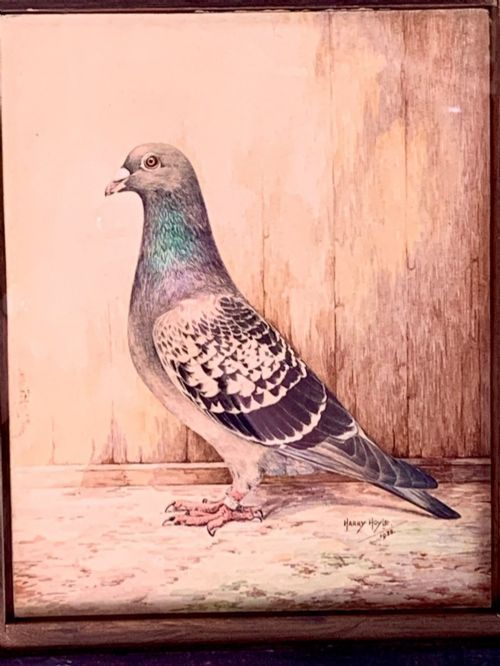
A wool work depicting a fierce tiger sits alongside delicate watercolours of prize-winning pigeons and playful kittens.
Quality and execution
Quality rests in the anatomical accuracy, the command of light, and the convincing texture of fur, feather, or hide. A superior piece captures character and movement with vitality, whereas lesser works rely on stiff conventions and flat rendering.
The handling of the medium dictates distinction, from the confident brushwork of an accomplished oil painter to the precise, nuanced line of a signed etching. The integrity of the original framing and the clarity of the paper or canvas further distinguish finer examples.
Eugène Verboeckhoven·Herbert Dicksee·Albert Clark·Martin Theodore Ward·George Augustus Holmes·Edgar Hunt·Sir Edwin Henry Landseer·Henry Barraud·Carl Whitfield·Fred Fitzpatrick·William Watson Jnr·Horatio Henry Couldrey·Dame Laura Knight·David Orr Kerr·Kurt Meyer-Eberhardt
The Framed Animal Artwork Glossary
- Etching
- A printmaking process where lines are bitten into a metal plate with acid before ink is applied. This technique yields fine, highly detailed tonal variations.
- Drypoint
- A printmaking method in which an artist scratches a design directly into a metal plate with a sharp needle. This produces a characteristically soft, velvety line.
- Gouache
- An opaque water-based paint that dries to a matte finish. It allows for dense, saturated colour blocks and precise detail work on paper.
- Chromolithograph
- A colour lithographic printing technique using multiple stones to build rich hues. It enabled nineteenth-century publishers to reproduce detailed paintings faithfully.
- Vellum
- A fine parchment prepared from calfskin used as a durable drawing surface. Artists favoured it for its smooth texture and longevity.
Framed Animal Artwork: Frequently Asked Questions
What periods do these pieces cover?
The works span from the Regency era through the Victorian and Edwardian periods into the mid-twentieth century. Most examples cluster in the nineteenth and early twentieth centuries.
This timeframe includes distinct movements like Victorian realism and British sporting art. Each era brings specific materials and rendering styles to the depiction of animals.
How do I identify the medium?
Close examination under good light reveals the surface texture of oil paints versus the flat or matte appearance of gouache on paper. Etchings and drypoints show indented plate marks around the printed image.
Textured canvases indicate oil paintings, while smooth vellum or paper supports works executed in drawing media. Glazing usually protects works on paper.
Where should I hang these works?
These framed pieces suit studies, living rooms, and hallways, where traditional animal portraits and sporting art add character and depth. They pair effectively with period interiors and neutral wall colours.
Direct sunlight should be avoided to protect sensitive watercolours, drawings, and coloured pigments from fading over time.
Are these works signed?
Many pieces feature artist signatures, monograms, or inscriptions either directly on the image surface or within the margin of prints. Signed artist proofs represent particularly sought-after examples in print formats.
Unsigned works often attribute to specific British or European schools based on technique, subject matter, and framing style.