


Framed Ancestral Portraits
Framed ancestral portraits bring centuries of character into a room through oil on canvas and painted scroll work.
Framed Ancestral Portraits
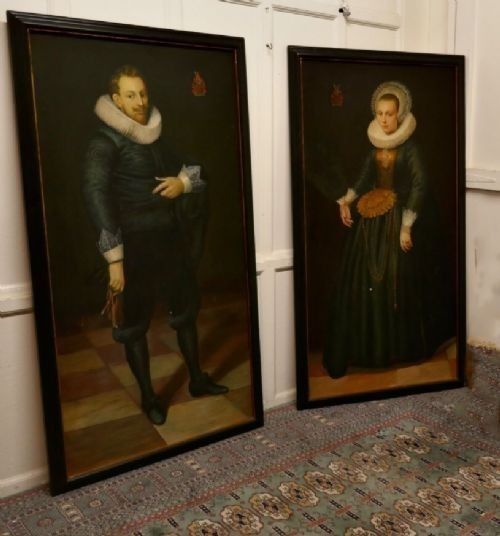
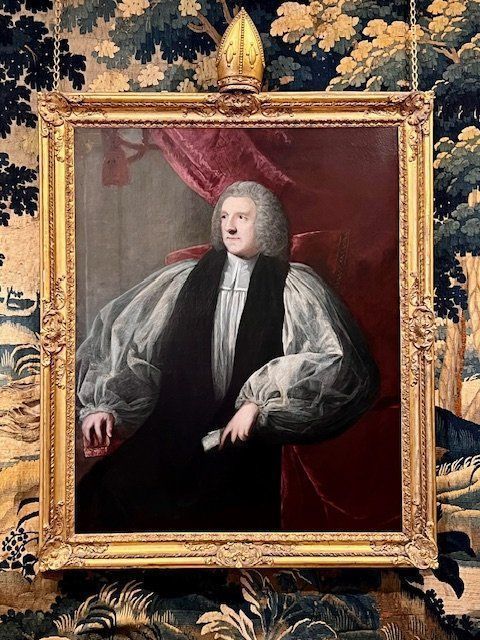
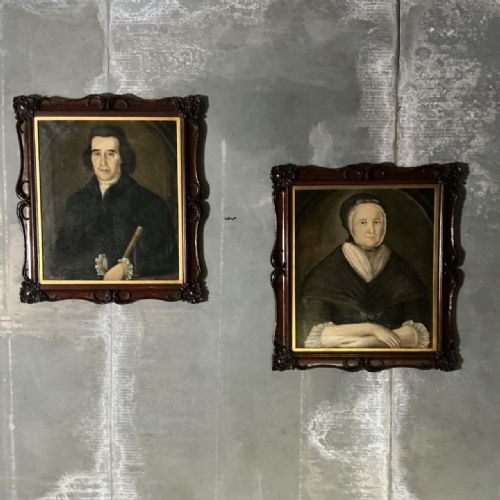
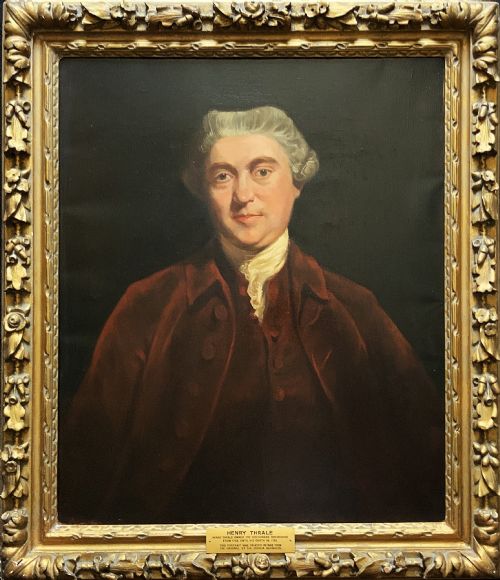
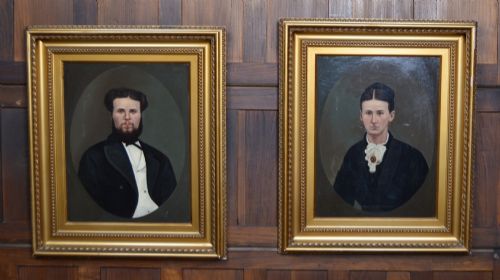
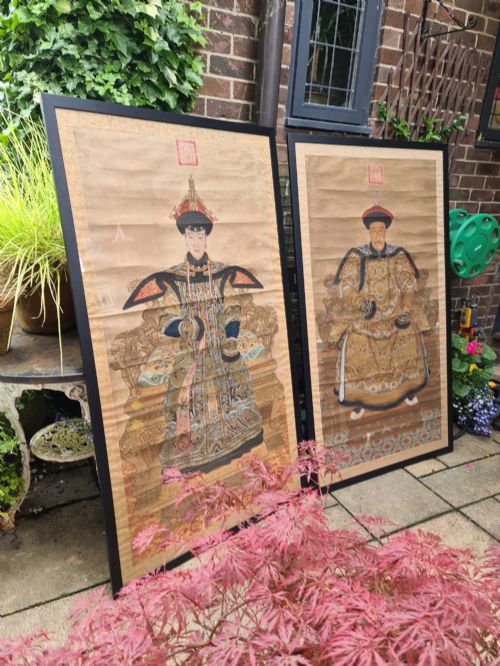
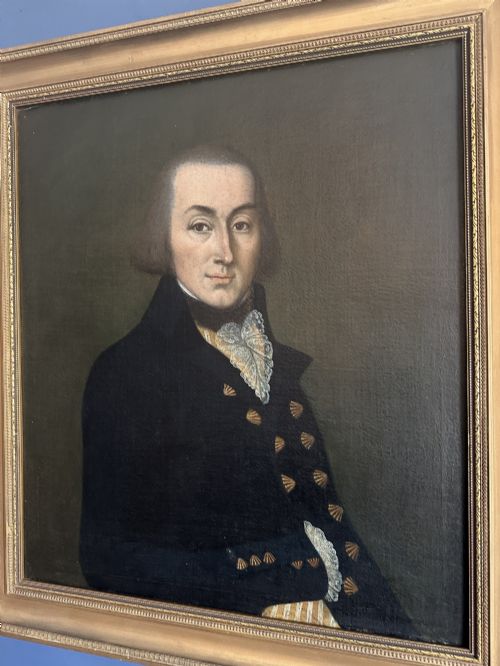
Framed ancestral portraits capture likenesses of forebears across varied periods, from 18th-century English works to 19th-century Chinese ancestral scrolls. A buyer searching for framed ancestral portraits finds oil paintings on canvas alongside traditional scroll formats.
The selection ranges from Georgian gentlemen and Regency pairs to Dutch Golden Age studies and early 20th-century ancestor groups. Most pieces on this page originate from the 18th and 19th centuries, housed in period wood and giltwood frames.
Materials and construction
These works rely on oil paint applied to canvas, wood panels, or vinyl canvas, often mounted in substantial wood frames finished with gesso and gold leaf. The framing is integral, utilising period techniques to support and protect the painted surface.
Scroll formats incorporate traditional mounting textiles alongside painted portraiture. The physical build reflects the prevailing joinery and gilding methods of Georgian, Regency, and later Victorian workshops.
Listings feature works spanning the 17th century through to the 1960s, executed in oil on canvas, wood, and vinyl canvas.
Assessing quality and execution
Quality rests upon the confidence of the brushwork and the anatomical proportion achieved by the artist, distinguishing skilled portraiture from standard workshop production. The preservation of the original paint layer and canvas tension also dictates the overall standard.
The surrounding frame plays a significant role in value, with original giltwood and gesso frames carrying greater historical integrity than later replacements. Finer examples maintain crisp detail in both the subject's expression and the decorative mouldings of the frame.
Sir Joshua Reynolds·Thomas Beach·Michael Dahl
The Framed Ancestral Portraits Glossary
- Giltwood
- Wood carved and coated with gold leaf or gold paint. This finish creates the bright, reflective borders seen on many period frames.
- Gesso
- A plaster-like mixture applied to wood frames as a base for gilding. It allows craftsmen to carve intricate relief details before applying gold leaf.
- Oil on Canvas
- Pigment mixed with drying oil applied to a woven fabric support. This combination offers rich colour depth and durability over centuries.
- Regency
- A British design period spanning the early 19th century. Furniture and frames from this era often feature restrained classical motifs and dark woods.
Framed Ancestral Portraits: Frequently Asked Questions
How do I date an ancestral portrait?
Dating relies heavily on the clothing style, hair arrangement, and framing techniques characteristic of the sitter's era. Examining the stretcher bars, canvas type, and fixings on the reverse provides further chronological clues.
Comparing the portrait to dated examples from the same British or continental school helps narrow the decade. Frame construction often matches the period of the painting, though framing can happen later.
Are these portraits of real families?
Many framed ancestral portraits depict named historical individuals, nobility, or gentry with documented provenance. Others represent anonymous sitters whose identities faded over generations.
Named sitters often connect to specific estates, military regiments, or political dynasties. Anonymous pieces were collected later as decorative representations of lineage and heritage.
How should I hang an oil portrait?
Oil portraits require secure wall fixings suited to the considerable weight of wood and giltwood frames. Hang them away from direct sunlight and strong heat sources to protect the canvas and paint.
Maintaining stable room humidity prevents the canvas from slackening and protects the gesso on the frame. Professional picture hooks matched to the wall type ensure safety.
What is the difference between oil and scroll portraits?
Oil portraits utilise paint on canvas or wood panels, typically housed in rigid wooden frames. Chinese ancestral scrolls use traditional pigments on textile or paper, designed to be hung or rolled.
Both serve commemorative functions but stem from distinct cultural traditions in portraiture. The framing and display methods differ entirely between Western oil paintings and Eastern ancestral scrolls.