
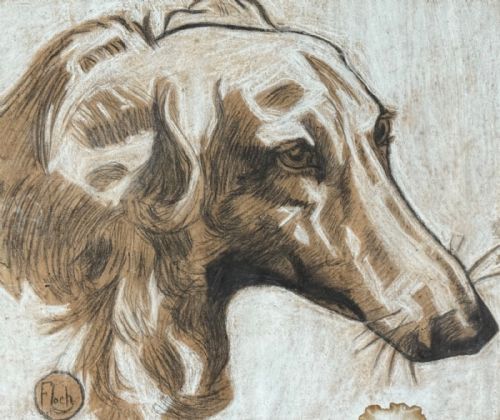
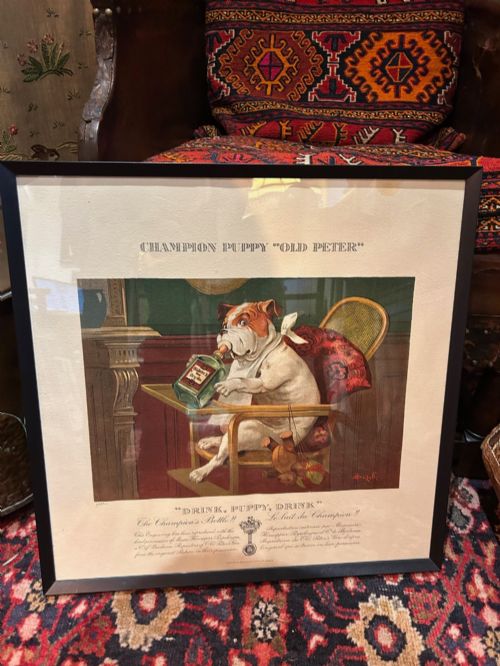
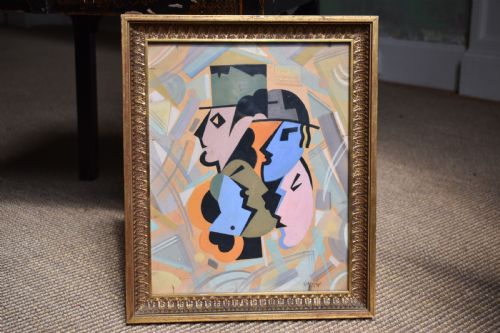
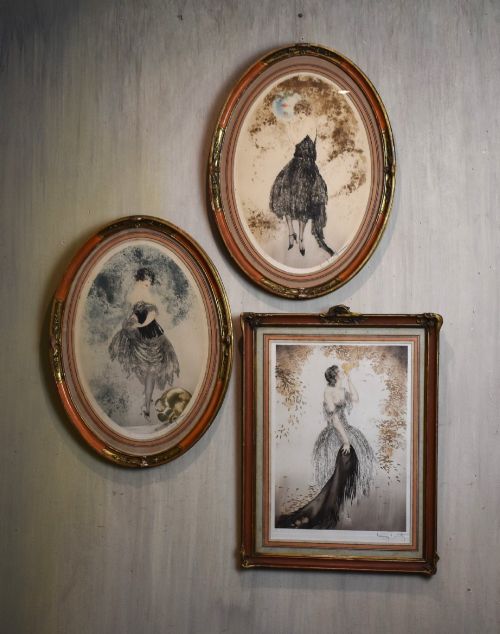





Framed 1920s Illustration
A framed 1920s illustration brings the graphic vitality and intimate scale of the interwar period straight onto the wall.
Framed 1920s Illustration
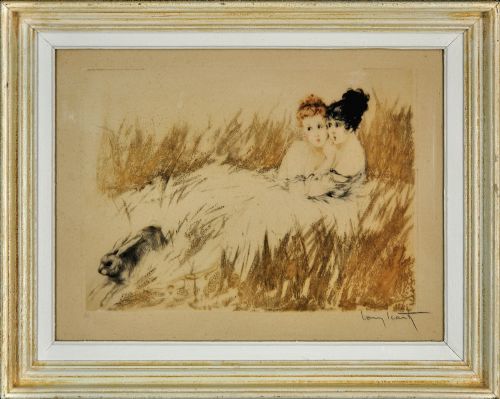
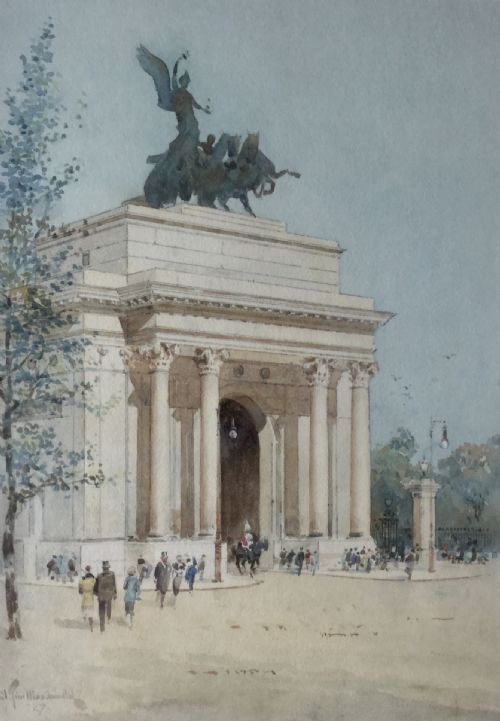
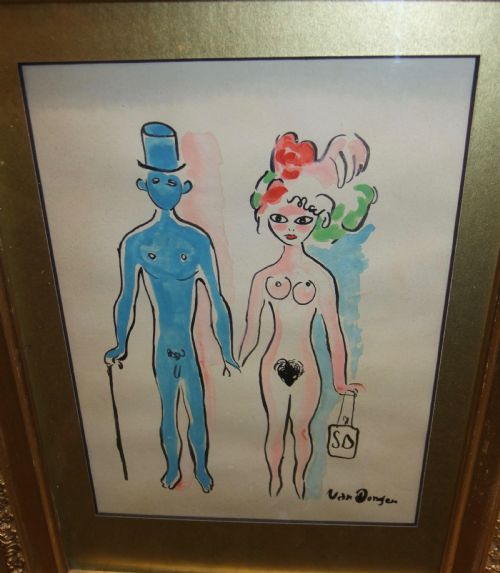
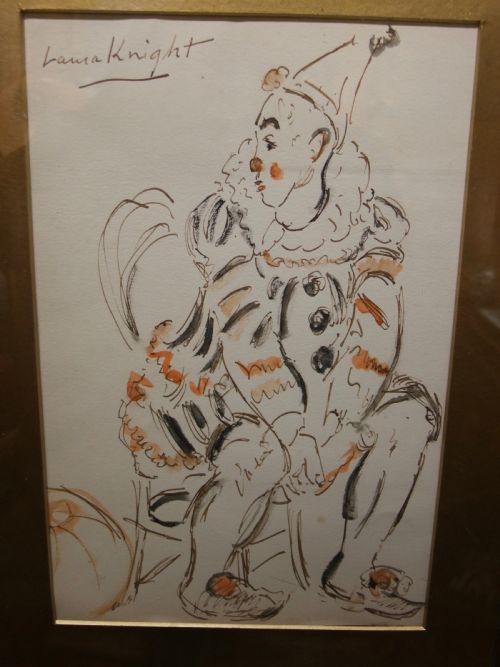
A framed 1920s illustration encompasses works on paper ranging from advertising prints and lithographs to original watercolours, gouache and pencil drawings. These pieces capture the distinctive aesthetic of the period, spanning early twentieth century realism, Art Deco styling and modernist currents.
Most examples you encounter on this page originate from the 1920s and 1930s, though occasional Victorian or later twentieth century crossover works appear. Subjects vary widely from maritime scenes and theatrical studies to portraiture, animal studies and architectural townscapes.
Presented within protective wood frames under glass, these works function as versatile wall art that anchors a room with period character. They offer an accessible entry point into collecting original and printed works on paper from the interwar decades.
Materials and techniques
Makers utilised paper surfaces including standard and buff paper, applying watercolours, gouache, ink, pencil and hand colouring to etchings and lithographs. The physical medium often dictates the texture and tonal depth of the finished image.
Framing typically involves wood mouldings and glass to safeguard fragile works on paper from atmospheric damage and handling. Print techniques such as lithography and etching enabled wider distribution while maintaining sharp linear detail.
Expect haughty borzois, theatrical performers and parading nudes sharing wall space with solemn interwar cargo ships.
Factors of quality
Quality rests on the certainty of attribution, the strength of the composition and the condition of the paper beneath the glass. Signed works or those by established artists carry a distinct visual and collectible advantage over anonymous ephemera.
The harmony of the original framing, the preservation of vibrant pigments without excessive fading, and the crispness of line work separate standard decorative prints from exceptional works of art.
Marcellin Auzolle·Louis Icart·Herbert Dicksee·Jean Hardy·Kees van Dongen·Dame Laura Knight
The Framed 1920s Illustration Glossary
- Gouache
- An opaque water-based pigment that provides flat areas of dense colour and sharp highlights. It dries to a matte finish and often combines with pencil or watercolour in interwar drawings.
- Buff paper
- A pale brownish-yellow paper stock favoured by artists in the period for lending a warm mid-tone background to pencil and gouache sketches.
- Etching
- A printmaking process where lines are bitten into a metal plate with acid before ink is applied and transferred to paper. Hand-coloured etchings received pigments by hand after printing.
- Lithograph
- A planographic printing method using a stone or metal plate that allows for fluid, painterly lines and rich colour reproduction. It was widely utilised for commercial advertising and artistic prints alike.
- Art Deco
- The dominant design style of the interwar period characterised by streamlined forms, geometric patterns and stylized figurative representations.
Framed 1920s Illustration: Frequently Asked Questions
How do I care for a framed illustration?
Keep the framed piece away from direct sunlight to prevent the watercolour pigments and paper stock from fading over time. Ensure it hangs in a stable environment away from excessive moisture.
Avoid pressing against the glass, as older paper can adhere to the surface if humidity fluctuates.
Are these illustrations original works?
The selection includes a mix of unique original watercolours, gouache drawings and pencil sketches alongside period prints, lithographs and etchings. Each listing specifies the exact medium used to create the piece.
Read the title and description carefully to distinguish between a hand-drawn artwork and a vintage print.
What framing is typically used?
Most works are housed in period-appropriate wood frames protected by glass to preserve the delicate paper surfaces. Some frames may show minor signs of age that reflect their history.
The combination of wood and glass safeguards the paper from dust and atmospheric pollutants.
How do I identify a 1920s style?
Look for characteristic motifs such as Art Deco geometric lines, stylized figures, interwar maritime subjects and modernist palettes. Typography and costume details within the illustrations also point directly to the era.
Artists of this decade often employed flat colour planes and dynamic compositions.