

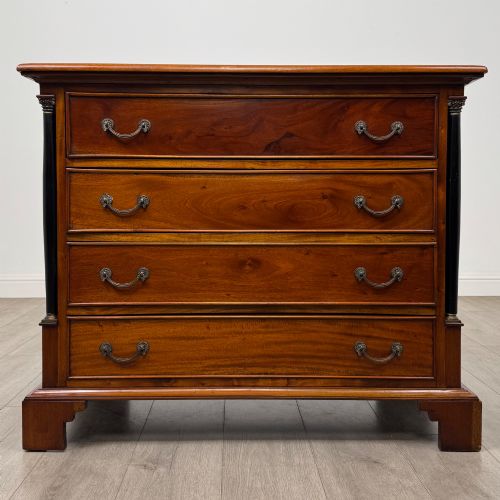
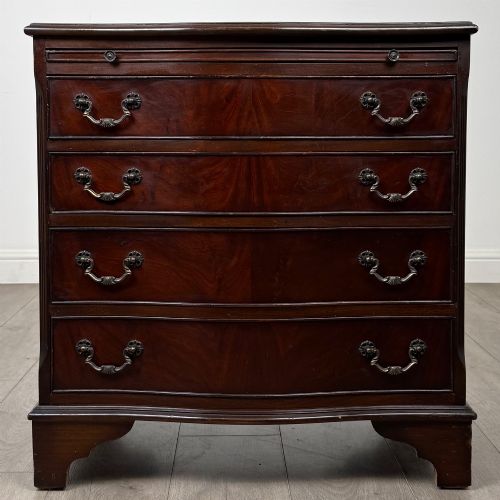
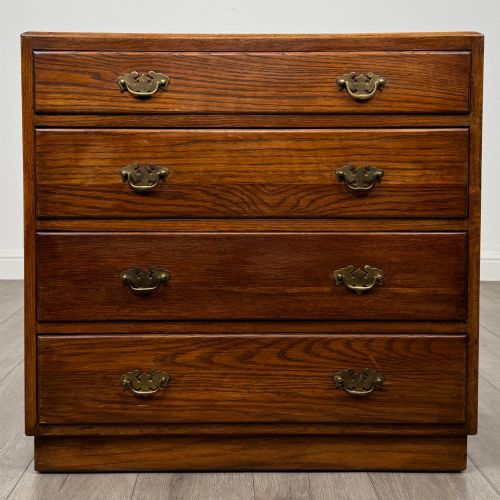
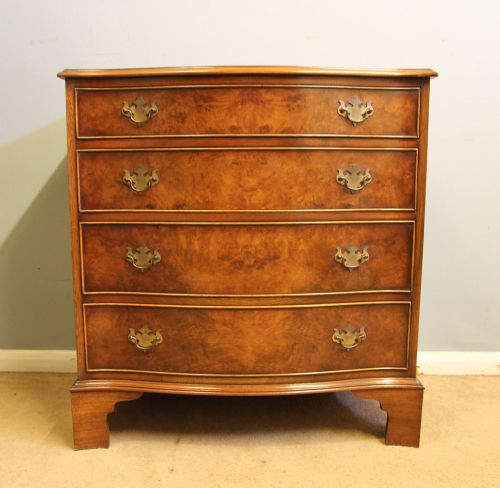
Four Drawer Bureau
A four drawer bureau offers a practical surface for writing alongside deep storage, combining timber craftsmanship with period utility.
Four Drawer Bureau
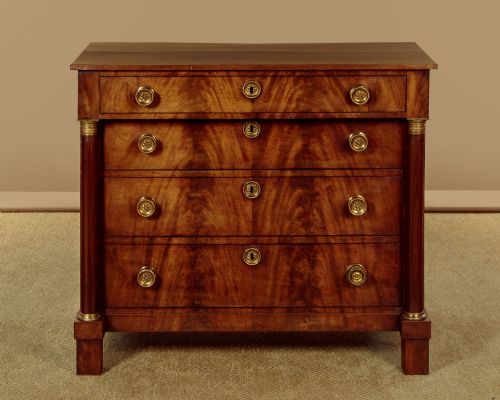
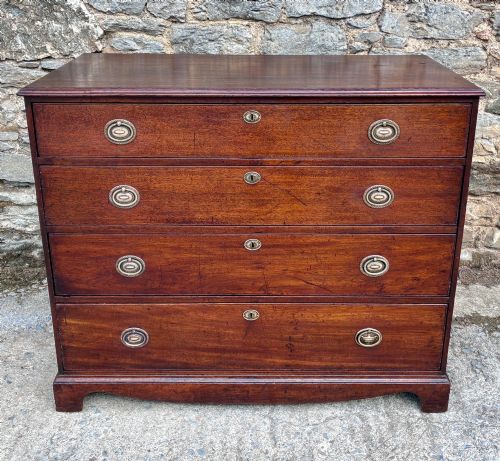
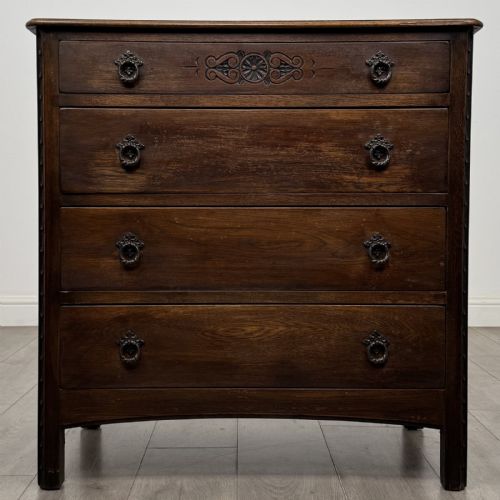
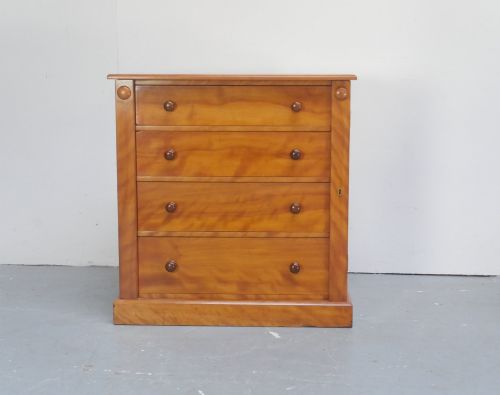
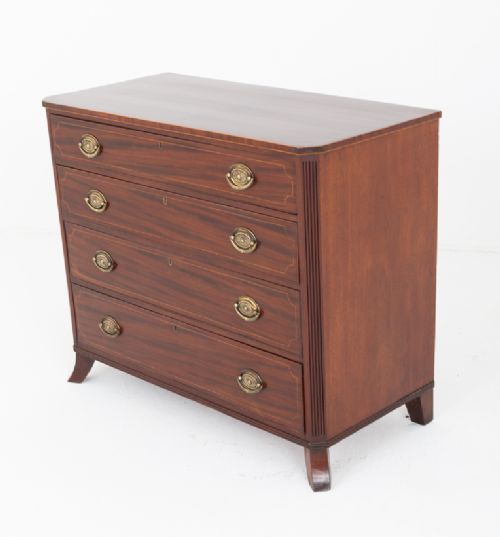
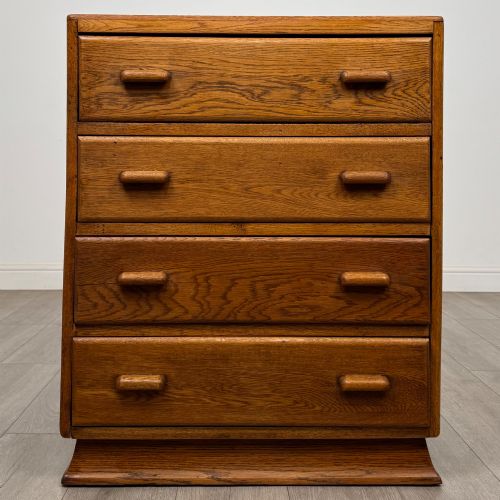
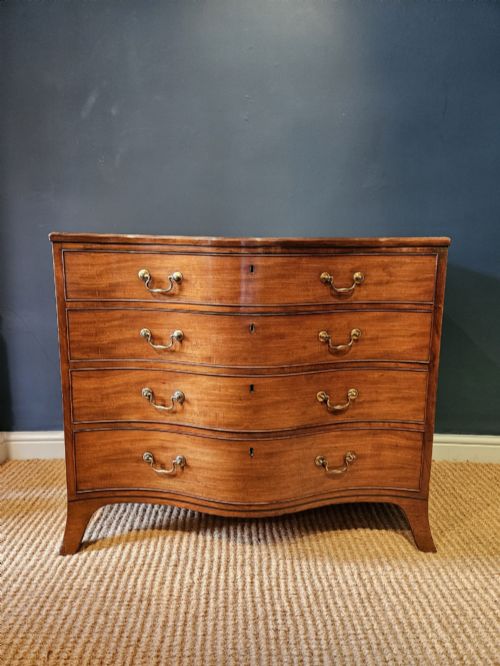
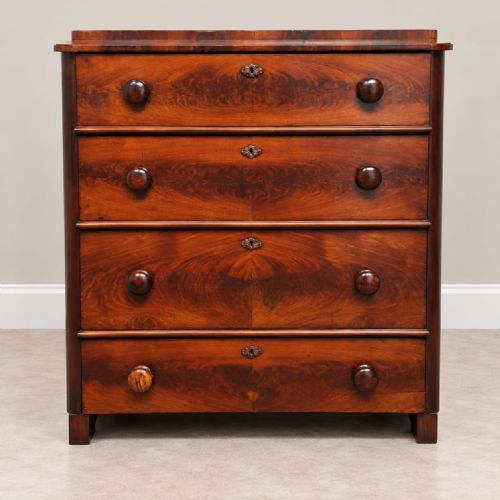
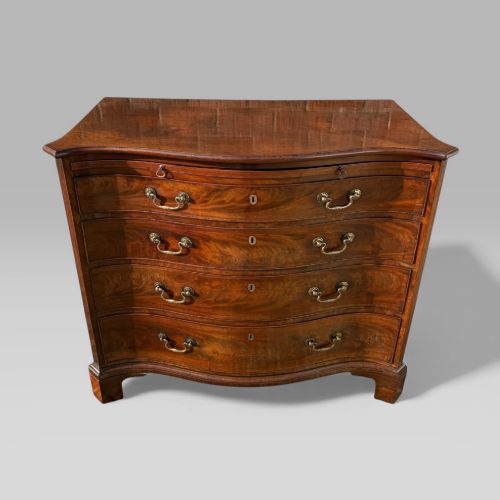
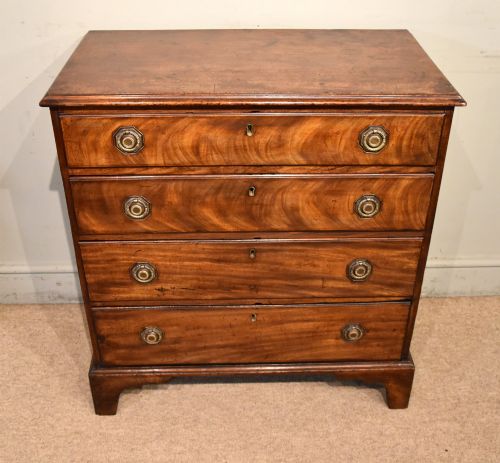
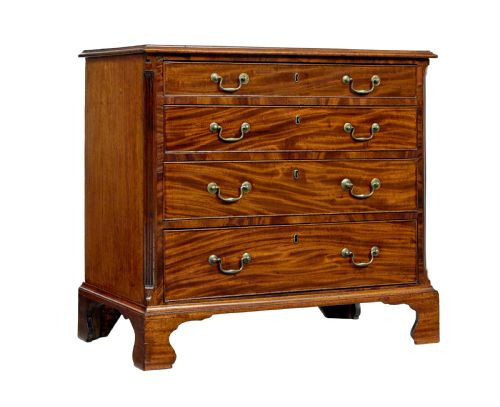
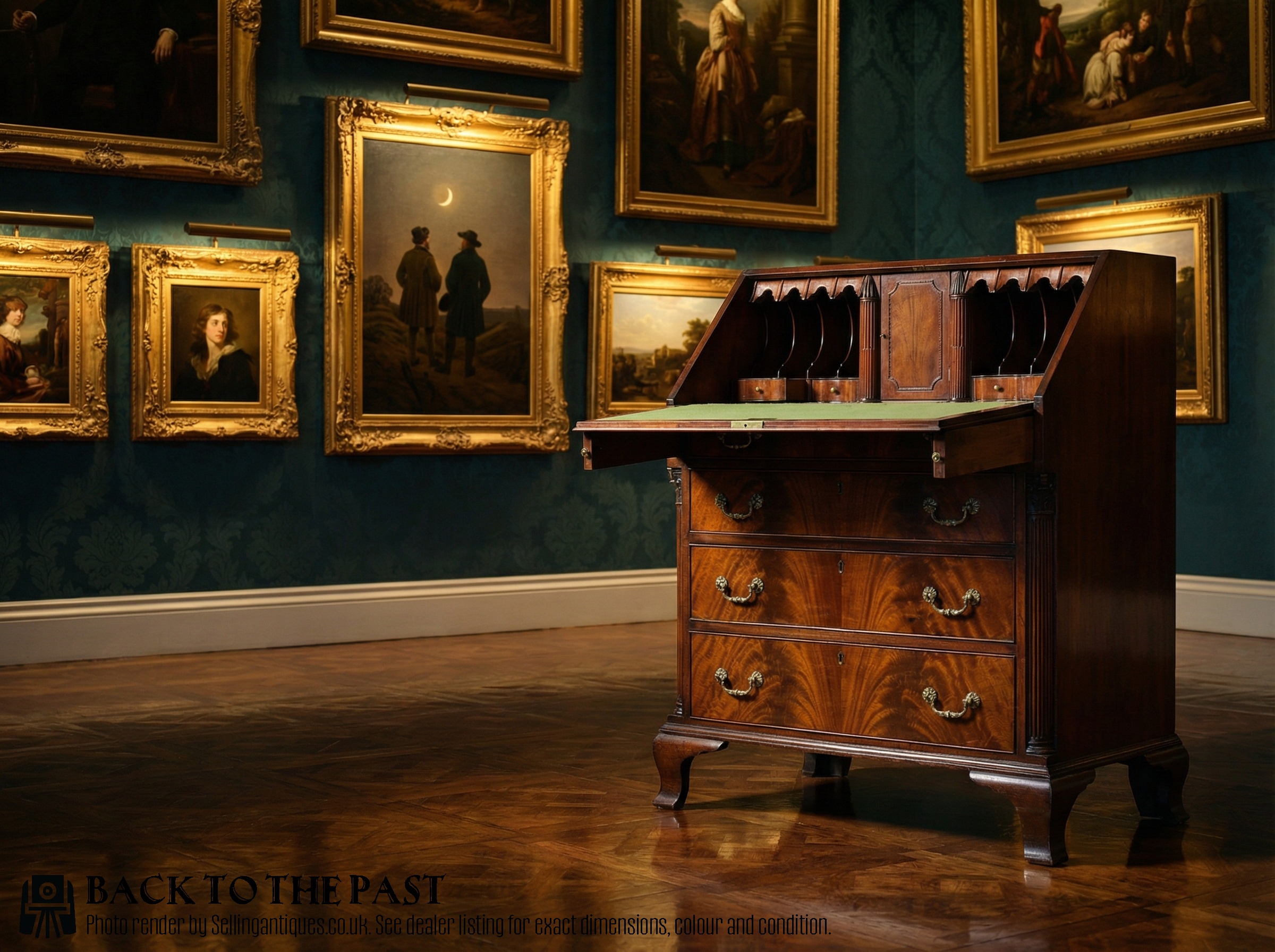
When you search for a four drawer bureau, you are looking at sturdy wooden case furniture designed for domestic storage and correspondence across the Georgian, Regency, Victorian, and Edwardian eras. The listings here predominantly comprise chests of drawers featuring four graduated tiers, alongside occasional writing desks andbureaux from the eighteenth and nineteenth centuries.
Makers and cabinetmakers built these pieces primarily in mahogany, oak, and walnut, often incorporating specialised elements like a brushing slide or serpentine fronts. The proportions vary from small country examples in elm or oak to larger urban pieces finished with satinwood inlay or flame birch veneers.
How they were made
Cabinetmakers constructed the carcase and drawer linings using solid timbers such as oak, pine, and mahogany, selecting dense hardwoods for external visibility. They applied decorative veneers like burr walnut and flame birch onto secondary woods to create figured grain patterns across the drawer fronts.
The hardware relied on cast brass handles and escutcheons secured through the drawer timber. Joinery methods included dovetail joints for the drawer construction and careful framing to support the weight of four stacked drawers.
Country carpenters occasionally used humble elm for smaller chests, trusting local timber to hold up against daily farmhouse life.
What varies in quality
The standard of a four drawer bureau rests on the selection of timber and the precision of the cabinetmaker's joinery. Finely figured mahogany or burr walnut veneers demonstrate superior material choice compared to plain utility boards, while tight dovetails and smooth-running drawers show disciplined workshop practice.
Subtleties in proportion and decorative restraint distinguish regional country pieces from refined urban furniture. Details such as serpentine shaping, satinwood line inlay, and original brasses elevate the visual presence of a piece.
The Four Drawer Bureau Glossary
- Brushing slide
- A pull-out wooden shelf positioned above the top drawers, historically used for dusting garments or setting aside papers.
- Serpentine front
- A chest front curving outward in the centre and inward at the sides, requiring advanced woodworking skill to shape.
- Dovetail
- A interlocking joint used to connect drawer sides to drawer fronts and backs, valued for structural strength.
- Veneer
- A thin slice of decorative wood applied over a secondary timber base to display rich grain patterns.
- Escutcheon
- A protective metal plate surrounding a keyhole, usually cast in brass.
Four Drawer Bureau: Frequently Asked Questions
What is a four drawer bureau?
A four drawer bureau is a traditional wooden storage item containing four stacked tiers of drawers, frequently paired with writing surfaces or compartments.
These pieces served as essential household furniture for organising documents and personal belongings in bedrooms and studies.
How do I date a chest of drawers?
Dating relies on observing construction methods, timber choices, and hardware styles associated with periods like the Georgian or Victorian eras.
Examining the drawer linings, timber types such as mahogany or oak, and overall proportions helps place the piece within its historical context.
Were these used for writing?
Certain variations incorporated writing slides or fold-down desks specifically designed for correspondence and paperwork.
The inclusion of a pull-out brushing slide provided an immediate surface without requiring a separate table.
What woods were commonly used?
Cabinetmakers utilised mahogany, oak, walnut, and pine depending on the region and the period of manufacture.
Exotic veneers like burr walnut, satinwood, and flame birch appeared on finer urban pieces, while elm and country oak suited simpler workshop output.
How do I care for antique timber?
Maintaining antique furniture involves keeping pieces away from direct heat sources and sudden humidity changes to prevent wood splitting.
Regular dusting with a dry cloth preserves the polished surface without stripping the historic finish.