




Four Door Dresser
A four door dresser provides substantial storage with a balanced facade, uniting practical utility and period character in one strong furniture piece.
Four Door Dresser
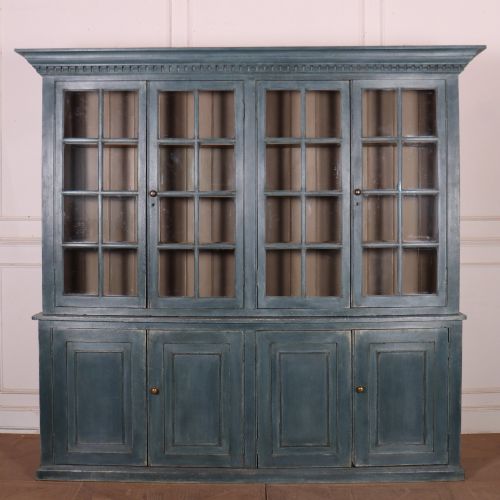
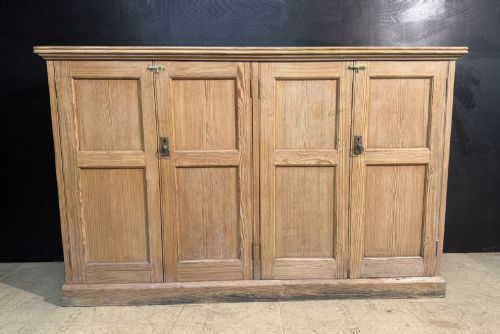
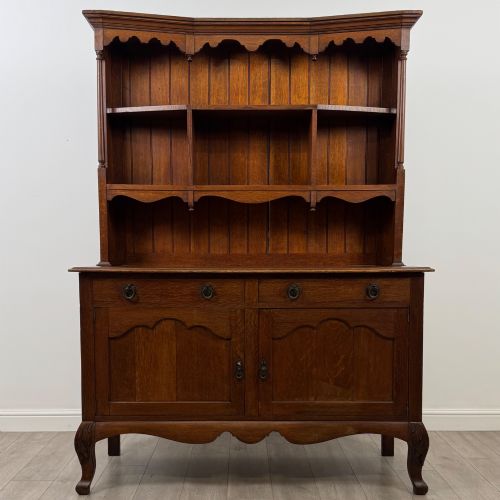
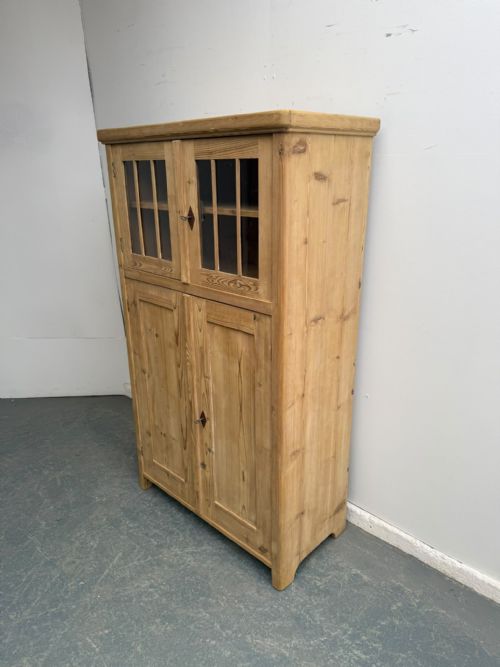
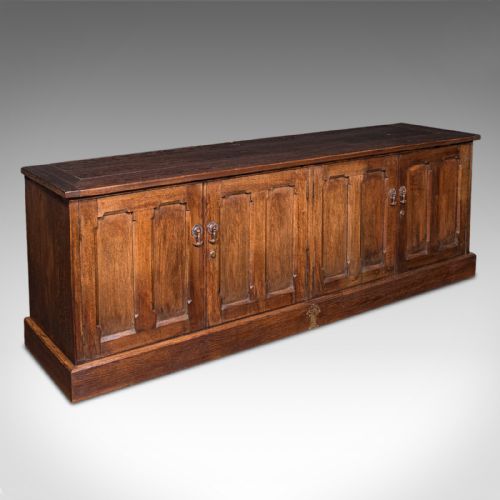
A four door dresser encompasses large storage furniture designed for domestic use, including housekeeper cupboards, sideboard bases, and glazed cabinets. These forms offer substantial capacity through twin pairs of doors, often accompanied by drawers.
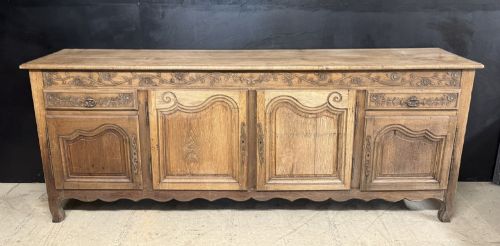
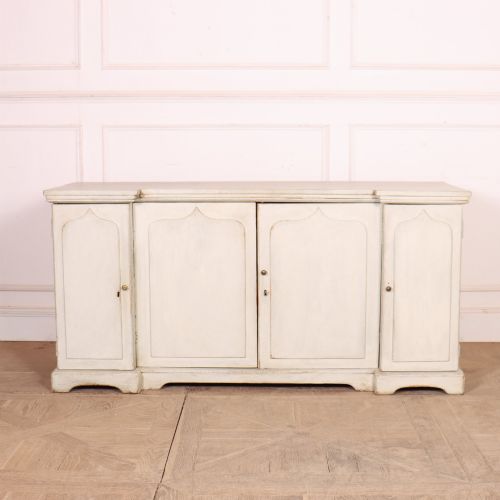
Most examples found here date from the nineteenth century or the Victorian era, constructed in solid pine, oak, or mahogany. Regional styles range from English country house utility to French provincial and Gothic revival expressions.
Buyers encounter varied configurations, from low dresser bases with open top shelves to tall linen cupboards and breakfront sideboards. Each variation serves specific storage needs while displaying the distinct proportions of its period.
Judging quality and proportion
Quality rests upon the selection of timber and the integrity of the original construction, where tightly fitted joints and substantial carcase thickness separate robust pieces from lighter builds. Well-proportioned cornices and balanced door panels contribute significantly to the visual weight of the furniture.
The preservation of original surface finishes, whether polished wood or early paint, alters the character and desirability of a piece. Original hardware and functional drawers add considerable merit to any storage cabinet.
Four Door Dresser Retail Price Guide 2026
Typical asking prices for four door dresser among the pieces listed under this phrase on Sellingantiques today, from the lower quarter to the upper quarter. They describe what is for sale here now, not the wider market.
Many a Victorian housekeeper guarded the key to the linen cupboard with fierce dedication, holding absolute authority over the household household textiles.
The Four Door Dresser Glossary
- Breakfront
- A cabinet design where the central section projects forward from the flanking wings. This configuration creates architectural depth on sideboards and dresser bases.
- Housekeepers Cupboard
- A large tall storage cupboard traditionally used for linens and provisions in large households. These pieces feature extensive shelving enclosed by multiple doors.
- Dresser Base
- The lower portion of a traditional dresser, comprising cupboards and drawers without the superstructure of plate racks. They function effectively as independent sideboards.
- Enfilade
- A suite of rooms or, in furniture terms, a long sideboard or cabinet with multiple doors in a continuous line. French examples frequently display this form.
- Gothic Revival
- An architectural and decorative style drawing inspiration from medieval forms. Pieces in this idiom incorporate pointed arches, heavy mouldings, and structural ironwork.
Four Door Dresser: Frequently Asked Questions
What is the difference between a dresser base and a sideboard?
A dresser base typically originates from kitchen or utility contexts, often possessing a greater depth and simpler lines suited to daily domestic service. Sideboards frequently incorporate finer timbers and more formal decorative vocabulary intended for dining rooms.
Both forms provide enclosed storage behind doors, but their historical placement within the home dictated their construction and finish.
How do I care for a painted antique cabinet?
Painted surfaces require gentle cleaning with a dry or barely damp cloth to preserve the finish without lifting older pigment layers. Avoid harsh chemical cleaners and modern polishes that can soften traditional paint.
Maintain stable humidity levels in the room to prevent the underlying timber from expanding or contracting, which causes paint to craze and flake over time.
Can these cupboards be used in modern kitchens?
These large storage units adapt well to contemporary kitchens as freestanding larders, crockery stores, or preparation surfaces. Their deep cupboards and drawers accommodate modern kitchen equipment while introducing historical warmth.
Ensure floor levels are even when positioning heavy timber furniture to prevent door alignment issues and strain on the frame.
How do I identify a Victorian piece from an earlier century?
Nineteenth-century pieces often display machine-sawn timber elements alongside traditional hand-planed surfaces, whereas seventeenth-century examples rely entirely on hand-rived and hand-tooled wood. Hardware fixings and interior construction methods also reveal the period of manufacture.
Examining the secondary woods used for drawer linings and carcase backs provides reliable clues to the date and geographic origin of the furniture.