



Footing Copper Planter
These footing copper planter pieces bring warmth and texture to a room, offering robust vessels shaped by decades of utilitarian service.
Footing Copper Planter
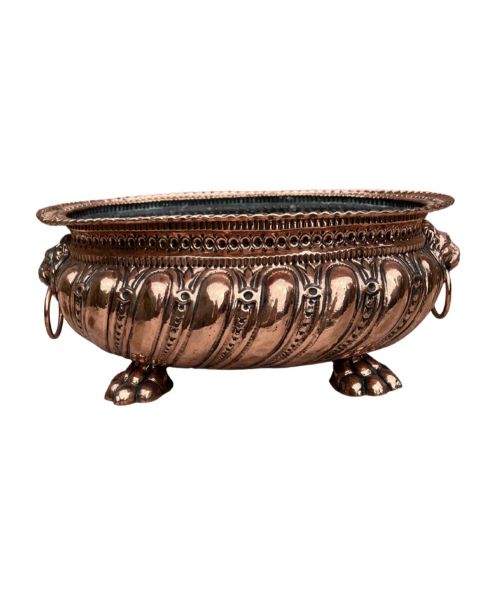
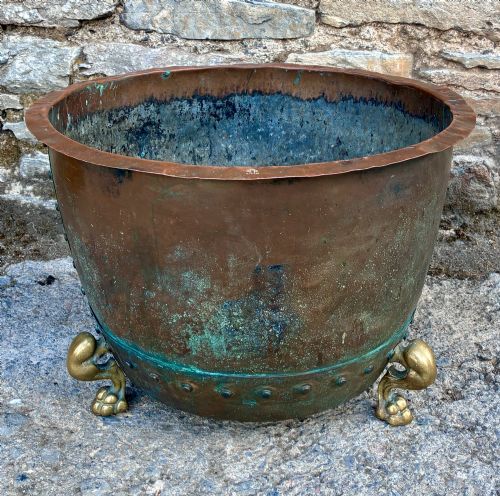
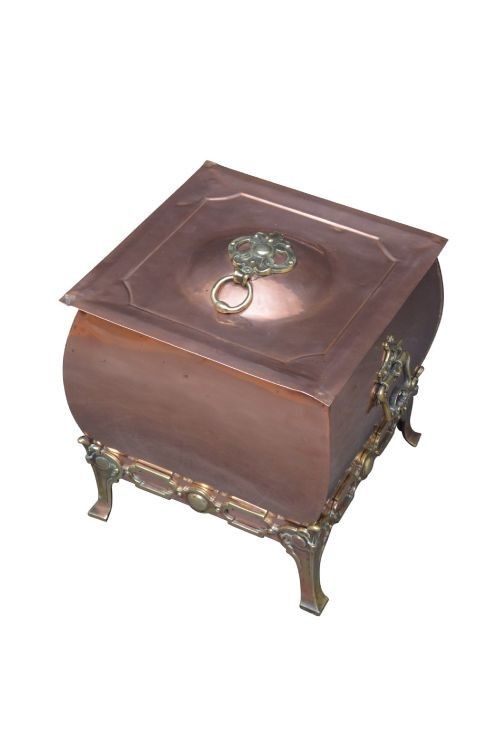
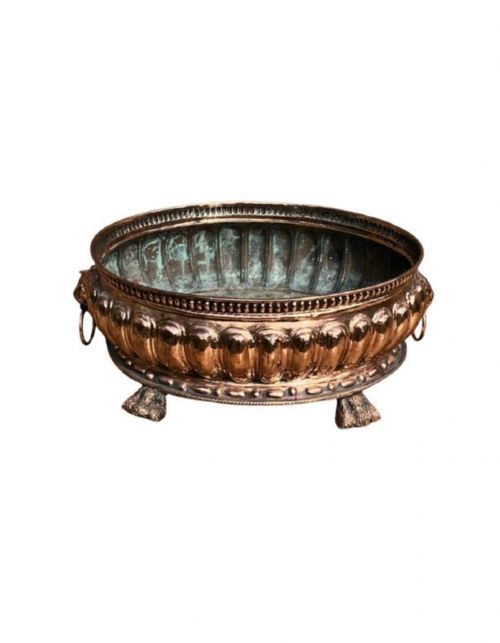
A footing copper planter represents a diverse group of metal vessels utilised historically for domestic firesides, kitchen work, and display. When searching this phrase, buyers encounter items ranging from coal bins and log buckets to decorative jardinieres and cauldrons.
The pieces listed on this page predominantly span the Victorian era, alongside examples from the eighteenth century and the early twentieth century. Forms vary from simple riveted boilers to ornate French repoussé planters and Italian neo-classical jardinieres.
Origins stretch across England, France, Italy, and the Netherlands, reflecting varied domestic and decorative traditions. Buyers are most likely to meet Victorian items fashioned in copper with contrasting brass accents or iron fittings.
Materials and construction methods
Construction relies heavily on sheet copper, frequently paired with brass handles, rims, or paw feet. Many items incorporate visible hand-beating techniques and structural iron rivets that secure the heavy metal plates together.
Makers utilised repoussé techniques on specific French and Italian examples to hammer decorative motifs into the metal from the reverse side. Surface textures show the deliberate marks of the artisan's hammer alongside the smooth patina of aged copper.
Footing Copper Planter Retail Price Guide 2026
Typical asking prices for footing copper planter among the pieces listed under this phrase on Sellingantiques today, from the lower quarter to the upper quarter. They describe what is for sale here now, not the wider market.
Several heavy coal bins on this page likely spent decades quietly holding fuel beside smoky Victorian hearths before retiring to decorative duty.
Assessing quality and craftsmanship
Quality rests in the weight of the metal gauge and the integrity of the structural joins. Superior pieces display crisp hand-beating and secure riveting that withstands the practical demands of holding fuel or soil.
Artistic execution divides standard utility vessels from high decorative items such as Arts and Crafts jardinieres or French repoussé planters. The finer examples retain balanced proportions, crisp detailing in the brass mounts, and harmonious patination across the copper surface.
The Footing Copper Planter Glossary
- Jardiniere
- An ornamental pot or stand for holding plants or flowers. These vessels often feature decorative handles or pedestal feet.
- Repoussé
- A metalworking technique where the artisan hammers a design into the reverse side of a sheet of metal to create a raised pattern on the front. This method appears on French planters.
- Riveted
- Joined together using metal bolts or pins hammered flat at the ends. This method provides the robust construction seen on boilers and coal buckets.
- Patina
- The surface sheen and colour acquired by copper and brass through age, handling, and oxidation. It distinguishes old metalwork from modern reproductions.
Footing Copper Planter: Frequently Asked Questions
What were copper planters used for?
These versatile metal vessels served multiple practical roles in historic households, functioning as coal scuttles, log bins, and fireside stores. Many were also designed to hold large interior plants as jardinieres or to chill wine.
Over time, their robust construction made them suitable for heavy daily tasks near the hearth before evolving into purely decorative items for the home.
How do I date an antique copper piece?
Dating relies on examining the construction methods, such as hand-beating marks, machine-rolled edges, and the style of the riveted joints. Earlier pieces from the eighteenth century often show different handle attachments and hammering patterns compared to late Victorian examples.
Design styles also offer clear clues, with specific decorative motifs pointing toward the Arts and Crafts movement or Italian neo-classical revivals.
Can I use these planters for real plants?
Many of these copper and brass vessels were originally lined or designed to contain soil and water, particularly the jardinieres and cauldrons. However, moisture can affect aged metal and historic linings, so placing a modern inner pot inside is often wise.
Checking the internal condition helps determine whether direct planting is appropriate or if a protective liner is required.