

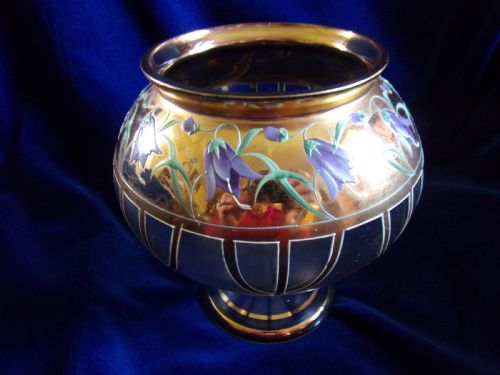


Foot Vase
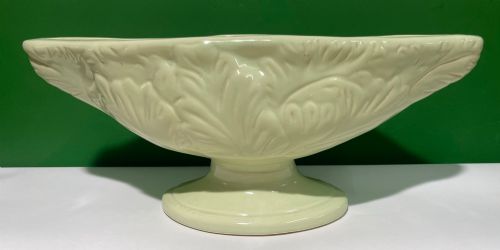
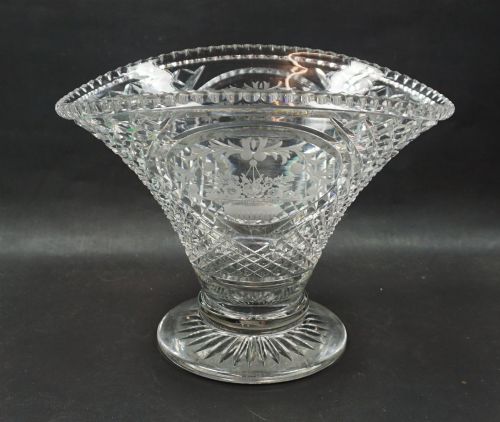
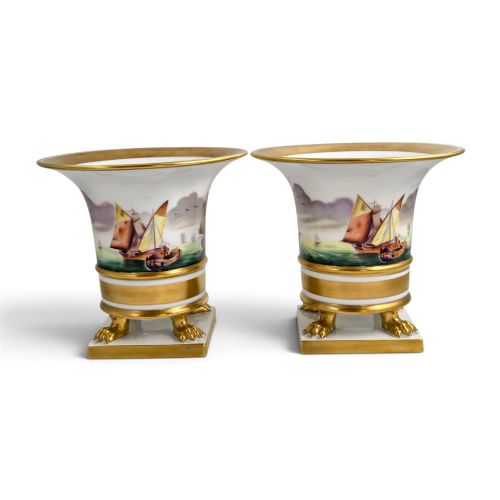
These foot vase examples combine decorative glass and ceramic craft, offering raised profiles that suit classic tabletop displays.
Foot Vase
A foot vase sits on a raised pedestal base, elevating the vessel above the surface to create a distinct profile. When exploring this selection, buyers frequently encounter glass and ceramic forms ranging across the nineteenth and twentieth centuries.
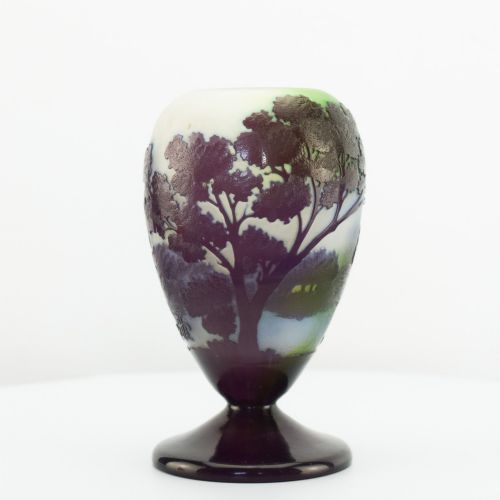
The objects span multiple decorative movements including Art Nouveau and Victorian styles. Makers applied floral motifs, landscapes, and gilt details directly to the bodies.
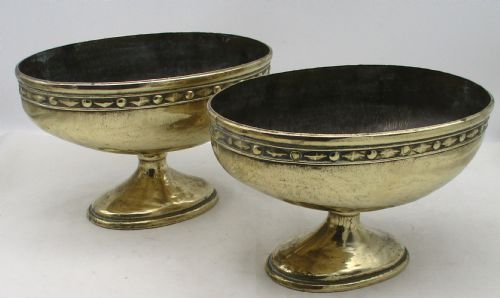
Alongside glass vessels, the listings include earthenware, porcelain, and enamel work. Each piece utilises a footed construction to support the main bowl or chamber.
How they were made
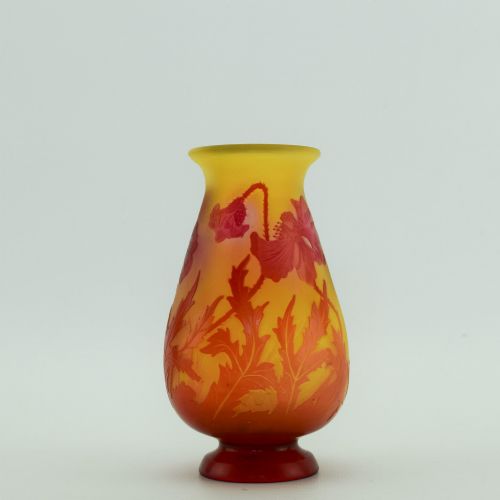
Glassmakers utilised cameo techniques, acid-etching, and enamelling to pattern the surfaces. Acid-etched glass and layered cameo glass create relief effects across the vessel walls.
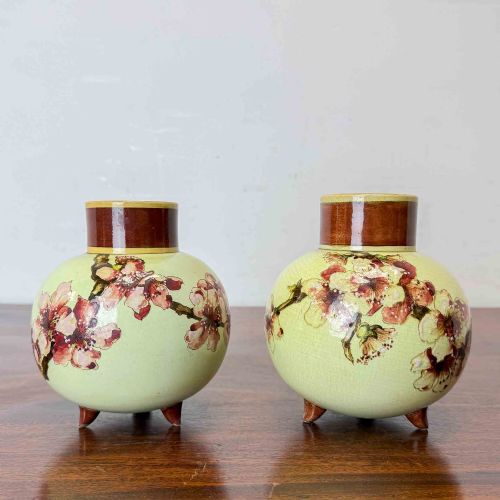
Ceramic pieces involve earthenware and porcelain bodies decorated with majolica glazes or hand-painted floral subjects. Gold leaf and gilt highlights were frequently added to finished glass and ceramic pieces.
Foot Vase Retail Price Guide 2026
Typical asking prices for foot vase among the pieces listed under this phrase on Sellingantiques today, from the lower quarter to the upper quarter. They describe what is for sale here now, not the wider market.
Cherry blossom branches and blooming poppies dominate the botanical motifs found winding around these glass and ceramic vessels.
What varies in quality
The execution of the decorative surface separates standard production from finer examples. Crisp cameo layering and detailed hand-painted enamelling demonstrate superior workshop output.
The balance and proportion of the footed base relative to the main body dictate the visual success of the piece. Well-balanced vessels maintain clean lines from the pedestal to the rim.
Doulton Lambeth·Galle·St Louis glassworks·Ulisse Cantagalli·Minton·Stuart for Liberty·Daum
The Foot Vase Glossary
- Cameo Glass
- Glass formed with multiple coloured layers carved in relief to reveal contrasting hues beneath. This method requires considerable skill from the glassmaker.
- Acid-Etched Glass
- Glass treated with acid to eat away surface areas, producing frosted designs and textured patterns. It became popular during the late nineteenth century.
- Earthenware
- Porous pottery fired at lower temperatures and typically glazed to ensure it holds liquid. It forms the body for many majolica and faience pieces.
- Majolica
- Opaque tin-glazed earthenware decorated with brightly coloured metal oxide paints. Italian and European potteries produced notable examples during the Victorian period.
- Enamel
- Opaque or translucent vitreous composition fused to glass or metal surfaces through heat. It provides vibrant colour and metallic enrichment.
Foot Vase: Frequently Asked Questions
What is a foot vase?
A foot vase is a vessel mounted on a raised pedestal or base, separating the main chamber from the resting surface.
These pieces appear in glass, porcelain, and earthenware across several historical periods.
How do I date a foot vase?
Dating relies on identifying the material, manufacturing technique, and stylistic markers such as Art Nouveau motifs or Victorian forms.
Makers' marks or signatures etched into the glass or stamped on the base provide further chronological clues.
Where were these vases made?
The pieces originate from various European centres, including English, French, German, and Italian workshops.
Each region utilised distinct regional methods for glassblowing and ceramic glazing.
How should I display a foot vase?
Display these vessels on stable surfaces like tables or sideboards where the elevated base remains visible.
Keep them away from direct edges to protect the delicate footed structure from accidental knocks.