



Folk Art Wooden Sign
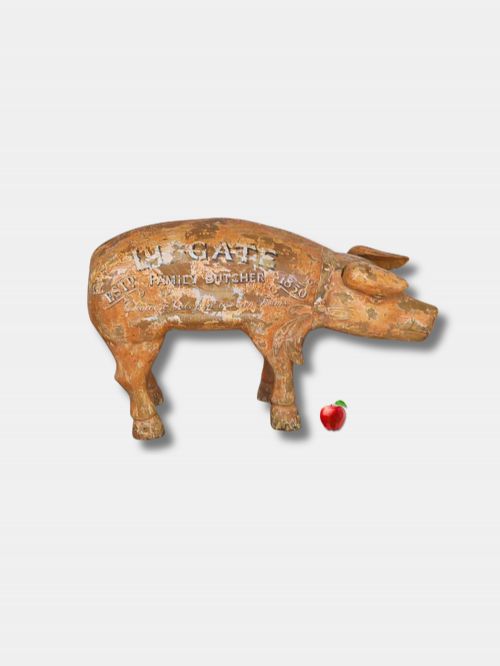
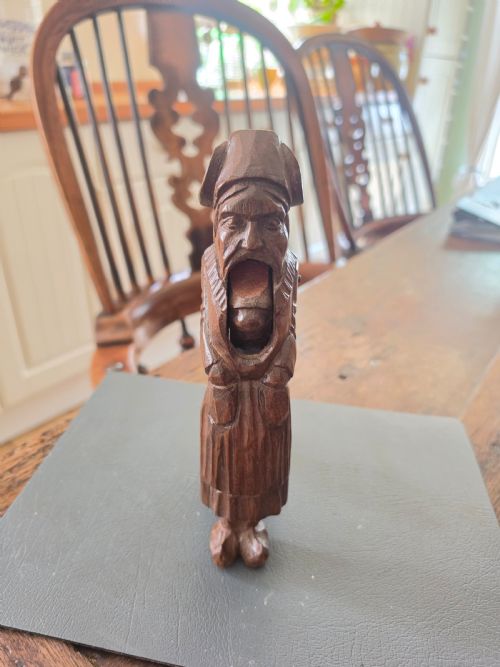
A folk art wooden sign brings tactile character into a room, spanning hand-painted trade boards, carved figures, and fairground panels from the nineteenth and early twentieth centuries.
Folk Art Wooden Sign
A folk art wooden sign encompasses hand-painted trade boards, carved shop displays, and fairground panels originating across the nineteenth and early twentieth centuries. These pieces record commercial history and vernacular sculpture through utilitarian objects made for everyday trade.
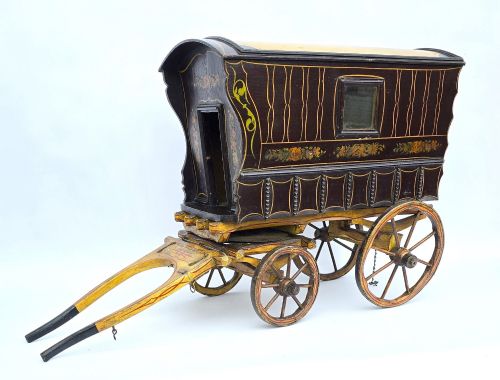
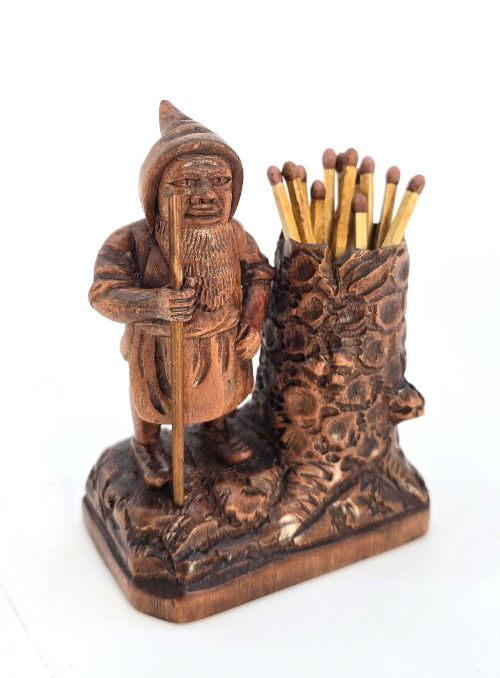
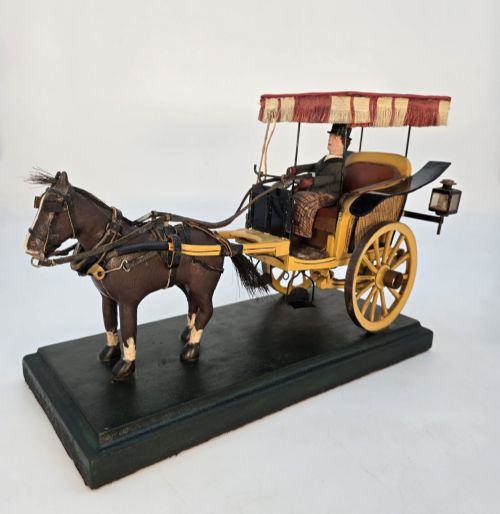
The selections available here range from butcher and fish shop boards in painted pine to carved commercial figures, carnival panels, and scratch-built models. Most examples date from the Victorian and Edwardian periods, reflecting local trades and rural craftsmanship.
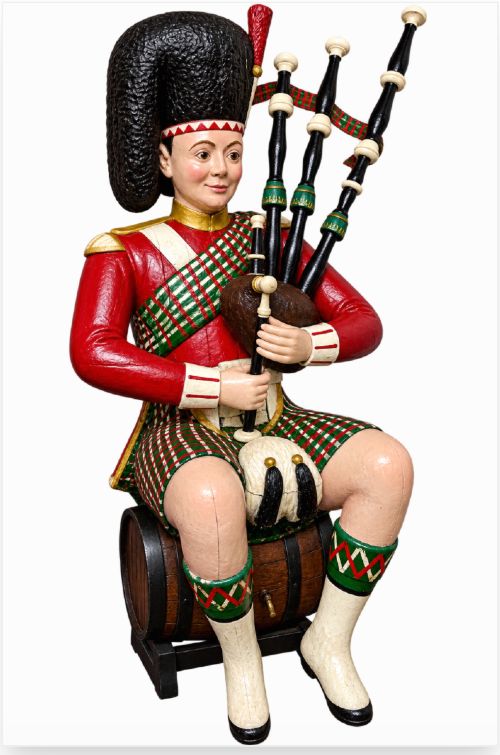
Buyers often encounter large painted pine lettering alongside figurative carvings such as Highlander pipers, cigar store figures, and animal models. Each object carries the marks of working environments, bridging commercial purpose with regional artistic expression.
Materials and construction
Makers utilised available timbers such as pine, oak, and limewood, shaping boards and blocks with hand tools before applying polychrome paint or oil finishes. Signboards typically rely on solid pine planks bearing hand-painted lettering and graphic symbols.
Figurative works and models involve detailed carving in limewood or pine, often reinforced with iron hardware and glass elements where functional parts require stability. Paint layers built up over decades provide the primary colour and surface protection for these exterior and interior objects.
Folk Art Wooden Sign Retail Price Guide 2026
Typical asking prices for folk art wooden sign among the pieces listed under this phrase on Sellingantiques today, from the lower quarter to the upper quarter. They describe what is for sale here now, not the wider market.
Listings feature items spanning the nineteenth century, the Edwardian era, and the 1920s, constructed primarily from painted pine, limewood, oak, and iron.
Assessing quality in folk art
Quality rests in the conviction of the carving, the legibility and character of the hand-painted lettering, and the integrity of the original surface paint. Stronger pieces display confident proportions and purposeful tool work rather than timid execution.
The relationship between maker and material dictates distinction, where depth of surface patina and honest wear enhance the visual narrative. Lesser examples exhibit flat execution or unsympathetic repainting that obscures the historic fabric of the piece.
R.D. Roberts
The Folk Art Wooden Sign Glossary
- Trade sign
- A board or figurative sculpture hung outside a shop to advertise wares or services to the public. These objects rely on clear visual symbols and bold lettering.
- Polychrome paint
- The application of multiple colours to wood surfaces to create figurative detail and high visibility on signs. This layered finish often survives in fragments reflecting working age.
- Fairground panel
- A decorative board painted or carved for amusement park rides and carnival attractions during the early twentieth century. They showcase exuberant colours and vernacular themes.
- Scratch built
- A model constructed entirely from raw timber and components without the aid of commercial kits. This term denotes individual amateur skill and direct observation.
- Patina
- The surface sheen and colour change acquired by wood and paint through age, handling, and environmental exposure. It serves as a visual indicator of authenticity.
Folk Art Wooden Sign: Frequently Asked Questions
How were trade signs used?
Shopkeepers mounted these painted boards and carved figures outside premises to identify businesses to literate and illiterate passers-by alike. They functioned as permanent outdoor advertisements.
Over time, exposure to weather shaped their appearance, leaving distinct layers of wear that reflect decades of active commercial service on high streets.
What woods were commonly used?
Pine served as the primary timber for large painted signboards due to its availability and stable flat surface for lettering. Carvers preferred limewood and oak for figures and detailed models.
These timbers responded well to hand tools, allowing makers to shape bold three-dimensional forms intended for immediate visual impact.
How do I date a piece?
Dating relies on assessing the style of lettering, construction methods, hardware types, and the composition of underlying paint layers. Nineteenth-century examples often display hand-sawn timber marks and lead-based pigments.
Comparing structural forms with dated comparative objects helps narrow down the period of manufacture, moving from Victorian trades to Edwardian fairgrounds.
Where should I display them?
These robust wooden objects suit large wall spaces in living areas, kitchens, or studies where their scale and texture can act as focal points. Stable indoor environments prevent timber movement.
Keeping pieces away from direct heat sources and strong sunlight preserves the stability of historic paint layers and underlying wood.