


Folk Art Wooden Sculpture
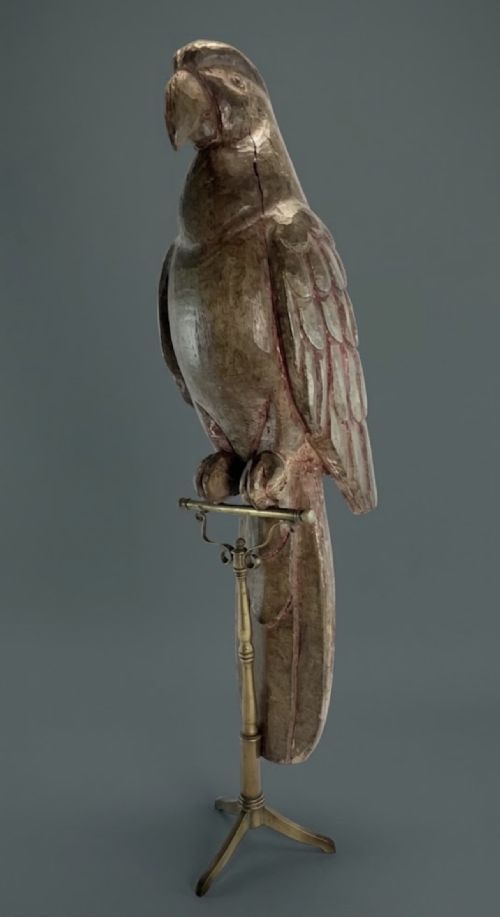
These pieces of folk art wooden sculpture bring immediate character into a room through hand-carved forms shaped by local makers over past centuries.
Folk Art Wooden Sculpture
Folk art wooden sculpture encompasses an eclectic mix of hand-carved objects, ranging from utilitarian decoys and trade signs to devotional figures and carousel animals. Collectors seek these items for their direct expression and unpretentious charm, produced by makers working outside formal academic traditions.
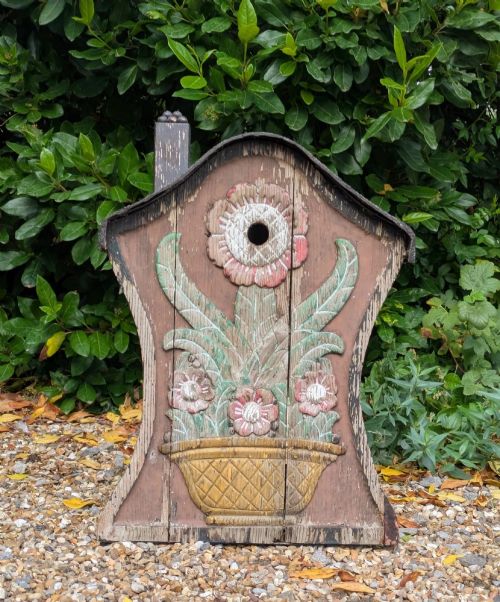
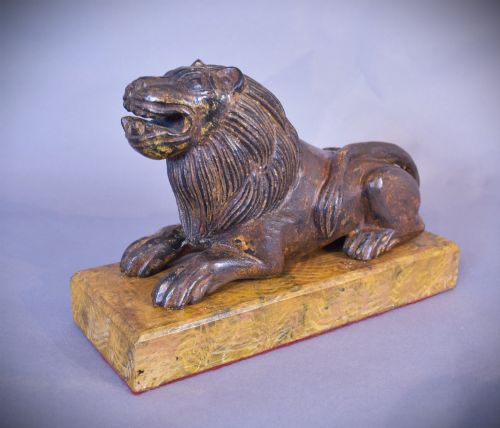
The selection here draws primarily from nineteenth-century and early twentieth-century examples, spanning English, French, Scandinavian, Japanese, and American origins. Common forms include carved animals, birds, human figures, and architectural models shaped from timber.
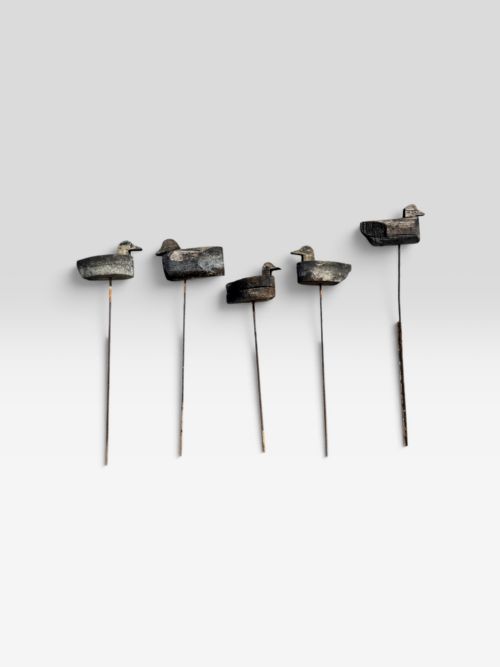
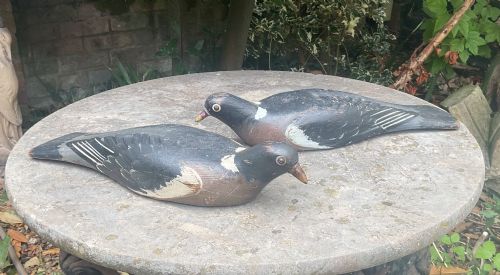
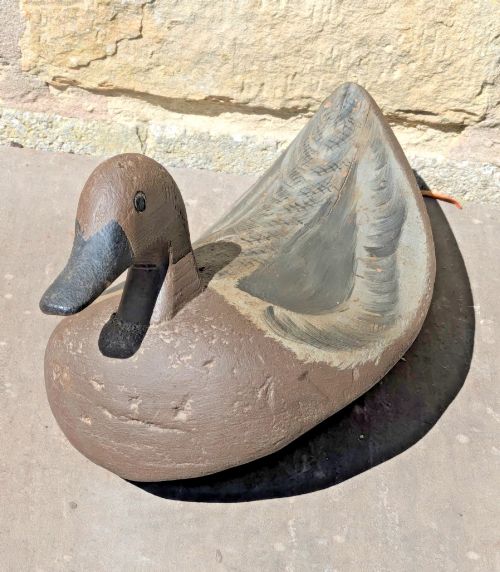
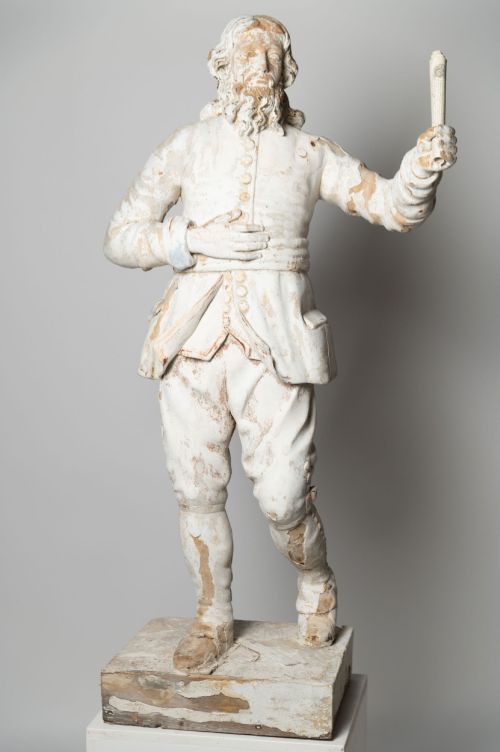
Decoys and animal carvings form a substantial portion of the available pieces, alongside religious statues and trade figures. Each object reflects the regional materials and cultural needs of its place of origin.
How they were made
Makers utilised available local timbers such as oak, elm, yew burr, linden, and various hardwoods, shaping them with hand tools like gouges and drawknives. Tool marks often remain visible across the surface, recording the physical process of carving.
Many sculptures retain layers of original paint, gesso, or metal details like stud eyes, while others rely entirely on the natural grain and patina of the wood. Surfaces show the accumulated wear of practical use or display over decades.
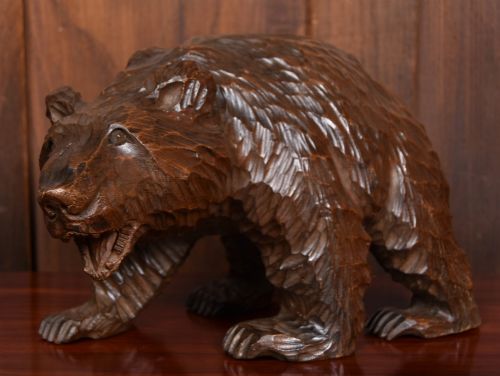
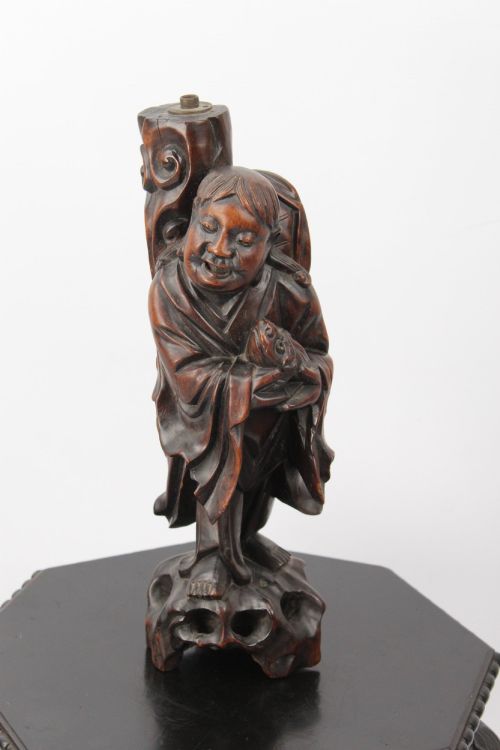
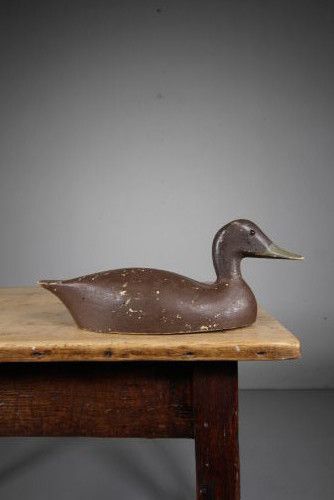
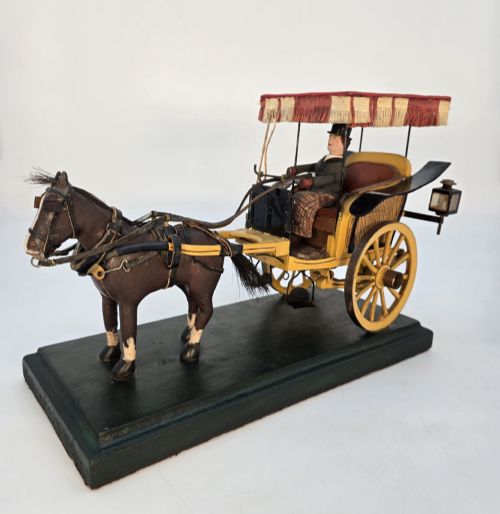
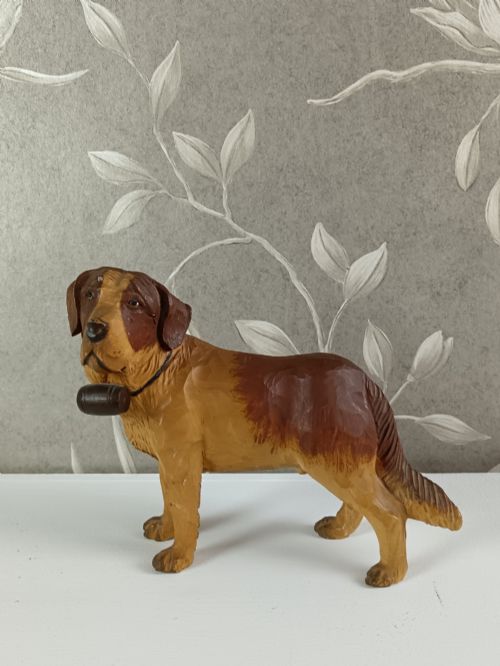
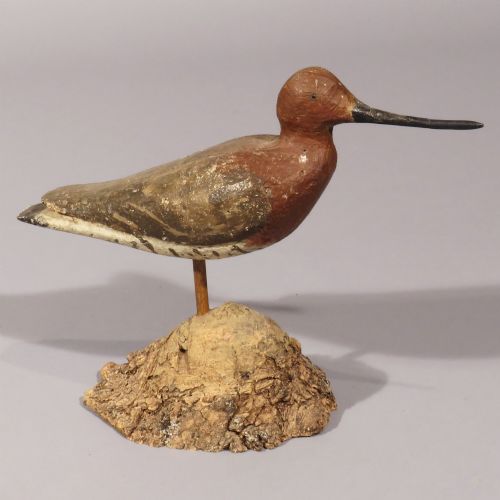
A Saint Bernard dog stands ready alongside wooden ducks, carved human saints, and a miniature horse-drawn chaise carriage.
What varies in quality
Quality rests upon the strength of the carving and the vitality of the silhouette, separating confident handwork from stiffer, derivative execution. A successful piece demonstrates an expressive grasp of form despite simple tools and unpretentious materials.
The integrity of the original surface finish plays a central role, with untouched paint layers and genuine aged patina carrying more weight than heavily restored or later painted surfaces. Proportion, balance, and the economy of the maker's cuts distinguish the finest examples.
The Folk Art Wooden Sculpture Glossary
- Decoy
- A carved or moulded bird or animal originally used to attract game, now collected as sculpture for its stylised form.
- Gesso
- A plaster-based material applied to wood surfaces to provide a smooth base for painting and gilding.
- Naive
- A descriptor for art produced outside formal academic training, often showing simplified perspective and direct execution.
- Patina
- The surface sheen and colour developed on wood through handling, ageing, and exposure to light over long periods.
- Trade sign
- A large carved or painted object displayed outside a shop to advertise the goods or services sold within.
Folk Art Wooden Sculpture: Frequently Asked Questions
How do I identify a decoy?
Decoys generally feature simplified, hydrodynamic body shapes with weighted bases or tether loops designed for floating or field placement.
They often retain utilitarian lead ballast weights or mounting holes underneath, alongside working layers of durable lead-white or oil paint.
Are these sculptures signed by makers?
Most historic folk art pieces remain unsigned because the makers operated as jobbing carvers, tradesmen, or artisans rather than gallery artists.
Occasionally, a piece carries a signature, date, or workshop stamp, but anonymity is standard for the genre.
How should I clean wooden sculptures?
Dust surfaces gently with a dry, soft brush or microfiber cloth to prevent dirt accumulation without disturbing the aged wood.
Avoid using water, liquid cleaners, or modern polishes, which can soften historic paint layers and strip away dry surface patinas.
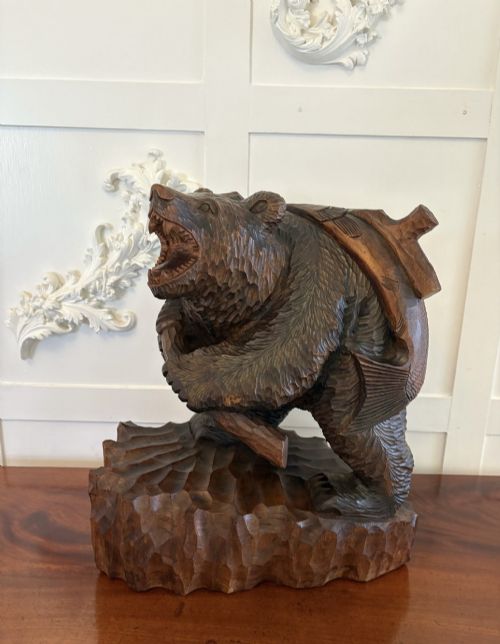
What is Black Forest carving?
Black Forest carving refers to intricately detailed wooden figures and furniture produced in the Swiss and German border regions during the nineteenth century.
These pieces typically showcase naturalistic animals, particularly bears, carved from Linden wood with deep texturing that mimics fur.