



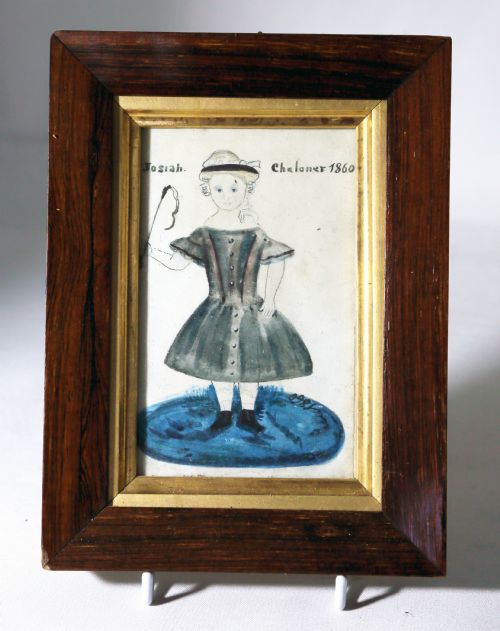


Folk Art Watercolour
Folk art watercolour paintings bring vernacular charm and unpretentious character directly into your home.
Folk Art Watercolour
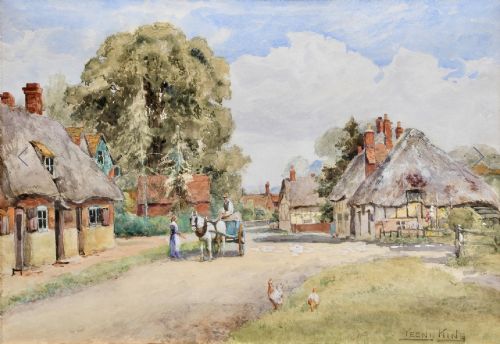
When you search for folk art watercolour, you encounter vernacular works on paper and fabric created outside the formal academic traditions. These pieces range from portraits of individuals and animals to narrative scenes and pastoral views.
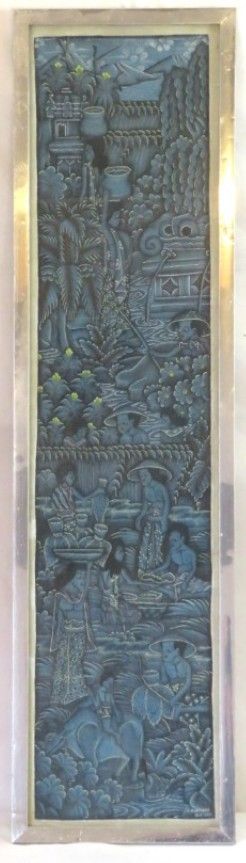
You are most likely to meet 19th century examples on this page, alongside early 20th century works including pieces dated from 1840 to 1942. The selection covers British, American, Dutch, Balinese and Chinese origins.
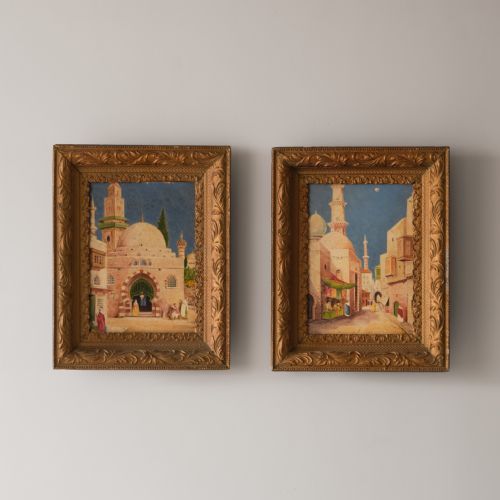
The forms vary from individual framed portraits and pairs of paintings to interior scenes and detailed narrative compositions. Each piece captures a direct observation of everyday life, history or personal memory without academic constraint.
How they were made
The makers utilised watercolour pigments, ink and coloured pencil applied to paper or fabric surfaces. Many works incorporate framing materials such as wood, rosewood frames, glass, gilt wood and gold leaf to protect and present the image.
Techniques rely on direct, unstudied application rather than strict perspective, resulting in flat planes, bold outlines and expressive detailing. Support materials range from standard artist paper to woven fabric and mixed media grounds.
Folk Art Watercolour Retail Price Guide 2026
Typical asking prices for folk art watercolour among the pieces listed under this phrase on Sellingantiques today, from the lower quarter to the upper quarter. They describe what is for sale here now, not the wider market.
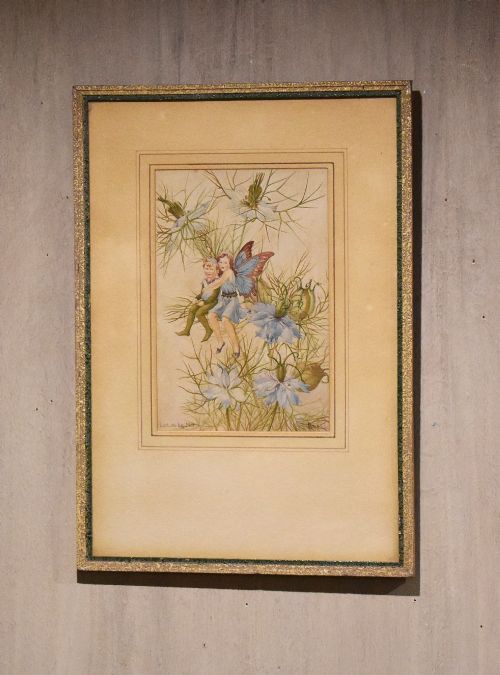
A bear trainer and a gentleman with a wooden leg share wall space with flower fairies and goldfish.
What varies in quality
The strength of a folk art watercolour depends on the confidence of the line and the expressiveness of the subject rather than academic correctness. Stronger pieces convey immediate personality and narrative engagement.
Condition of the paper, retention of pigment vibrancy, and the appropriateness of the period frame contribute to the desirability of a piece. Original mounts and framing enhance the historical integrity of the artwork.
Marjorie L Davies·Thomas James Lloyd·Josiah Chaloner·Irene Lagut·W Skinner
The Folk Art Watercolour Glossary
- Naive art
- Artwork produced by an artist without formal training, characterised by a childlike perspective and direct representation. It prioritises emotional resonance over strict proportion.
- Watercolour
- A paint medium where coloured pigments are suspended in a water-soluble vehicle. It is traditionally applied to paper to create translucent washes.
- Primitive
- A descriptive term for early or self-taught artistic styles lacking academic refinement. These works show honest observation and direct technique.
- Provenance
- The documented history of ownership of an artwork. It helps establish authenticity and historical context.
- Gilt wood
- Wood that has been treated with a thin layer of gold leaf or metallic powder. It provides a decorative and protective border for traditional frames.
Folk Art Watercolour: Frequently Asked Questions
What defines a folk art watercolour?
These works are created by self-taught or non-academic artists who focus on direct storytelling, local characters and domestic scenes rather than classical rules of perspective.
The materials typically involve watercolour paints, ink or pencil on paper or fabric, often housed in period wooden frames.
How should I care for these watercolours?
Paper and fabric watercolours require protection from direct sunlight to prevent fading of the original pigments over time.
Keep them in stable environmental conditions away from dampness to preserve both the artwork and any historic frame.
How do I identify the age of a piece?
Dating relies on stylistic clues, clothing of the subjects depicted, inscriptions, and the construction methods of the accompanying frames.
Materials such as rosewood frames and specific paper types also offer reliable indicators of nineteenth or early twentieth-century origins.
Where were these paintings produced?
The selection includes works from various geographic traditions such as British, American, Dutch, Balinese and Chinese makers.
Each region brings distinct cultural narratives and local subjects, from portraits to narrative genre scenes.