


Folk Art Diorama
A folk art diorama brings miniature three-dimensional worlds into homes through carved wood, painted canvas, and glass cases.
Folk Art Diorama
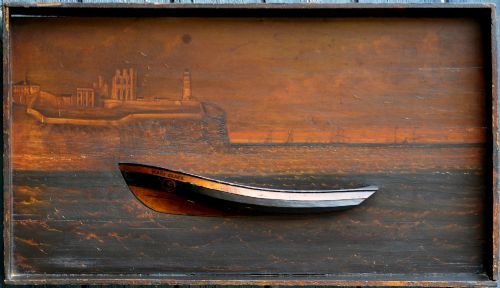
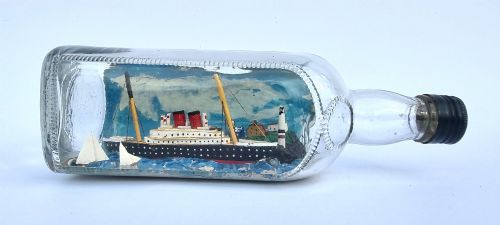
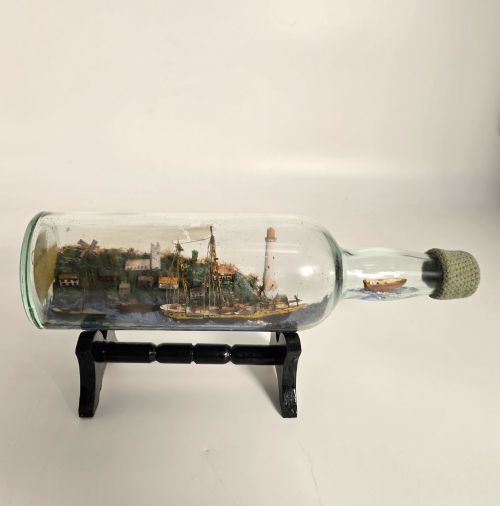
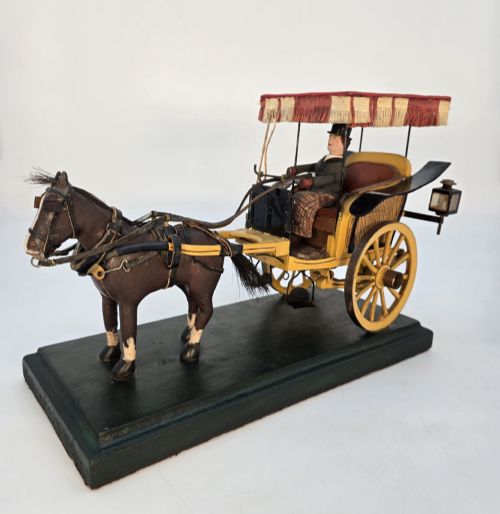
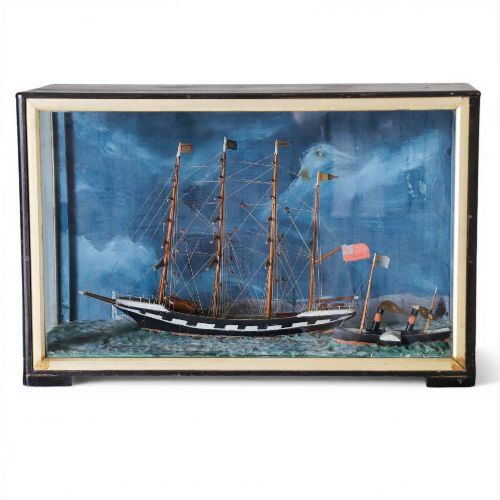
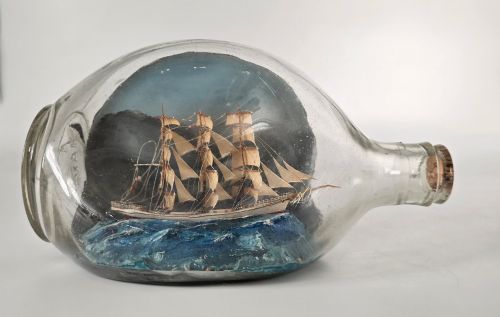
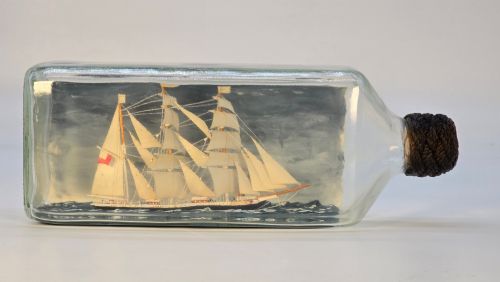
A folk art diorama presents small-scale scenes within shadow boxes, glazed mahogany cases, or glass bottles, capturing domestic life, architecture, and maritime subjects. These pieces span from the nineteenth century through the early twentieth century, reflecting the hand of makers working outside formal academic traditions.
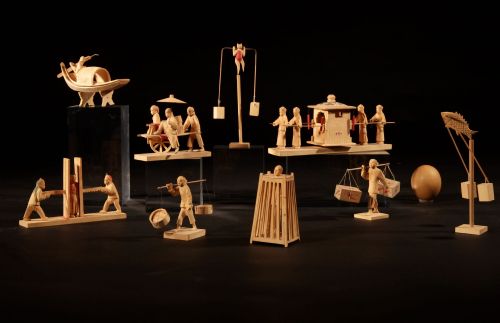
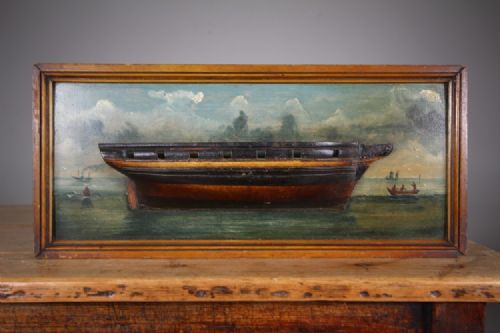
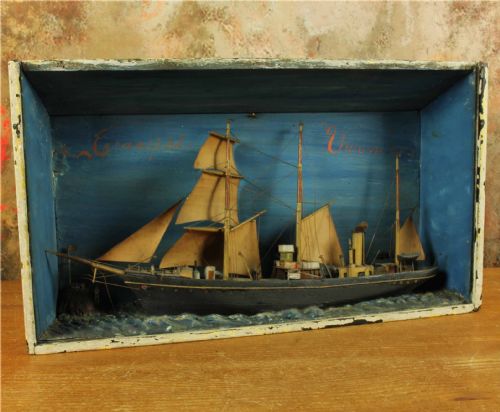
Maritime subjects dominate the selection, showing sailing ships, barques, and clippers upon painted seas. Alongside maritime works, examples encompass townscapes, houses, carriages, and figures constructed with naive charm and regional character.
The objects take several distinct forms, from cased wall art and shadow boxes to complex models housed entirely within glass bottles. Each version utilises local materials available to the maker, resulting in varied expressions of historical craftsmanship.
Materials and construction
Makers constructed these works primarily from wood, canvas, and glass, utilising carved elements alongside painted backdrops to create depth. Painted canvas and paper establish horizons and seascapes within shadow boxes and glazed wooden cases.
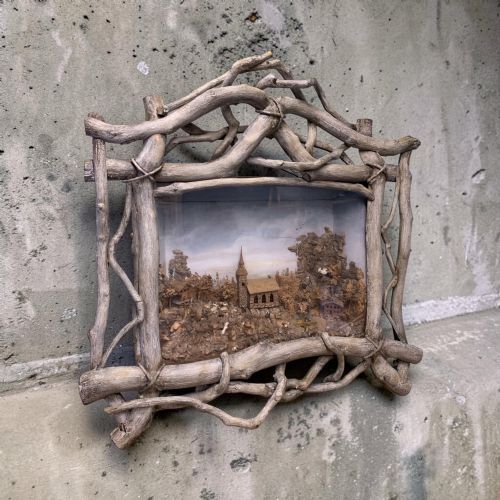
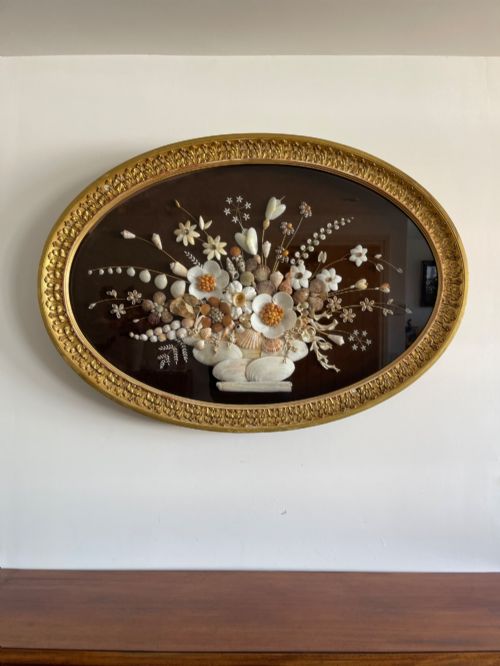
Many examples incorporate organic and alternative materials such as cork, plaster, fabric, and crushed shellwork to build texture within the scene. Scratch-built wooden components, twigs, and straw work complete the intricate detailing found across these pieces.
Listings feature works from the nineteenth century alongside early twentieth-century examples, utilising wood, glass, cork, and shellwork.
Evaluating craftsmanship and condition
The distinction between ordinary and superior pieces rests on the complexity of the composition and the preservation of delicate internal components. Finer examples display meticulous scratch-built rigging, balanced proportions, and detailed painting within the glazed case.
The integrity of the housing directly influences the piece, with original glass and well-joined wooden frames preserving the vulnerable contents. Objects showing careful structural cohesion and thoughtful use of mixed materials demonstrate the higher tier of regional making.
H.S Andy Anderson
The Folk Art Diorama Glossary
- Diorama
- A three-dimensional scene enclosed within a case, box, or bottle. This format creates perspective using layered painted backgrounds and miniature sculptural elements.
- Shadow box
- A deep, glazed frame designed to protect and display raised objects and models on a wall. It allows three-dimensional folk art to be hung securely.
- Scratch built
- Constructed entirely by hand from raw materials rather than from commercial kits or pre-fabricated parts. This method highlights the individual maker's resourcefulness.
- Straw work
- A decorative technique utilising flattened straw applied in geometric or pictorial patterns to surfaces. It creates shimmering surfaces on specialised folk art panels and ship models.
Folk Art Diorama: Frequently Asked Questions
How were ship dioramas made?
Ship dioramas were constructed using carved wooden hulls, fabric or paper sails, and thread rigging positioned against painted canvas backdrops. Makers often assembled these models inside glass bottles or sealed wooden shadow boxes.
The inclusion of cork, sand, and shells added realistic textures to the simulated seas and coastal landscapes surrounding the vessels.
How do I care for a diorama?
Protect these pieces by keeping them away from direct sunlight and excessive moisture to prevent the fading of painted canvases and the warping of old wood. The enclosed nature of shadow boxes and bottles helps shield the delicate internal elements from dust.
Avoid using liquid cleaners on the exterior glass; instead, use a soft, dry cloth to gently maintain the surface of the case.
How can I tell the age of a diorama?
Dating relies upon examining the construction methods, nail types, framing materials, and the style of the depicted subject. Pieces often feature nineteenth-century or early twentieth-century materials like old window glass, hand-sawn timber, and aged paper.
Inscribed dates, signatures, or historical references within the scene occasionally provide direct evidence of the exact year of creation.