



Folk Art Barrel
Folk art barrel pieces are rustic storage vessels and containers that bring authentic rural character and traditional craftsmanship into a modern interior.
Folk Art Barrel
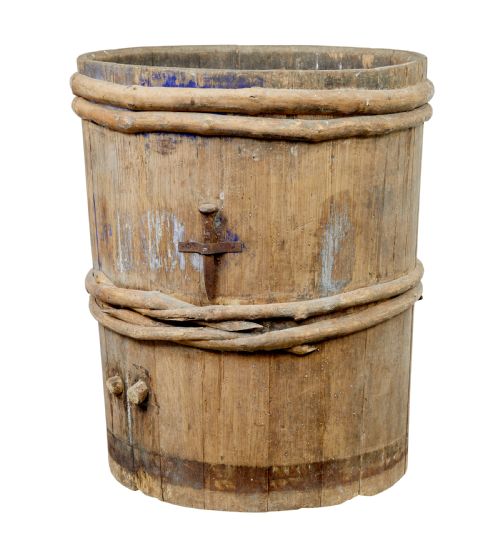
Folk art barrel examples encountered here primarily originate from the nineteenth century, reflecting Scandinavian country traditions and primitive utility. These pine storage vessels and butter churns were made for everyday agrarian use rather than formal display.
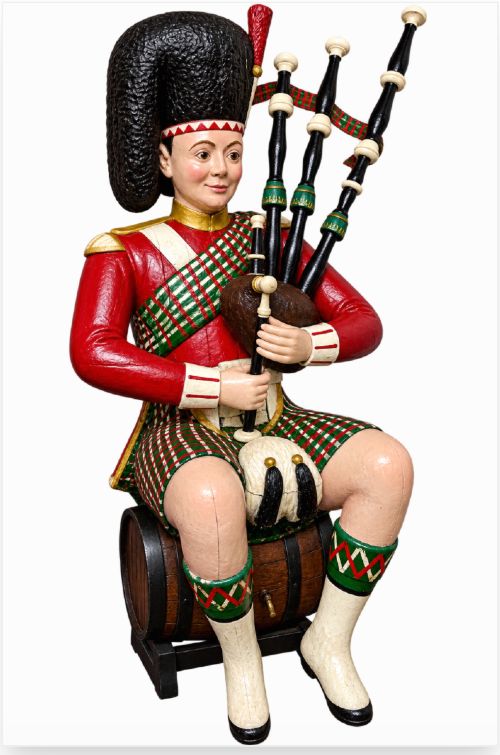
Beyond barrels, the selection includes related wooden vessels, dugout chairs, and carved figures that share the same unpretentious aesthetic and material honesty. Each piece demonstrates how utilitarian objects were shaped by regional handcraft traditions.
The aesthetic is defined by visible tool marks, simple structural forms, and surfaces that have weathered through decades of domestic service. Collectors value them for their direct connection to historical rural life and domestic economy.
How they were made
Construction relies on solid pine and oak, shaped into barrels, storage vessels, and seating using traditional woodworking techniques. Wood hoops and natural fibre rope secure the staves, while iron details occasionally provide structural reinforcement.
Surfaces often show traces of polychrome paint or aged patination developed through decades of exposure and handling. Carved elements are executed with simple hand tools, prioritising function and bold outline over intricate detail.
Folk Art Barrel Retail Price Guide 2026
Typical asking prices for folk art barrel among the pieces listed under this phrase on Sellingantiques today, from the lower quarter to the upper quarter. They describe what is for sale here now, not the wider market.
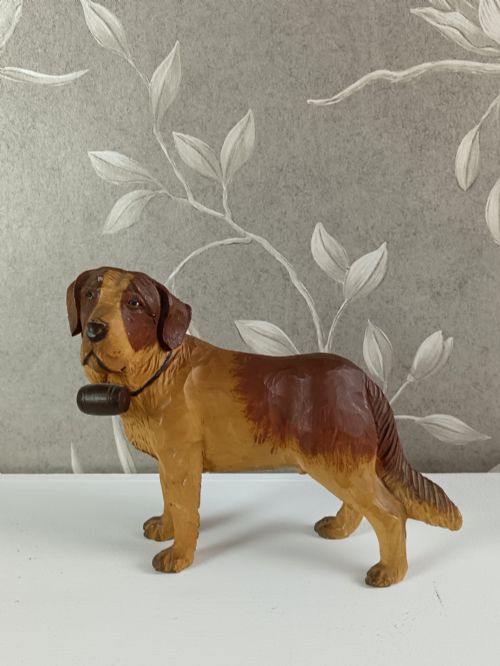
Saint Bernard rescue dogs evidently needed immortalising in wood by nineteen forty, presumably because real ones were busy saving skiers.
What varies in quality
Quality rests in the integrity of the original construction and the character of the surface patination. Pieces that retain their early painted surfaces or natural weathered wood tones stand apart from those with compromised or overly restored finishes.
Proportion and presence also dictate distinction within the range, as sturdier domestic vessels and well-balanced forms carry greater visual weight. The honesty of the wear tells the true story of each object's utility.
The Folk Art Barrel Glossary
- Stave
- A narrow strip of wood with bevelled edges forming the sides of a barrel or storage vessel. These vertical components are tightly fitted together and held securely by hoops.
- Dugout
- A form of furniture or vessel carved directly from a single solid log rather than assembled from separate boards. This method represents an ancient and robust woodworking tradition.
- Polychrome
- Painted in several different colours, often applied to folk art objects for decoration or identification. On rural vessels, surviving layers of coloured paint contribute significantly to the visual interest.
- Primitive
- Descriptive of objects made outside academic traditions, often by local craftspeople for domestic utility. Such work is characterised by direct construction methods and uncomplicated forms.
- Butter churn
- A specialised wooden vessel used historically for agitating cream to separate butter fats. These domestic implements often double as sculptural folk art due to their robust turned or stave-built bodies.
Folk Art Barrel: Frequently Asked Questions
What is a folk art barrel?
A folk art barrel is a hand-built wooden container made for domestic or agricultural storage, often distinguished by regional decorative painting or primitive construction methods. These vessels were essential items in nineteenth-century rural households.
Over time, exposure to use and the elements imparts a rich surface character that collectors prize today. They serve as tactile reminders of historical craft and agrarian life.
How were nineteenth-century barrels used?
Nineteenth-century barrels and storage vessels served practical functions such as holding dry goods, liquids, or dairy produce like butter. They were workhorses of the pantry and the farmstead.
Because they were built for daily labour, their survival depends on the quality of the initial timber and construction. Their transition from utility to display reflects a modern appreciation for historic rural aesthetics.
How do I style a wooden vessel at home?
These rustic wooden pieces work well as sculptural floor objects or as textural accents on sturdy tables and sideboards. Their neutral wood tones and painted finishes complement both contemporary and traditional interiors.
Keep surrounding items simple to let the natural patination and honest construction of the vessel remain the focal point. Avoid placing them in areas subject to extreme humidity or direct heat.