
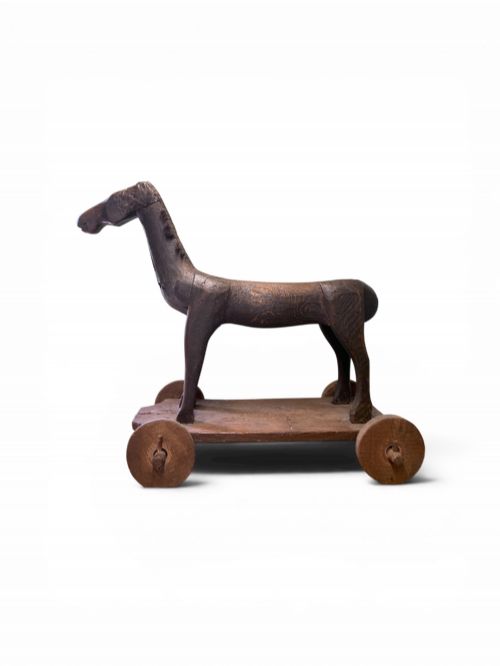
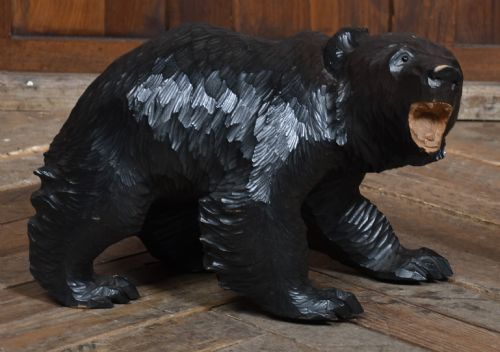


Folk Art Animal Sculpture
Folk art animal sculpture encompasses hand-carved and modelled creatures from various global traditions, prized for their rustic charm and expressive character.
Folk Art Animal Sculpture
Folk art animal sculpture captures domestic and wild beasts through vernacular hands across multiple centuries. When exploring folk art animal sculpture, buyers encounter everything from modest wooden toys to substantial architectural figures and carousel animals.
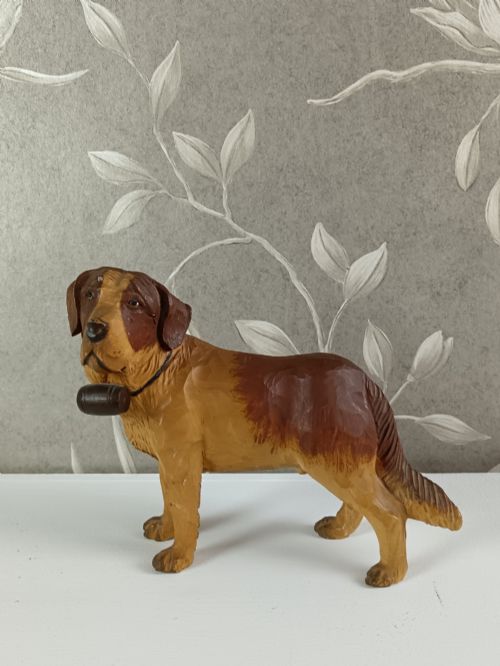
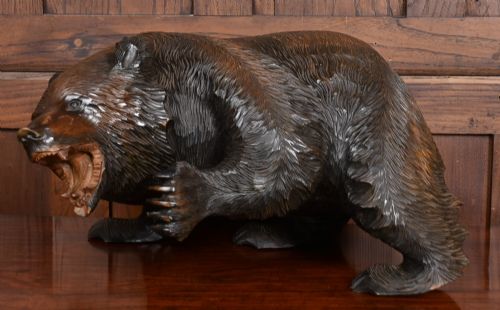
The selection ranges widely across geographic origins and eras, including European Black Forest carvings, Japanese bear sculptures, and French carousel figures. These pieces reflect the traditional crafts of rural communities and specialist workshops alike, utilising local materials to shape familiar animals.
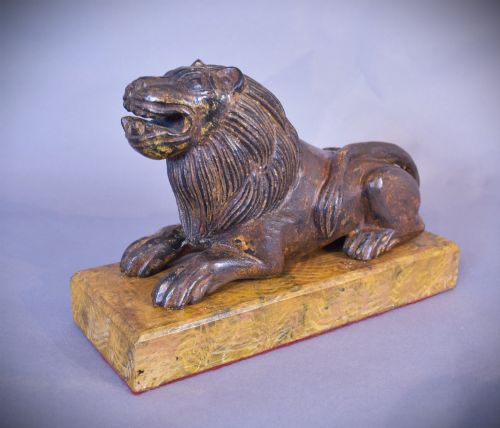
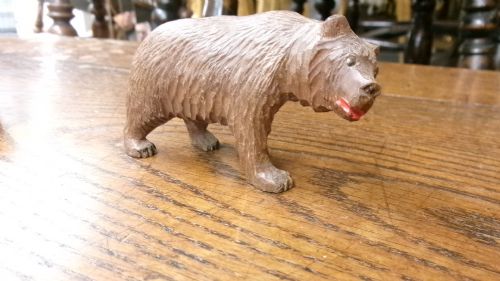
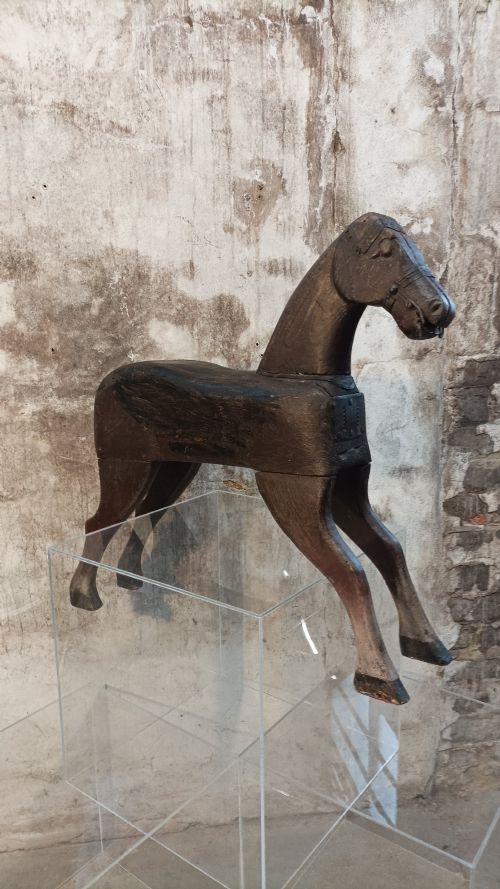
Domestic horses, cows, bears, and dogs appear frequently alongside exotic subjects such as panthers, antelopes, and whales. Each piece serves as a tactile record of vernacular design, bridging the gap between utilitarian objects and decorative sculpture.
Materials and Construction
Wood serves as the primary medium, shaped from hardwoods, linden wood, and whalebone using traditional hand-carving techniques. Carvers utilised gouges and knives to define musculature and texture, often leaving tool marks visible on the surface.
Many sculptures incorporate applied finishes such as paint, stain, and paper mache to add colour and detail. Glass inserts and metal studs frequently form the eyes, bringing an attentive gaze to bears and horses.
Assessing Quality and Character
Quality rests in the vigour of the carving and the preservation of original surface finishes. Strong sculptural proportion and confident tool work distinguish superior representations from simpler workshop output.
The survival of original paintwork and authentic patination heavily influences the character of each piece. Surface wear acquired through genuine handling adds depth, provided the underlying form retains its structural integrity.
The Folk Art Animal Sculpture Glossary
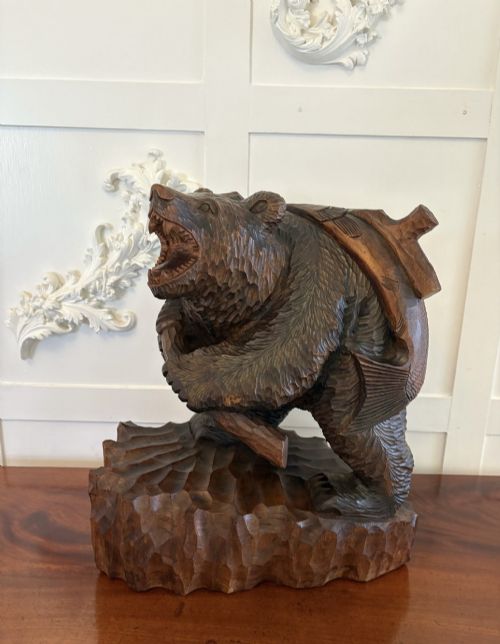
- Black Forest carving
- A style of wood sculpture originating from the Swiss and German regions, known for realistic depictions of bears and forest animals. These pieces were often produced as decorative items or furniture components.
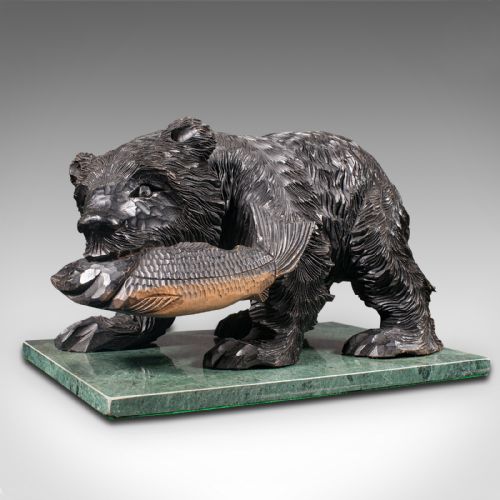
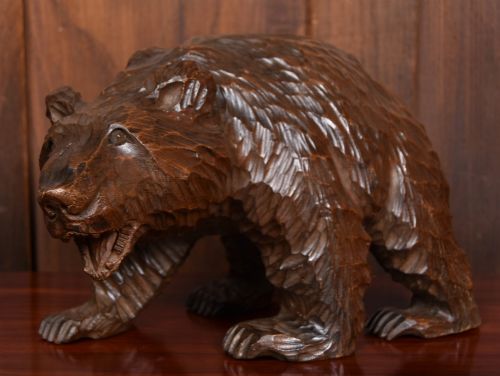
- Kibori Kuma
- A traditional Japanese style of wood-carved bear, often depicted carrying a fish in its mouth. These sculptures originated in Hokkaido and combined local carving traditions with utilitarian souvenirs.
- Papier mache
- A composite material made from paper pulp or reinforced sheets mixed with glue, moulded while wet. It allowed makers to create lightweight animal figures that could be painted and finished easily.
- Limonaire
- A French firm associated with the manufacture of mechanical organs and fairground equipment. Figures produced for these carousels demonstrate robust construction designed to withstand public use.
- Naive art
- Visual art created by a person without formal training, typically characterised by a simplistic approach to perspective and proportion. Such pieces rely on direct observation and unrefined technical methods.
Folk Art Animal Sculpture: Frequently Asked Questions
What animals are most common?
Bears, horses, and cows appear most frequently across the selection, reflecting domestic and regional wildlife.
Carvings of dogs, fawns, and exotic creatures also feature in various traditional styles.
How are wooden sculptures dated?
Datings rely on tool marks, timber shrinkage, style, and the wear patterns on exposed surfaces.
Comparison with documented workshop pieces and traditional regional motifs helps narrow the period of creation.
Are painted surfaces original?
Original paint typically exhibits natural craquelure, fading, and wear consistent with age and handling.
Analysing the layers of pigment and underlying preparation helps distinguish historic finishes from later decoration.
Where were these sculptures made?
Origins span European workshops, Japanese villages, and remote communities such as Pitcairn Island.
Local timber availability and distinct regional carving techniques usually indicate the geographic source.