


Folk Art Animal Carving
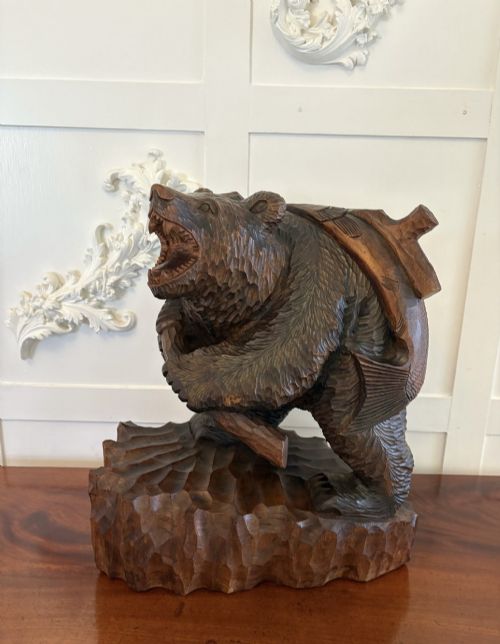
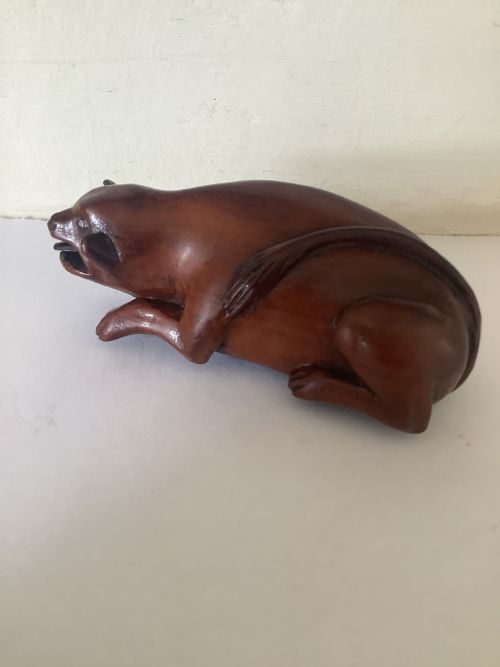
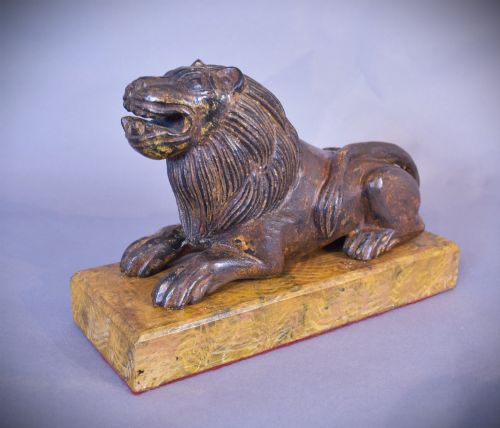
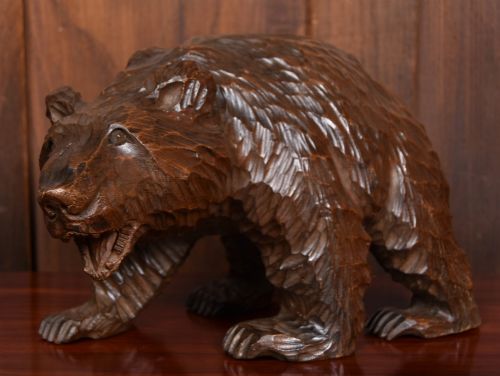
These folk art animal carving pieces bring untamed character into a room through hand-hewn wood, paint, and metal.
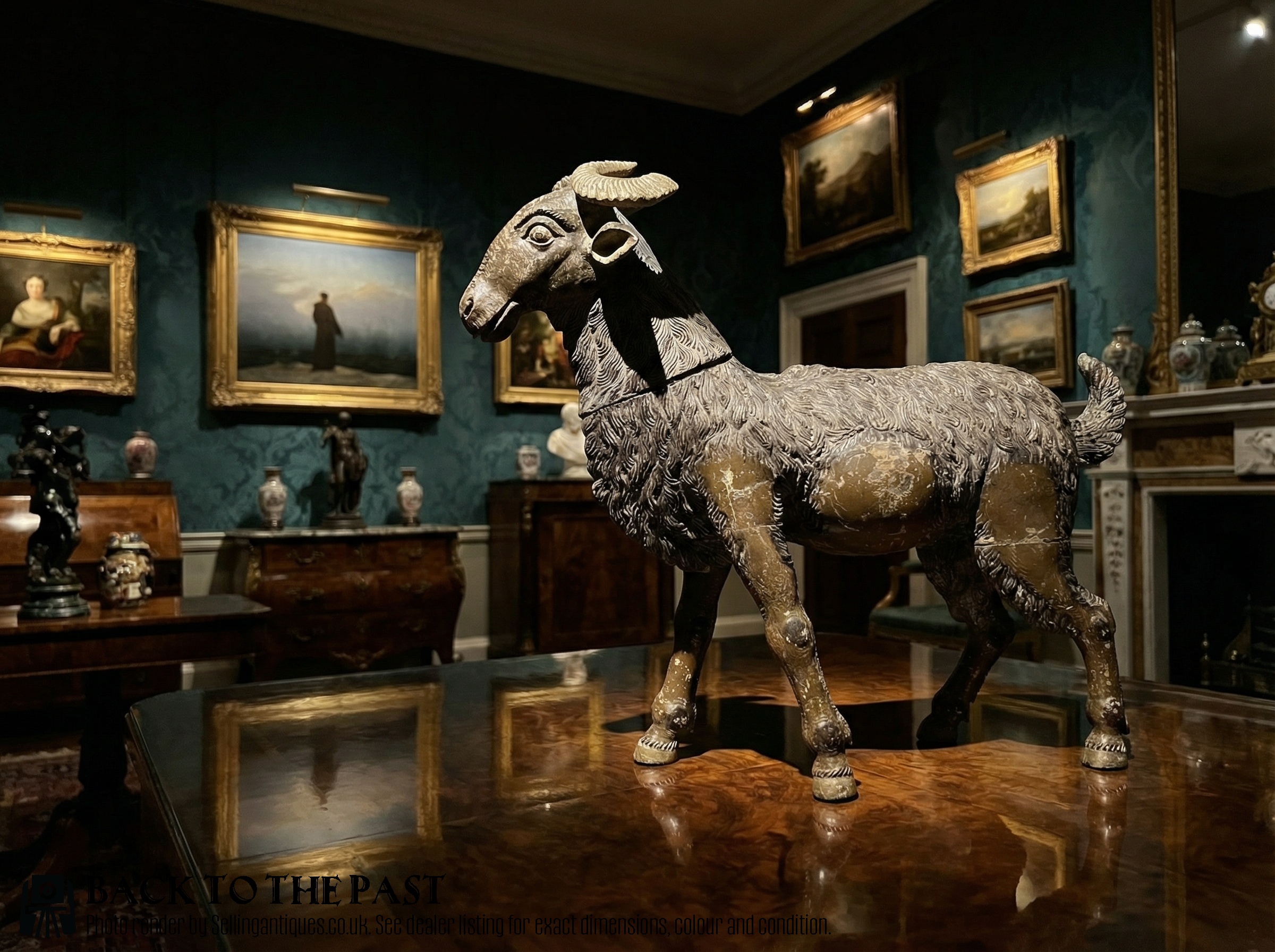
Folk Art Animal Carving
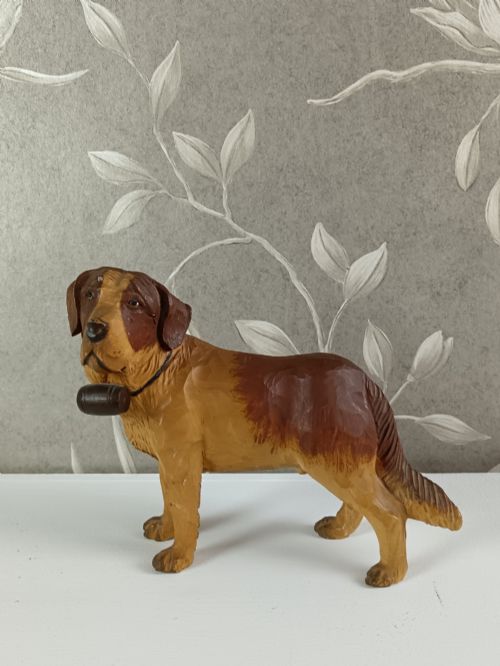
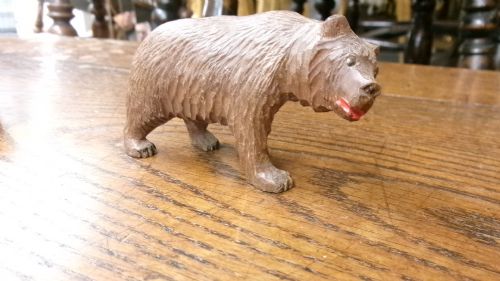
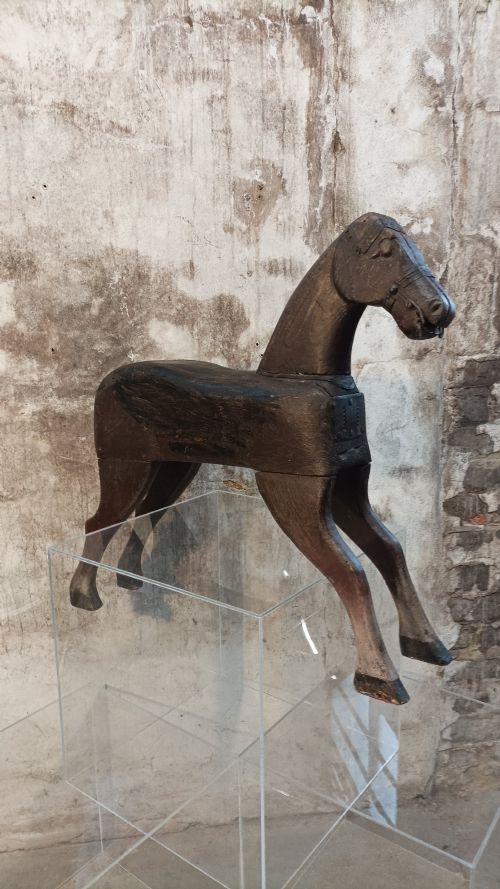
A folk art animal carving represents domestic and wild creatures shaped by anonymous makers across centuries, ranging from small handheld snuff boxes to life-size display figures. You will frequently encounter bears, horses, cows, and dogs originating from European, Asian, and regional traditions.
Origins stretch from the seventeenth century through to the mid-twentieth century, capturing changing regional styles from Black Forest to Japanese and French traditions. The focus remains squarely on individual animal representations rather than standardised factory output.
Materials and construction
Makers utilised available local woods such as linden, fruitwood, oak, and hardwood, frequently working with hand tools to shape the core form. Softwoods and dense hardwoods alike received direct chisel and knife marks that remain visible across the surfaces.
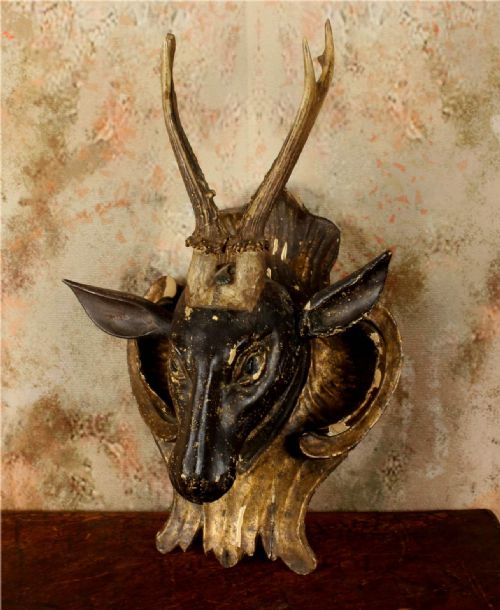
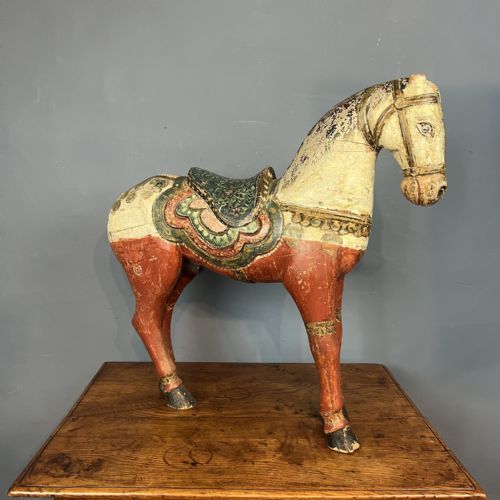
Surfaces often received layers of paint, stain, or natural wax to enhance the grain or simulate natural markings, while details like stud eyes were added separately. Antler and bone also appear in specialised carvings, adding distinct texture to certain animal trophies and figures.
Current listings feature pieces spanning the seventeenth century to the twentieth century, utilising paint, linden wood, hardwood, and antler.
Assessing quality and character
Quality rests upon the confidence of the carving and the expressive energy of the animal form rather than anatomical perfection. A naive piece succeeds through bold proportions and spirited character rather than strict academic proportions.
Surface preservation significantly impacts the appeal, particularly where original paint or patinated wood surfaces remain undisturbed by later restoration. The integration of functional elements, such as articulated joints or integrated plinths, adds distinction to specific sculptural forms.
The Folk Art Animal Carving Glossary
- Folk art
- Objects created within a vernacular tradition by self-taught or local artisans. These pieces reflect regional cultural practices rather than academic fine art standards.
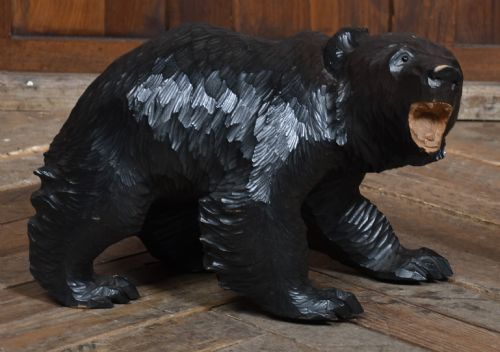
- Kibori Kuma
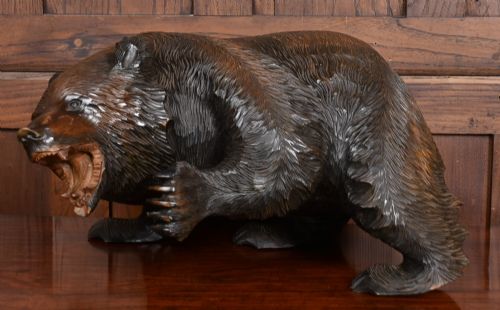
- Traditional Japanese carved wooden bears originating from Hokkaido. These pieces often feature textured fur and dynamic postures.
- Snuff box
- A small lidded container used for holding powdered tobacco. Many examples take the carved shape of animal heads or figures.
- Patina
- The surface sheen and colour developed through handling, age, and exposure to light over decades or centuries. It provides a visual record of the object's history.
Folk Art Animal Carving: Frequently Asked Questions
How do I tell periods apart?
Dating relies on tool marks, wood species, and the ageing of paint or surface finishes over time.
Earlier seventeenth and eighteenth-century examples tend to display heavier tool work and simpler construction, whereas later nineteenth and twentieth-century items incorporate greater variety in painted details and mechanical parts.
Where were these carvings made?
They originate from rural workshops and village communities worldwide, with distinct regional styles emerging from places like the Black Forest, Japan, France, and Scandinavia.
Local timber availability and cultural traditions heavily influenced the specific animals and carving techniques employed.
How do I care for wooden carvings?
Keep wooden sculptures away from direct heat sources and sudden humidity changes to prevent the wood from splitting.
Dust them gently with a dry cloth and avoid applying modern polishes that might alter the historic surface.
Were these items meant as toys?
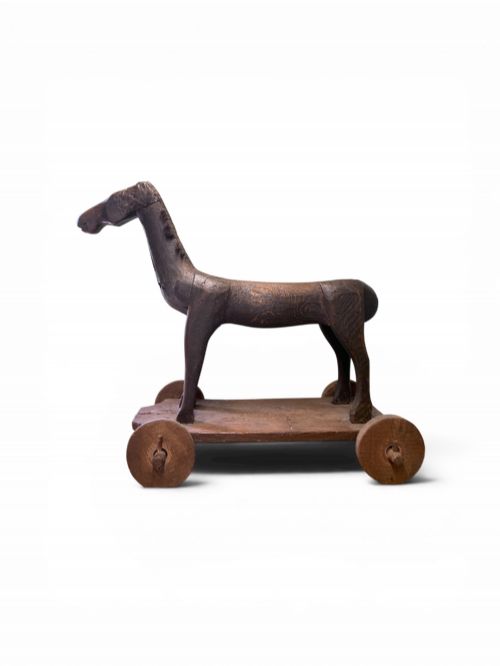
Many surviving animal figures originated as children's toys, pull-along novelties, or Noah's ark sets.
Others served purely as shop displays, architectural ornaments, or decorative domestic sculptures from the outset.