


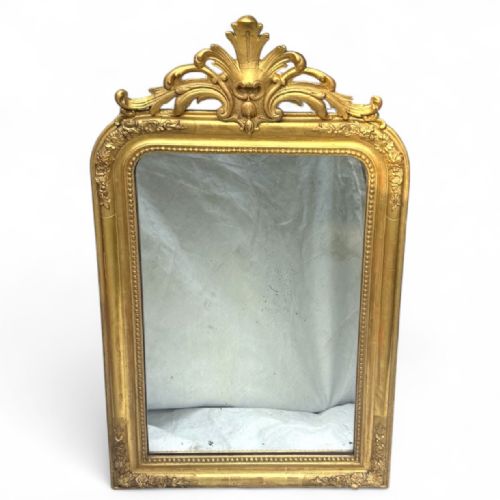


Foliate Carved Wall Mirror
A foliate carved wall mirror brings botanical life into a room, framed in carved wood or gilded surface.
Foliate Carved Wall Mirror
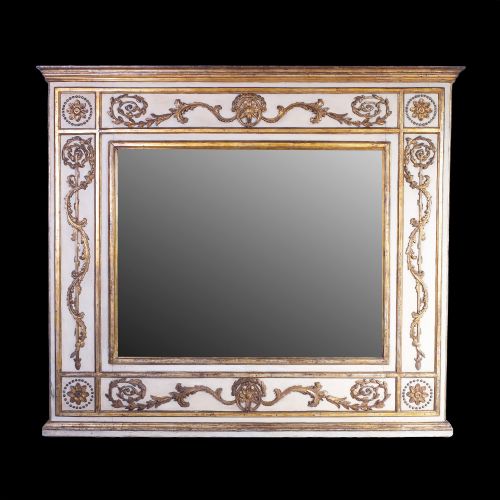
A foliate carved wall mirror centres on leaf and plant motifs carved into wood or moulded in gesso. These pieces span from the eighteenth century through the Victorian period and Edwardian era, taking forms such as standard wall mirrors and larger overmantel mirrors.
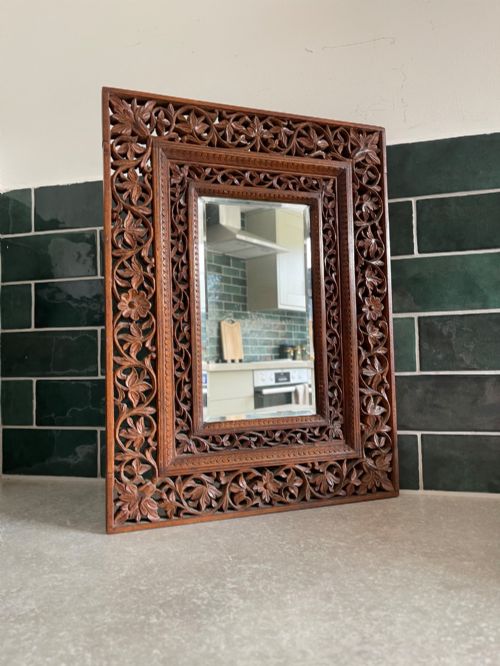
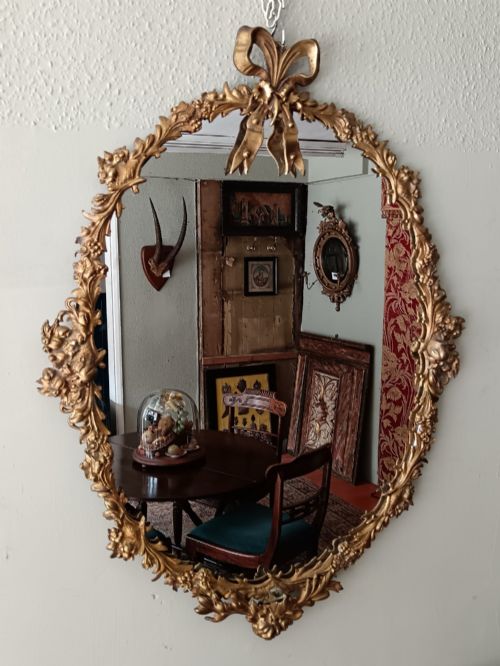
The version most commonly met on this page is the nineteenth-century giltwood or oak frame, often featuring arched tops, oval shapes, or rectangular formats. Regional variations include Anglo-Indian carved hardwood and Venetian giltwood alongside English and French interpretations.
Makers drew on diverse styles like Rococo, Louis XVI Revival, and Gothic Revival to shape the timber and plaster. Buyers encounter everything from rustic carved wood to gilded walnut and painted finishes designed to catch the light.
Materials and construction methods
Frames rely on timbers such as oak, teak, and walnut, shaped by hand chisels to create deep leaf scrolls and floral crests. Softer woods and gesso provide the base for intricate gilded surfaces applied over bole.
Gilt bronze and painted wood appear alongside traditional giltwood, combining metallic leaf or pigment with mirrored glass panels. Joinery techniques reflect the period, securing heavy glass plates within sturdy wooden rebates.
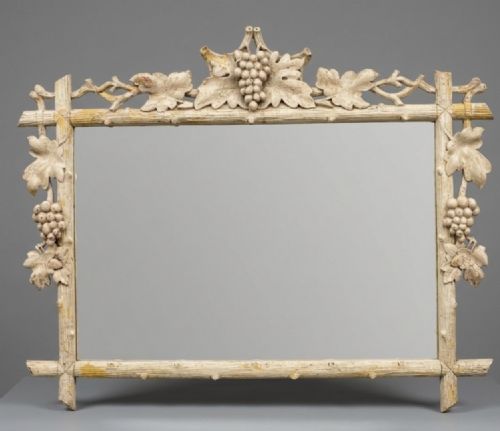
Several mirrors wear their nineteenth-century rustic scars quite proudly beneath layers of old paint.
Assessing craftsmanship and finish
Quality rests in the depth and sharpness of the hand-carved foliage, where crisp undercut leaves distinguish superior work from softer, mechanical moulding. The integrity of the original gilding or surface finish dictates how well the piece retains its decorative character.
Heavier overmantel mirrors require robust structural joinery in the underlying frame to support large sheets of mirror glass safely over time. The clarity and preservation of the glass plate itself contribute to the overall presence of the object.
The Foliate Carved Wall Mirror Glossary
- Foliate
- Adorned with leaf-like shapes or plant motifs. This decorative carving defines the aesthetic of the frame.
- Giltwood
- Timber covered with a thin layer of gold leaf. It creates a reflective, luminous surface popular in formal interiors.
- Gesso
- A plaster mixture applied to wood frames as a base for gilding. It allows for crisp moulding of intricate details.
- Overmantel mirror
- A large mirror designed to hang above a fireplace mantel. These pieces frequently feature architectural proportions and arched tops.
Foliate Carved Wall Mirror: Frequently Asked Questions
Where should I hang an overmantel mirror?
These large mirrors traditionally sit directly above a fireplace mantel to reflect light and anchor the room's proportions. They also work effectively on substantial dining room walls.
Ensure the wall fixings match the considerable weight of the wooden frame and glass plate.
How do I identify a Victorian mirror?
Victorian pieces often display denser carving, darker oak timbers, or heavy gilt gesso frames influenced by revival styles. Construction details and backing boards help confirm the nineteenth-century origin.
Look for traditional joinery and period-appropriate hardware on the reverse of the frame.
What is Anglo-Indian carving?
Anglo-Indian pieces combine British furniture forms with traditional South Asian intricate woodcarving techniques. They typically utilise dense hardwoods like teak with deep relief work.
These mirrors bring a distinct regional character compared to standard European giltwood designs.
How do I care for antique giltwood?
Dust giltwood surfaces gently with a soft, dry brush to protect the delicate gold leaf and gesso. Avoid liquid cleaners and moisture.
Keep the mirror away from direct sunlight and fluctuating humidity to preserve the wooden substrate.