

Folding Wooden Table
A folding wooden table offers adaptable surface space paired with historical timber character, suited for periodic use in compact rooms.
Folding Wooden Table
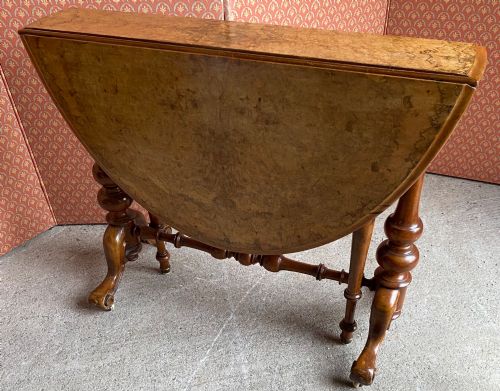
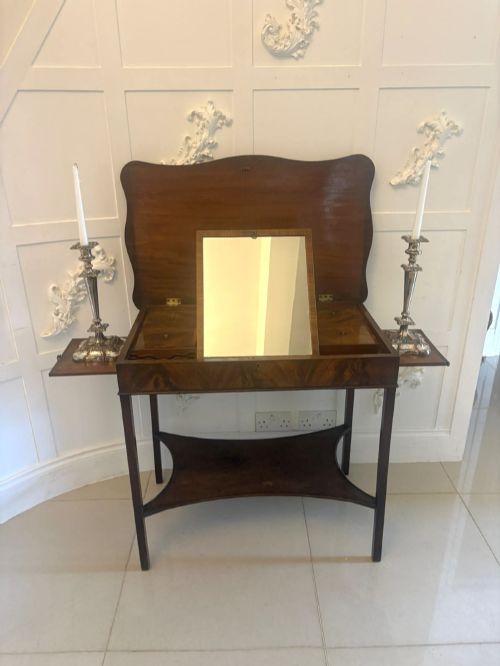
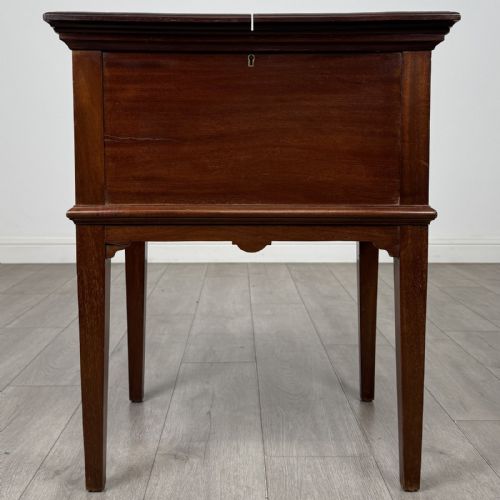
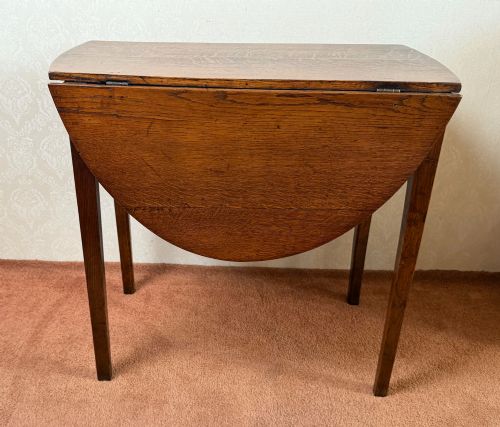
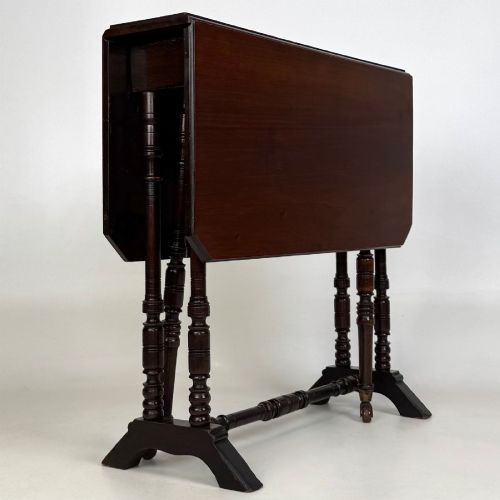
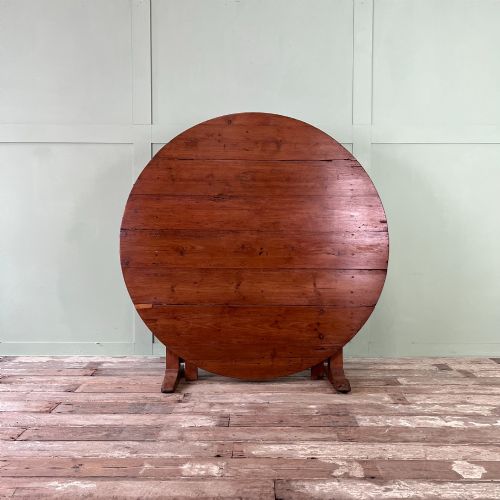
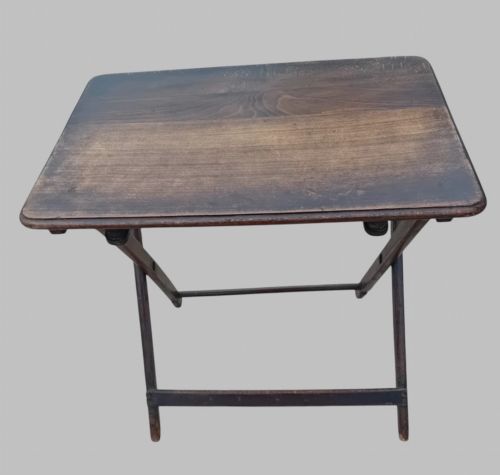
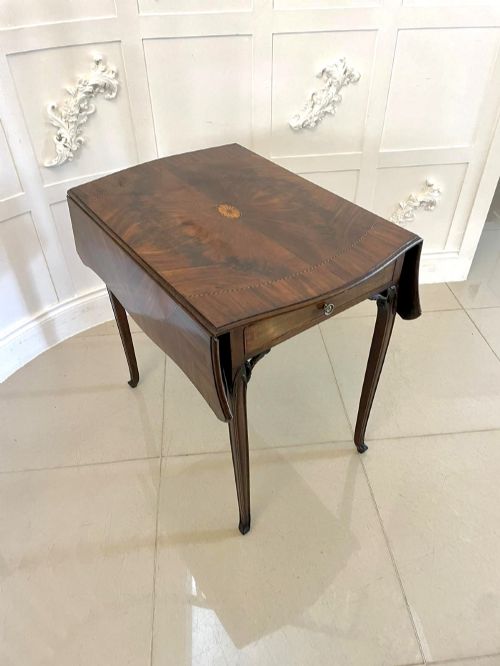
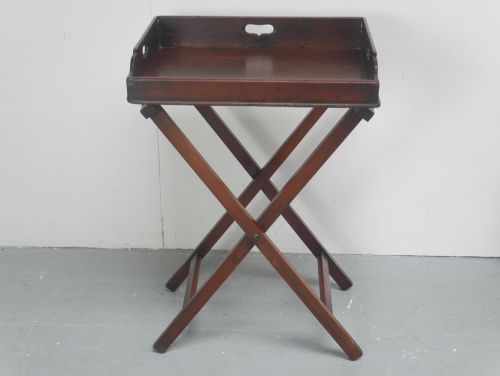
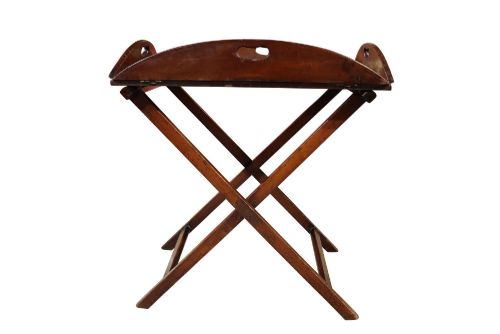
A folding wooden table encompasses diverse occasional formats designed to stow away when not in active service. Buyers encounter utilitarian butler trays on folding stands, drop-leaf gateleg variants, and compact Sutherland designs across this selection.
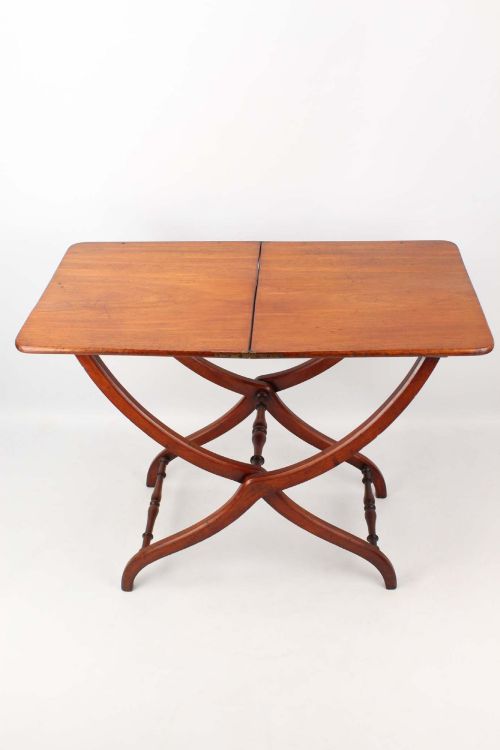
The inventory spans pieces originating from the eighteenth century through to the early twentieth century. Common stylistic expressions include Georgian tea tables, Victorian coaching models, and Edwardian campaign items.
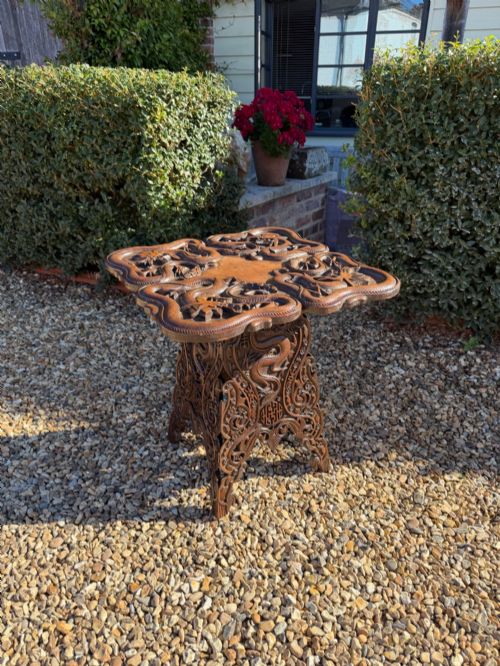
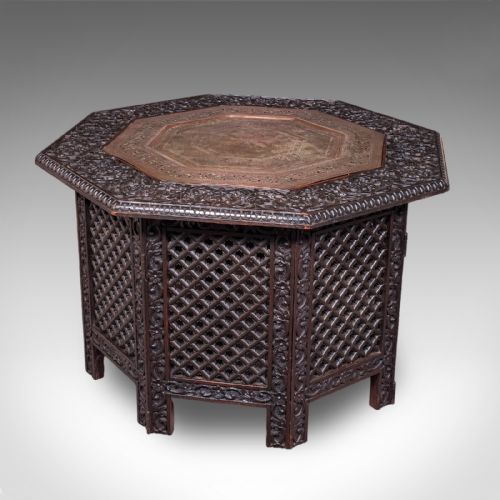
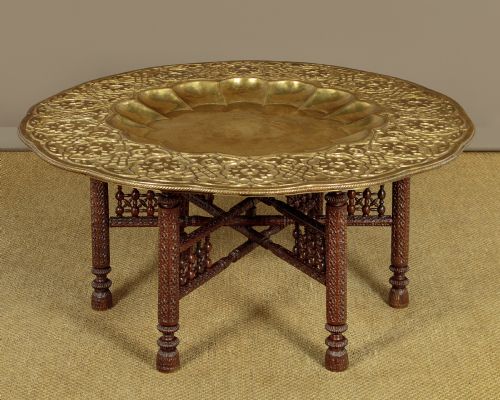
Timber varieties shape the visual weight of these items, with mahogany, walnut, and oak appearing frequently alongside decorated Eastern tray tops and marquetry surfaces.
Materials and construction
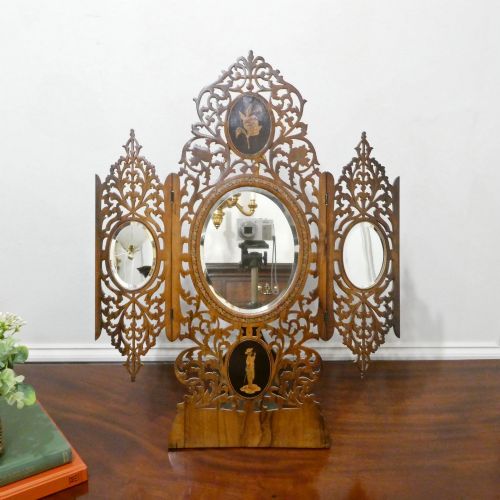
Cabinetmakers utilised solid hardwoods like mahogany, walnut, and oak for structural integrity and longevity. Figured veneers and intricate marquetry, such as Sorrento ware, adorn specific table tops for decorative effect.
Brass hinges, copper insets, and iron supports provide the functional mechanisms that permit leaves to drop and stands to collapse flat. Joinery methods range from simple gateleg pivots to concertina actions on card tables.
Folding Wooden Table Retail Price Guide 2026
Typical asking prices for folding wooden table among the pieces listed under this phrase on Sellingantiques today, from the lower quarter to the upper quarter. They describe what is for sale here now, not the wider market.
Listings feature eighteenth- and nineteenth-century pieces alongside Edwardian designs, constructed from mahogany, walnut, oak, and satinwood.
Distinctions in craftsmanship
Quality rests upon the selection of timber, visible in the grain pattern of figured mahogany or the precision of inlaid marquetry. Finer examples retain crisp carving and balanced proportions without relying on heavy restoration.
The smoothness of the folding mechanism and the stability of the support stand distinguish superior pieces from utilitarian items. Original brass hardware and sound structural joints elevate the standing of a table.
The Folding Wooden Table Glossary
- Gateleg table
- A table with hinged flaps supported by legs that swing outward like gates. This design permits the surface area to expand or contract according to room requirements.
- Sutherland table
- A narrow drop-leaf table featuring exceptionally slender leaves and a folding underframe. It stands flat against a wall when closed.
- Butler tray
- A portable wooden tray with raised edges, traditionally lifted off a folding X-frame stand. It functioned as a portable serving surface.
- Concertina action
- An expanding frame mechanism used on card tables that pulls outward like an accordion. It supports the fold-over top when opened for play.
- Marquetry
- Inlaid patterns formed by fitting small pieces of veneer into a timber ground. Sorrento examples frequently display intricate floral or architectural motifs.
Folding Wooden Table: Frequently Asked Questions
How do I use a folding wooden table in a small room?
These pieces fold flat or drop their leaves to tuck against a wall until required for tea, dining, or display. They provide flexible surface area without permanent floor space commitment.
Position a Sutherland or gateleg version in a corner or hallway, opening the leaves only when guests arrive or extra workspace is necessary.
What is the difference between a gateleg and a Sutherland table?
A gateleg table utilises swinging leg supports that pivot out from a fixed central frame to hold up large drop leaves. These often serve as primary dining or side surfaces.
A Sutherland table is much narrower when closed, featuring very thin drop leaves and a folding underframe designed for easy storage and occasional parlour use.
How were butler tray tables used historically?
Servants used the removable tray top to carry food and beverages from the kitchen to the parlour or drawing room. The folding stand remained in the reception space until the tray returned.
Today, these pieces function as side tables or coffee tables in living rooms, retaining their dual character as both tray and stand.
How do I care for antique wooden folding tables?
Protect the timber surfaces from direct sunlight, excessive heat, and moisture to preserve the original polish and prevent the wood from warping. Apply beeswax periodically to maintain the lustre of mahogany and walnut.
Handle the folding hinges and drop-leaf pivots gently during operation to avoid straining original joints and brass fittings.