

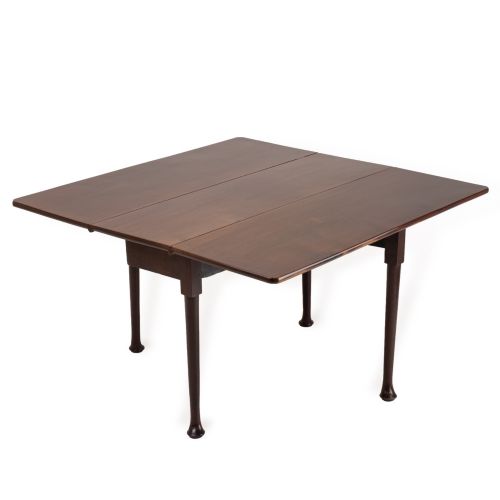
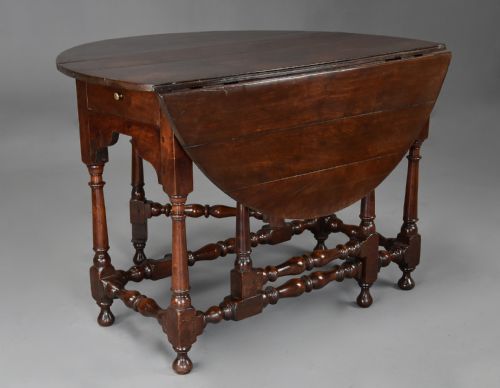


Folding Walnut Dining Table
A folding walnut dining table brings centuries of British cabinet-making directly into modern rooms, offering flexible dining space through drop leaves and gateleg frames.
Folding Walnut Dining Table
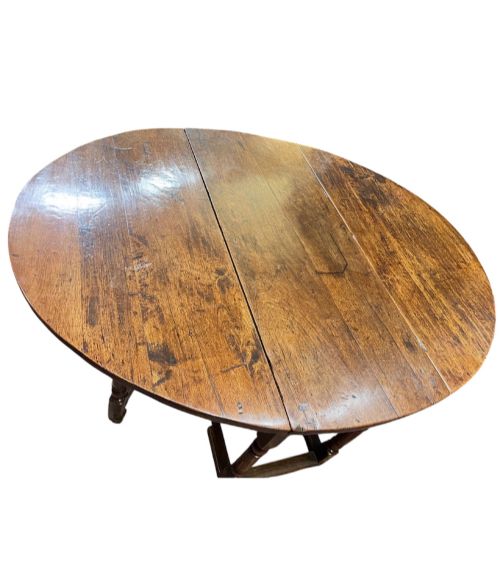
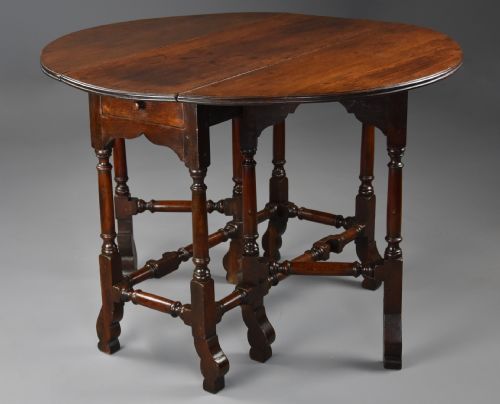
A folding walnut dining table encompasses pieces designed to expand when needed and fold away for compact storage, spanning periods from the late seventeenth century through the Victorian era. Buyers searching for a folding walnut dining table will encounter various forms, most notably gateleg tables and Sutherland tables.
Gateleg tables represent the earlier forms seen in these listings, dating from the seventeenth and eighteenth centuries, often utilising red walnut or oak alongside primary walnut timbers. These substantial tables rely on pivoting legs to support folding leaves, creating a generous surface for dining.
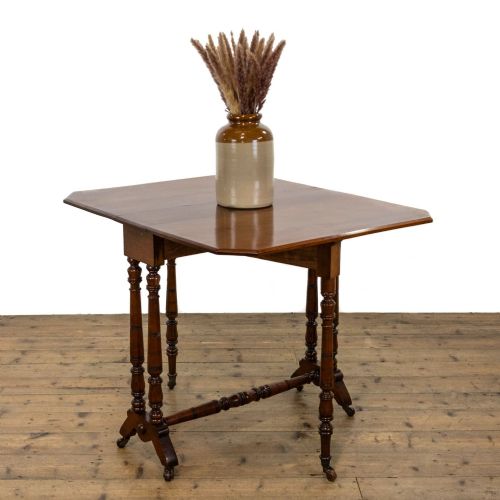
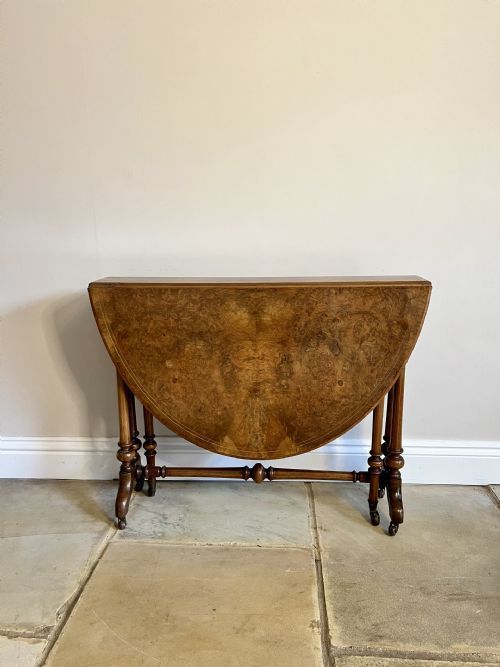
Sutherland tables dominate the Victorian examples on this page, offering a slender profile with narrow drop leaves supported by swinging leg gates. These occasional and dining tables frequently utilise burr walnut veneers, showcasing intricate grain patterns suited to nineteenth-century domestic interiors.
Materials and construction
Walnut serves as the primary timber across these pieces, appearing as solid walnut, red walnut, and highly figured burr walnut veneers. Craftsmen also incorporated secondary woods such as oak, particularly in the structural underframes of early gateleg tables.
Hardware components include brass hinges, catches, and occasional ceramic castors on Victorian pieces, ensuring the moving leaf mechanisms function smoothly. Joinery relies on traditional methods to support the folding flaps and pivoting gatelegs through centuries of use.
Folding Walnut Dining Table Retail Price Guide 2026
Typical asking prices for folding walnut dining table among the pieces listed under this phrase on Sellingantiques today, from the lower quarter to the upper quarter. They describe what is for sale here now, not the wider market.
Listings span from the 17th century through the Victorian era, showcasing forms from heavy oak-lined gateleg tables to slender burr walnut Sutherland tables.
Distinctions in quality
Quality in these tables rests upon the selection of timber and the preservation of the surface finish. Pieces displaying rich natural patina or finely figured burr walnut veneer demonstrate superior original material selection.
Structural integrity of the folding mechanism marks the difference between standard examples and finer pieces. Smooth operation of the gatelegs and tight joints when the leaves are raised indicate expert joinery from the period.
The Folding Walnut Dining Table Glossary
- Gateleg table
- A table with hinged leaves supported by one or more legs that swing outward from the frame like a gate. This form allows the surface area to expand or contract significantly.
- Sutherland table
- A narrow-bodied drop-leaf table invented in the nineteenth century, featuring particularly slender folding leaves and swinging legs. They are designed to fold into a very compact space when not in use.
- Burr walnut
- A specialised veneer sliced from walnut tree growths, prized for its swirling, highly decorative grain patterns. It is frequently encountered on Victorian examples.
- Drop-leaf table
- Any table with a fixed centre section and hinged flaps that fold down at the sides. The flaps are supported when raised by various pivoting mechanisms.
- Red walnut
- An American or European walnut variety displaying a warm reddish tone, often seen in eighteenth-century pieces. It provides a distinct visual characteristic compared to darker walnut timbers.
Folding Walnut Dining Table: Frequently Asked Questions
How do I use a gateleg table daily?
Raise the hinged leaves and swing the supporting legs outward until they lock firmly beneath the surface to create a stable dining area. Drop the leaves down and fold the legs back when you need to reclaim floor space.
Ensure items placed on the extended leaves remain within reason regarding weight, as the folding flaps rely on the swinging leg supports for stability.
What is the difference between a Sutherland and a gateleg table?
Sutherland tables are a specific, slender nineteenth-century development of the drop-leaf principle, featuring very narrow fixed centres and wide leaves that drop nearly to the floor. Gateleg tables generally date from the seventeenth and eighteenth centuries and possess a wider central fixed frame with more robust structural proportions.
Both types fold down compactly, but Sutherland tables occupy significantly less floor space when closed compared to substantial seventeenth-century gateleg variants.
How do I identify a Victorian walnut table?
Victorian walnut tables on this page typically present as Sutherland tables, often utilising burr walnut veneers and sometimes incorporating ceramic castors on the feet. These pieces reflect nineteenth-century proportions and decorative preferences for highly figured wood grains.
Earlier seventeenth and eighteenth-century examples lack these Victorian refinements, instead showing solid walnut or red walnut construction with heavier turned underframes.
Can I use these tables in a modern dining room?
These folding tables adapt well to contemporary spaces because their drop leaves allow you to adjust the footprint to suit the room size. They mix easily with modern seating while providing historic character and functional versatility.
Protect the walnut surfaces from excessive moisture and heat by using coasters and placemats during everyday dining.