

Folding Side Coffee Table
A folding side coffee table brings flexible surface space and compact storage, drawing on centuries of ingenious British and international design.
Folding Side Coffee Table
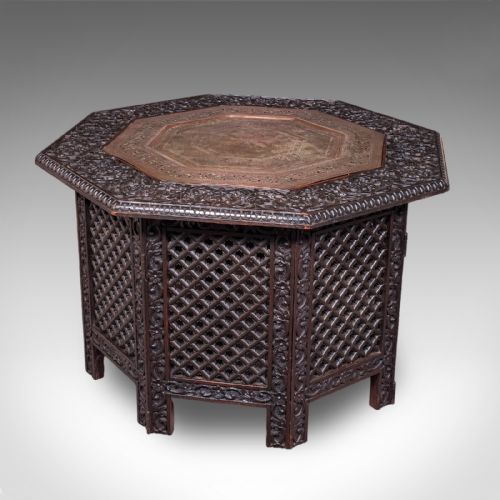
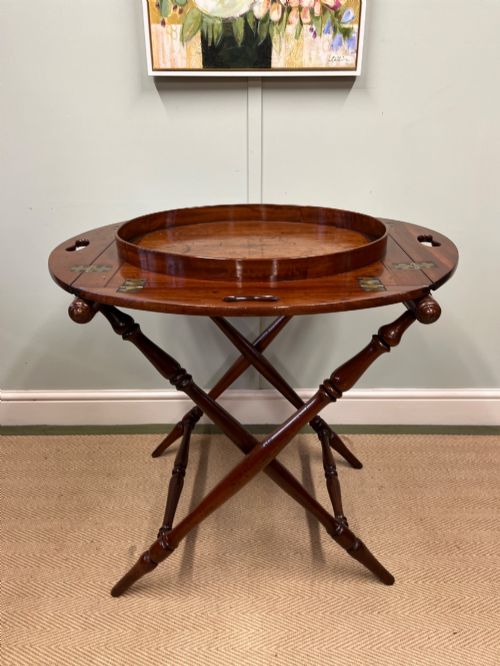
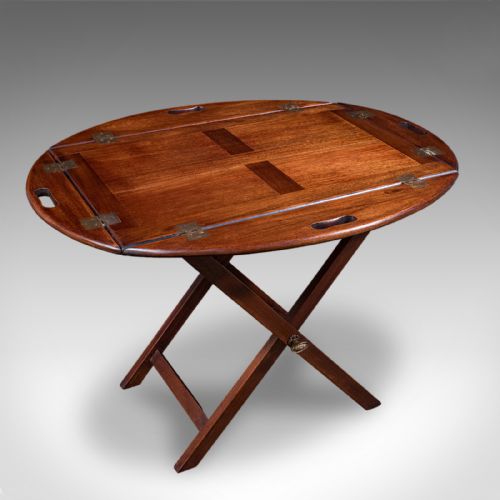
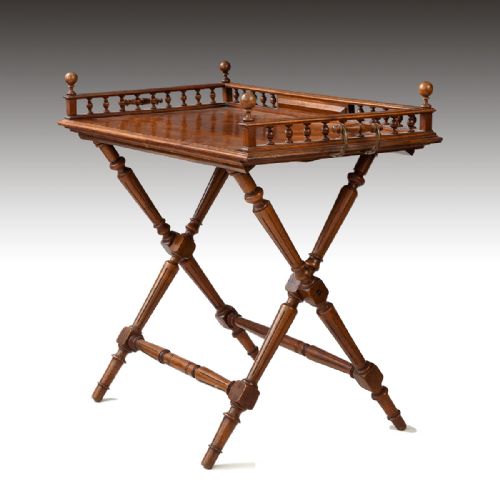
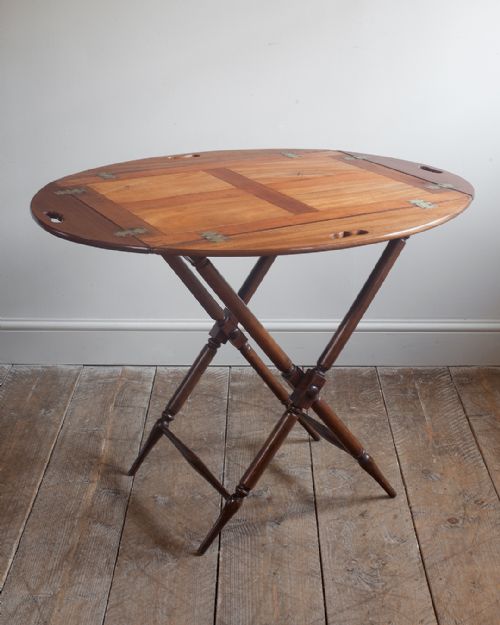
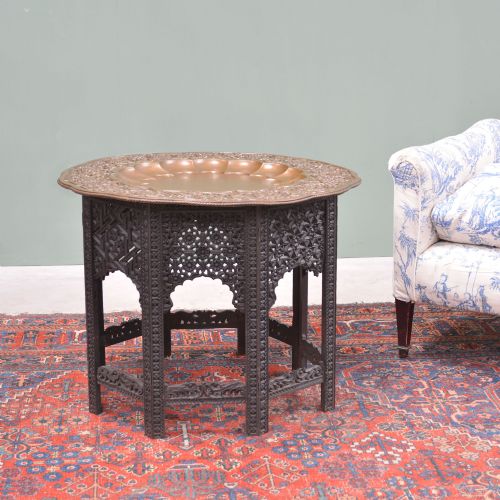
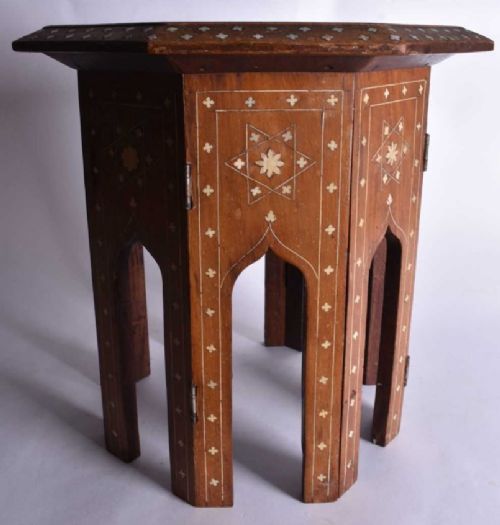
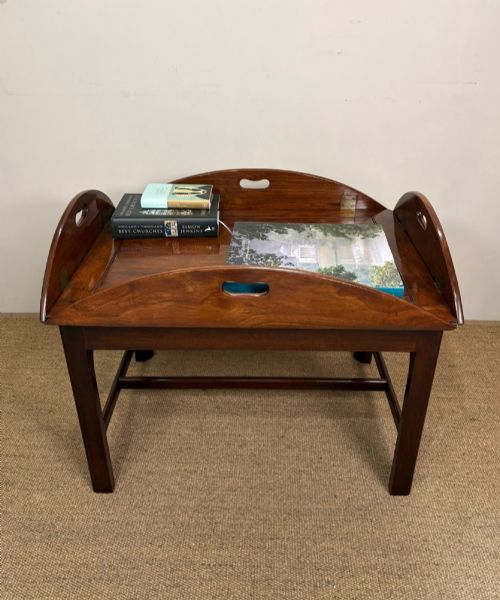
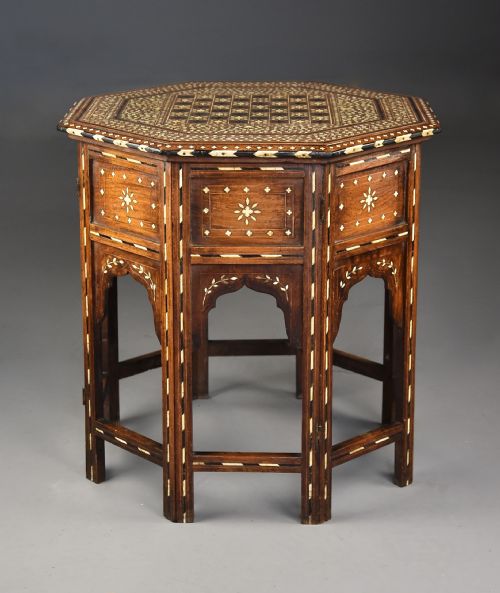
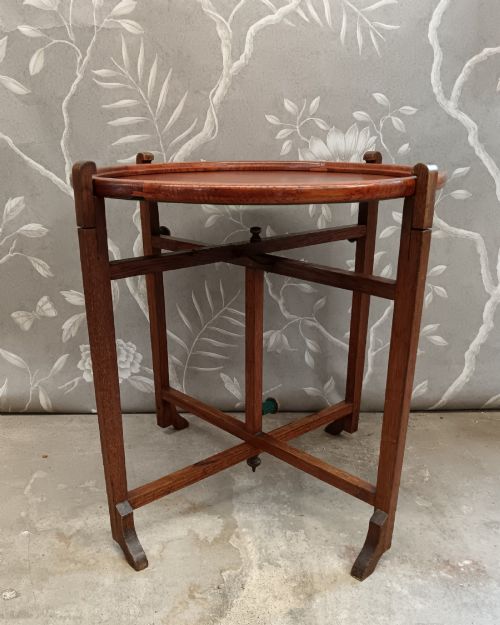
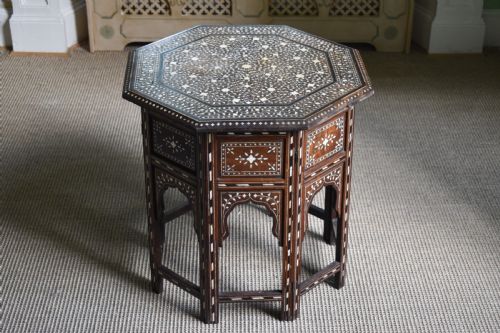
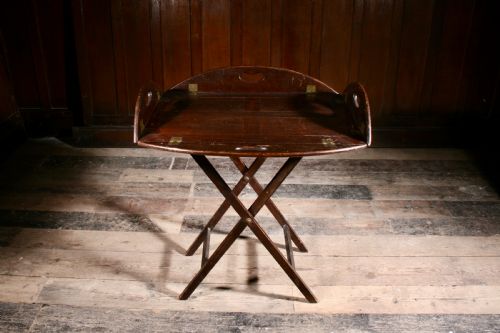
A folding side coffee table is a versatile surface designed to pack flat or fold away when not in use, spanning centuries of craftsmanship. When you search for a folding side coffee table, you encounter everything from traditional British butlers trays on folding stands to intricate octagonal occasional tables originating from Indian workshops.
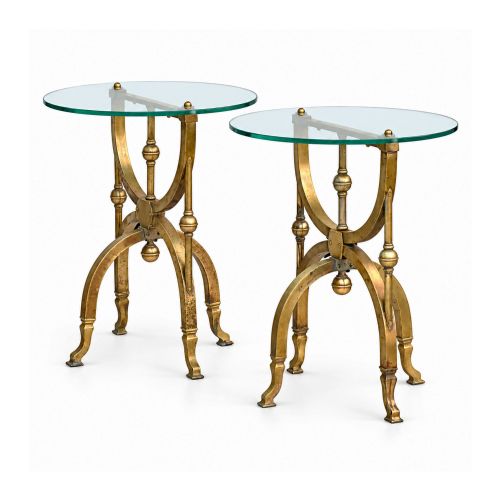
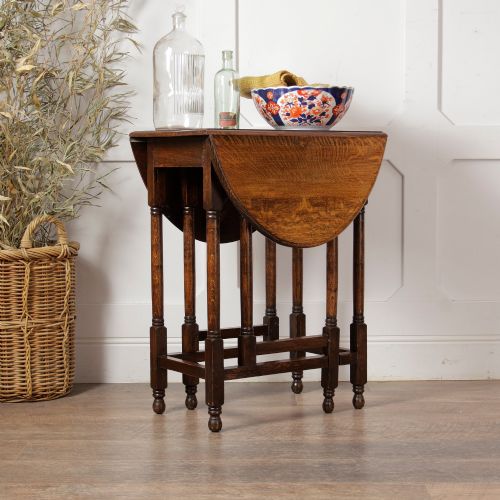
The pieces on this page appear in various forms, including gateleg tables, drop-flap serving stands, and tray tables. English country and formal Georgian or Victorian iterations sit alongside exotic Anglo-Indian and Burmese imports, reflecting a rich heritage of portable furniture.
How they were made
Carpenters utilised dense timbers such as mahogany, oak, walnut, teak, and padauk to ensure structural stability despite folding joints and hinges. Tables designed for portability or regional export often relied on durable hardwood frames that could withstand frequent dismantling.
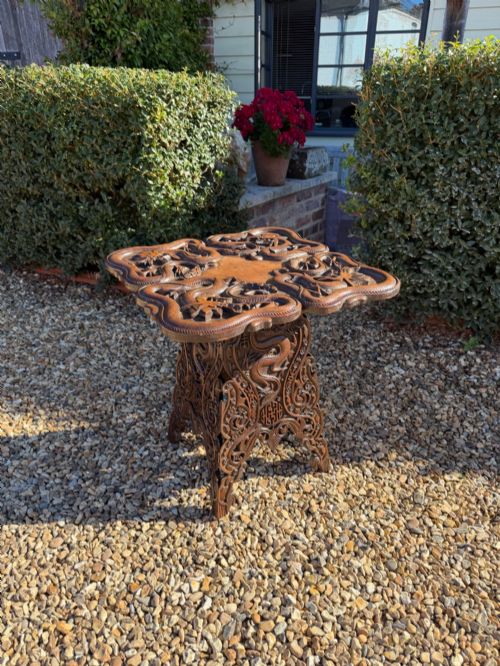
Surface decoration involved meticulous craftsmanship, incorporating brass inlay, copper tops, mother-of-pearl, and detailed hand-carving. Lacquering techniques also appear, adding distinct visual depth and protective finishes to occasional and tray tables.
Folding Side Coffee Table Retail Price Guide 2026
Typical asking prices for folding side coffee table among the pieces listed under this phrase on Sellingantiques today, from the lower quarter to the upper quarter. They describe what is for sale here now, not the wider market.
Materials span mahogany, oak, walnut, teak, padauk, rosewood, brass, copper, and mother-of-pearl across various 18th, 19th, and 20th-century origins.
What varies in quality
The calibre of a folding side coffee table rests upon the precision of its joinery and the integrity of its folding mechanism. Superior examples maintain rigid stability when erected, without excessive wobble in the hinges or folding cross-frames.
Material selection and decorative execution further divide the tiers of quality. Finely figured mahogany, crisp hand-carving, and intact inlay work separate standard utility items from distinguished decorative furnishings.
Hoshiarpur workshops
The Folding Side Coffee Table Glossary
- Butlers tray
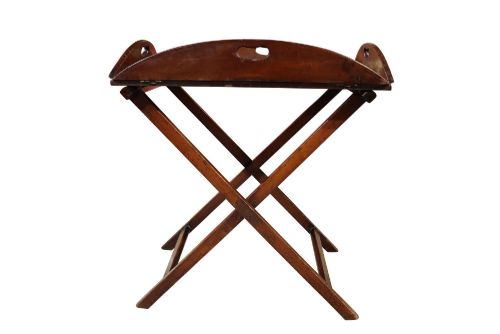
- A removable wooden tray with raised sides, often featuring cutout handles, designed to sit upon a folding X-frame stand for serving or display.
- Gateleg table
- A table with hinged drop leaves supported by legs that swing outward like a gate to bear the weight of the extended surface.
- Hoshiarpur
- A region in India renowned for intricate woodwork, producing octagonal tables heavily decorated with inlay and dense surface carving.
- Drop-flap
- A hinged leaf attached to the main surface of a table that drops down when not supported by a bracket or gate leg.
Folding Side Coffee Table: Frequently Asked Questions
What is a folding side coffee table?
A folding side coffee table is a portable piece of furniture designed with hinged leaves, removable trays, or collapsible bases for easy storage and repositioning.
These tables bridge the gap between practical serving stands and low coffee surfaces, utilising centuries-old folding engineering.
How were butler trays used?
Butler trays originally served elite households for transporting dining items from kitchens to living quarters before resting on X-shaped wooden stands.
Over time, these versatile trays transitioned into permanent living spaces as coffee and side tables.
What materials are common?
Makers relied heavily on solid hardwoods like mahogany, oak, walnut, teak, and padauk to provide strength for the folding mechanisms.
Surfaces frequently incorporate decorative additions such as brass inlay, copper panels, mother-of-pearl, and intricate hand-carvings.
How do I identify periods?
Period identification relies on observing timber choices, joinery methods, and characteristic stylistic traits like Georgian proportions or Victorian dark hardwoods.
Design influences from specific movements, such as the Aesthetic Movement or Anglo-Indian colonial styles, further anchor pieces in time.