

Folding Brass Table
A folding brass table combines portable utility with decorative metalwork, spanning formal European card tables and intricate Anglo-Indian tray stands.
Folding Brass Table
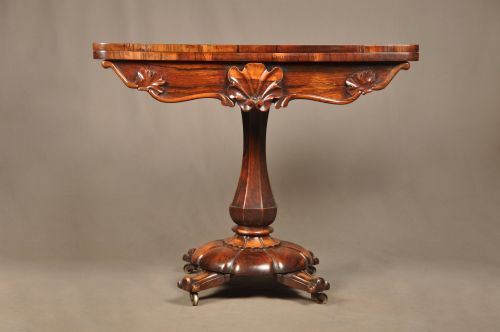
When you search for a folding brass table, you encounter diverse forms ranging from formal European card and tea tables with metal inlay to Eastern tray tables resting on collapsible stands.
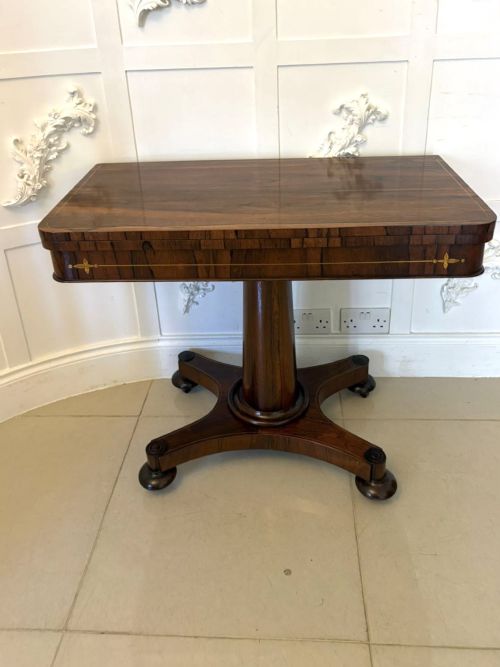
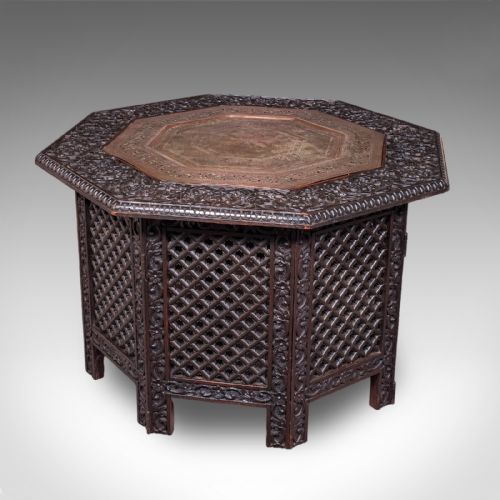
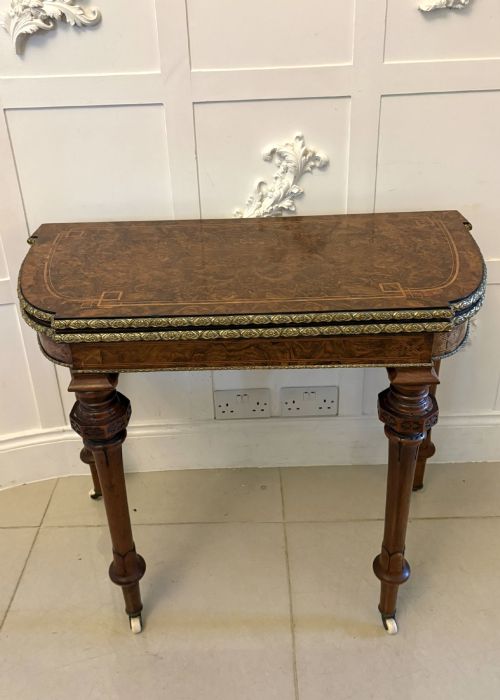
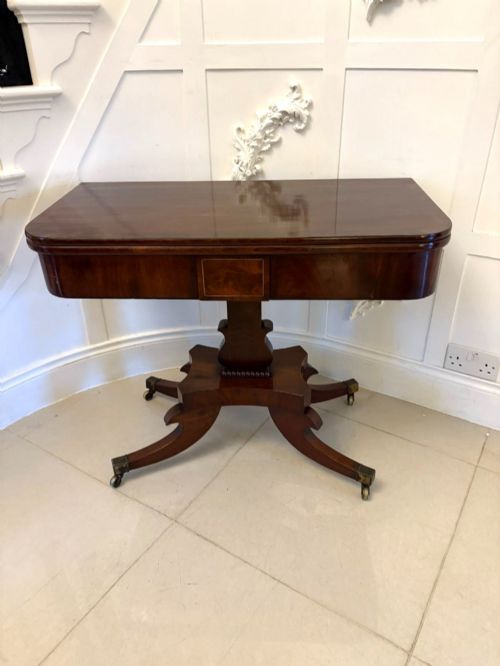
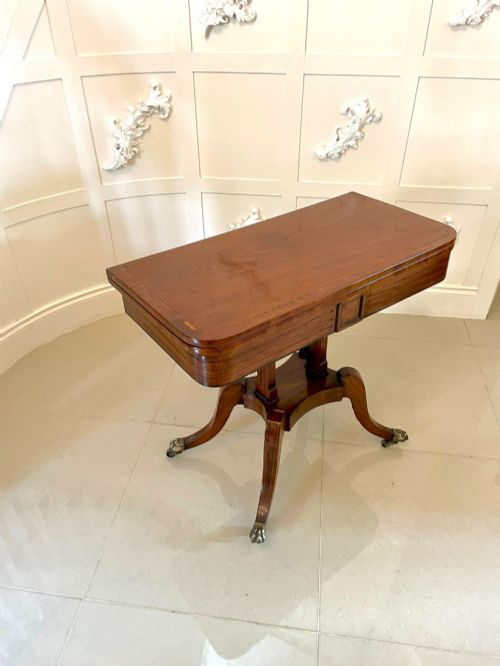
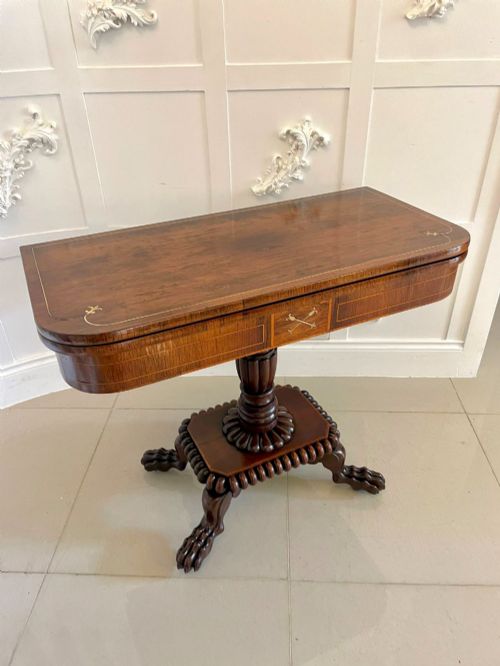
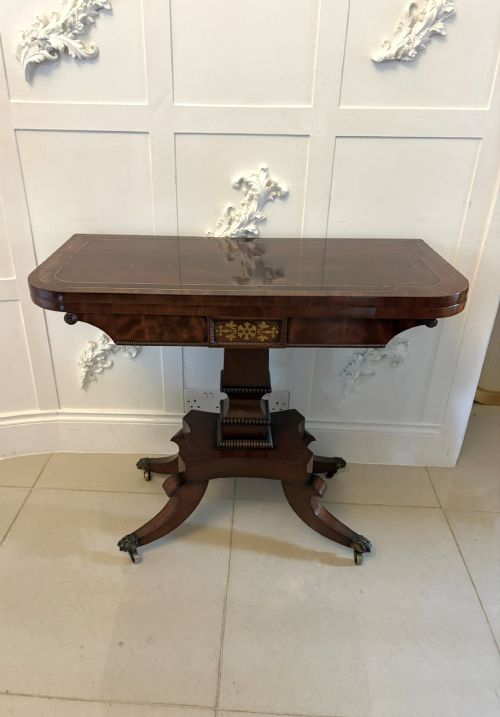
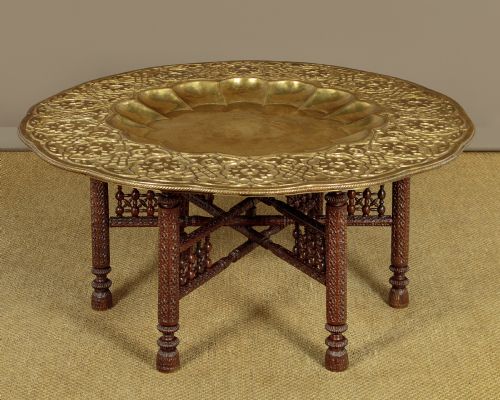
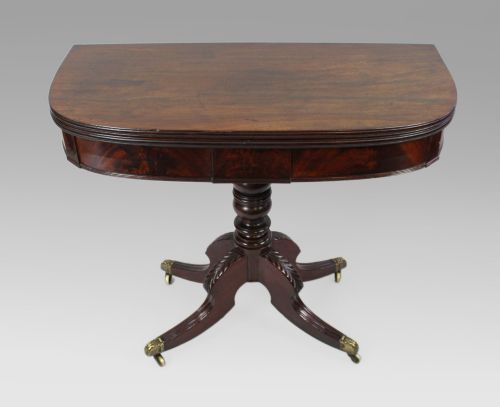
The most common examples on this page are Anglo-Indian and Middle Eastern Benares tables featuring engraved brass trays paired with folding wooden bases, alongside Regency period card tables inlaid with brass stringing.
These pieces served practical domestic roles, functioning alternately as portable serving surfaces, games tables, or occasional furniture that could be stored away when not in use.
How they were made
Timbers such as mahogany, rosewood, teak and oak form the structural foundations, providing sturdy frames for both European cabinetwork and imported folding stands.
Brass is utilised primarily through precision inlay, cast mounts, or as expansive hammered and engraved sheet metal tops designed to lift off collapsible wooden supports.
Traditional joinery techniques secure the folding mechanisms, allowing hinged tops, pivoting leaves, and scissor-action bases to operate smoothly.
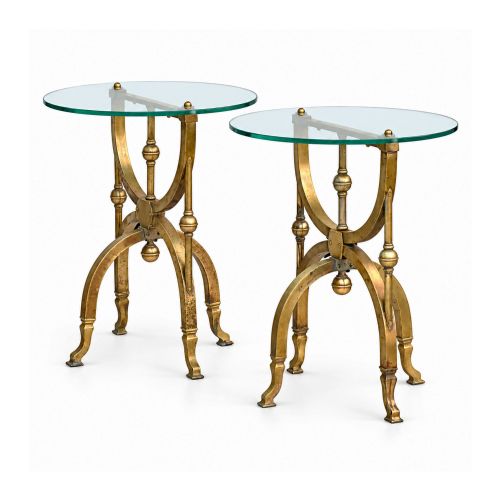
Listings feature diverse materials including brass, mahogany, rosewood, teak, and glass across periods from the eighteenth century to the twentieth century.
What varies in quality
The standard of craftsmanship shows clearly in the precision of the brass inlay, where finer examples display tight, seamless integration into the surrounding timber rather than wider gaps filled with adhesive.
The crispness and depth of the hand-engraving on metal tops distinguish superior eastern tables from simpler, more mechanised production.
The structural integrity of the folding mechanism determines longevity, with well-engineered hinges and rigid stands retaining their stability over centuries of use.
George Bullock·Antoine Lampre·Gillows
The Folding Brass Table Glossary
- Card Table
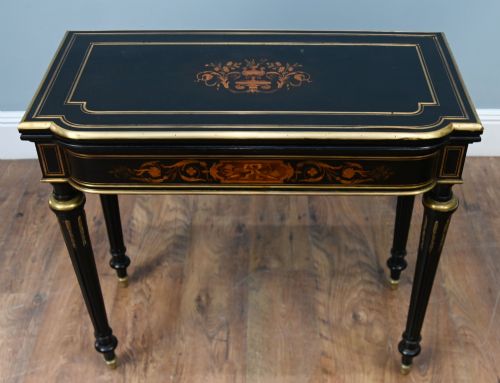
- A specialised table with a hinged fold-over top designed for playing card games. When closed, it functions as a side or console table against a wall.
- Butler's Tray
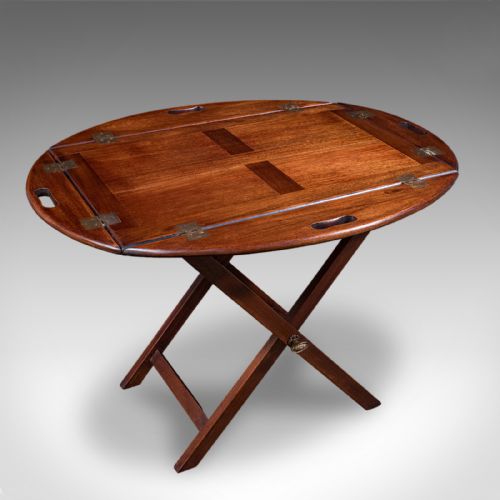
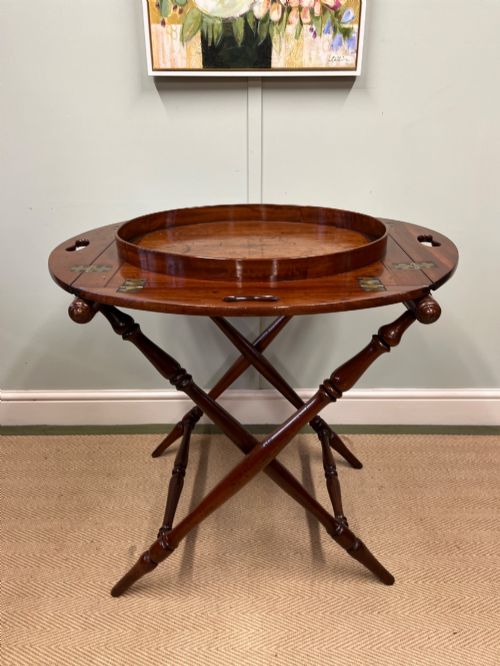
- A portable serving tray fitted with hinged or drop sides, typically placed upon a separate folding stand. It originated for domestic service and transport.
- Benares Table
- An occasional table featuring an engraved brass tray top paired with a collapsible wooden stand. These pieces originate from Indian craftsmanship traditions.
- Ormolu
- Gilded bronze or brass applied as decorative mounts to furniture. It provides bright metallic contrast against dark cabinet timbers.
- Stringing
- Fine inlaid lines of contrasting wood or metal set into the surface of furniture. It outlines panels and edges on Regency tables.
Folding Brass Table: Frequently Asked Questions
How do I care for a brass inlaid table?
Dust surfaces regularly with a soft, dry cloth to prevent particles from settling into the wood grain and metal recesses. Avoid harsh chemical polishes that can discolour the surrounding timber or loosen delicate brass stringing.
Feed the exposed wood periodically with appropriate wax to maintain moisture balance. Take care when handling fold-over leaves to avoid placing excessive pressure on hinges and inlaid edges.
Were these tables meant for travel?
Many folding tables served domestic purposes within permanent residences, offering space-saving flexibility for smaller rooms or entertaining guests. Tray tables and campaign pieces were specifically designed for portability, allowing military officers or travellers to pack furniture easily.
The inclusion of collapsible stands and removable trays enabled straightforward relocation between rooms or distant locations. Over time, these functional objects became valued decorative items for static interior display.
How can I distinguish Regency brass inlay?
Regency brass inlay typically appears as geometric stringing, leafy arabesques, or classical motifs set directly into dark timbers like rosewood or mahogany. The metal is usually flush with the wood surface, demonstrating high standards of contemporary cabinetmaking.
Examine the uniformity of the brass strips and the precision of the corners. Hand-cut nineteenth-century work often exhibits minor irregularities compared to later mass-produced alternatives.
What is an Anglo-Indian tray table?
An Anglo-Indian tray table consists of a heavily engraved brass or copper tray resting upon a heavily carved, folding wooden stand. These items reflect cultural exchange during the colonial period, combining eastern metalwork techniques with forms popular in British homes.
The folding stands are frequently carved from hardwoods such as teak or padauk using pierced and fretted patterns. They offer versatility as occasional furniture while displaying elaborate decorative detail.