



Fluted Wood Pedestal
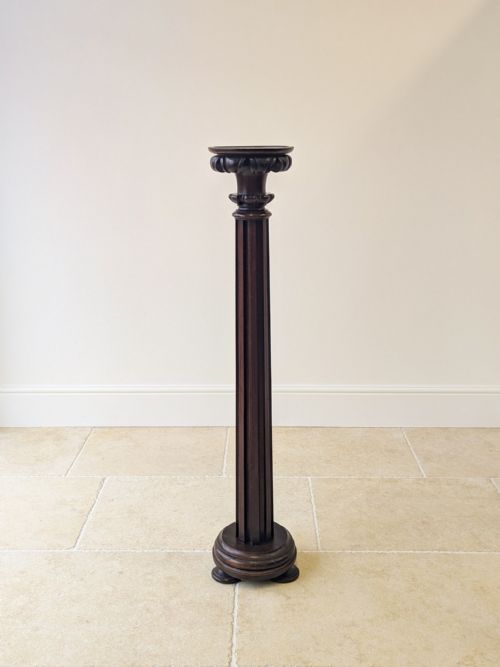
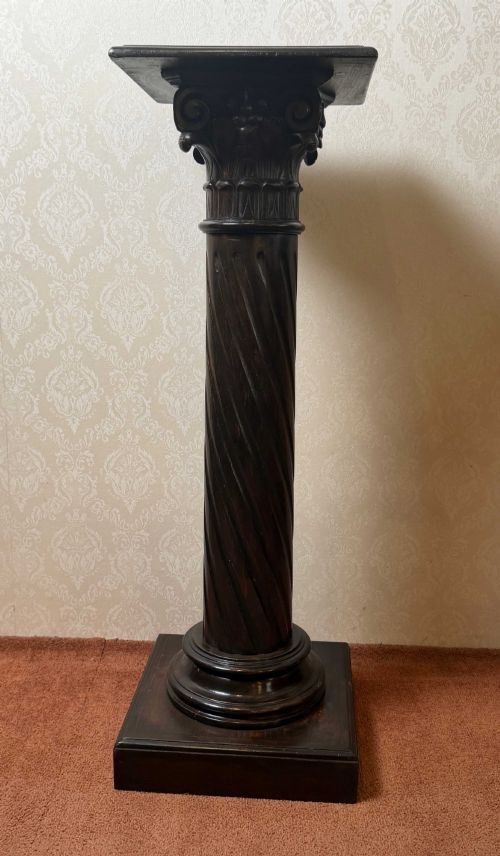
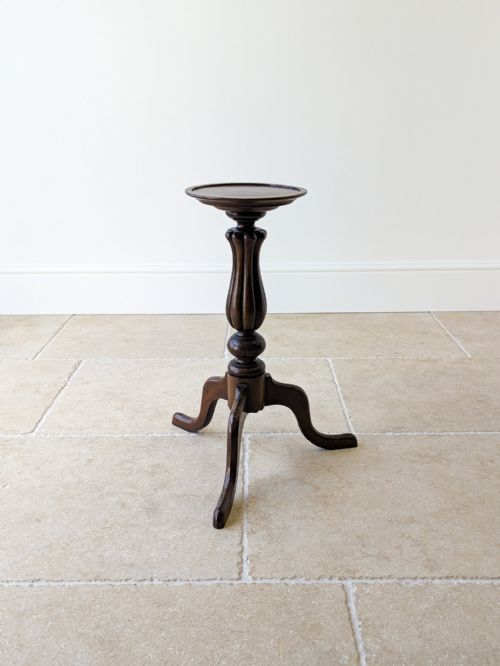
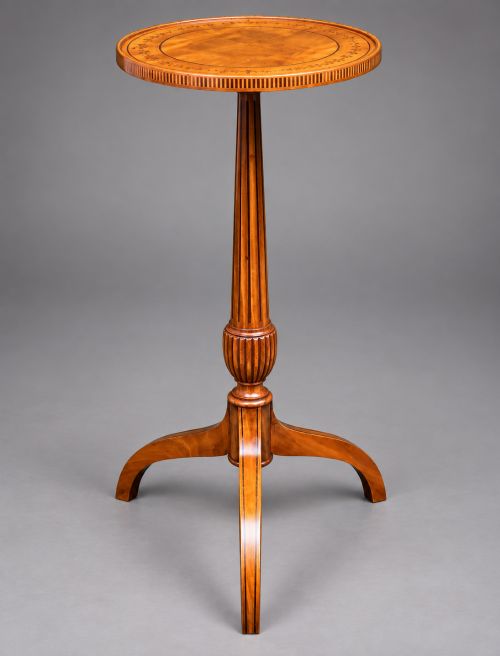
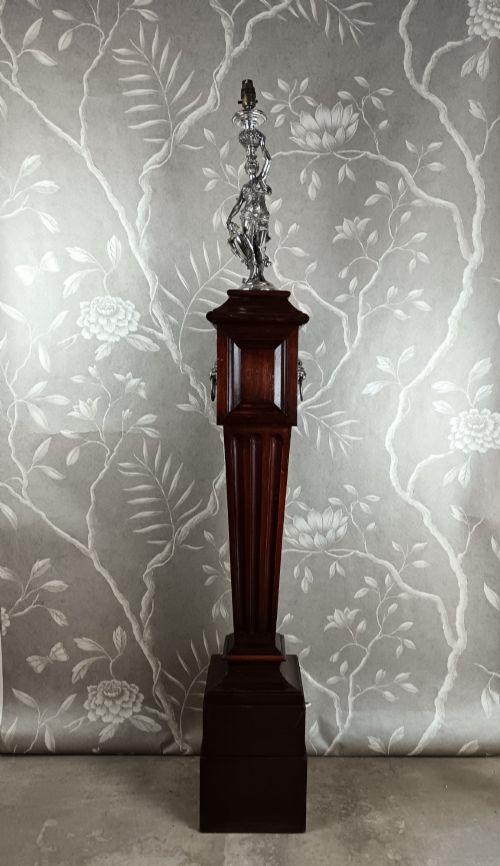
A fluted wood pedestal elevates a sculpture, plant, or lamp with classical proportions and carved vertical lines.
Fluted Wood Pedestal
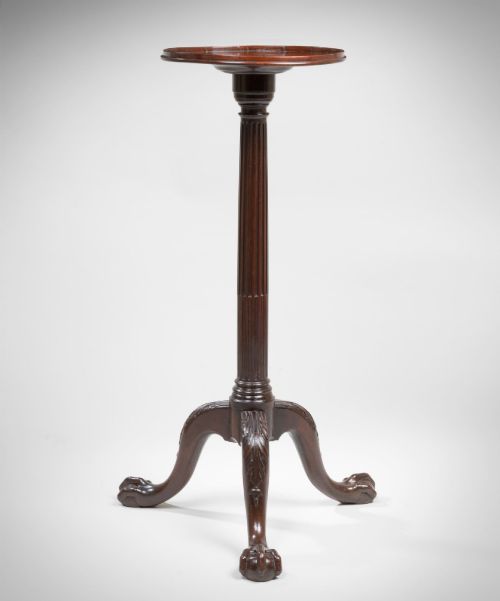
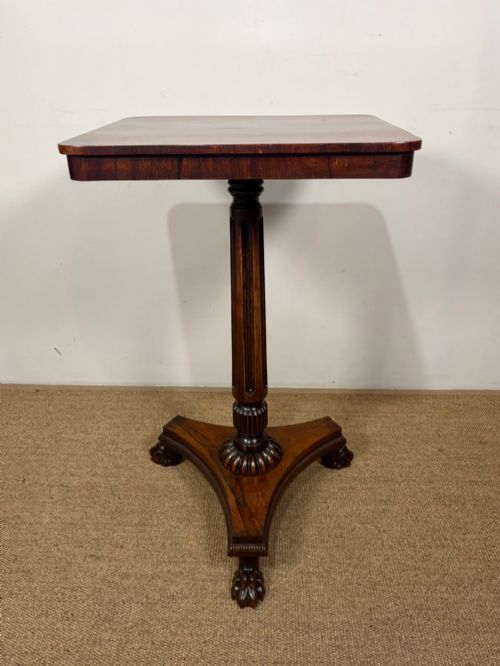
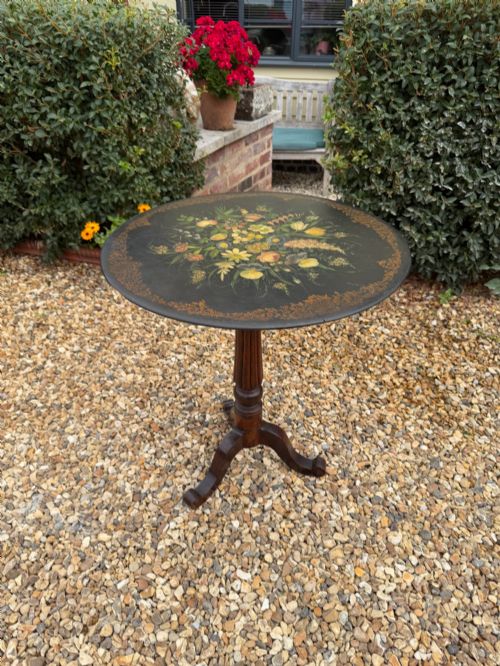
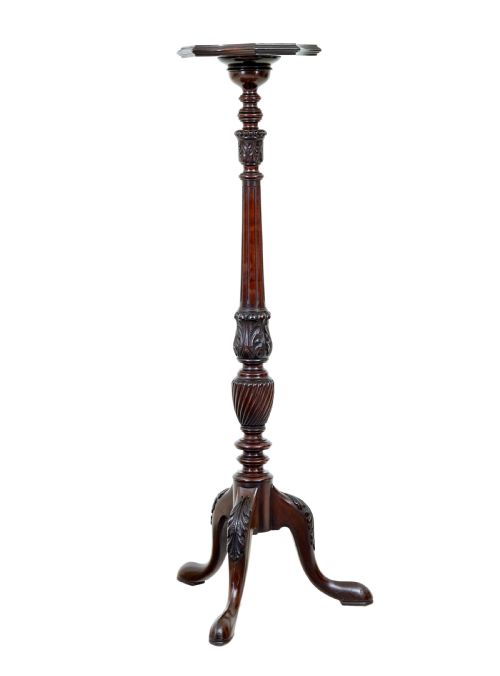
A fluted wood pedestal serves to lift displays off the floor, taking the form of tall columns, plant stands, and torcheres. These pieces appear frequently in nineteenth-century and early twentieth-century formats.
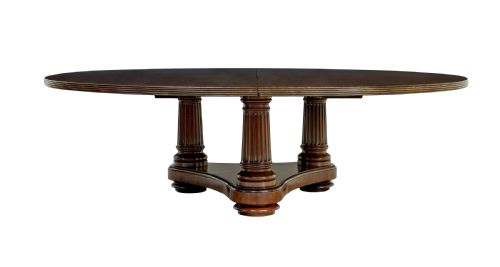
Makers shaped these supports from solid timbers, applying vertical fluting to create a sense of architectural strength and height. Examples range from simple turned shafts to carved pillars supporting marble or wooden tops.
Materials and construction
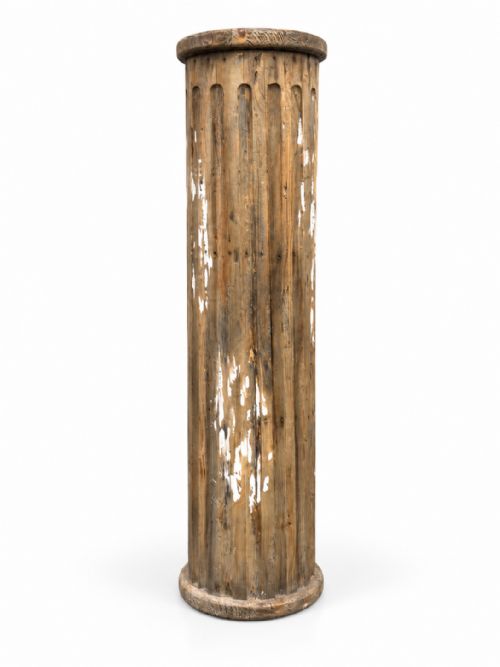
Carpenters utilised dense hardwoods such as mahogany and beech, turning sections on a lathe or carving them by hand. Vertical grooves, known as flutes, were chiselled into the shaft to catch the light.
Surfaces often received polish, paint, or gilding to enhance the grain and detail of the timber. Some columns incorporated stone tops or metal mounts to add weight and decorative contrast.
Fluted Wood Pedestal Retail Price Guide 2026
Typical asking prices for fluted wood pedestal among the pieces listed under this phrase on Sellingantiques today, from the lower quarter to the upper quarter. They describe what is for sale here now, not the wider market.
At least one nineteenth-century pedestal conceals a secret compartment within its sturdy wooden frame.
Evaluating the standard
Quality rests upon the crispness of the carved fluting and the stability of the central shaft. Superior examples display precise hand-carving and tight joints that withstand the weight placed upon the top.
The choice of timber and the depth of the polish dictate the visual presence of the piece. Well-balanced proportions ensure the stand remains steady even when supporting heavy decorative objects.
WMF
The Fluted Wood Pedestal Glossary
- Fluting
- Vertical parallel grooves carved into the shaft of a column or pedestal. This decorative technique creates shadow and emphasises the height of the piece.
- Torchere
- A tall, slender stand designed specifically to hold a lamp, urn, or statue. These pieces originate from the practice of holding lighting implements in large rooms.
- Column
- An architectural upright support adapted for furniture use as a standalone display pedestal. They often feature a distinct base, shaft, and capital.
- Turned
- Shaped on a rotating lathe using cutting tools to create circular profiles and symmetrical designs. Many pedestal shafts owe their shape to this process.
Fluted Wood Pedestal: Frequently Asked Questions
What were fluted wood pedestals used for?
These tall stands historically elevated decorative items, lighting, or botanical displays to make them more prominent in a room.
Positioned in corners or empty spaces, they added vertical interest to domestic interiors.
How do I style a pedestal at home?
Place a sculpture, a heavy ceramic bowl, or a trailing plant upon the top surface to draw the eye upward.
Ensure the weight of the object matches the load-bearing capacity of the stand.
How can I date a wooden pedestal?
Examine the timber species, the tool marks left by the maker, and the overall style such as Victorian or Edwardian.
Construction methods often reveal whether the piece stems from the nineteenth or early twentieth century.
Are these pedestals stable enough for daily use?
Solid mahogany and beech columns provide a sturdy base when placed on level flooring.
Heavier tops made of stone or thick wood help keep the centre of gravity low.