




Fluted Wood Lamp
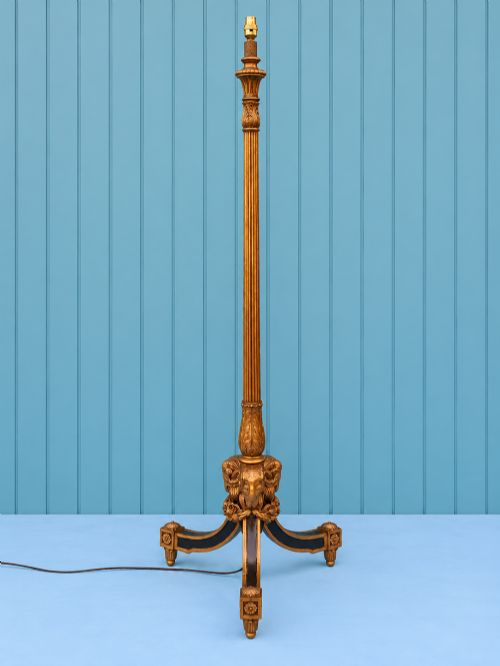
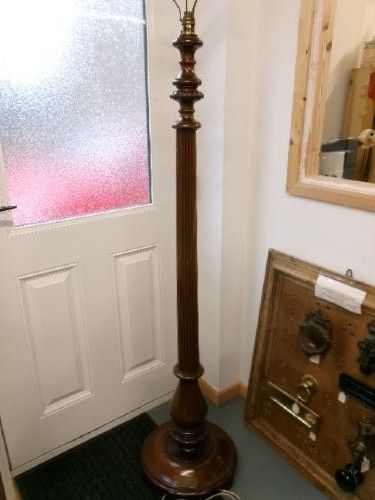
These fluted wood lamp pieces bring architectural turning and warm grain to a room, offering both upright floor lighting and tailored small tables.
Fluted Wood Lamp
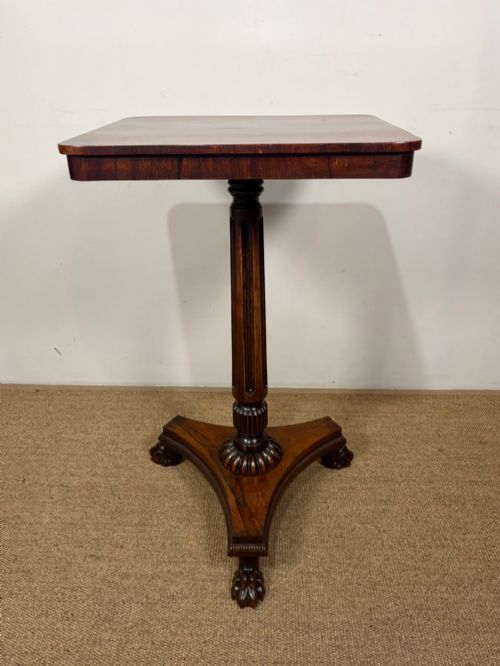
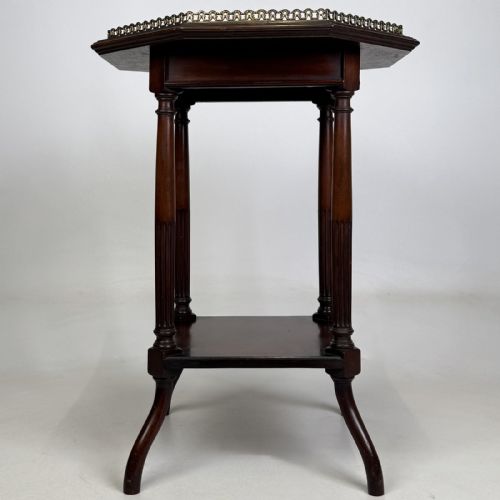
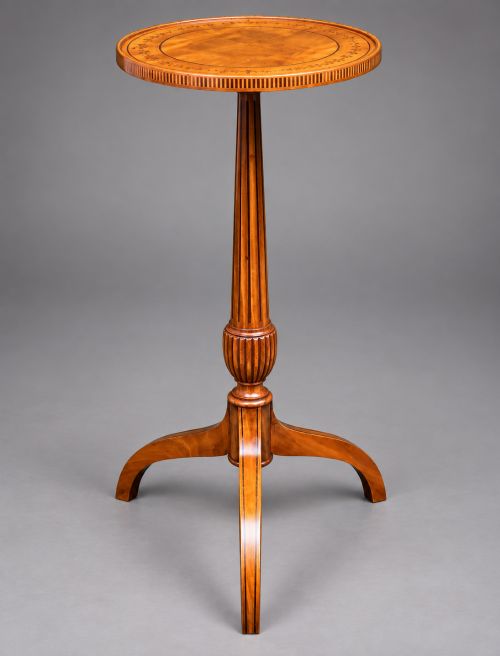
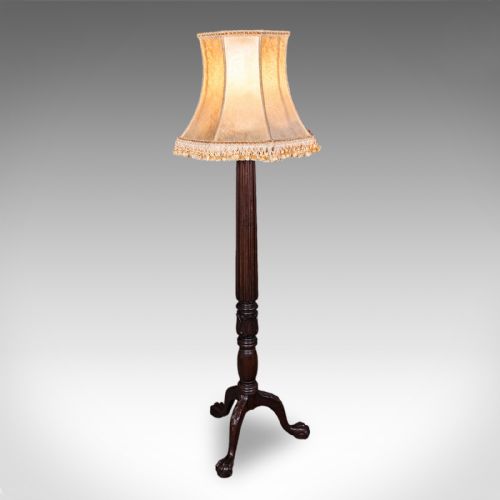
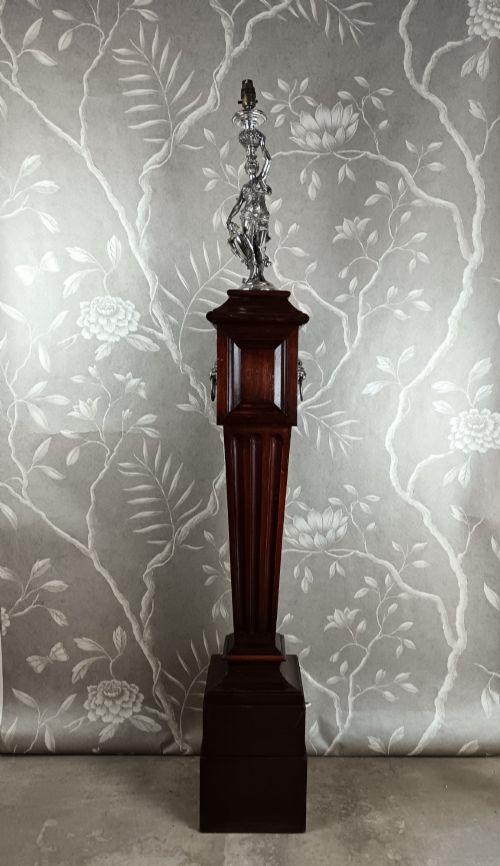
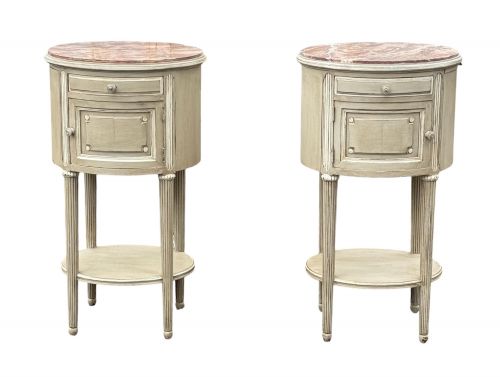
A fluted wood lamp takes several forms across this selection, appearing primarily as tall standard lamps for floor placement alongside compact occasional and wine tables designed to hold illumination. These objects span periods from the Georgian and Regency eras through to the Victorian, Edwardian, and 1930s decades.
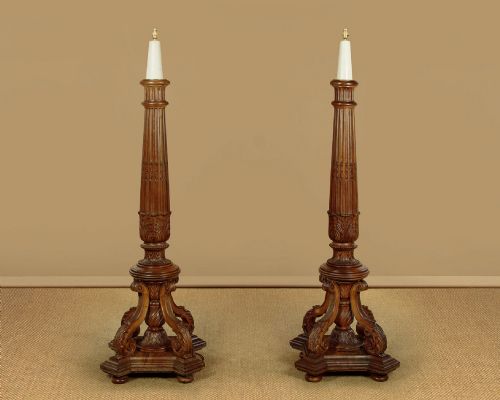
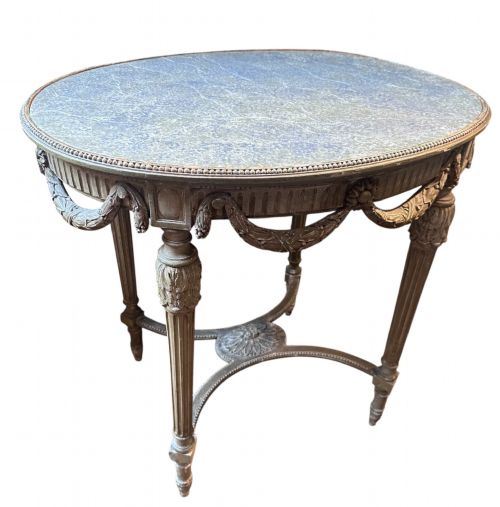
The vertical members display characteristic carved fluting, combining upright standards and pedestal torcheres with brass galleries, marble tops, and fabric shades. Origin references include English, French, Italian, and Swedish workshops working in mahogany, satinwood, walnut, and painted finishes.
Materials and construction
Makers utilise dense timbers such as mahogany, satinwood, walnut, and rosewood, often pairing the turned wood with cast brass details, silver-plated figural elements, and applied gesso. Painted and giltwood surfaces also appear alongside inset marble tops on French and Swedish tables.
Turning on a lathe creates the characteristic vertical flutes and pedestal shafts, while secondary framing incorporates traditional joinery for stability. Surface decoration includes marquetry inlay, brass galleries, and hand-painted finishes applied over the wooden core.
Fluted Wood Lamp Retail Price Guide 2026
Typical asking prices for fluted wood lamp among the pieces listed under this phrase on Sellingantiques today, from the lower quarter to the upper quarter. They describe what is for sale here now, not the wider market.
Mahogany, satinwood, walnut, and painted wood dominate the listings, paired with periods spanning from Georgian to 1930.
Judging quality in turned wooden pieces
Quality rests upon the crispness of the carved fluting and the selection of the timber grain, where finely figured mahogany or satinwood displays greater depth than plain surfaces. The integration of secondary materials, such as heavy cast brass galleries and intact marble slabs, separates standard production from finer examples.
Structural integrity depends on the precision of the pedestal turning and the weight of the base, ensuring an upright floor lamp or tall torchere remains stable. Original finishes and restrained proportions indicate a higher grade of craftsmanship across both standard lamps and occasional tables.
The Fluted Wood Lamp Glossary
- Fluting
- Shallow, concave grooves run vertically along the shaft of a column or lamp standard. This classical detail adds visual rhythm and elegance to turned wooden supports.
- Torchere
- A tall, slender stand or floor lamp designed to hold a light source high above the floor. These decorative pedestals frequently feature carved wooden shafts.
- Gueridon
- A small round table supported by one or more columns, originating in seventeenth-century France. Many examples serve as lamp tables or occasional surfaces.
- Marquetry
- Decorative patterns formed from thin pieces of wood veneer applied to a wooden structure. This technique creates complex pictorial or geometric designs on tabletops.
- Gesso
- A plaster-like mixture applied to wood surfaces as a smooth base for gilding or paint. It allows for crisp decorative moulding before finishing.
Fluted Wood Lamp: Frequently Asked Questions
What is a fluted wood lamp?
A fluted wood lamp comprises tall standard floor lights and smaller table structures featuring vertical carved grooves along the wooden shaft.
These pieces combine functional lighting support with traditional cabinetmaking across various historical periods.
How do standard lamps differ from torcheres?
Standard lamps serve primarily to hold electrical illumination and fabric shades for room lighting. Torcheres function as tall display pedestals that originally held candles and later electric fittings.
Both forms utilise turned wooden shafts with vertical fluting.
Which woods appear most often?
Mahogany and satinwood dominate the English and regional pieces, accompanied by walnut and rosewood.
Painted wood and giltwood surfaces also occur frequently in continental European examples from French and Swedish makers.
Where were these pieces made?
The selection includes English workshops alongside continental makers from France, Italy, and Sweden.
Regional preferences emerge through specific finishes, such as painted Swedish side tables and French marble-topped occasional pieces.