


Fluted Silver Box
These fluted silver box pieces bring refined detail to a desk or dressing table, offering both decorative presence and practical storage.
Fluted Silver Box
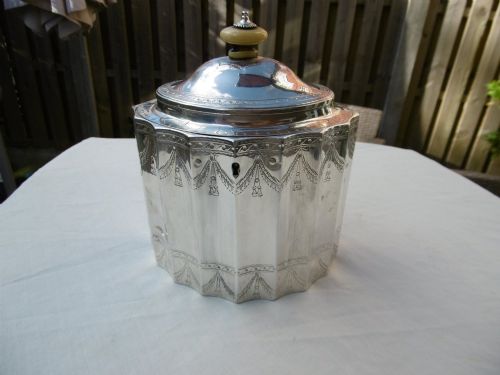
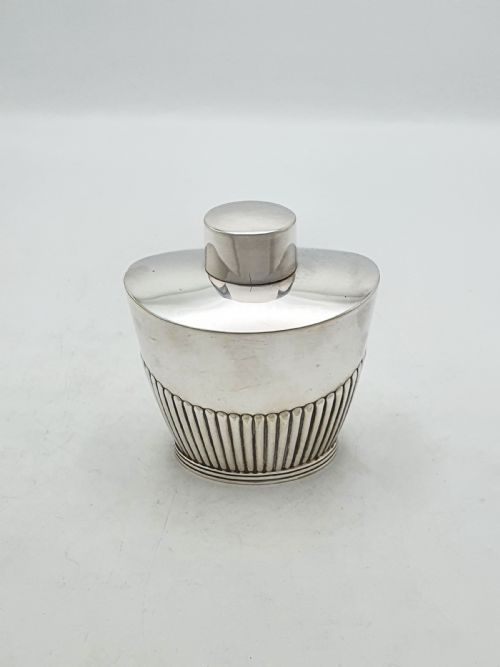
A fluted silver box is typically found in forms such as tea caddies, tea canisters, biscuit boxes, snuff boxes, and trinket boxes. When searching for a fluted silver box, buyers encounter items spanning from the Georgian period through the Victorian and Edwardian eras up to the 1930s.
The selection includes solid sterling silver pieces alongside silver plate and nickel silver. Origins range from 18th-century George III examples to Georgian Revival and Edwardian interpretations.
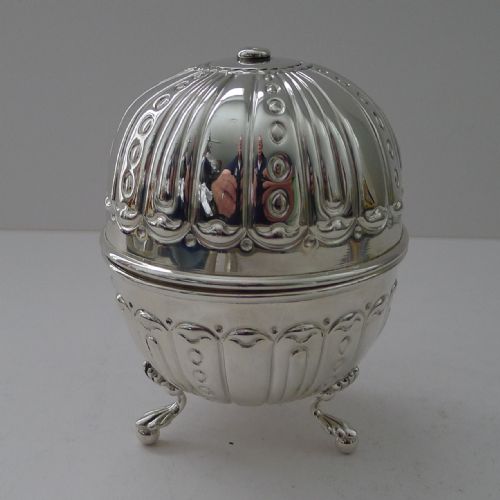
Tea caddies and storage containers dominate the available forms, often featuring characteristic fluted body work or fluted domed hinged lids. Smaller items like pill boxes and cigarette cases also appear across the periods.
How they were made
Makers utilised sterling silver and silver plate, shaping the metal to create the distinctive fluted patterns seen on tea caddies and trinket boxes. Some objects incorporate additional materials such as ebonised wood, plain wood, bone, and rose gold details.
Techniques relied on traditional silversmithing methods, including hammering, pressing, and soldering to achieve precise geometric fluting on the body and lids. Hallmarks stamped into the metal often record the assay office, year, and maker.
What varies in quality
Quality depends heavily on the weight of the metal and the crispness of the fluting pressed or hammered into the silver body. Heavier gauge silver offers a more substantial feel in the hand compared to lighter plated alternatives.
The distinction between a top-tier piece and a simpler one rests on the maker's reputation, the clarity of the hallmarks, and the preservation of original fitted cases or interior linings where applicable.
Robert Hennell·Mappin & Webb·Matthew Linwood·Harry Atkin·Asprey
The Fluted Silver Box Glossary
- Sterling silver
- An alloy containing a high proportion of pure silver combined with other metals to ensure durability for functional items. This standard is frequently verified by official hallmarks.
- Fluting
- A series of shallow, parallel concave grooves run vertically along the body or lid of a piece. It adds texture and visual depth to the metallic surface.
- Hallmark
- A set of official marks stamped onto silver objects to indicate the maker, assay office, standard of purity, and year of manufacture. These symbols provide a reliable method for dating the item.
- Tea caddy
- A container designed originally to store loose tea leaves securely while preserving their aroma. They range from simple canisters to grand, lockable boxes.
- Vesta
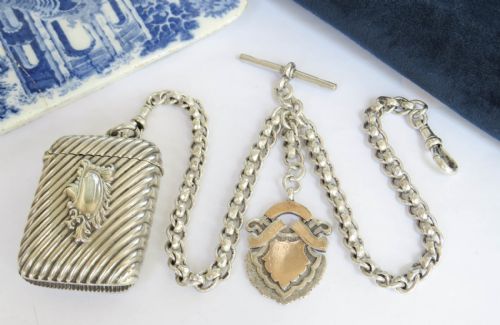
- A small pocket box specifically made to hold matches safely. Victorian examples often feature engraved decoration alongside fluted panels.
Fluted Silver Box: Frequently Asked Questions
What were fluted silver boxes used for?
These containers served various domestic functions, primarily storing dry goods like tea leaves or biscuits in the dining room and parlour. Smaller versions held personal items such as snuff, pills, stamps, or jewellery.
Over time, their use shifted from utilitarian storage to decorative display on sideboards, desks, and dressing tables. Wealthy households utilised them daily, while simpler boxes suited modest homes.
How do I identify a Georgian fluted silver box?
Georgian pieces, particularly those from the George III period, display distinct hand-wrought characteristics and crisp, elegant fluting. Examining the style of engraving and the form helps place them in the eighteenth or early nineteenth century.
Official hallmarks stamped onto the metal provide the definitive guide to dating. Comparing the style of the cyphers and maker's marks against historical records confirms the exact era of production.
What is the difference between sterling and plated boxes?
Sterling silver items are made from solid precious metal throughout, carrying official hallmarks that guarantee their silver content. They possess a distinct weight and age well through polishing.
Silver plated boxes consist of a base metal, such as nickel silver, coated with a thin layer of pure silver. While they offer the visual appeal of solid silver at a different scale, the underlying metal may show through over centuries of heavy use.
How should I clean a antique silver box?
Maintenance requires a soft cloth and a reputable silver polish formulated to lift tarnish without removing the fine details of the fluting. Gentle application preserves the crisp lines of the original maker's work.
Harsh abrasive materials or chemical dips must be avoided, as they strip the aged patina that collectors value. Storing the box in a dry environment prevents rapid re-tarnishing between uses.
Can I use an antique tea caddy today?
Many antique tea caddies and biscuit boxes remain entirely functional for storing dry goods or modern items on a desk. Their sturdy construction and secure hinged lids make them practical for everyday use.
Care should be taken with delicate linings or wooden interiors to ensure they are kept dry. Using them as decorative display pieces also protects their historic surfaces from wear.