



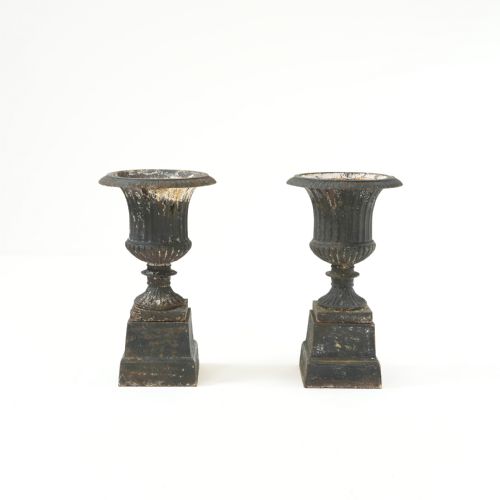


Fluted Iron Planters
Fluted iron planters are heavy metal vessels designed for garden display, bringing classical dignity and enduring structure to terraces and pathways.
Fluted Iron Planters
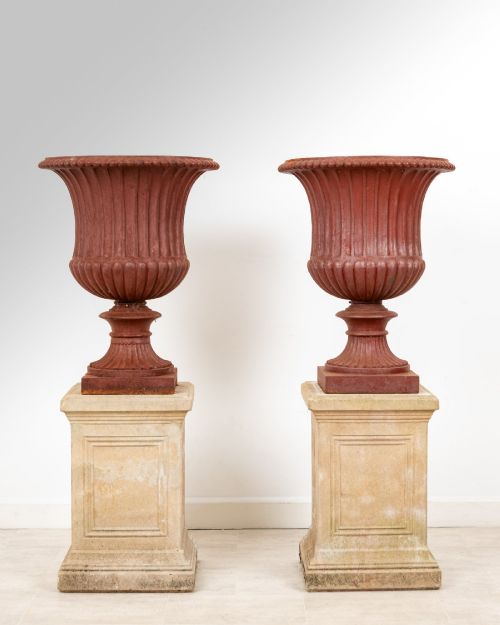
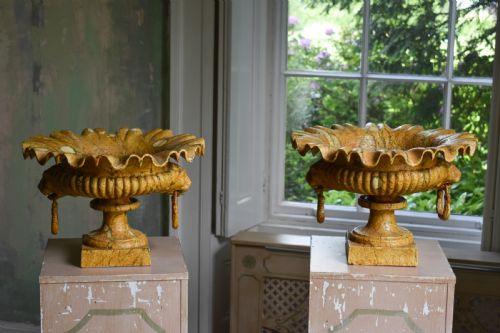
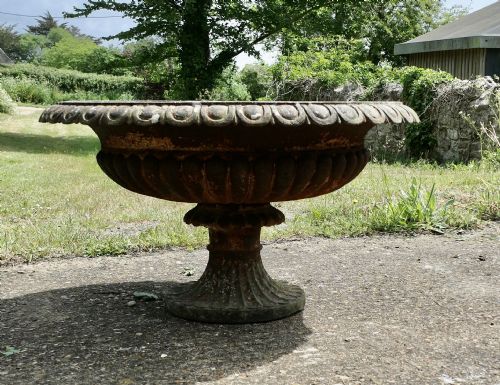
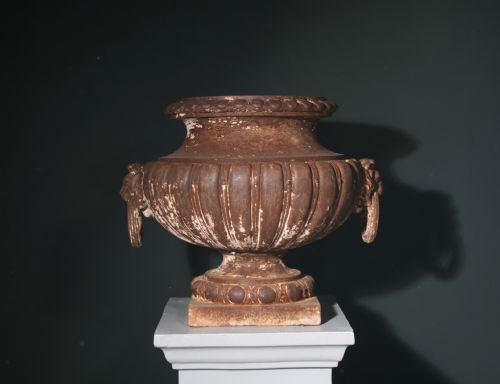
Fluted iron planters combine utilitarian garden vessels with classical architectural motifs, originating primarily from nineteenth century workshops and grand estates. These pieces frequently manifest as campana urns or jardinieres, designed to sit upon stone pedestals or dedicated plinths.
The prevailing style draws heavily from neoclassical and Victorian classical traditions, often echoing ancient forms through vertical fluting. Most examples encountered here date from the nineteenth century or the Victorian period, though occasional twentieth century iterations appear alongside French variants.
Buyers will find both single specimens and matched pairs intended for formal symmetrical placement at entrances or along garden paths. Their substantial weight and robust construction suit them specifically for outdoor display and substantial planting schemes.
Materials and construction methods
Cast iron serves as the primary medium, poured into detailed moulds to create the characteristic fluted bodies and classical relief ornament. This technique allows for sharp architectural lines and deep decorative profiling that withstands decades of external exposure.
Surface treatments frequently involve protective coats of paint applied over the iron substrate to prevent oxidation and weathering. Certain variations incorporate stone pedestals or plinths to elevate the main vessel, while related examples utilise copper or wrought iron components.
Fluted Iron Planters Retail Price Guide 2026
Typical asking prices for fluted iron planters among the pieces listed under this phrase on Sellingantiques today, from the lower quarter to the upper quarter. They describe what is for sale here now, not the wider market.
Listings feature periods spanning from the Georgian era through the nineteenth century, Victorian times, and into the nineteen-twenties.
Distinctions in design and manufacture
The refinement of the casting defines the upper tier of these vessels, where crisp fluting and well-defined classical details show superior workshop standards. Finer pieces often bear specific foundry attributions or display unusual proportional harmony.
Completeness of original matching pairs and the presence of corresponding stone plinths elevate the standing of an individual listing. Heavier, thicker metal walls and sophisticated neoclassical detailing likewise distinguish the more substantial works from standard garden utility items.
Andrew Handyside·Val d'Osne Foundry
The Fluted Iron Planters Glossary
- Campana urn
- A bell-shaped garden vessel with a flared rim and tapering body, frequently mounted on a pedestal. This classic shape derives from ancient Roman bronze and marble wine-mixing vessels.
- Jardiniere
- An ornamental pot or stand designed to hold growing plants or flowers. These items often feature decorative exterior relief work suitable for formal interior or garden settings.
- Plinth
- A heavy base block that elevates an urn or planter above ground level. They provide architectural stability and visual prominence to garden ornaments.
- Neoclassical
- A style rooted in the revival of classical Greek and Roman architecture and decorative arts. It emphasises symmetry, proportion, and restrained ornamentation such as fluting.
- Fluting
- Vertical parallel grooves cut or cast into the surface of a column or urn. This architectural detail adds textural depth and vertical emphasis to the vessel.
Fluted Iron Planters: Frequently Asked Questions
How do I clean cast iron planters?
Gently brush away loose dirt and debris using a soft bristle brush without harsh chemical detergents. Wash the surface with mild soapy water and rinse thoroughly to protect the underlying metal.
Allow the iron to dry completely before applying a fresh coat of protective exterior paint if required. Avoid abrasive metal scrapers that might damage the original casting texture.
Can these planters stay outside in winter?
Cast iron withstands low temperatures effectively, making outdoor winter placement standard for these robust vessels. Ensure adequate drainage holes remain clear so trapped water does not freeze and expand inside the pot.
Elevating the base slightly on feet or a plinth prevents moisture from drawing up from damp ground. Lining the interior with protective material also buffers the metal against extreme frost cycles.
How do I date a cast iron urn?
Examine the casting quality, seam lines, and overall weight to determine the manufacturing period. Nineteenth century examples often display hand-finished details and heavier metal sections compared to later reproductions.
Foundry marks, specific design registration numbers, or accompanying historical provenance help narrow the date further. Stylistic cues such as strict Victorian classical motifs also point toward specific decades of production.
What should I plant in a campana urn?
Trailing plants and cascading flowers complement the flared rim and elevated profile of a campana urn. Ivy, lobelia, and cascading geraniums create a balanced silhouette against the rigid vertical fluting of the iron.
Symmetrical evergreen shrubs provide year-round architectural structure suited to formal garden entrances. Ensure the planting mix offers proper drainage to maintain healthy root systems within the deep vessel.