



Fluted Glass Bottle
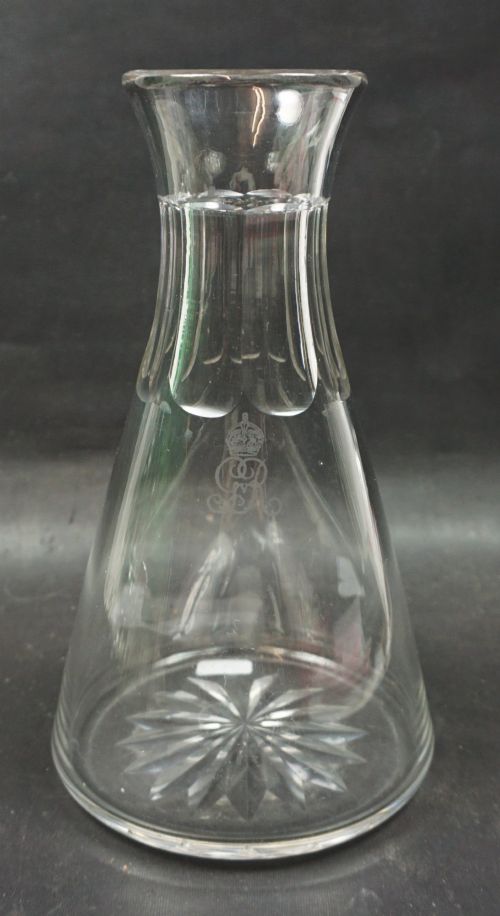
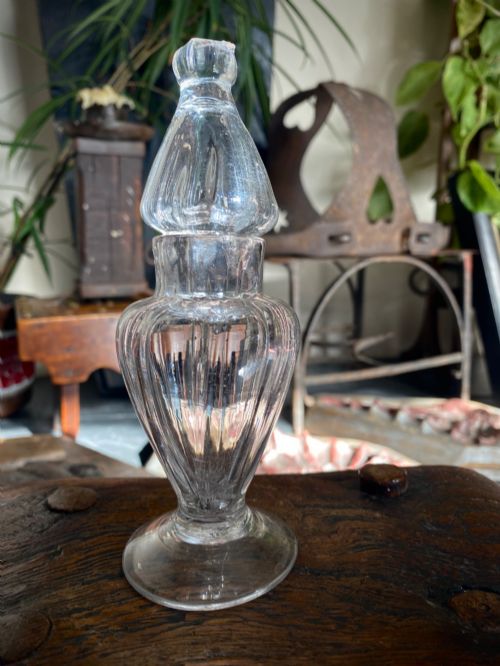
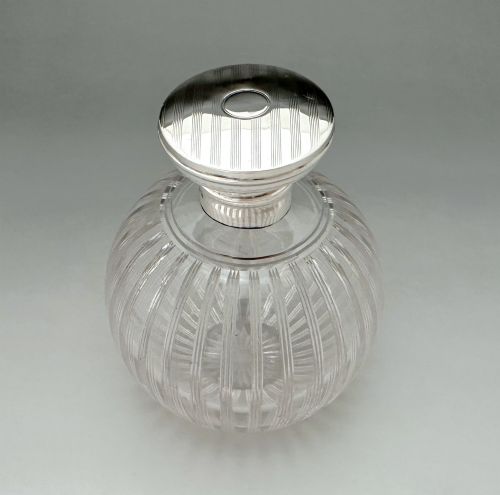
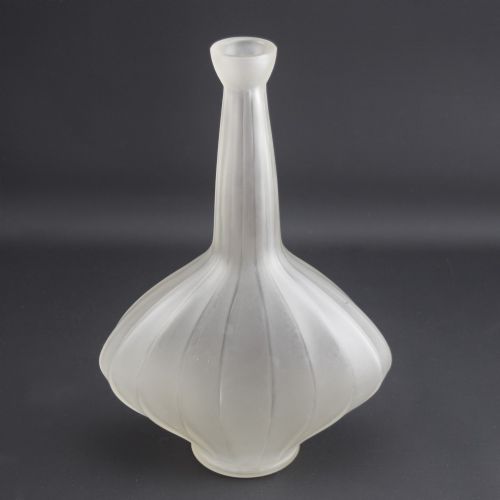
These pieces known as a fluted glass bottle combine vertical channel work with vessel forms ranging from decanters to scent bottles.
Fluted Glass Bottle
A fluted glass bottle takes several forms across the centuries, appearing most frequently as decanters, carafes, and scent bottles on this page. These vessels span periods from the eighteenth century through the Georgian, Victorian, and Edwardian eras up to the Art Deco period.
Makers and manufacturers utilise distinct vessel types including apothecary bottles, mustard jars, and serving bottles alongside standard decanters. The presence of silver mounts on pieces such as cologne bottles indicates domestic utility for the dressing table and sideboard.
What varies in quality
The clarity of the material and the precision of the cut flutes distinguish finer examples from standard production. Sharpness in the execution of the vertical cuts demonstrates superior workmanship by the cutter.
The integration of sterling silver mounts and the weight of lead glass or lead crystal contribute to the standing of individual pieces. Maker attribution and historical association, such as royal ciphers or known firms, elevate specific decanters and scent bottles above domestic wares.
Fluted Glass Bottle Retail Price Guide 2026
Typical asking prices for fluted glass bottle among the pieces listed under this phrase on Sellingantiques today, from the lower quarter to the upper quarter. They describe what is for sale here now, not the wider market.
Some Victorian bottles are double-ended, creating a mysterious dilemma about which perfume to use first.
Hukin & Heath·Rene Lalique·Sampson Mordan
The Fluted Glass Bottle Glossary
- Fluting
- Vertical grooves or channels cut or moulded into the surface of a glass vessel. This technique adds texture and reflects light.
- Lead Crystal
- Glass containing a high proportion of lead oxide, which increases brilliance, weight, and clarity. It allows for deep, crisp cutting.
- Vaseline Glass
- Glass coloured with uranium dioxide, producing a distinctive yellow-green hue. It often exhibits a strong green fluorescence under ultraviolet light.
- Cotes Plates
- A specific French design term denoting flat ribs or flutes on glassware. René Lalique utilised this style on decanters.
- Scent Bottle
- A small vessel designed to hold perfume, often fitted with a stopper or cap. Examples range from simple glass vials to double-ended silver-mounted pieces.
Fluted Glass Bottle: Frequently Asked Questions
What is a fluted glass bottle?
A fluted glass bottle is a hollow vessel featuring vertical grooves or channels running along its body. These pieces encompass decanters, scent bottles, carafes, and apothecary jars.
Craftsmen produced these items across the eighteenth, nineteenth, and early twentieth centuries using techniques like hand-blowing and cutting.
How were decanters used historically?
Decanters served to hold and serve wine, spirits, and cordials at the dining table or sideboard. Their stoppers kept contents sealed between uses.
Smaller scent bottles and cologne jars remained on dressing tables for personal perfumes and toiletries.
How do I date a glass bottle?
Dating relies on stylistic clues, manufacturing techniques, and any accompanying hallmarks on silver mounts. Georgian and Victorian pieces show distinct cutting styles and glass compositions compared to Edwardian or Art Deco items.
Maker marks and engraved ciphers provide further chronological markers.
Are silver mounts common on bottles?
Silver mounts appear on several categories of bottles, particularly perfume and cologne containers from the Victorian and Edwardian periods. Silversmiths fitted collars, caps, and hinges to the glass necks.
These additions often bear hallmarks that assist with provenance.